벽돌 제조 산업은 어떻게 진화하고 있나요?
산업의 진화는 운영, 환경, 상업적 차원에서 동시적이고 상호연결된 혁명으로 특징지어진다.
1. 기술 및 디지털 혁명
공장 수준에서 진화는 기본적인 기계화를 훨씬 넘어서는 고급 자동화와 데이터 통합에 의해 추진됩니다.
1.1. 하이퍼 오토메이션과 스마트 팩토리
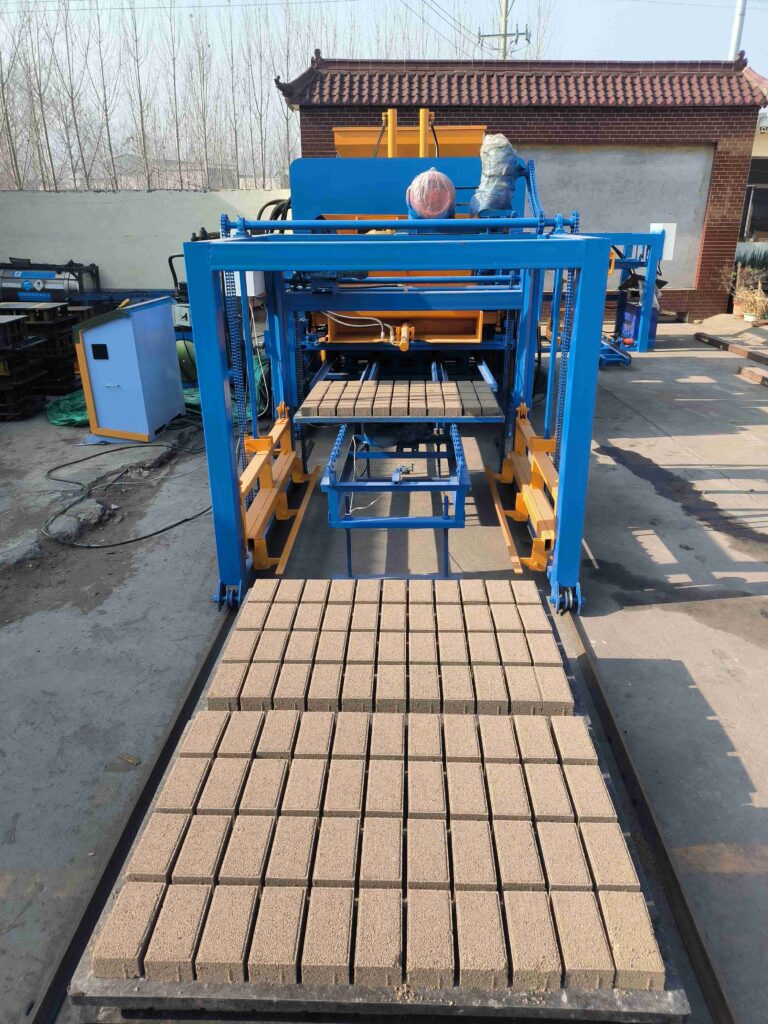
- 통합 로보틱스 및 비전 시스템:로봇 공학의 활용은 팔레타이징에서 건조기 차량에 정밀하게 벽돌 반제품을 적재하거나, 완제품을 색상이나 품질별로 선별하고 포장하는 복잡한 작업으로 확대되었습니다. 머신 비전 시스템은 실시간 품질 검사를 수행하여 인간의 눈으로는 보이지 않는 균열이나 치수 결함을 감지합니다.
- 산업용 사물인터넷(IIoT)과 예측 분석:생산 라인의 분쇄기, 압출기, 건조기, 가마에 내장된 센서는 진동, 온도, 압력, 에너지 소비에 대한 지속적인 데이터를 생성합니다. 이 데이터는 AI 기반 플랫폼에서 분석되어 장비 고장을 사전에 예측(예측 유지보수), 연료 효율을 위한 소성 곡선을 실시간으로 최적화, 일관된 품질을 보장합니다. 공장 현장은 연결되고 자체 최적화되는 시스템으로 진화하고 있습니다.
1.2. 적층 제조 및 고급 성형
- 3D 점토 프린팅은 아직 구조 유닛용으로는 신기술이지만, 전통적인 금형이나 압출 다이로는 불가능하거나 엄청난 비용이 들었던 매우 복잡하고 맞춤화된 건축 요소와 독특한 형태를 비용 효율적으로 생산할 수 있게 해줍니다.
2. 지속 가능성과 순환 경제의 필요성
환경적 압력은 변화를 촉진하는 가장 강력한 촉매제로서, 재료, 공정 및 제품 수명 주기에서 혁신을 주도합니다.
2.1. 생산의 탈탄소화
- 대체 연료로의 전환: A major shift is underway from coal and heavy fuel oil to cleaner-burning natural gas, biogas, and, increasingly, green hydrogen for kiln firing. Electrification of kilns, using renewable electricity, is a growing area of R&D, promising zero-combustion emissions.
- Energy Recovery and Ultra-Efficiency: Modern plants are designed as closed-loop energy systems. Advanced heat recovery captures waste heat from kiln cooling zones to pre-heat combustion air and power drying chambers, slashing net energy demand by up to 50% compared to traditional setups.
2.2. Alternative Raw Materials and Waste Valorization
- Beyond Virgin Clay: The industry is actively reducing its dependence on quarried clay. The use of industrial by-products like fly ash (from coal plants), slag (from steel production), and foundry sand as primary feedstocks is now mainstream in certain product lines.
- Construction & Demolition (C&D) Waste Integration: Leading innovators are developing processes to clean, grade, and incorporate finely ground C&D waste (concrete, brick, tile) into new brick bodies, closing the material loop and reducing landfill dependency.
2.3. The Rise of the Environmental Product Declaration (EPD)
Product evaluation is evolving. Beyond physical performance, buyers demand quantified environmental data. The generation of EPDs—verified reports detailing a product’s carbon footprint, water use, and resource consumption—is becoming standard practice for competitive manufacturers, providing transparency for green building certification (LEED, BREEAM).
3. Product Innovation and Evolving Market Demand
The brick itself is being reimagined to meet new architectural and performance requirements.
3.1. High-Performance Engineered Masonry
- Improved Thermal Performance: The development of highly perforated “thermal” bricks with complex internal webbing significantly improves a wall’s insulating value (R-value), helping buildings meet stringent energy codes.
- Lightweight, Large-Format Systems: The market is shifting towards larger, lighter clay blocks and thin brick veneer systems. These speed up construction, reduce mortar use, and lower structural load, aligning with cost and efficiency demands.
3.2. Aesthetic and Functional Surface Innovation
- Digital Glazing and Printing: Advanced digital printing technology allows for high-resolution, durable images and patterns to be fired onto brick surfaces, enabling custom facades and artistic expression at scale. New engobe and glaze formulations enhance self-cleaning properties or incorporate photocatalytic compounds to reduce air pollution.
4. Evolution of Supply Chain and Commercial Models
The way bricks are sold, distributed, and integrated into projects is changing.
4.1. Digitalization of the Sales and Specification Channel
- BIM Integration and Digital Twins: Brick manufacturers are creating detailed Building Information Modeling (BIM) objects for their products. These digital twins contain full technical data, EPDs, and visual properties, allowing architects to specify and visualize bricks directly within their digital building models, streamlining procurement.
- E-Commerce and Configuration Platforms: While bulk orders remain relationship-based, online platforms for sample ordering, color visualization, and configuring special shapes are becoming common, enhancing customer experience and specification support.
4.2. Consolidation and Specialization
- Global Scale vs. Niche Expertise: The industry is experiencing consolidation, with large multinational groups leveraging scale for R&D and global supply. Concurrently, nimble, specialized manufacturers thrive by focusing on unique, high-value products—heritage reproductions, extreme-performance bricks, or C&D waste-based lines.
- The Distributor’s Evolving Role: Distributors are transitioning from logistics providers to technical solution partners. They must now provide expertise on environmental credentials, BIM content, system compatibility, and installation details for new, complex products.
5. Regulatory and Social Drivers
External policy and societal shifts are setting the direction of evolution.
5.1. Tightening Environmental Regulations
- Emission Trading Schemes and Carbon Taxes: These financial mechanisms are making carbon-intensive production economically disadvantageous, directly incentivizing the adoption of low-carbon technologies and fuels.
- Stricter Air Quality Controls: Regulations on particulate matter (PM), nitrogen oxides (NOx), and sulfur dioxide (SO2) emissions force investment in advanced filtration and process changes.
5.2. Responsible Sourcing and Ethical Production
- Supply Chain Transparency: There is growing scrutiny on the entire supply chain, from clay quarry rehabilitation to factory labor conditions. Certifications for responsible sourcing are becoming a market differentiator for ethically conscious developers.
Implications for Distributors and Procurement Specialists
This multifaceted evolution creates both challenges and significant opportunities for intermediaries.
1. Strategic Portfolio Management
- Curating for Sustainability: Distributors must actively curate their portfolios to include products with strong environmental credentials (EPDs, high recycled content). This aligns with the demands of major developers and public sector projects.
- Embracing Technical Complexity: Stocking and supporting new product categories—like large-format thermal blocks or ventilated facade systems—requires deeper technical knowledge and closer collaboration with manufacturers.
2. Developing New Value-Added Services
- BIM and Digital Support: Providing up-to-date, manufacturer-authorized BIM objects and technical data becomes a critical service to architects and engineers.
- Sustainability Advisory: The ability to interpret and communicate EPD data, carbon footprints, and contribution to green building credits positions the distributor as a strategic advisor, not just a supplier.
3. Strengthening Strategic Manufacturer Partnerships
- Due Diligence on Evolution: Partnering with manufacturers who are actively investing in clean technology, digital tools, and product innovation is crucial. Assess their roadmap for decarbonization and digital integration.
- Collaborative Forecasting: The move towards more customized and just-in-time production requires tighter integration and data sharing between distributor and manufacturer for inventory planning.
결론
The brick-making industry is evolving from a traditional, commodity-oriented sector into a sophisticated, technology-driven, and sustainability-focused component of modern construction. This transformation is holistic, encompassing radical changes in how bricks are made (smart, clean factories), what they are made from (circular materials), the performance they offer (engineered systems), and how they are specified and delivered (digital integration). For distributors and procurement professionals, passive adaptation is insufficient. Proactive engagement with these trends is the pathway to relevance and growth. The future belongs to intermediaries who can master the new language of embodied carbon, leverage digital tools, manage complex product systems, and act as knowledgeable conduits between innovative manufacturers and an evolving market. The industry’s evolution, therefore, is not just a story of manufacturing change; it is a call to action for the entire supply chain to elevate its expertise, value proposition, and role in building a more sustainable and efficient world.
FAQ
Q1: Is all this automation and technology making bricks more expensive?
A: Not necessarily in the long-term view. While capital investment is high, automation drastically reduces labor costs, waste, and energy consumption per unit. It enables unparalleled consistency, reducing rejects. The initial cost may be incorporated, but the total lifecycle cost of production falls. For distributors, this can mean more stable pricing from efficient producers, though premium products (e.g., low-carbon, highly technical) may command higher prices due to their added value.
Q2: As a distributor, how urgent is it to develop expertise in environmental certifications like EPDs?
A: It is immediately critical. In many regions, public tenders and major private developments now require EPDs for core building materials. Inability to provide this data excludes you from significant and growing market segments. Understanding EPDs—how to read them, compare them, and communicate their value—is fast becoming a baseline requirement for technical sales.
Q3: Will 3D-printed bricks replace traditional bricks?
A: In the foreseeable future, 3D printing is unlikely to replace high-volume, standard brick production due to speed and cost. Its evolution is geared towards specialization and customization. It will be revolutionary for creating complex architectural features, bespoke shapes, and potentially for on-site printing of structures in remote locations, representing a complementary, high-value niche rather than a wholesale replacement.
Q4: How is the rise of modular and off-site construction affecting brick demand?
A: It is creating a new product and service paradigm. Brick is adapting through prefabricated panels. Factories can produce complete, finished brick facade panels (bricks adhered to a backing system) that are shipped and craned into place on a modular building. This requires distributors to engage with a different set of customers (modular builders) and understand system-based performance and logistics.
Q5: What is the single biggest challenge for distributors in this evolving landscape?
A: The pace and breadth of change itself. The challenge is continuous upskilling. Distributors must concurrently develop technical knowledge on new materials, digital proficiency with BIM, commercial understanding of carbon markets, and logistical expertise for new product formats. Investing in ongoing training and seeking manufacturers who provide strong technical marketing support is essential to bridge this knowledge gap.