
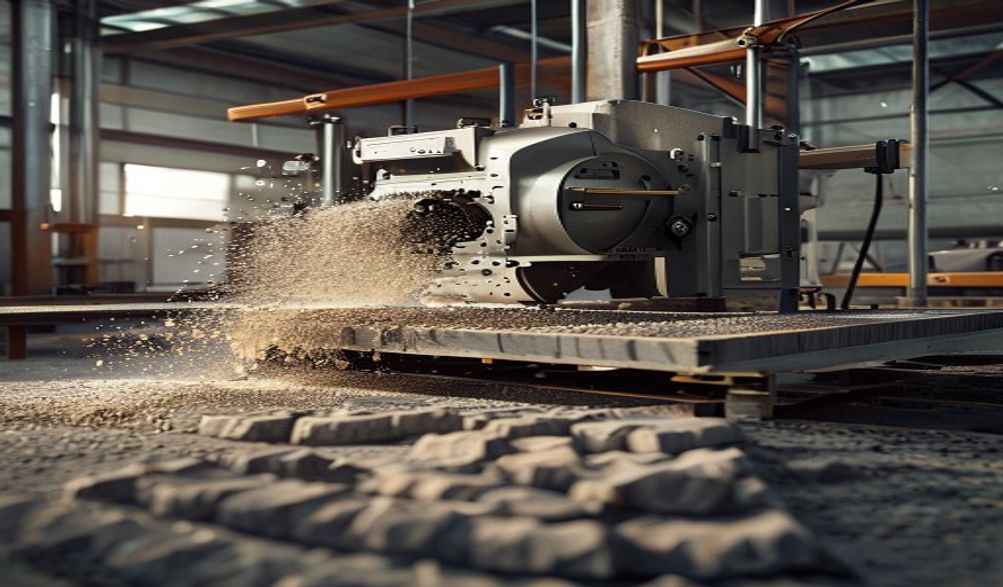
벽돌 및 포장용 블록 제조 기계 선택 방법: 종합 구매자 가이드
소개
벽돌 및 포장 블록 제조 기계를 구입하는 것은 건설 사업이나 제조 벤처에서 가장 중요한 투자 중 하나입니다. 이는 단순히 장비를 구매하는 문제가 아니라, 앞으로 제품 품질, 운영 효율성, 장기적 수익성을 결정할 생산 파트너를 선택하는 것을 의미합니다. 잘못된 선택은 잦은 가동 중단, 저품질 제품, 재정적 부담으로 이어질 수 있지만, 올바른 기계는 성장을 위한 신뢰할 수 있는 엔진이 됩니다.
이 가이드는 업계 모범 사례, 심층 기술 분석, 수년간 건설기계 및 플랜트 운영 경험에서 수집한 통찰력을 바탕으로 제작되었습니다. 시장에 진입하는 창업 기업가, 사업 확장을 목표로 하는 소규모 사업주, 또는 내부 생산 관리를 추구하는 대기업의 프로젝트 관리자 등 각자의 과제를 잘 이해하고 있습니다.
이 종합 가이드를 마치면, 여러분은 특정 요구사항, 예산, 목표에 맞춰 어떤 기계든 평가할 수 있는 명확하고 실행 가능한 프레임워크를 갖게 될 것입니다. 완벽한 기계를 찾는 여정은 화려한 브로셔가 아닌, 자신의 프로젝트에 대해 올바른 질문을 던지는 것에서 시작됩니다. 시작해 볼까요.
1. 생산 요구 사항과 비즈니스 목표 평가
단일 기계 사양을 살펴보기 전에, 달성해야 할 목표에 대해 절대적으로 명확해야 합니다. 이 기본 단계는 비싸고 복잡한 시스템을 과도하게 구매하거나 수요를 따라가지 못하는 기계를 과소 구매하는 것을 방지합니다.
프로젝트 규모와 일일 산출량 요구사항
필요한 출력이 기계 선택의 주요 결정 요인입니다. "많은 양"과 같은 모호한 표현은 구체적인 숫자로 변환되어야 합니다.
- 부피 추정하기특정 프로젝트, 지속적인 지역 판매, 또는 대규모 상업 공급을 위해 생산하고 계신가요? 개인 용도나 맞춤 프로젝트를 위한 소규모 작업은 하루에 수백 개의 벽돌만 필요할 수 있습니다. 소매업체나 계약업체에 공급하는 상업적 사업은 수천 개가 필요할 수 있습니다.
- 기계 사이클 이해하기출력량은 시간당 사이클로 측정됩니다. 기계 사양에는 "시간당 500개의 벽돌"이라고 명시될 수 있습니다. 이는 이상적인 조건에서의 이론적 최대치입니다. 저희 경험상, 금형 교체, 유지보수, 작업자 휴식 시간을 고려하여 지속 가능한 일일 실제 출력을 위해 이를 20-30% 정도 낮춰 잡아야 합니다.
- 핵심 계산:
(벽돌당 생산량) × (시간당 사이클 수) × (실제 작업 시간) = 일일 실질 생산량이것을 사용하여 기계를 벤치마킹하세요.
제조할 제품 유형
모든 기계가 모든 제품을 효율적으로 생산하는 것은 아닙니다. 제품 구성에 따라 기계 유형이 결정됩니다.
- 일반 제품:
- Solid & Hollow Blocks (for construction)
- Paving Stones & Interlocking Pavers (for landscaping, driveways)
- Curbstones & Garden Edging
- Special Shapes (decorative blocks)
- The Machine-Product Link: A heavy-duty stationary block machine excels at high-volume standard blocks. A machine designed specifically for pavers might have a different vibration system for a sharper, more detailed finish. If you need versatility, your key criterion becomes a machine that supports easy and affordable mold changes.
Raw Material Analysis
The machine must be compatible with the materials you have readily and affordably available.
- Primary Materials: The most common is a concrete mix (cement, sand, aggregate, water). Others use fly ash, slag, or even soil for certain brick types.
- The Compatibility Check: The quality of your local sand and aggregate directly impacts the required vibration and compaction force. A mix with poor gradation or high silt content may require a machine with higher hydraulic pressure to achieve the necessary block strength. Always discuss your specific mix design with potential suppliers.
2. Understand the Core Types of Brick and Paver Machines
Machines fall into broad categories defined by their level of automation and operation method. Understanding these is crucial to narrowing your search.
수동 및 반자동 기계
- 작전: These are labor-intensive. Manual machines require levers or handles to apply pressure. Semi-automatic versions use a hydraulic or mechanical system for compaction but require manual feeding of raw material and removal of finished products.
- 최적 대상: Entrepreneurs with very low startup capital, markets where labor costs are minimal, or businesses producing highly customized, artistic products in low volume.
- 장점과 단점:
- 장점: Very low initial investment, simple to maintain and repair, high flexibility for custom products.
- 단점: Low output, high physical labor requirements, product consistency heavily depends on operator skill.
Fully Automatic Stationary Block Machines
- 작전: These are the workhorses of large-scale production. They are complete systems, often with integrated mixers, automatic conveyor-fed material handling, robotic pallet circulators, and stackers. Operation is controlled via a PLC (Programmable Logic Controller) panel.
- 최적 대상: Established plants focused on high-volume, consistent output of standard block and paver products for commercial sale. They require a significant, dedicated factory space.
- 장점과 단점:
- 장점: Maximum output (thousands of blocks per shift), exceptional product consistency and density, low labor requirement per unit produced.
- 단점: Very high capital cost, complex installation and foundation needs, requires skilled technicians for maintenance, less flexibility for short production runs.
Mobile Block Machines (Egg-Layers)
- 작전: These self-contained units produce blocks and deposit them directly onto a level casting surface (the ground or a concrete slab) as they move forward, much like a chicken laying eggs.
- 최적 대상: On-site production for medium-scale projects (like a housing development), reducing transport costs of finished blocks. They are also popular for medium-scale commercial yards.
- 장점과 단점:
- 장점: Eliminates the need for pallets and complex handling systems, lower initial cost than full automatics, excellent flexibility for on-site work.
- 단점: Output is lower than stationary automatics, product curing and handling must be managed on the casting bed, can be more sensitive to ground conditions.
3. Key Technical Specifications to Scrutinize
Once you’ve narrowed the type, dive into the specs. These numbers tell the real story of capability and quality.
Pressure and Vibration System
This is the heart of the machine. It determines the block’s compressive strength and surface finish.
- 유압: Measured in tons or kiloNewtons (kN). Higher pressure compacts the raw material more densely, resulting in stronger, more durable blocks. For standard hollow blocks, 150-250 tons is common. For high-strength pavers or curbstones, you may need 300+ tons.
- 진동 Look for amplitude and frequency. A powerful, well-engineered vibration system ensures the concrete mix is evenly distributed throughout the mold, eliminating voids and creating a smooth, tight finish. Ask about the number and placement of vibration motors.
Mold and Pallet System
This is where your product is formed, and a common source of issues.
- 교환 가능한 금형 Verify the ease and speed of mold changeover if you plan to produce multiple products. Check the cost and lead time for additional molds from the supplier.
- 팔레트 시스템: Pallets carry the mold and the fresh block. In our experience, the pallet circulation system is a frequent point of failure. Inspect it closely.
- Pallet Quality: Steel pallets are more durable and provide better vibration transfer than plastic, but are heavier and more expensive.
- Circulation: The system that moves pallets must be robust and precisely aligned to prevent jams and wear.
Power Source and Consumption
Your local infrastructure and operating costs are key here.
- Options: 전기 is clean, efficient, and ideal for fixed plants with stable power. 디젤 offers mobility and independence from the grid, crucial for on-site work or areas with unreliable electricity. 하이브리드 systems provide a flexible alternative.
- Cost Calculation: Don’t just look at the machine price. Estimate daily fuel/electricity consumption based on the motor power (kW/HP) and your planned operating hours. This is a major part of your long-term operating expense.
Automation Level and Control System
This affects your labor needs and operational consistency.
- Spectrum of Control: From simple lever and button controls to fully graphical PLC touchscreens that allow you to store recipes for different products, monitor production counts, and diagnose faults.
- The PLC Advantage: A modern PLC system reduces human error, ensures consistent cycle times and pressure application, and can simplify troubleshooting by providing error codes. For any automatic machine, a PLC is a worthwhile investment.
4. Beyond the Machine: Total Cost of Ownership & Support
The cheapest machine price tag can lead to the highest long-term cost. True value includes support and longevity.
초기 투자 대비 장기적 가치
The purchase price is just the first line item.
- Hidden Initial Costs: Shipping, insurance, import duties (if applicable), installation, commissioning, and foundation construction. Always get a detailed quotation that outlines these, or clarifies who is responsible (see Incoterms).
- Avoiding False Economy: A slightly more expensive machine with a heavier frame, better-quality hydraulics, and standard-brand electrical components will likely outlast and outperform a cheaper alternative, reducing downtime and repair costs.
The Critical Role of After-Sales Service
This is non-negotiable. A machine without support is a liability.
- Availability of Spare Parts: Ask for a list of common wear parts (hydraulic seals, vibration motor bearings, mold liners). How quickly can they be shipped to you? Are they proprietary or readily available standard components?
- 기술 지원 Does the supplier offer installation supervision, operator training, and maintenance manuals? Is there phone or video support for troubleshooting? What are their response time guarantees?
- 보증 약관: Read them carefully. What is covered (parts, labor)? For how long? What voids the warranty? A one-year comprehensive warranty is a good baseline.
Supplier Reputation and Verification
You are buying from a company, not just a machine.
- Research: How long have they been in business? Do they have relevant certifications (ISO, CE marking indicates compliance with European safety standards)? Ask for a client portfolio.
- The Reference Check: This is crucial. Request 2-3 references from customers in a similar region or business. Contact them and ask about machine reliability, product quality, and the supplier’s responsiveness to problems.
5. Making the Final Decision: A Step-by-Step Checklist
Bring all the analysis together with these practical, experience-based steps.
Pre-Purchase Due Diligence
- Get Detailed Quotes: Ensure quotes include full technical specifications, warranty terms, delivery timelines, and a clear breakdown of all costs.
- Insist on a Live Demo or Video Test: Never buy based on brochures alone. Ask to see the machine running. Even better, send a sample of your raw materials for them to use in the demo.
- Test the Product: Get samples produced from the demo. Have them tested for compressive strength at a local lab if possible. Check the finish, dimensional accuracy, and weight consistency.
Financial and Logistics Planning
- Clarify Shipping Terms (Incoterms): Understand exactly what FOB (Free on Board) or CIF (Cost, Insurance, and Freight) means for your responsibilities and costs. Who handles customs clearance?
- Prepare Your Site: Based on the machine’s foundation drawings (which the supplier must provide), prepare the necessary reinforced concrete foundation, ensure adequate space for operation and curing, and arrange for power/water hookups.
- Plan for Training: Schedule operator and basic maintenance training, either at your site or the supplier’s facility.
자주 묻는 질문 (FAQ)
Q: What is the average cost range for a brick making machine?
A: The range is vast. Small manual machines can start at a few thousand dollars. Semi-automatic machines range from $15,000 to $50,000. Mobile egg-layers typically cost between $40,000 and $100,000. Large, fully automatic stationary plants can range from $100,000 to over $500,000. Focus on the cost per block produced (CapEx + OpEx) and your Return on Investment (ROI), not just the sticker price.
Q: Can one machine produce different types of blocks and pavers?
A: Yes, this is a key feature of most machines. By changing the mold, you can produce different products. However, there are limitations based on the machine’s pressure (can it make a dense paver?) and pallet size (will a large curbstone fit?). Always confirm compatibility and factor in the cost and lead time for additional molds.
Q: How much space and what kind of foundation is needed?
A: You need space for the machine itself, raw material storage (sand, aggregate, cement), a mixing area, a curing area (the most space-intensive), and finished goods storage. Foundation requirements vary from a simple, level concrete slab for mobile machines to deep, reinforced concrete foundations for large stationary machines to handle their dynamic loads. The supplier must provide detailed foundation plans.
Q: What is the typical payback period on this investment?
A: There is no single answer. It depends on your machine cost, local market price for your products, your sales volume, and operational efficiency. For a well-utilized machine in a decent market, a payback period of 1 to 3 years is a common industry benchmark. Creating a detailed business plan with these variables is essential.
Q: How do I maintain the machine for optimal lifespan?
A: Follow the manufacturer’s schedule strictly. Core tasks include: daily cleaning of excess concrete, regular lubrication of all moving parts, weekly checking of hydraulic oil levels and condition, monthly inspection of vibration motors and electrical connections, and keeping a small inventory of critical wear parts (like seals and gaskets) to minimize downtime.
결론
Choosing the right brick and paver making machine is a strategic decision that balances four critical pillars: your Production Needs, the appropriate 기계 유형, the non-negotiable Technical Specifications그리고Trustworthiness of your Supplier.
Our final piece of expert advice is this: prioritize long-term reliability and comprehensive after-sales support over the allure of the absolute lowest price. This machine is not an expense; it’s a capital investment and a partner in your business growth. A slightly higher upfront cost for a robust machine and a supportive supplier will pay dividends in reduced downtime, consistent product quality, and peace of mind for years to come.
Your next step: Use the checklist in Section 5 as your roadmap. Take your top 2-3 supplier candidates and conduct thorough due diligence. Request the live demos, scrutinize the quotes, and—most importantly—talk to their existing customers. Do not rush this process. The time you invest in selection now will save you from costly mistakes and operational headaches later. Make an informed, strategic investment in your production future.
<