
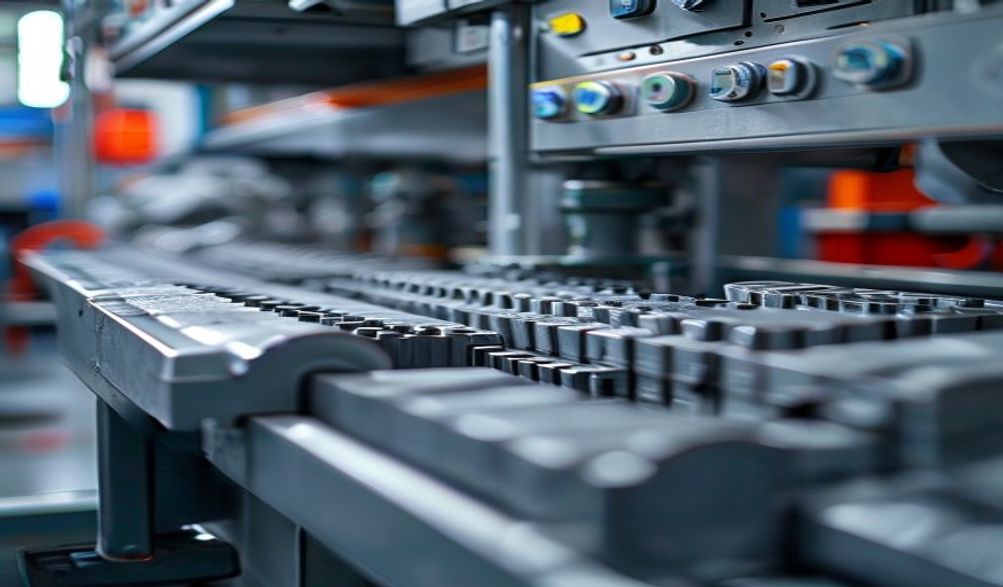
중국 벽돌 제조 기계 선택 방법: 궁극의 구매 가이드
소개
글로벌 건설 산업은 효율성과 경제성을 기반으로 운영됩니다. 소박한 주택에서부터 우뚝 솟은 인프라에 이르기까지 수많은 프로젝트의 핵심에는 벽돌이라는 기본 건축 자재가 자리 잡고 있습니다. 이러한 끊임없는 수요를 충족시키기 위해 전 세계의 건축업자와 기업가들은 제조업의 강국인 중국으로 눈을 돌리고 있습니다. 세계 최고의 건설 기계 생산국인 중국은 경쟁력 있는 가격으로 비교할 수 없는 다양한 벽돌 제조 기계를 제공합니다.
그러나 이 광대하고 복잡한 시장을 탐색하는 것은 수많은 도전 과제를 안고 있습니다. 온라인 검색 한 번이면 수천 개의 공급업체, 어지러울 정도의 기술 사양, 그리고 압도적인 가격대가 나타납니다. 잘못된 기계를 선택하는 것은 단순한 작은 실패가 아닙니다. 이는 막대한 자본 손실, 생산 지연으로 인한 타격, 그리고 제품 품질 저하로 이어져 평판에 치명적인 손상을 줄 수 있습니다.
이 가이드는 당신의 전략적 나침반입니다. 단순한 기능 목록이 아니라, 업계 분석, 심층적인 기술 이해, 그리고 검증된 국제 조달 관행을 바탕으로 구축된 포괄적인 단계별 프레임워크입니다. 우리는 잡음을 차단하고, 프로젝트를 성공으로 이끌 정보에 기반한 확신 있는 투자를 할 수 있는 지식을 제공합니다. 모든 현명한 결정이 시작되는 곳에서 시작합시다: 바로 당신의 요구사항에서요.
프로젝트 요구사항 이해하기: 선택의 기초
카탈로그 하나를 보기도 전에, 먼저 내부를 들여다봐야 한다. 가장 정교하고 비싼 기계라도 특정 운영 현실에 부합하지 않으면 끔찍한 투자일 뿐이다. 이 기본 단계가 노련한 구매자와 실망한 구매자를 가르는 기준이다.
생산량 및 규모 평가
요구 출력이 기계 선택의 주요 동인이 됩니다. 정확한 평가는 성능이 부족한 기계에 과소 투자하거나 유휴 상태로 방치될 거대 기계에 과잉 투자하는 것을 방지해 줍니다.
- 실질 생산량 필요 계산:추측하지 마라. 프로젝트 계약이나 시장 수요를 기준으로 일일 또는 주간 브릭(Brick) 필요량을 계산하라. 성장을 위해 합리적인 여유분(예: 15-20%)을 추가하라.
- 규모를 정의하십시오.
- 소규모:지역사회 프로젝트, 소규모 사업체 또는 스타트업을 위해. 하루 생산량은 1,000~5,000개의 벽돌일 수 있습니다. 수동 또는 간단한 반자동 기계가 일반적입니다.
- 중형 규모성장 중인 건설 회사나 전문 벽돌 공장을 위한 제품입니다. 하루 생산량은 5,000~20,000개의 벽돌입니다. 견고한 반자동 또는 초급 수준의 완전 자동 라인이 필요합니다.
- 대규모 산업 규모:대규모 프로젝트 공급을 위한 대량 생산에 적합합니다. 일일 생산량이 20,000개 벽돌을 초과하는 경우가 많아, 팔레트 순환 장치와 로봇 핸들링을 갖춘 완전 자동화된 생산 라인이 필요합니다.
- 확장성 계획:스스로에게 물어보세요: 이건 고정된 필요인가요, 아니면 확장할 계획이 있나요? 일부 기계는 모듈식 업그레이드(예: 자동 급지 장치나 스태커 추가)가 가능하여 비용 효율적인 성장 경로가 될 수 있습니다.
Defining Your Brick Type and Specifications
The machine must be engineered to produce 당신 specific product.
- 벽돌 종류: The machine’s mold and mechanism are designed for specific products.
- 솔리드 브릭: Common for load-bearing walls.
- 홀로우 블록: Lighter, with better insulation; require core rods in the mold.
- 인터록킹 브릭스: For dry-stack construction; require high-precision molds.
- 포장 돌: Often thicker and require high vibration and pressure for durability.
- 주요 사양: Have these details ready:
- Dimensions (Length x Width x Height)
- Minimum Compressive Strength (measured in MPa)
- Surface finish quality (smooth, textured, etc.)
- 원자재 호환성: This is non-negotiable. Specify your primary raw material:
- Clay (requires high pressure)
- Concrete (cement, sand, aggregate)
- Fly Ash (an eco-friendly option)
- Cinder or Soil
사이트 및 운영 제약 조건
Your physical and human resources dictate practical limits.
- Factory Space: Measure your available length, width, and height. Include space for raw material storage, curing, and finished product storage.
- 전원 공급 장치: Chinese machines often come configured for standard Chinese voltage (e.g., 380V/3Phase/50Hz). You must confirm your local power supply and discuss necessary transformers or motor changes with the supplier.
- Labor & Automation: Be honest about your available skill level.
- 수동 기계: Lowest cost, highest labor intensity, variable output quality.
- 반자동 A balance. Operator feeds material, but pressing/palletizing is automated. Good for consistent quality with moderate investment.
- 완전 자동 High capital cost, low labor requirement, maximum consistency and output. Requires some technical oversight.
Key Technical Factors in a Chinese Brick Making Machine
With your needs defined, you can now speak the language of engineering. Understanding these technical aspects allows you to compare apples to apples and assess true value.
Core Machine Types and Their Mechanisms
- Hydraulic vs. Mechanical Press:
- 유압 프레스: Uses hydraulic cylinders to generate immense, controlled pressure. Superior for producing high-density, high-strength bricks (especially from clay or fly ash). Offers better flexibility and control over pressure. Generally quieter and smoother in operation.
- 기계식 프레스: Uses a mechanical flywheel and lever system. Often faster cycle times and lower initial cost. Excellent for standard concrete hollow blocks. Can be noisier and subject to more mechanical wear.
- 고정형 vs. 이동형:
- 고정식 블록 기계 The industrial standard. Fixed in a production line. Higher output, better integration with mixers, conveyors, and stackers.
- 모바일 벽돌 제작 기계: (Like egg-laying or mobile block machines). Portable, can produce bricks directly on the ground. Lower output, ideal for on-site production where transporting bricks is costly.
- AAC Block Plants: For completeness, note that for lightweight, insulating aerated concrete blocks, you need a completely different system—an Autoclaved Aerated Concrete (AAC) plant, which is a large, fixed factory setup.
Critical Components and Build Quality
Here is where supplier quality becomes glaringly apparent. Always ask for details on these components:
- The Hydraulic System (The Heart): The brand and quality of the hydraulic pump, valves, and cylinders are paramount. Reputable international brands (like Bosch Rexroth, Kawasaki, Yuken) or top-tier Chinese brands indicate a focus on durability. Ask for the pump’s rated pressure and flow.
- The Frame and Structure: The machine must withstand years of constant vibration and pressure. Inquire about the steel grade (e.g., Q235, Q345) and the thickness of the main frame plates. Look for clean, continuous welds—not patchy, uneven ones.
- The Molds: The mold defines your brick. High-quality molds are made from high-chromium alloy steel and heat-treated for hardness. Cheap, mild steel molds will wear out quickly, losing dimensional accuracy. Ask about mold life expectancy (in cycles) and the cost/lead time for replacements.
- 제어 시스템: A modern 프로그래머블 로직 컨트롤러 (PLC) with a touchscreen interface is a sign of a more advanced, reliable, and user-friendly machine. It allows for easier troubleshooting and parameter adjustments than old-fashioned relay systems.
Performance Metrics to Scrutinize
Demand these numbers in writing. Be skeptical of vague promises.
- 사이클 타임: The total time to produce one cycle of bricks (e.g., 15-20 seconds). From this, calculate 시간당 생산 벽돌 수(BPH). Ensure this aligns with your production volume assessment.
- 압력 용량 Measured in tons (e.g., 150 tons, 300 tons). Higher tonnage generally means the ability to produce denser, stronger bricks, especially from finer materials like clay.
- 전력 소비량: List the total installed power (in kW) of all motors. This is crucial for your operating cost calculation and electrical supply planning.
중국 공급망 환경 탐색하기
Finding a machine is easy. Finding a trustworthy partner is the real challenge. This phase requires diligent research.
Where to Find Reputable Suppliers
- B2B Platforms (Alibaba, Made-in-China):
- 장점: Vast selection, supplier verification systems (like Alibaba’s Gold Supplier), communication tools, and trade assurance services.
- 단점: Overwhelming, mixed quality, and “trading companies” posing as manufacturers.
- Industry Trade Shows:그Canton Fair (China Import and Export Fair) in Guangzhou has a dedicated industrial machinery section. There is no better way to see machines in action, compare build quality side-by-side, and talk face-to-face with engineers.
- Specialized Sourcing Agents: A good agent based in China can conduct factory audits, negotiate on your behalf, and manage quality control. Their fee can be worth it for large orders, saving you from costly mistakes.
Vetting Manufacturers: Beyond the Website
- 사업체 합법성 확인: Ask for their Chinese business license. You (or your agent) can use platforms like Tianyancha to verify their registration, capital, and legal status.
- Factory Audit is Key: Are they a real factory or just a trading company? Request a live video tour of their production workshop, not just a stock video. Look for active assembly lines, organized component storage, and quality control checks.
- Analyze Their Portfolio: Ask for client references in your region or country. A supplier with successful installations in a similar environment to yours is a strong positive signal. Contact those references if possible.
Decoding Communication and Quotations
A professional quotation tells you almost everything about the supplier.
- Ask These Key Questions:
- “What is the warranty period and what does it cover?”
- “What is your after-sales support structure? Do you offer remote video support?”
- “Are spare parts kept in stock? What is the lead time for a main hydraulic pump?”
- Understand Incoterms & Total Cost: Know the difference between FOB (본선 인도 조건)그리고비용, 보험, 운임 포함(CIF). Your “landed cost” must include the machine price, shipping, insurance, customs duties, and local transport to your site.
- Identify Red Flags:
- Vague or missing technical specifications.
- A price significantly lower than all other quotes for the same capacity.
- Pressure to pay 100% upfront.
- Unwillingness to provide a detailed contract or accept third-party inspection.
Ensuring a Secure Transaction and Long-Term Success
This is where you lock in your investment and mitigate long-term risk.
The Negotiation and Contract Phase
- The Contract is Your Shield: It must include, as attachments:
- Detailed technical specifications sheet.
- Payment terms (e.g., 30% deposit, 60% against copy of shipping documents, 10% after successful commissioning).
- Clear delivery timeline with penalty clauses for delays.
- Warranty terms and after-sales service agreement.
- Pre-Shipment Inspection (PSI): For any significant investment, hire a third-party inspection company (like SGS, BV, or Intertek) to visit the factory before shipment. They will check materials, workmanship, assembly, and perform a test run to verify performance against the contract. This single step can save you a fortune.
- Secure Payment: Use secure methods. Alibaba Trade Assurance escrow service or a Letter of Credit (L/C) through your bank provides layers of protection. Avoid large direct wire transfers without safeguards.
Logistics, Installation, and Commissioning
- Plan Logistics Early: Work with the supplier or a freight forwarder to arrange sea/air freight and handle customs clearance in your country. Be clear on who is responsible for each step (based on your Incoterm).
- Clarify Supplier Support: Will they send an engineer to supervise installation and commissioning? For how long? Is operator training included? Get this in writing. The first production run with their support is critical for troubleshooting.
After-Sales Service and Support
The relationship doesn’t end at delivery. Consider the machine’s entire lifecycle.
- 기술 지원 How will you get help when a problem arises? 24/7 remote support via WhatsApp/Video call is a valuable service.
- 예비 부품 전략: Discuss and potentially purchase a critical spare parts kit with your machine (seals, relays, sensors). Confirm the ongoing supply chain for major components.
- Maintenance Planning: Request and study the maintenance manual. A reliable supplier provides clear schedules for daily, weekly, and monthly checks.
자주 묻는 질문 (FAQ)
Q1: What is the average price range for a Chinese brick making machine?
A: Prices vary dramatically from around $5,000 for a small manual machine to over $200,000 for a high-output, fully automatic production line. The key is to first define your exact specifications—type, output, automation—and then compare prices. Let your required capabilities dictate the budget, not the other way around.
Q2: Are Chinese brick machines reliable and durable?
A: The market is diverse. There are low-cost, low-quality machines and there are manufacturers who build exceptional, industrial-grade equipment. Reliability is directly tied to the supplier’s quality control, engineering expertise, and choice of components (like hydraulic systems). A reputable Chinese manufacturer can produce machines that rival Western brands in durability and performance, often at a significantly lower total cost of ownership.
Q3: How do I handle machine breakdowns and get spare parts?
A: This must be a primary discussion point before purchase. Choose a supplier who stocks common spare parts, provides comprehensive electrical and hydraulic diagrams, and has a proven system for remote troubleshooting. For large investments, insist on on-site training for your chief mechanic. Purchasing a starter spare parts kit is highly recommended.
Q4: Can I visit the factory in China before purchasing?
A: For any significant investment, it is highly recommended. A factory tour is the single best way to verify the supplier’s manufacturing capability, quality control processes, and scale. Serious, reputable manufacturers welcome and often encourage visits from potential buyers. If a supplier is evasive about a visit, consider it a major red flag.
Q5: What’s the typical lead time from order to delivery?
A: For standard or moderately customized machines, expect 30 to 60 days from receipt of deposit to shipment from the Chinese port. Complex, fully automated lines may require 60-90 days. Always confirm the production and delivery schedule in your contract.
결론
Choosing the right Chinese brick making machine is a strategic process, not an impulse buy. By following the path outlined in this guide—rigorously defining your project needs, analyzing the technical specifications, conducting thorough supplier due diligence, and securing the transaction with contracts and inspections—you transform risk into opportunity.
Remember the cardinal rule of machinery procurement: The cheapest initial price often carries the highest long-term cost. Prioritize total value—superior build quality, reliable components, and responsive after-sales support—over the allure of a low sticker price.
Use this guide as your actionable checklist. Take your time, ask detailed questions, and verify every claim. Your informed diligence is the most critical component in ensuring your new brick making machine becomes a profitable asset for years to come.
<