
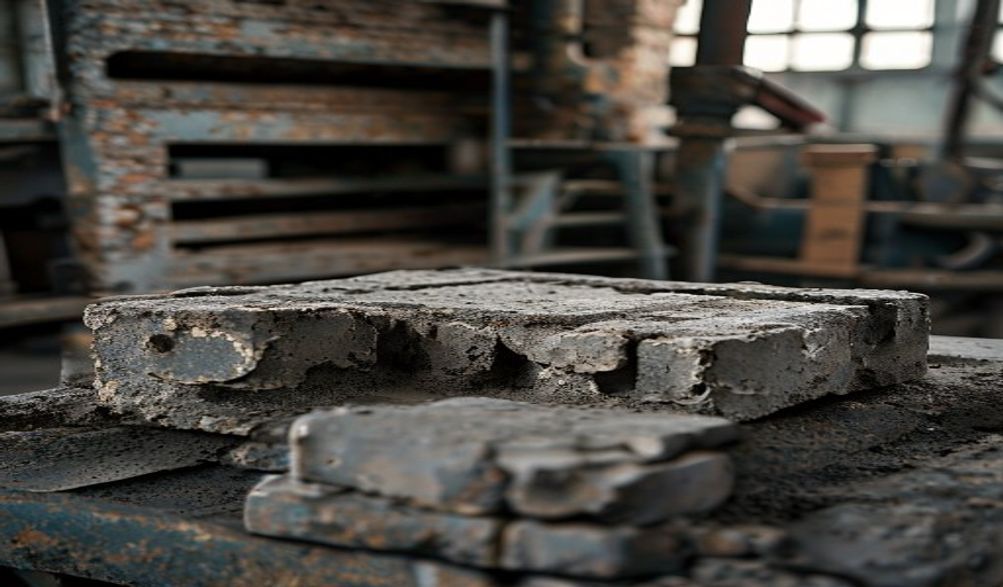
중고 벽돌 제조기 구매 가이드: 전문가의 조언
당신은 중요한 결정의 기점에 서 있습니다. 건설 사업이 성장 중이거나, 저렴한 주택 자재를 생산할 사업을 시작하려 할 수도 있습니다. 수요는 있지만, 새롭고 최고급 장비를 위한 자본은 부족합니다. 중고 벽돌 제조 기계 판매 글이 온라인에 떠오릅니다. 가격은 괜찮아 보이지만, 당신의 마음은 불편합니다. 생산성을 높여줄 숨겨진 보석일까요, 아니면 싼값에 포장된 돈 먹는 하마일까요?
15년 이상 구매자 상담, 장비 유지보수, 심지어 벽돌 제조 기계를 완전히 재조립한 경험을 바탕으로 말씀드리자면, 중고 구매는 이 업계에서 가장 현명한 재정적 선택 중 하나입니다—단, 제대로 알고 있어야 합니다. 위험은 분명 존재하지만, 올바른 지식으로 완전히 관리할 수 있습니다.
이 가이드는 당신의 로드맵이 되고자 설계되었습니다. 일반적인 조언을 넘어, 중고 벽돌 제조 기계를 평가하고 점검하며 최종적으로 적합한 기계를 선택하는 단계별 실용적 프레임워크로 들어갑니다. 우리의 목표는 당신의 구매를 도박에서 건전하고 계산된 투자로 변화시키는 것입니다. 기초를 다지는 것부터 시작합시다: 당신이 정확히 무엇을 필요로 하는지 이해하는 것입니다.
1. 생산 요구 사항 및 기계 유형 이해하기
직무를 정의하지 않으면 올바른 도구를 선택할 수 없습니다. 바로 리스팅 검색으로 넘어가는 것은 가장 흔하고 비용이 많이 드는 실수입니다. 이 초기 계획 단계에서 구매자로서의 전문성이 구축됩니다.
프로젝트 범위 정의: 산출물, 벽돌 유형 및 원자재
다음의 필수 질문에 먼저 답하세요. 여러분의 답변이 즉시 대상 범위를 좁힐 것입니다.
- 목표로 하는 일일 또는 주간 생산량은 얼마인가요?현실적으로 생각하세요. 하루에 2,000블록을 목표로 하는 건가요, 아니면 20,000블록인가요? 이 숫자가 필요한 기계의 크기와 용량을 직접 결정합니다.
- 어떤 종류의 벽돌이나 블록을 생산하실 건가요?건설용 중공 블록? 단단한 벽돌? 포장 슬래브, 맞물림 블록, 아니면 특수 형상? 금형과 압축 시스템은 제품에 따라 특화됩니다.
- 어떤 원자재를 사용할 건가요?이것은 중요합니다. 맞는지 확인해 주세요:
- Concrete (Cement + Aggregate): The most common. Requires a powerful vibration and compression system.
- 클레이: Often requires extrusion or high-pressure molding and sometimes a kiln.
- Fly Ash or Cinder: Lighter materials that may need adjusted machine settings.
The machine must be designed for your material; using the wrong type leads to poor quality and rapid wear.
Common Types of Used Brick Making Machines
The used market is diverse. Here’s a quick overview of what you’ll encounter:
- 고정식 블록 기계 The workhorses of medium to large production. They are fixed in place, have high output, and are often automatic or semi-automatic. Brands like Zenith, Hess, and Besser are common.
- 모바일 벽돌 제작 기계: Smaller, often manual or semi-automatic units that can be moved around a yard. Ideal for on-site production or very small businesses.
- 수동 및 반자동 기계: Require more labor for feeding and removing blocks but have a lower initial cost and simpler mechanics.
- 완전 자동 기계: Feature automated material feeding, molding, curing, and stacking. They offer high output with minimal labor but are more complex and expensive, even used.
Matching the Machine Type to Your Specific Operation
Now, cross-reference your needs with the types:
- 규모 Small startup/side operation? A robust manual or semi-automatic mobile press might suffice. Serious commercial production? A stationary automatic machine is likely necessary.
- 자동화 수준: How much labor can you allocate? Semi-automatic is a great middle ground. Fully automatic requires a higher investment but lower long-term labor cost.
- Space & Power: Do you have a large, solid foundation and three-phase industrial power? A large stationary machine needs both. A mobile machine might run on standard power and be placed on a concrete slab.
2. Key Factors to Inspect in a Used Brick Machine
This is where you put on your inspector’s hat. A visual once-over isn’t enough. You need to examine key systems methodically.
Mechanical Integrity: The Core Components
The soul of the machine is in its mechanics. Wear here is expensive.
- 금형 (다이) This is your profit center. Check for excessive wear on the internal surfaces and corners. Even slight wear can cause blocks to stick or have imperfect dimensions. Ask: Is it the correct mold for my desired block?
- Pallets/Feeder Plates: These carry the fresh blocks. Look for warping, cracks, or extreme thinning. Replacing a full set can be costly.
- 진동 시스템 For concrete machines, this is vital for compaction. Listen for irregular noises. Check the vibration motors and the table for cracks. Weak vibration means weak blocks.
- 유압 시스템: Check for leaks at all hoses, connectors, and the main cylinder. Inspect the hydraulic oil—is it dark, milky, or full of debris? That indicates poor maintenance. Cycle the machine and watch for slow or jerky movements.
- 프레임과 구조 Look for cracks, especially near weld points and high-stress areas. Misalignment in the frame can cause a cascade of other problems.
Electrical & Control Systems
The nervous system. Modern machines are increasingly electronic, which presents both complexity and obsolescence risks.
- Wiring: Look for frayed insulation, cracked conduits, or amateurish splicing. Rodent damage is common in stored equipment.
- PLC Panel & Controls: Open the panel. Is it clean or full of dust? Are the components (PLCs, relays) modern brands (Siemens, Allen-Bradley) or obsolete, proprietary units? Obsolete controls are a red flag for future repairs.
- Motors & Sensors: Check motor nameplates for specs and condition. Ensure limit switches and sensors are clean and securely mounted.
Performance History & Hour Meter Reading
A machine’s past predicts its future.
- Hour Meter: Treat it as a guide, not gospel. It can be replaced or disconnected. A machine with 15,000 hours of single-shift, well-maintained use can be in better shape than one with 5,000 hours of brutal, neglected 24/7 operation.
- Maintenance Logs: This is gold. Request any available records. Regular oil changes, part replacements, and servicing are excellent signs.
- Past Usage Environment: Was it in a clean factory or a dusty, outdoor yard? Environmental abuse accelerates wear.
3. The Essential Pre-Purchase Checklist
This is your actionable plan to avoid disaster. Do not skip steps.
Sourcing & Seller Verification
Where and from whom you buy matters immensely.
- Where to Look: Reputable used machinery dealers, auctions from known manufacturers, and direct sales from factories that are upgrading. Online marketplaces (like MachineryTrader) can be good, but vetting is paramount.
- Vet the Seller: Search for reviews or ask for references from past buyers. A dealer with a physical yard and a service department is generally lower risk than an anonymous online seller.
The Non-Negotiable On-Site or Video Inspection
If you can’t inspect it, you can’t buy it. Period.
- Demand a Live Run: The machine must cycle with material similar to what you’ll use. Don’t accept a dry cycle or an old video.
- Test Cycle Consistency: Run it for 15-20 cycles. Does it produce consistent blocks? Does it jam or falter?
- Measure Brick Dimensions: Use calipers to check the blocks produced. Are they to spec? Variation indicates mold or alignment issues.
- Listen and Feel: Note any unusual knocks, grinding, or excessive vibration.
Critical Documentation to Request
A machine without documentation is a liability.
- Original Operator & Parts Manuals: Essential for setup, troubleshooting, and ordering correct parts.
- Parts Diagrams & Lists: A detailed breakdown of every component with part numbers.
- Maintenance & Repair History: As mentioned, this is critical for assessing care.
- Electrical Schematics: A must for any electrician who will work on it.
- List of Recently Replaced Parts: Shows what has already been addressed.
4. Evaluating Total Cost of Ownership (TCO)
The sticker price is just the entry fee. Smart buyers budget for the full journey.
Beyond the Purchase Price: Hidden Costs
Failing to plan for these can bankrupt your project.
- Missing/Worn Parts: Based on your inspection, budget for immediate replacements: new pallets, mold refurbishment, hydraulic hoses, etc.
- Necessary Repairs: You will find issues. Set aside a contingency.
- Shipping, Rigging, and Installation: This can be thousands of dollars, especially for heavy machinery. Get quotes 이전 buying.
- Electrical/Foundation Upgrades: Does your site need new power lines or a reinforced concrete pad?
Availability of Spare Parts and Technical Support
Can you actually fix it when it breaks?
- Brand/Model Research: Is the manufacturer still in business? Are parts for this model still produced? Search for key components (like a main hydraulic cylinder) online to gauge availability and price.
- 현지 지원 Is there a technician within a reasonable distance who knows this brand? Proprietary or obscure brands can mean waiting weeks for an expert.
Calculating Potential ROI on a Used Machine
Crunch the numbers to justify the decision.
- Simple Framework: (Used Machine Price + Estimated Refurbishment Cost) vs. (New Machine Price).
- 예상 산출량: If the used machine can produce 80% of what a new one can at 40% of the cost, the ROI is compelling. Factor in your expected downtime for repairs.
5. Negotiation and Finalizing the Deal
You’ve done the homework. Now, use it to secure the best possible deal.
How to Negotiate Based on Inspection Findings
Your inspection report is your bargaining power.
- Itemize Issues: Present a clear, professional list of needed repairs and worn components (e.g., “Mold shows 3mm of wear on corners, hydraulic cylinder has minor scoring, 4 feeder pallets are cracked”).
- Propose Solutions: Use this to ask for a direct price reduction or, ideally, a “parts allowance” deducted from the price so you can source the repairs yourself.
Securing Guarantees and Understanding “As-Is” Sales
Manage your expectations.
- “As-Is, Where-Is”: This is the standard for most used equipment. It means once it leaves their site, it’s your problem.
- Push for Limited Guarantees: A reputable dealer may offer a 30-90 day warranty on major components like the main frame or hydraulic power unit. It’s always worth asking.
Safe Payment Methods and Logistics Planning
Protect your money and your new asset.
- Payment: For significant sums, use a secure escrow service. Avoid irreversible wire transfers to unknown parties until the machine is loaded and you have all paperwork.
- Logistics: Plan disassembly (if needed), transport with a reputable heavy haulier, and reassembly at your site. Who will do this, and what does it cost? Factor this into your TCO.
자주 묻는 질문 (FAQ)
Q1: What is the biggest risk when buying a used brick making machine?
A: The single biggest risk is an unforeseen major mechanical failure, such as a cracked main frame or a failed hydraulic pump, shortly after purchase. You mitigate this through a brutally thorough inspection (focusing on Section 2 of this guide) and by automatically budgeting 15-25% of the purchase price for initial reconditioning.
Q2: How many hours of use is “too many” for a used brick machine?
A: There’s no universal hour limit. Maintenance quality trumps hours. A meticulously maintained machine with 10,000 hours can be a far better investment than a neglected, abused machine with only 3,000 hours. Always prioritize documented maintenance history and current condition over the hour meter reading alone.
Q3: Can I get a warranty on a used brick making machine?
A: Typically, machines are sold “as-is, where-is” with no warranty. However, many reputable used equipment dealers will offer a short-term (e.g., 30 to 90-day) limited warranty on major components like the main frame and hydraulic power unit to instill confidence. You must explicitly ask for and get this in writing.
Q4: Is it better to buy from a dealer or a private seller?
A: Dealers generally offer a safer, more supported transaction. They often clean, inspect, and sometimes recondition machines, and may provide limited support. This comes at a higher price. Private sellers (like a factory closing) may offer a lower price but carry significantly more risk, as there is no recourse after the sale. Your choice depends on your own technical confidence and risk tolerance.
Q5: How much should I budget for repairs and reconditioning after purchase?
A: As a rule of thumb, you should reserve 15% to 25% of the purchase price for immediate parts, repairs, and recommissioning. This covers the inevitable worn items you’ll discover and ensures the machine is in reliable working order for production. If your inspection was very thorough, you can refine this number, but never budget zero.
결론
Choosing the right used brick making machine isn’t about luck; it’s a process of diligent preparation. Success lies in clearly defining your production needs, conducting a meticulous, multi-system inspection, and planning for the true total cost of ownership—not just the purchase price.
You are now equipped with a proven, expert framework to navigate the used machinery market with confidence. You can ask the right questions, spot the warning signs, and negotiate from a position of knowledge.
At its core, this industry thrives on practical know-how and careful investment. We’ve built our expertise on these very principles. If you have a specific machine listing you’d like a second opinion on, or need help interpreting an inspection report, our team of experienced technicians is here to help.
Ready to take the next step? Download our comprehensive, printable Used Brick Machine Inspection Checklist to bring with you on every site visit. Got a specific question about your search? Leave a comment below—let’s discuss.
<