
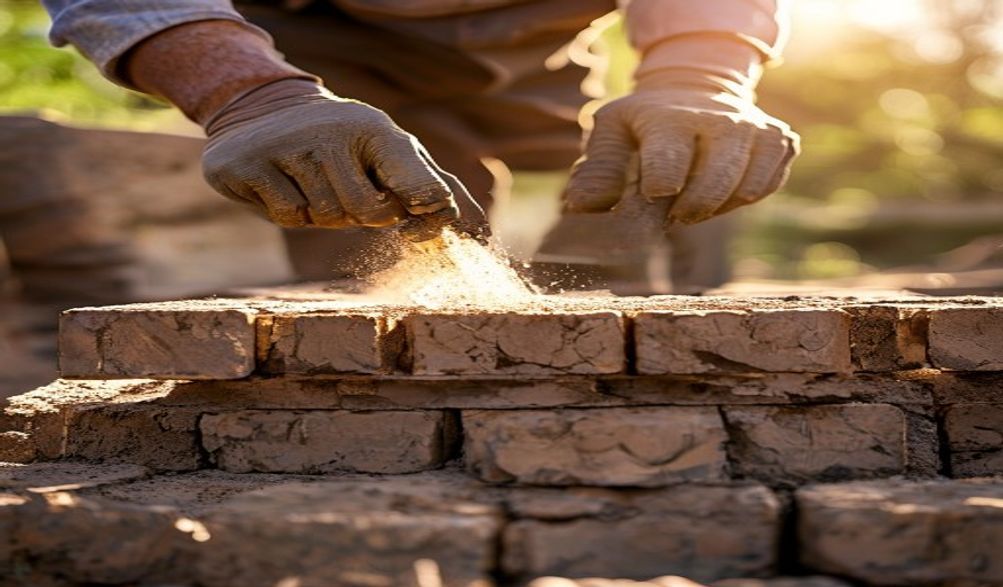
인터로킹 수동 벽돌 성형기 선택 방법: 구매자를 위한 전문가 가이드
소개
자신이 직접 만든 벽돌로 집, 커뮤니티 센터, 또는 번성하는 사업체를 짓는 것을 상상해 보세요. 이는 환상이 아닙니다. 전 세계적으로 저렴하고 지속 가능하며 튼튼한 건축 자재에 대한 수요에 힘입어 건설 분야에서 조용한 혁명이 일어나고 있습니다. 이 운동의 중심에는 소박하면서도 강력한 맞물림 벽돌이 있습니다.
하지만 여기에 문제가 있습니다: 수동 맞춤 벽돌 기계를 온라인으로 빠르게 검색해 보면 어지러울 정도로 다양한 옵션이 나타납니다. 상충되는 주장, 모호한 기술 사양, 그리고 천차만별인 가격표는 가장 결의가 확고한 구매자조차도 길을 잃게 만듭니다. 진정한 품질과 마케팅 과장을 어떻게 구분할 수 있을까요?
이것이 전문성이 중요한 이유입니다. 이 가이드는 실무 경험, 엔지니어링 원칙, 그리고 이러한 기계가 작동하고 오래 지속되게 하는 요소에 대한 깊은 이해를 바탕으로 제작되었습니다. 이 가이드를 잡음(불필요한 정보)을 걸러내는 권위 있는 원스톱 자료로 활용하십시오.
이 가이드를 마치면, 명확하고 실행 가능한 프레임워크를 갖게 될 것입니다. 단순히 이해하는 것을 넘어서,뭐찾고 있지만왜반드시 필요합니다. 귀하의 특정 프로젝트에 완벽한 수동 인터로킹 벽돌 제조기를 완벽한 확신을 가지고 선택할 수 있게 될 것입니다.
인터로킹 브릭과 수동 기계의 이해
기계를 평가하기 전에, 그 기계가 만드는 제품과 작동 원리를 이해하는 것이 필수적입니다.
인터로킹 브릭이란 무엇이며 왜 사용할까요?
인터로킹 벽돌(Interlocking Bricks) 또는 압축 안정화 흙 블록(CSEB, Compressed Stabilized Earth Blocks)이라고 불리는 이 제품은 정밀하게 설계된 건축 자재입니다. 주요 특징은 홈과 돌출부 시스템으로, 퍼즐 조각처럼 수직 및 수평으로 서로 맞물려 고정될 수 있다는 점입니다.
기존 벽돌과 달리, 이들은건식 쌓기즉, 이음새에 모르타르가 거의 필요 없거나 전혀 필요하지 않다는 뜻입니다. 이 간단한 개념은 여러 가지 중요한 이점을 제공합니다:
- 비용 절감:모르타르와 숙련된 미장공의 비용이 크게 줄거나 없어집니다. 벽돌을 현지 토양으로 현장에서 제조할 수 있는 경우가 많아 운송 비용이 급감합니다.
- 건설 속도건식 쌓기는 전통적인 벽돌 쌓기보다 훨씬 빠르며, 프로젝트 일정을 단축시킵니다.
- 뛰어난 단열 성능 The dense earth composition provides excellent thermal mass, keeping interiors cool in summer and warm in winter.
- Seismic Resistance: The interlocking design creates a monolithic wall structure that can flex and dissipate energy, offering better performance in earthquakes than rigid, mortared walls.
- Environmental Friendliness: They utilize subsoil (not fertile topsoil), minimize cement use, and eliminate the high-energy firing process of kiln bricks.
How a Manual Interlocking Brick Machine Works
The genius of these machines lies in their elegant simplicity. A manual machine is essentially a high-leverage mechanical press.
- 준비 A prepared soil mix (damp, not wet) is placed into a removable mold box on the machine.
- 압축 The operator uses a long lever or a hydraulic jack system to apply immense pressure—typically several tons—to a piston inside the mold.
- 이젝션 The compressed, solid brick is then ejected from the mold, holding its shape perfectly due to the mechanical interlocking of soil particles.
This manual operation defines its core advantages:
* Ultra-Low Cost: No electricity, diesel, or complex engines required.
* 휴대성: Can be easily moved around a job site.
* 사용 편의성: Minimal technical knowledge is needed for operation.
* 낮은 유지 관리: Fewer moving parts mean less that can go wrong.
7 Critical Factors to Consider Before You Buy
This is the core of your decision. Overlooking any one of these factors can lead to frustration, wasted money, and project failure.
1. Assess Your Production Capacity Needs
This is your starting point. Be brutally realistic.
- Calculate Your Project: Are you building a garden shed, a single-family home, or starting a small commercial block yard? Estimate your total brick count.
- Understand Machine Metrics: Suppliers will list “bricks per hour/day.” View these as optimal, theoretical maximums. A machine rated for 500 bricks per day might assume two operators working non-stop in perfect conditions.
- Balance is Key: A larger, faster machine often requires more physical effort. For a solo builder, a smaller, more ergonomic machine producing 200 quality bricks per day is better than a bulky machine you can’t operate efficiently. Consider your labor force and stamina.
2. Brick Size, Shape, and Design Compatibility
The brick design dictates your final structure.
- Standard vs. Custom Molds: Most suppliers offer standard rectangular blocks. If you need a special shape (curved, angled), verify the cost and lead time for a custom mold.
- Interlocking Pattern is Crucial: Examine the brick’s lugs and grooves. A good design ensures shear strength (resistance to sliding) and easy alignment. Poorly designed patterns make stacking frustrating and compromise wall integrity.
- Wall Thickness: The brick dimensions directly determine your wall thickness. Common sizes are similar to standard concrete blocks (e.g., 225mm x 110mm x 75mm). Ensure the size fits your architectural plans and local building codes.
3. Machine Build Quality and Durability
This is where cheap machines fail and quality machines earn their price.
- Materials Matter (Expert Insight):
- 프레임 Seek a machine fabricated from high-grade, reinforced steel plate (at least 5-8mm thick). Avoid thin, sheet-metal frames or brittle cast iron components, which can crack under repeated stress.
- 부식 저항성: Look for quality paint or, better yet, powder coating. This is critical for longevity, especially in humid climates.
- 시공 품질 Examine welds in product photos—they should be clean, continuous, and robust. Sloppy welds are a major red flag for future structural failure.
- 압축 메커니즘: The heart of the machine. The piston, lever arm pivot points, and bearings must be made of hardened steel. A wobbly or bending lever is a sign of inadequate engineering.
4. Pressure Force and Brick Compressive Strength
This is the most important technical specification. Pressure translates directly to brick strength.
- The Correlation: The machine’s applied pressure (measured in tons or kiloNewtons – kN) determines the brick’s final 압축 강도 (measured in Megapascals – MPa or PSI).
- Industry Benchmarks:
- Non-Load Bearing (e.g., garden walls): 2-4 MPa (~300-600 PSI).
- Load-Bearing Residential: 5-7+ MPa (~700-1000+ PSI).
- A quality manual machine should apply 15-30 tons of pressure to achieve these strengths with the right soil mix.
- Major Red Flag: Suppliers who are vague (“high pressure”) or make outrageous claims (“50 MPa!”) without providing test certificates are likely dishonest. Ask for verified lab test results for bricks produced by their machine.
5. Soil Compatibility and Mix Preparation
The machine can only work with what you feed it. This is often the steepest learning curve.
- Experience-Based Soil Advice: Not all dirt is suitable. The ideal mix is roughly:
- ~70-75% Sand and Gravel: Provides the skeletal structure.
- ~15-20% Silt: Fills voids.
- ~10-15% Clay: Acts as the natural binder.
- 안정화: Adding a small percentage (5-10%) of Portland cement or lime is standard practice. This “stabilization” dramatically increases durability, water resistance, and strength. Some machines designed for “pure earth” blocks exist but may have stricter soil requirements.
- Mix Consistency: The mix must be damp enough to bind, but dry enough to eject from the mold without deformation—often described as “the consistency of wet sand.” Some machines are more forgiving than others.
6. Ease of Operation and Maintenance
A machine that is difficult to use will slow your project and exhaust your workers.
- Ergonomics: Consider the machine’s weight and the force required to pull the lever. Does it require one person or two? Is the working height comfortable?
- Maintenance Schedule: A good machine needs simple care. Ask about:
- 윤활 지점 Where and how often to grease bearings and pivots.
- 착용 부품: What parts (e.g., mold liners, seals) will need eventual replacement.
- Documentation & Parts: A clear, illustrated manual is invaluable. Even more critical: Are common spare parts readily available for purchase?
7. Supplier Reputation and After-Sales Support
Your relationship with the supplier is a long-term investment.
- Vetting for Trustworthiness:
- History: How long have they been in business?
- Portfolio: Can they show photos/videos of real projects using their machines?
- Reviews: Seek independent customer testimonials or case studies.
- Crucial Questions to Ask:
- “Do you offer technical support via phone or WhatsApp?”
- “Can I purchase additional or different molds later?”
- “What is the warranty period and what does it cover?”
- “What is the lead time and cost for spare parts?”
Step-by-Step Selection Process
Follow this actionable checklist to organize your search.
- Step 1: Define Your Project Scope & Budget. Write down your total brick count, desired brick strength, and a realistic budget that includes potential shipping and import duties.
- Step 2: Research and Shortlist 3-5 Reputable Suppliers. Use the criteria above. Focus on suppliers who provide detailed information, not just sales pitches.
- Step 3: Request Detailed Specifications and Customer References. Contact them directly. Ask for a spec sheet and if they can connect you with a past customer in a similar climate or project.
- Step 4: Compare Key Metrics (Pressure, Output, Warranty, Price). Create a simple comparison table. Don’t just compare price; compare value based on build quality, pressure, and support.
- Step 5: Make an Informed Decision. Choose the supplier that offers the best combination of a robust machine, clear specifications, and reliable support—not just the lowest price.
Common Pitfalls to Avoid (Red Flags)
Steer clear of these warning signs.
- 비현실적으로 낮은 가격: In machinery, you almost always get what you pay for. A price that seems too good to be true invariably indicates inferior materials and poor workmanship that will fail prematurely.
- Vague or Exaggerated Technical Specifications: Claims like “Makes 1000 bricks per hour with one person” are physically implausible for a manual machine. Demand precise, verifiable data.
- Suppliers with No Physical Address or Poor Communication: If they are evasive before the sale, imagine trying to get help after your payment clears. Professional suppliers are proud of their business and responsive.
- Lack of Available Spare Parts: A machine is a long-term asset. If you can’t replace a simple seal or wear plate, the entire machine becomes scrap metal when that part fails.
자주 묻는 질문 (FAQ)
Q1: How many bricks can I make in a day with a manual machine?
A: For a small team of 2-3 people working efficiently, a realistic output is between 200 and 500 bricks per 8-hour day. This depends heavily on the machine model, your soil preparation workflow, and operator stamina.
Q2: Do I need to add cement to the soil mix?
A: For durable, weather-resistant bricks suitable for permanent structures, yes, adding 5-10% cement is strongly recommended. While some “pure earth” machines exist, cement stabilization is the proven global standard for strength and longevity.
Q3: Can I make different brick designs with one machine?
A: Yes, provided you purchase 교환 가능한 몰드 from the original supplier. Before buying, confirm that the machine frame is designed to allow for easy mold swapping and that additional molds are available for sale.
Q4: What is the typical lifespan of a well-made manual machine?
A: A machine constructed from quality steel, with proper maintenance and occasional replacement of wear parts (like mold liners), can last for decades and produce hundreds of thousands of bricks. It is a true long-term investment.
Q5: Where can I get training on using the machine and soil mix design?
A: Reputable suppliers often provide detailed printed or video manuals. Many also offer direct technical support. Additionally, search for online video tutorials from the manufacturer or independent builders. For hands-on learning, investigate local sustainable building workshops or NGOs.
결론
Choosing the right interlocking manual brick making machine is a journey from understanding the “why” behind the technology to meticulously evaluating the “how” of its construction and support. It’s a decision that balances your specific project needs, the machine’s proven technical capability, and the trustworthiness of the supplier behind it.
Remember, this machine is more than a tool; it’s an investment in your project’s success, durability, and cost-effectiveness. Prioritizing quality and support over the lowest upfront cost will pay dividends for years to come.
Use this guide as your definitive checklist. Return to the 7 Critical Factors as you evaluate each option. You are now equipped to make a choice with confidence and clarity.
Ready to take the next step? Begin by defining your project needs and researching suppliers who value transparency and quality as much as you do. Your building journey awaits.
<