
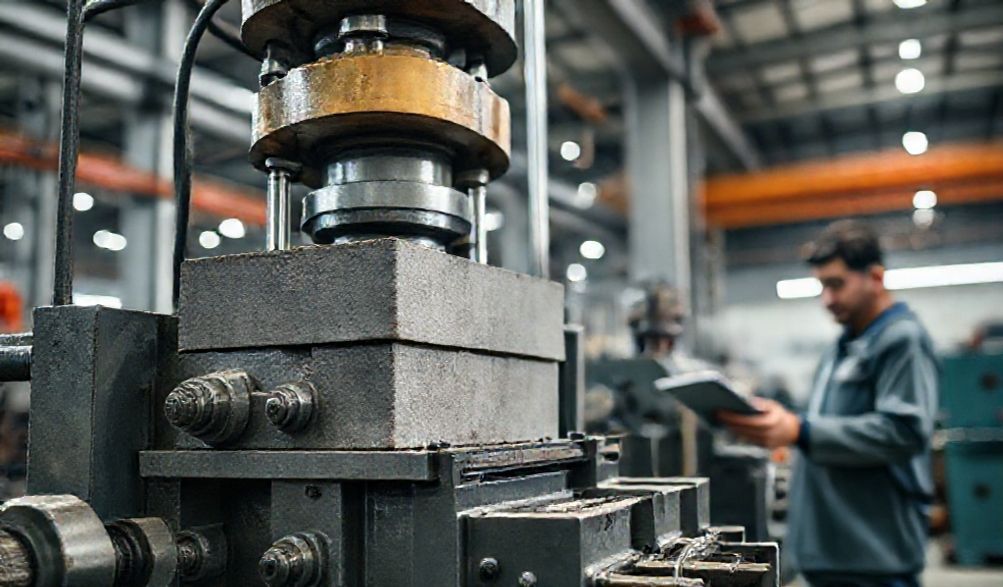
2026년 중국 블록 벽돌 제작 기계 정확한 견적 받는 방법
중국에서 블록 벽돌 제조 기계 견적을 요청하는 것은 미로를 헤쳐 나가는 것 같은 느낌을 줄 수 있습니다. 올바른 접근 방식 없이는 크게 다른 가격을 받거나 숨겨진 비용을 놓칠 수 있으며, 더 나쁜 경우 신뢰할 수 없는 공급업체와 연결될 수 있습니다. 이러한 불확실성은 단 하나의 벽돌도 만들어지기 전에 프로젝트 예산과 일정을 차질로 이끌 수 있습니다.
10년 이상 중국에서 중장비 건설 기계를 조달한 경험을 바탕으로, 저희 팀은 스타트업부터 대형 계약자에 이르기까지 수백 개의 기업이 복잡한 과정을 헤쳐나갈 수 있도록 도왔습니다. 우리는 성공적인 구매의 핵심이 단순히 가장 낮은 가격을 찾는 것이 아니라, 정확하고 투명하며 신뢰할 수 있는 거래를 확보하는 것임을 깨달았습니다.중국 블록 벽돌 제조 기계 견적.
이 확실한 가이드는 전체 과정을 명확히 알려드릴 것입니다. 우리는 장비 환경을 안내하고, 비용에 영향을 미치는 실제 요소들을 분석하며, 단계별 실행 가능한 체크리스트를 제공할 것입니다. 마지막에는 여러분의 프로젝트 진정한 필요와 예산에 맞는 견적을 어떻게 요청하고, 분석하며, 실행에 옮기는지 정확히 알게 될 것입니다.
기계 이해하기: 중국의 블록 제작 기계 종류
단일 견적을 요청하기 전에, 무엇을 구매하는지 이해해야 합니다. "블록 제조 기계"라는 용어는 매우 다양한 성능과 가격대를 가진 광범위한 장비를 포괄합니다. 유형을 명시하지 않고 견적을 요청하는 것은 혼란스럽고 비교할 수 없는 응답을 받는 가장 빠른 방법입니다.
완전 자동 블록 제작 기계
이들은 최소한의 수작업 개입으로 대량의 연속 생산을 위해 설계된 산업의 핵심 동력입니다.
- 설명:이들은 일반적으로 자동 배합, 혼합, 운반, 압착, 경화 및 적재/팔레타이징을 포함한 완전 자동화 생산 라인을 갖추고 있습니다. 고급 PLC 시스템으로 제어되어 일관된 품질과 높은 효율성을 제공합니다.
- 출력 및 이상적인 사용8시간 교대 근무당 10,000개에서 30,000개 이상의 블록을 생산할 수 있습니다. 이는 생산량과 일관성이 중요한 대규모 상업용 블록 야드, 수출 중심 기업 및 주요 인프라 프로젝트에 이상적인 선택입니다.
- 주요 브랜드/모델:이 분야에서 신뢰할 수 있는 중국 제조사로는홍파, 광궁그리고Wangda. Models are often series-based, like the QT 시리즈 for stationary plants.
반자동 블록 제작 기계
This category offers a balance between automation and affordability, making it the most popular choice for medium-scale operations.
- 설명: While the core pressing and vibration are mechanized, tasks like feeding raw material and removing finished blocks are manual. They are simpler in design, easier to maintain, and require a smaller initial investment.
- 출력 및 이상적인 사용 Production ranges from 2,000 to 8,000 blocks per day. Perfect for growing businesses, regional suppliers, and specialized projects that don’t justify the cost of a fully automatic line.
Mobile/Egg Laying Block Making Machines
Named for their ability to produce and deposit blocks directly on the ground, these machines prioritize flexibility over sheer output.
- 설명: They are compact, often diesel or electric-powered, and can be towed to different job sites. There is no need for a permanent pallet or curing system.
- Advantages & Output: The primary advantage is on-site production, eliminating transport costs for finished blocks. Output is lower, typically 1,000 to 3,000 blocks per day, making them suitable for remote construction, small housing projects, and farm use.
Specialized Machines for Hollow Blocks, Pavers, Interlocking Bricks
The end product you wish to manufacture is the most critical determinant of the machine type.
- 홀로우 블록 기계: Designed with specific mold and pressure systems to create the cavities within hollow blocks. They require higher vibration frequency and pressure.
- 포장기 및 인터로킹 블록 기계: These machines focus on producing dense, high-precision products with aesthetic finishes. They often use stronger hydraulic systems and specialized mold designs for intricate patterns.
- 주요 포인트: A machine optimized for solid blocks may not efficiently produce high-quality hollow blocks or pavers. Always specify your desired end product first.
Key Factors That Influence Your Machine Quote
A quote is more than just a price tag; it’s a reflection of dozens of variables. Understanding these factors allows you to compare “apples to apples” and identify where a supplier might be cutting corners to offer a lower price.
Core Machine Specifications & Configuration
These are the primary levers that control cost.
- 생산 능력 Measured in blocks per hour or cycle. A 5,000 blocks/day machine will cost significantly less than a 20,000 blocks/day machine from the same supplier.
- 금형 유형 및 맞춤화 Standard molds for common block sizes are included. Custom molds for unique shapes, sizes, or textures add cost (both for design and hardened steel material).
- 자동화 수준: A basic PLC adds cost over manual controls. The quality and power of the vibration motor (e.g., 7.5kW vs. 11kW) and hydraulic system (brand, pump type, valve precision) are major price drivers.
Material & Build Quality
This is where long-term reliability is determined, and quotes can vary widely.
- Steel Framework: The grade and thickness of the steel used for the machine’s frame and pressing head matter. Q345 structural steel is stronger and more wear-resistant than common Q235, but also more expensive.
- 핵심 구성 요소: The brand of hydraulic pumps, seals, PLCs, and electrical components is crucial. Machines using reputable international brands (e.g., 지멘스 PLCs, Schneider electrics, Rexroth hydraulics) will be quoted higher than those using generic or local Chinese brands. This directly impacts longevity and maintenance costs.
Supplier Profile & Manufacturing Capability
- Manufacturer vs. Trading Company: Buying directly from a factory often yields better prices and more accurate technical support. A trading company adds a margin but may offer convenience and language support. Always ask, “Are you the factory?”
- Factory Scale & Credentials: A large manufacturer with in-house R&D, CNC machining centers, and strict QC processes (like ISO 9001 certification) will have higher overheads, reflected in their quote. This investment usually translates to a more reliable product and better after-sales service.
The Step-by-Step Guide to Requesting a Quote (The Right Way)
Follow this proven process to ensure you receive clear, competitive, and comparable quotes.
Step 1: Define Your Project Requirements Clearly
Create a formal Request for Quotation (RFQ) document. This forces clarity and serves as a benchmark for all suppliers. Include:
- Project Scope: Desired annual/monthly production volume.
- Product Specifications: Detailed list of block types, sizes, and desired compressive strength.
- Machine Specifications: Preferred type (automatic/semi-auto), power source (electric/diesel), available factory space.
- Budget Range: A realistic range helps serious suppliers tailor their proposals.
- Target Timeline: For delivery and installation.
Step 2: Research and Shortlist Reputable Chinese Suppliers
- Where to Look: Use B2B platforms (Made-in-China, Alibaba.com), search for suppliers who attend major industry exhibitions like the China International Building Materials Fair, and seek professional referrals.
- Vetting Signals:
- Green Flags: Detailed product catalogs with videos, clear company history, in-house R&D team profiles, client testimonials with contact information, valid certifications.
- Red Flags: Stock photos only, vague contact details, pressure for immediate payment, quotes that seem too good to be true, inability to answer specific technical questions.
Step 3: Communicate Effectively for Maximum Clarity
- Overcome Language Barriers: Use clear, simple English. Supplement with diagrams, photos, or even short videos of your requirements. Tools like WeChat are invaluable for real-time communication.
- Essential Questions to Ask Every Supplier:
- “Is this price FOB또는CIF?” (We’ll explain this below).
- “Can you provide a detailed breakdown of this price?”
- “What is included in this price? (e.g., standard molds, spare parts kit, tools)”
- “What is your 결제 조건 structure?”
- “Can you provide the technical data sheet그리고electrical diagrams?”
Step 4: Analyze and Compare Quotes (Apples to Apples)
Create a spreadsheet to compare shortlisted quotes. Columns should include:
- Supplier Name & Contact
- Total Landed Cost Estimate (Machine + Shipping + Insurance + Import Duties)
- Detailed Machine Specifications (Model, Capacity, Motor Power, Component Brands)
- Warranty Period & Terms
- Payment Terms (Deposit %, Balance payment trigger)
- Delivery Time (Production + Shipping)
- Notes on Communication & Professionalism
Beyond the Sticker Price: Hidden Costs & Logistics
The machine’s ex-factory price is just the beginning. A comprehensive budget must account for the journey to your doorstep.
Shipping, Insurance, and Import Duties (CIF vs. FOB Explained)
- FOB (본선 인도 조건): The quoted price includes delivery to the Chinese port and loading onto the ship. You are responsible for and must budget for the main sea freight, insurance, and all destination port charges and import duties.
- 비용, 보험 및 운임 포함(CIF): The quoted price includes the machine, insurance, and freight to a port in your country. You are responsible for destination port charges (unloading, customs fees) and import duties.
- Logistics Costs: For a standard 20ft or 40ft container of machinery, sea freight can range from $2,500 to $6,000+, depending on the route. Always factor in port handling and customs clearance fees in your country.
Installation, Commissioning, and After-Sales Support
- 기술 지원 Will the supplier send an engineer for installation? This typically costs $100-$200 per day plus flights and accommodation for 1-2 weeks. Remote video guidance is a cheaper but less effective alternative.
- 예비 부품: Verify the cost and lead time for a recommended starter kit of spare parts (seals, springs, etc.). This is a critical operational cost.
Compliance and Certification Costs
- CE Certification: If required for your market, ensure the machine has a valid CE mark. If not, factor in the cost and time for the supplier or a third party to certify it.
- Local Electrical Compliance: The machine’s electrical system may need modification to meet your country’s standards (e.g., changing voltage, plugs, or safety switches).
Ensuring a Trustworthy Transaction: Verification & Due Diligence
Protect your investment with these final, crucial steps.
Verifying Supplier Credentials
- Business License: Ask for a copy and verify its authenticity.
- Factory Audit Report: Consider commissioning a virtual or in-person factory audit from a third-party service. This confirms their manufacturing capability.
- Client References: Ask for contact information for 2-3 international clients who have purchased similar equipment. Follow up with them.
The Role of Third-Party Inspection Services
회사들 같은SGS, Bureau Veritas(BV), TÜV can conduct a pre-shipment inspection. An inspector visits the factory to verify the machine is built to spec, functions correctly, and is properly packed. This is highly recommended for first-time buyers or orders over $50,000.
Secure Payment Terms for Buyers
- Avoid Large T/T Deposits: Be wary of requests for 50% or more upfront via wire transfer.
- Recommended Terms: 30% deposit, 70% balance against copy of shipping documents. This balances risk for both parties.
- Use Secure Platforms: If using Alibaba, leverage Trade Assurance. For larger orders, a Letter of Credit (L/C) through your bank provides maximum security, though it adds complexity and cost.
Frequently Asked Questions (FAQ) About China Block Machine Quotes
Q1: What is the typical price range for a block making machine from China?
A: There is no single answer, as it depends entirely on the type and specifications. As a very general guide in 2026: Semi-automatic machines can range from $15,000 to $50,000+. Fully automatic production lines typically start around $50,000 and can exceed $200,000 for large, high-end configurations. Mobile machines may range from $8,000 to $25,000.
Q2: How long does it take to receive a machine after placing an order?
A: Plan for a 3 to 4 month total timeline. This includes manufacturing/production time (30-60 days), sea shipping (30-45 days), and customs clearance in your destination country (variable, often 1-3 weeks).
Q3: Can I get a custom mold for a unique block design?
A: Yes, most reputable manufacturers offer custom mold design and manufacturing services. This will increase the initial quote and add 2-4 weeks to the production lead time. Provide detailed drawings or a sample block for the best results.
Q4: Is it safe to pay a deposit to a Chinese supplier?
A: Paying a deposit is standard industry practice. The key is making it safe through due diligence. Always verify the supplier first, then use secure payment methods. We recommend starting with a 30% deposit via a platform with buyer protection (like Alibaba Trade Assurance) or against a proforma invoice from a verified company, with the balance paid after you receive proof the machine is completed and ready to ship.
결론
Securing an accurate and reliable quote for a China block bricks making machine is a systematic process, not a gamble. It begins with a deep understanding of your own project needs and the machinery landscape, and culminates in rigorous supplier vetting and cost analysis. By defining clear specifications, asking the right questions, and budgeting for the total landed cost—including logistics, compliance, and after-sales support—you transform from a passive price collector into an informed, confident buyer.
The insights in this guide are distilled from years of navigating this precise journey for our clients. The goal is to empower you with the same expertise. Use the RFQ template and comparison checklist outlined here as your roadmap. With this approach, you can move forward knowing that the quotes you receive will be transparent, competitive, and a solid foundation for a successful partnership and a profitable block-making operation.
Ready to take the next step? Begin by drafting your detailed project requirements using the framework in Step 1. This single document will be your most powerful tool for sourcing the right machine at the right price.
<