
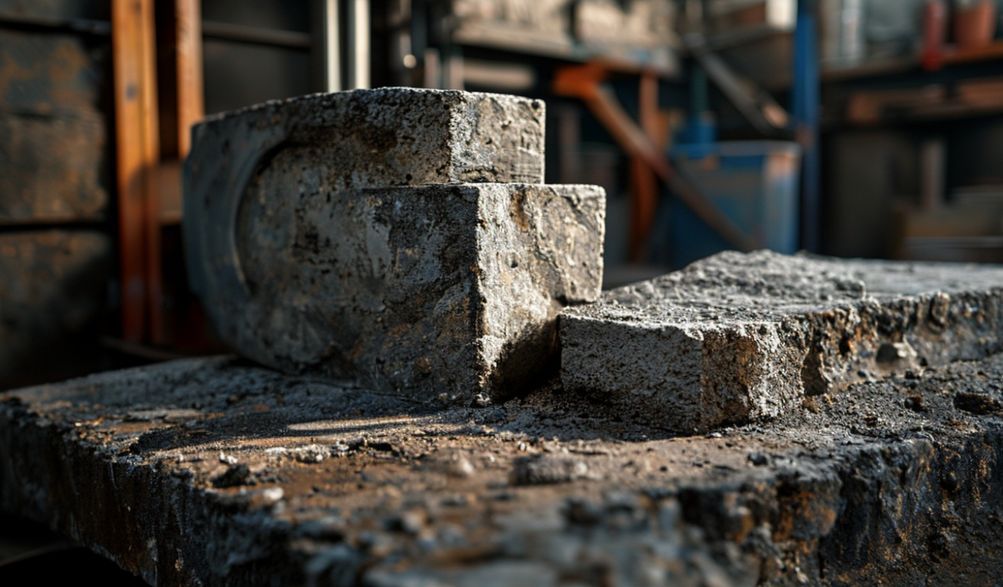
블록 기계 만드는 법: 단계별 DIY 가이드
소개
상상해 보세요, 직접 만든 콘크리트 블록으로 정원 벽을 쌓거나, 작은 작업장을 짓고, 심지어 소규모 사업을 시작하는 것을. 이 매력은 단순히 경제적 이익에만 있는 것이 아닙니다—비용 절감이 상당함에도 불구하고—손수 제작한 기계로 기본적인 건축 자재를 만들어내는 데서 오는 깊은 만족감이 핵심입니다. 이 가이드는 그 과정을 쉽게 이해할 수 있도록 안내합니다.
15년 이상의 실습 경험을 가진 기계공학자 겸 작업장 강사로서, 저는 다양한 소규모 제조 설비를 구축, 테스트, 운영해왔습니다. 이 가이드는 그 경험을 바탕으로 DIY 정신과 기계공학 원칙을 융합한 것입니다. 여기서 안전과 정밀성은 단순한 각주가 아니라 성공적인 제작의 기반입니다.
"블록 제작 기계 만드는 법"을 검색하셨다면, 제대로 찾아오셨습니다. 우리는 이론에서 실전으로 나아가, 블록 제작의 핵심 원리, 필요한 도구, 그리고 튼튼한 수동 레버식 기계의 상세한 단계별 조립 가이드를 다룰 것입니다. 또한 작동법, 문제 해결, 그리고 유지 보수까지 다루어 여러분의 프로젝트가 오래도록 성공할 수 있도록 하겠습니다.
시작하기 전에 중요한 안전 경고:이 프로젝트는 용접, 연마 작업과 중량 재료 및 기계를 다루는 작업을 포함합니다. 사전에 작업장 경험이 있고 공구 안전에 대한 확실한 이해를 가진 분들을 대상으로 합니다. 항상 안전 고글, 용접 마스크, 중장갑을 포함한 적절한 개인 보호 장비(PPE)를 착용하십시오.
배울 내용은 다음과 같습니다.
블록 머신의 공학적 원리
* How to choose the right type of DIY machine for your goals.
* A complete tools and materials checklist.
* A detailed, step-by-step assembly guide.
* How to operate your machine and perfect your concrete mix.
* Essential safety, troubleshooting, and maintenance tips.
Let’s start with the foundational knowledge you need before firing up the welder.
Understanding Block Machines Before You Build
Jumping straight into fabrication without understanding the “why” behind the design is a common mistake. Knowing how a block machine works will inform every decision you make, from material selection to lever length, ensuring your final build is effective and efficient.
How Block Machines Work: The Core Principle
At its heart, a block machine is a device that compacts a semi-dry concrete mix into a precise, dense shape. The two key forces at play are 진동그리고압력.
- 진동 This is the first stage of compaction. A rapidly vibrating table or mold causes the concrete particles to settle closely together, eliminating large air pockets. This is often achieved with an electric motor fitted with an off-center weight (an eccentric).
- 압박 Following or simultaneous with vibration, a plate or piston applies direct, high pressure to the mix. This further consolidates the material, giving the block its final density and strength. In DIY machines, this pressure is typically generated via a manual lever or a hydraulic jack.
The mold defines the block’s shape. By inserting “core forms” into the mold box, you create the hollow cavities found in standard concrete masonry units (CMUs). Solid blocks for paving or landscaping simply use a mold without these cores.
Types of DIY Block Machines: Choosing Your Project
Not all DIY block machines are created equal. Your choice depends on your budget, skill level, and desired output.
-
Manual Lever Machines:
- How it works: The operator fills the mold, then pulls a long lever arm to drive a compression plate down into the mix. Vibration can be added via a separate motor.
- 장점: Simple design, lowest cost, minimal components, no hydraulic system to maintain.
- 단점: Physically demanding, lower and slower output, block density relies heavily on operator strength.
- 최적 대상: Hobbyists, small personal projects, and those wanting a first foray into fabrication.
-
유압 프레스 기계:
- How it works: A hydraulic jack (manual or powered) provides the compaction force, often combined with a vibrating table. This offers consistent, high pressure regardless of the operator.
- 장점: Higher, more consistent block density and strength. Less operator fatigue, potentially faster cycle times.
- 단점: More complex design, higher cost (hydraulic cylinder, pump, hoses), requires knowledge of hydraulic systems.
- 최적 대상: Higher-volume production, small business start-ups, or those seeking commercial-grade block quality.
For this guide, we will focus on building a manual lever machine with an optional vibration motor. It offers the best balance of simplicity, educational value, and practical results for a skilled DIYer.
Essential Tools and Materials for Your DIY Block Machine
Transparency is key to a trustworthy DIY guide. Here is the complete list of what you’ll need to gather before starting assembly. Sourcing quality materials, especially for the frame and mold, is critical for durability.
Required Tools List
You will need access to a well-equipped metalworking workshop. If you don’t own these tools, consider a local makerspace or a collaborative workshop.
- Angle Grinder: With cutting and grinding discs.
- Welder: A MIG welder is ideal for its ease of use on mild steel; an ARC (stick) welder is also sufficient.
- Drill Press or Heavy-Duty Drill: For drilling precise pivot and bolt holes.
- Measuring & Layout Tools: Tape measure, metal square, marker, center punch.
- Clamps: Multiple C-clamps or locking pliers to hold components during welding.
- Basic Hand Tools: Wrenches, hammer, file.
- Safety Gear (Non-Negotiable):
- Welding helmet with auto-darkening filter.
- Safety glasses or goggles.
- Heavy-duty welding gloves.
- Hearing protection (for grinding).
- Sturdy boots and protective clothing.
Materials and Components Checklist
Frame (The Machine’s Backbone):
* Heavy-duty steel square tubing: 2″ x 2″ x 1/8″ wall thickness. You’ll need approximately 20-25 feet.
* Alternative: Robust steel angle iron (e.g., 2″ x 2″ x 1/4″).
Mold Box (The Heart of the Machine):
* Steel Plate: 1/4″ thick for the sides and base of the mold. Size depends on your desired block (e.g., a standard 8″x8″x16″ block).
* Core Forms (for hollow blocks): Smaller square tubing (e.g., 1.5″ x 1.5″) or solid steel bar.
Lever and Compression Mechanism:
* Lever Arm: A length of 1.5″ or 2″ solid steel round bar or heavy-wall pipe (approx. 5-6 feet long).
* Pivot Rod: 1″ diameter solid steel round bar, about 12 inches long.
* Bearings: Two pillow block bearings to fit the 1″ pivot rod.
* Compression Plate/Piston: 3/8″ steel plate, cut to fit precisely inside the mold box dimensions.
Vibration System (Highly Recommended):
* Electric Motor: A 0.25 to 0.5 HP, 1725+ RPM single-phase motor.
* Eccentric Weight: A small steel wheel or fabricated weight that can be attached off-center to the motor shaft.
* Electrical Components: On/off switch, power cord, junction box.
Fasteners & Sundries:
* Bolts, nuts, and washers (various sizes, grade 5 or higher).
* Heavy-duty hinges (for attaching the mold box).
* Rust-resistant primer and paint.
* Mold release agent (commercial or used motor oil).
Step-by-Step Assembly: Building a Manual Lever Block Machine
This is where theory meets practice. Follow these steps methodically, prioritizing safety and precision at every stage.
Step 1: Designing and Cutting the Frame
The frame must be rigid to withstand repeated lever force without flexing.
- 디자인 Sketch a simple rectangular base, approximately 24″ wide by 36″ long. Two vertical supports, about 30″ tall, will rise from the back of the base to support the pivot point for the lever.
- 자해 Using your angle grinder with a cutting disc, cut the 2″x2″ tubing to length based on your sketch. You’ll need four pieces for the base rectangle and two for the vertical supports.
- Dry Fit: Clamp all pieces together on a flat surface, using your square to ensure perfect 90-degree angles. Check for squareness diagonally as well.
Step 2: Fabricating the Mold Box
Precision here dictates the quality of every block you make.
- Cut Plates: Cut the 1/4″ steel plate to form five sides of your box: a base, two long sides, and two short ends. The internal dimensions should match your desired block size plus a small allowance for concrete shrinkage (approx. 1/16″ per dimension).
- Weld the Box: Carefully weld the sides to the base from the outside. Crucially, weld in short, staggered segments to prevent heat distortion. Constantly check for squareness. The top must remain perfectly open.
- Create Core Forms (Optional): If making hollow blocks, cut your smaller tubing to the height of the mold. Weld small “feet” to their bottom so they sit 1/4″ above the mold base (this creates the bottom web of the block). Position them accurately inside the mold box before you weld the final side on.
Step 3: Installing the Lever and Compression Mechanism
This system converts your pulling force into high compaction pressure.
- Mount the Pivot: Weld the two pillow block bearing mounts to the top of your vertical frame supports. Insert the 1″ pivot rod through the bearings.
- Attach the Lever Arm: Weld the long lever arm (your 5-6 foot bar) securely to the center of the pivot rod. It should rotate freely.
- Fabricate the Compression Plate: Cut the 3/8″ plate to fit snugly inside the mold box, with about 1/16″ clearance on each side. Weld a sturdy connection point (like a thick eye-bolt or a socket) to its center.
- Connect Lever to Plate: Using a strong linkage (like a short length of chain or a solid steel strap), connect the end of the lever arm to the compression plate. The geometry should allow the plate to travel the full height of the mold when the lever is pulled from horizontal to near-vertical.
Step 4: Adding a Vibration Motor (For Better Compaction)
This upgrade dramatically improves block density and surface finish.
- Mount the Motor: Weld a small mounting plate to the side or base of the main frame. Bolt the vibration motor securely to this plate.
- Attach the Eccentric: Securely fasten the off-center weight to the motor shaft. Ensure it is balanced enough to not destroy the bearings but uneven enough to create significant vibration.
- Basic Wiring: Wire the motor through a simple on/off switch in a grounded junction box. If you are not confident with electrical work, consult or hire a qualified electrician.
Step 5: Final Assembly and Calibration
Bringing all the components together for a test run.
- Attach the Mold Box: Bolt or hinge the mold box to the frame base. A hinge system at the back allows you to swing the mold up and off the newly formed block.
- Test Operation: Without concrete, run through the full lever motion. Ensure the compression plate moves smoothly and fully into the mold. Check that all bolts are tight.
- Finishing Touches: Grind down any sharp edges or weld spatter. Clean all metal surfaces thoroughly and apply a coat of rust-inhibiting primer and paint.
Operating Your Homemade Block Machine
Building the machine is only half the battle. Operating it correctly is what yields strong, usable blocks.
The Right Concrete Mix for Block Making
The mix is as important as the machine. You need a “no-slump” or “dry” mix—it should hold together when squeezed in your hand but crumble slightly.
- A Standard Starting Ratio (by volume): 1 part Portland cement : 3 parts sharp sand : 2 parts fine gravel (3/8″ or smaller).
- 물: Add water sparingly. The mix should be damp, not wet or soupy. Too much water weakens the final block and causes sticking.
- 프로세스: Mix the dry ingredients thoroughly first, then add water incrementally. Consistency is key for uniform blocks.
The Block Production Cycle: A Step-by-Step Process
- Lubricate: Spray or brush a thin layer of mold release agent (diluted oil) on all interior surfaces of the mold and compression plate.
- 채우기 Shovel your mixed concrete into the mold. Overfill it slightly, then use a straight edge to strike off the excess.
- Vibrate: Turn on the vibration motor for 5-10 seconds to settle the mix. Top off with more mix if needed and strike off again.
- Compact: Pull the lever arm down firmly and steadily to its full extent. Hold for a few seconds.
- 이젝트: Release the lever. Unlatch or unbolt the mold box, and carefully lift or hinge it away from the compacted “green” block.
- 치료법: This is critical. Immediately move the green block to a shaded, protected area. Keep it moist by covering with plastic sheeting and misting with water for at least 7 days. Proper curing increases final strength by over 50%.
Safety, Troubleshooting, and Maintenance
A responsible builder plans for problems and prioritizes long-term safety.
Critical Safety Practices
- Lifting: Concrete and steel are heavy. Use proper lifting technique and get help.
- Welding/Grinding: Always work in a well-ventilated area, free of flammables. Your PPE is mandatory.
- Machine Operation: Keep hands clear of pinch points (lever pivot, mold edges). Ensure the machine is on a stable, level surface.
- 전기 All wiring for the vibration motor must be properly insulated and grounded.
Common Issues and Solutions
- Problem: Blocks breaking or crumbling when ejected.
- Solution: The mix is too dry, or compaction force is insufficient. Slightly increase water content and ensure you’re applying full lever force.
- Problem: Blocks sticking severely in the mold.
- Solution: Improve lubrication. Ensure the mold interior is smooth (grind and polish welds). The mix may also be too wet.
- Problem: Uneven block density (weak on one side).
- Solution: You are not filling the mold evenly. Strive for a uniform shovel distribution. Also, check that your vibration motor is mounted centrally and functioning.
Maintaining Your Machine for Longevity
- After Each Use: Thoroughly clean all concrete residue from the mold and compression plate. A wire brush is essential.
- Weekly/Monthly Check: Tighten all bolts and nuts. Lubricate the pivot rod and bearings. Inspect welds for any hairline cracks.
- 시즌 한정: Touch up any chipped paint to prevent rust. Check electrical connections on the vibration motor.
자주 묻는 질문 (FAQ)
Q: Is it cheaper to build a block machine or buy one?
A: For a one-off project or very occasional use, building can be cheaper if you already own the tools and can source affordable or scrap metal. However, for regular use, a small, entry-level commercial machine often provides better consistency, speed, and durability for the money. This DIY project is primarily for the learning experience and satisfaction of the builder.
Q: What is the simplest type of block machine to make at home?
A: The absolute simplest is a manual, non-vibrating “press” machine that relies solely on lever force for compaction. It requires fewer components (no motor or wiring) but produces lower-quality blocks. Adding a vibration system, as outlined here, is a significant and worthwhile upgrade.
Q: Can I make interlocking blocks with a DIY machine?
A: Yes, but it becomes an advanced project. The principle is the same, but the mold box must be intricately fabricated to form the complex knobs, grooves, and draft angles required for interlocking. It requires expert-level welding and machining skills.
Q: How many blocks can I make per day with a homemade machine?
A: Managing expectations is important. With a manual lever machine, one operator handling mixing, production, and block handling can realistically produce 50-100 “green” blocks in an 8-hour day. Output depends heavily on your workflow efficiency and stamina.
결론
Building your own block machine is a rewarding journey that blends mechanical design, hands-on fabrication, and materials science. You’ve moved from understanding the core principles of compaction to having a detailed blueprint for assembly and operation.
This project embodies the essence of hands-on engineering: solving a practical problem with creativity and skill. The knowledge you gain—in welding, mechanics, and concrete technology—is invaluable and transferable to countless other projects. Remember, the cornerstone of this entire endeavor is safety. Never compromise on your protective gear or workshop practices.
Start simple, master the basics of producing a solid, standard block, and then consider scaling up or modifying your design. This machine is more than a tool; it’s a gateway to building literally anything from the ground up.
We’d love to see what you create! Share pictures of your DIY block machine or your first batch of blocks in the comments below. If you’re looking to deepen your skills, explore our guides on [perfecting concrete mix ratios] or [essential MIG welding techniques for beginners].
<About the Author: Johnathan K. is a certified mechanical engineer and seasoned workshop instructor with over 15 years of experience in practical fabrication and DIY manufacturing projects. His guides are built on hands-on testing and a commitment to safe, achievable builds for skilled enthusiasts.