
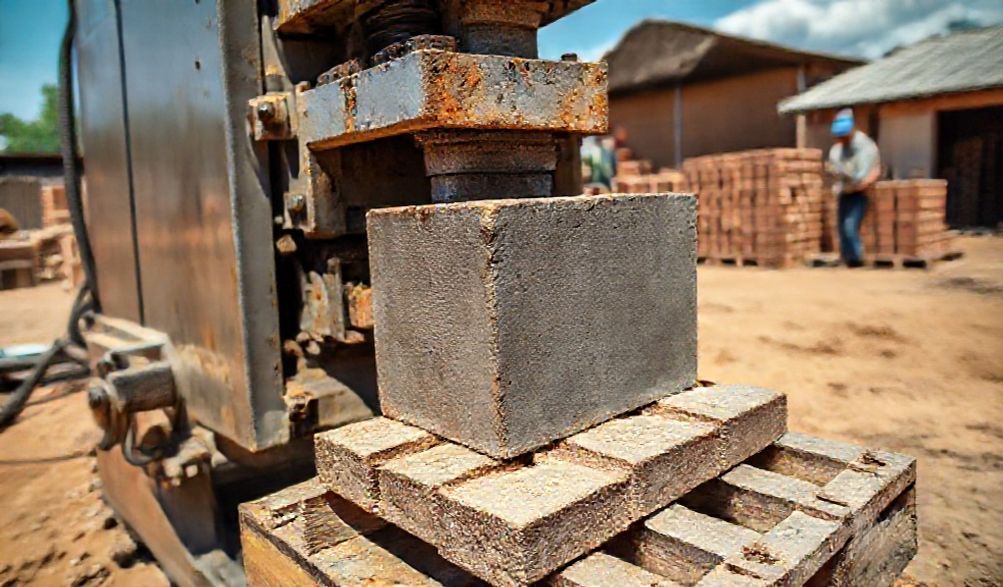
짐바브웨 벽돌 성형 기계 완전 가이드 (2024년)
소개
짐바브웨의 건설 부문은 꾸준한 성장과 재생의 길을 걷고 있습니다. 야심찬 국가 인프라 프로젝트부터 도시와 농촌 지역의 저렴한 주택에 대한 시급한 필요까지, 질 좋은 건축 자재에 대한 수요는 그 어느 때보다 높습니다. 이 건설 붐의 중심에는 기본 구성 요소인 평범한 벽돌이 자리 잡고 있습니다. 그러나 전통적인 수제 벽돌 제조 방식—허리를 구부리는 고된 노동, 일관되지 않은 품질, 고통스러울 정도로 느린 생산량과 동의어인 과정—은 빠른 속도를 따라가지 못하고 있습니다.
기업가, 건축업자, 건설 회사들에게 있어 수요 증가와 비효율적인 공급 사이의 격차는 단순한 도전이 아니라 상당한 기회입니다. 해결책은 바로 현대식 벽돌 성형기입니다. 이러한 기계는 효율성, 일관성 및 상당한 상업적 잠재력으로 이어지는 강력한 도약을 의미합니다.
이 가이드는 단순한 이론에 기반한 것이 아닙니다. 현재 시장 통찰력, 짐바브웨 조건에 적합한 장비에 대한 기술적 분석, 그리고 현장에서 얻은 실용적인 지식을 종합적으로 결합하였습니다. 우리는 짐바브웨의 독특한 경제적, 물류적, 운영적 환경을 고려한 진정으로 유용한 자료를 제공하는 것을 목표로 합니다.
다음 섹션에서는 여러분이 알아야 할 모든 것을 종합적으로 분석해 드리겠습니다. 다양한 기계 유형을 살펴보고, 주요 구매 고려사항을 정리하며, 비즈니스 사례를 분석하고, 신뢰할 수 있는 공급업체를 안내하며, 성공을 위한 필수 운영 팁을 공유할 것입니다.
벽돌 성형 기계 이해하기: 유형과 기술
모든 벽돌 제조 기계가 동등하게 만들어지는 것은 아닙니다. 올바른 선택은 전적으로 규모, 예산, 목표에 달려 있습니다. 핵심 기술을 이해하는 것이 첫걸음입니다.
수동 벽돌 성형 기계
이것은 기계화된 벽돌 생산의 진입점입니다. 일반적으로 레버 작동 메커니즘으로 구성되어 있으며, 시멘트와 골재(모래나 채석장 분진 같은) 혼합물을 압축하여 몰드에 넣어 벽돌을 형성합니다.
- 작전: The operator manually fills the mould, engages the lever for compaction, and then ejects the raw brick for curing. It’s a human-powered process but with far greater consistency and less effort than hand-moulding.
- 이상적인 사용 사례: Perfect for small-scale startups, community projects, or individual builders producing for personal use or very localised sales.
- 장점:
- 매우 낮은 초기 투자 비용.
- Minimal maintenance requirements.
- No dependence on electricity or diesel.
- Simple to learn and operate.
- 단점:
- Output is limited by operator stamina (typically 300-800 bricks per day).
- Still relatively labour-intensive.
- Physical consistency can vary slightly between operators.
반자동 벽돌 제조 기계
This category offers a significant upgrade in production capacity. These machines often feature a hydraulic or mechanical press system and may include a mixer and conveyor belt.
- 작전: While the feeding of raw material and removal of finished bricks is often manual, the core processes of mixing (if equipped) and high-pressure compaction are powered. This drastically reduces physical strain and increases speed.
- 잔액: They strike an excellent balance, offering higher output (1,000 to 5,000 bricks per day) and superior consistency than manual machines, without the massive capital outlay of a fully automated plant.
- 이상적인 사용 사례: Growing small-to-medium enterprises (SMEs), construction companies supplying specific projects, and entrepreneurs aiming for serious market supply.
완전 자동 벽돌 제조 공장
These are the powerhouses of brick production. A fully automatic plant is an integrated system where raw material handling, mixing, moulding, curing, and even stacking are automated with minimal human intervention.
- 작전: Controlled via a central panel, these systems use advanced hydraulics and electronics to produce bricks on a continuous cycle. They often include pallet feeders and stackers.
- Scale & Investment: Designed for large-scale industrial production (10,000+ bricks per day). The investment is substantial, covering not just the machine but often requiring significant space and infrastructure.
- 적합성 Ideal for established brick manufacturing businesses, large construction firms supplying major developments, or investors targeting regional supply contracts.
Key Machine Components and Their Functions
Understanding these parts helps you evaluate any machine’s quality:
- 곰팡이: The heart of the machine. It defines the brick’s size and shape (standard, maxi, interlocking). Look for hardened steel moulds for longevity.
- 믹서: Ensures a homogenous blend of cement, sand, and water. A poor mix leads to weak bricks. Pan mixers or paddle mixers are common.
- 유압 시스템: The source of compaction power in semi and fully automatic machines. Quality seals, pumps, and cylinders are critical for reliable pressure and low downtime.
- 제어판 (For automatic/semi-auto models). Manages the machine’s cycles. User-friendly, robust panels are essential for smooth operation.
Key Considerations When Buying a Brick Moulding Machine in Zimbabwe
A smart purchase decision goes beyond the price tag. It’s about matching the machine to your specific context.
Assessing Your Production Needs and Scale
Ask yourself these foundational questions:
* What is my current daily or monthly brick requirement?
* Am I supplying a specific project, or building a business for open-market sales?
* What are my growth plans for the next 2-5 years?
* What is my available workspace (yard size)?
Your answers will directly point you to the machine type (manual, semi-auto, auto) and its required output capacity.
검토할 기계 사양
Always look beyond the sales pitch to the hard specs:
- 출력 용량: Don’t just look at “bricks per hour.” Understand the sustainable daily output under local conditions (power, labour, material supply).
- 전력 요구 사항 Is it electric, diesel, or hybrid? Consider Zimbabwe’s power reliability. Diesel offers independence but has higher running costs. Electric is cleaner but requires a stable supply or generator backup.
- 다재다능함: Can the machine produce different brick types (e.g., hollow blocks, solid blocks, interlocking pavers) by changing moulds? Versatility future-proofs your business.
Quality of Build and After-Sales Support
This is the most critical factor for long-term success in Zimbabwe.
A machine is a long-term asset. A robust frame, quality steel, and reputable component brands (e.g., for hydraulics) ensure it withstands daily use.
The non-negotiable is local after-sales support. A machine will need maintenance, spare parts, and occasional repairs. You must verify:
* Does the supplier have a physical workshop and trained technicians within Zimbabwe?
* Is there a clear warranty policy, and what does it cover?
* Are common spare parts (seals, moulds, mixer blades) readily available in-country, or will you face months of downtime waiting for imports?
* Can they provide references from other local clients?
Prioritizing a supplier with strong local support is more important than a slightly lower price from an importer with no local footprint.
Budgeting and Total Cost of Ownership
Your budget should account for:
* 선결 비용: Machine price, delivery, and installation.
* 운영 비용 Regular costs for power/fuel, raw materials (cement, aggregates), and labour.
* Maintenance Reserve: A fund for routine servicing and unexpected repairs.
* Working Capital: Money to cover raw material purchases and other costs until you receive customer payments.
The Business Case for Brick Moulding in Zimbabwe
Investing in a brick moulding machine is more than buying equipment; it’s launching or scaling a business.
Market Demand and Profitability Analysis
Demand is driven from multiple, sustained sources:
* Housing: Both private developers and individual home builders.
* 상업 건설 Offices, shopping centres, and industrial facilities.
* Municipal & Government Projects: Schools, clinics, and road infrastructure.
Profitability hinges on managing your Cost of Goods Sold (raw materials, power, labour, depreciation) against the market selling price. Efficient operation, good raw material sourcing, and consistent quality are key to healthy margins. A basic ROI can often be achieved within 12-24 months for well-run small to medium operations.
Sourcing Raw Materials Locally
Thankfully, Zimbabwe has good availability of key inputs:
* 시멘트: Produced locally by several major companies.
* 집계체 Quarry dust, river sand, and crushed stone are widely available, though quality and price can vary by region (e.g., Harare, Bulawayo, Mutare).
* 팁: Build relationships with reliable quarry operators or sand suppliers. Test material quality for consistency, as impurities can weaken bricks. Buying in bulk can reduce costs.
Compliance and Standards
Producing to a standard isn’t optional; it’s a commercial imperative. Bricks should meet relevant Standards Association of Zimbabwe (SAZ) specifications for compressive strength, dimensions, and water absorption.
Adhering to standards:
* Builds trust with contractors and engineers.
* Ensures the structural safety of buildings.
* Allows you to command a premium price and access larger, formal contracts.
Finding Reliable Suppliers of Brick Machines in Zimbabwe
Navigating the supplier landscape carefully will save you immense future hassle.
Local Distributors and Dealerships
These companies import and sell machines, providing a crucial local interface.
* 장점: Easier communication, understanding of local challenges, established logistics for delivery, and (if reputable) a direct line for support.
* Trust Verification is Key: Never buy based on a brochure alone. Visit the supplier’s showroom or workshop. Insist on speaking to 2-3 of their existing customers. Ask those clients about machine performance and, crucially, the quality and speed of after-sales service.
International Manufacturers with Local Presence
Some global brands have invested in official service centers or technical partners in Zimbabwe.
* 혜택: You get the assurance of international engineering quality backed by localized service support, training, and genuine spare parts.
Red Flags and Due Diligence Tips
Be wary of suppliers who:
* Have no verifiable physical business address in Zimbabwe.
* Cannot provide a list of local customer references.
* Offer prices that seem too good to be true (often indicating poor quality or no support).
* Have no clear warranty or service agreement.
* Pressure you for full upfront payment before delivery.
Always conduct due diligence: Check their business registration, years in operation, and online reviews or industry word-of-mouth.
Operational Best Practices and Maintenance
Your machine’s productivity depends on how you set up and care for it.
Setting Up Your Brick Moulding Yard
- 우주 Ensure ample, level ground for the machine, raw material storage, mixing area, brick drying/curing area, and finished product storage.
- Layout: Design a logical flow: Raw Material -> Mixer -> Machine -> Curing Area -> Storage. Minimise unnecessary movement.
- Infrastructure: Secure storage for cement (must be dry), reliable water access, and appropriate power connections or fuel storage.
Routine Maintenance Checklist
Preventative care prevents breakdowns.
* Daily: Clean the machine thoroughly after use, especially the mould and mixer. Check for loose bolts or nuts. Lubricate moving parts as per the manual.
* Weekly: Inspect hydraulic hoses for leaks. Check the oil level in the hydraulic tank. Examine the mould for wear or damage.
* Monthly: Perform a more thorough inspection of all major components. Clean or replace filters.
Troubleshooting Common Issues
- Poor Compaction/Weak Bricks: Check hydraulic pressure, ensure the correct mix ratio (not too dry or wet), and verify the mould is not worn.
- Surface Cracks: Usually caused by improper curing (drying too fast in sun/wind). Ensure bricks are kept damp under cover for the initial curing period (e.g., 7 days).
- Machine Jams: Often due to overfilling the mould or foreign objects in the mix. Always stop the machine immediately, clear the obstruction safely, and identify the cause.
자주 묻는 질문 (FAQ)
Q1: What is the average price range for a brick moulding machine in Zimbabwe?
A: Prices vary dramatically. A basic manual machine can start from a few hundred USD. A quality semi-automatic machine may range from $5,000 to $25,000. Fully automatic plants can start from $40,000 and go into the hundreds of thousands. Always get detailed, itemised quotations from multiple suppliers.
Q2: Can I get a loan or financing for a brick making machine in Zimbabwe?
A: Yes, options exist. Some banks and microfinance institutions offer asset finance for business equipment. A strong, well-researched business plan is essential. Some reputable suppliers may also offer in-house credit or installment payment plans. Explore all avenues and compare terms carefully.
Q3: What is the most popular type of brick machine for small businesses?
A: Small to medium-sized semi-automatic machines are extremely popular. They offer the best balance of affordable capital outlay, significantly higher and more consistent output than manual machines, and manageable operational complexity, making them ideal for market entry and growth.
Q4: How do I ensure the bricks I produce are strong and durable?
A: Follow this trifecta: 1) Correct Mix: Use the right cement-to-aggregate ratio (e.g., 1:6 or 1:7 for common blocks) with clean, quality materials. 2) Proper Compaction: Ensure your machine applies adequate, consistent pressure. 3) Adequate Curing: Keep the bricks moist and covered for at least 7-14 days to allow the cement to fully hydrate and gain strength.
Q5: Are there training opportunities for operating these machines?
A: A reputable supplier should always provide basic operational and safety training upon installation. For deeper knowledge, seek out practical apprenticeships with established brick makers. Occasionally, industry associations or technical colleges may offer short courses in blockmaking technology.
결론
The journey from manual labour to mechanized production with a brick moulding machine is a transformative step. For the individual builder, it means self-reliance and quality control. For the entrepreneur, it opens a viable path to profitability in Zimbabwe’s vital construction sector.
This guide has armed you with the knowledge to move forward strategically. Remember, the cornerstone of your success will not be the machine alone, but the research behind it. Prioritize build quality and unwavering local after-sales support over the allure of a cheap, unsupported import. Commit to producing bricks that meet established standards.
Your next step is to take this information into the field. Visit suppliers, inspect machines in person, and speak to current owners. With a well-informed plan, your investment in a brick moulding machine can build more than just walls—it can build a thriving, sustainable business.
<