
The Complete Guide to Car Brick Machines: Types, Uses, and How to Choose
소개
Walk into any auto recycling yard or scrapyard, and you’ll see the same challenge: a sprawling, chaotic sea of end-of-life vehicles (ELVs). These hulks of steel, plastic, and rubber represent valuable raw materials, but in their whole form, they are a logistical nightmare—consuming vast amounts of space, posing safety hazards, and driving up transportation costs. For decades, the industry grappled with inefficient disposal methods that were neither economical nor environmentally sound.
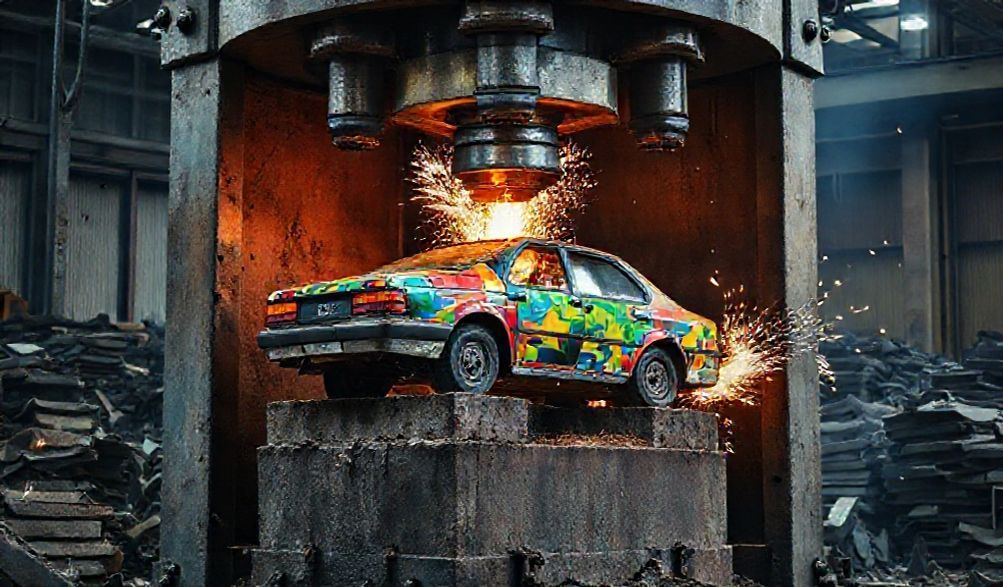
Enter the car brick machine—the industrial powerhouse that has revolutionized auto recycling. Also known as a car baler or car logger, this formidable piece of equipment transforms entire automobiles into dense, uniform, and manageable bricks of scrap metal. It’s the cornerstone of a modern, efficient, and profitable recycling operation.
This guide is built on decades of collective industry experience, engineering principles, and operational best practices. We’ll move beyond basic descriptions to provide you with the actionable knowledge needed to understand these machines inside and out. Whether you’re a yard owner looking to upgrade, a facility manager planning an expansion, or simply curious about industrial recycling technology, this post will deliver on its promise: a comprehensive look at machine types, tangible benefits, critical selection criteria, and non-negotiable safety protocols. Let’s dive in.
What is a Car Brick Machine? Core Function and Purpose
At its core, a car brick machine is a heavy-duty industrial press designed specifically to compress derelict cars and light vehicles into compact, rectangular bales. Its primary purpose is to maximize the density of scrap metal for efficient handling, transportation, and feeding into steel mill furnaces. It solves the fundamental problem of volume, turning an unwieldy object into a standardized commodity.
From Scrap to Brick: The Compression Process Explained
The process is a marvel of hydraulic engineering, typically following these key stages:
- 급식 A prepped vehicle (with fluids drained, engine/transmission often removed, and tires taken off) is loaded into the machine’s compression chamber. This is usually done with a grapple or forklift.
- Compression Cycle: The machine’s hydraulic rams activate, applying immense force—often measured in hundreds or thousands of tons—to the vehicle. Modern machines often use a “pre-crush” to collapse the vehicle’s structure, followed by a main compression stroke in a smaller chamber to achieve final density.
- 이젝션 Once the compression cycle is complete, the dense, brick-like bale is ejected from the chamber, ready to be stacked or loaded directly onto a truck.
Key Output Specifications: Size, Weight, and Density of Car Bricks
The “brick” produced is a far cry from the original car. Standardized output is crucial for the recycling supply chain.
- 일반적인 치수: A common finished bale size is approximately 24 inches by 24 inches by 48 to 60 inches long. Chamber sizes can vary to accommodate different vehicle classes.
- Weight Range: Each bale typically weighs between 1,500 and 3,000 pounds, depending on the original vehicle size and the machine’s compression force.
- Why Density Matters: Density is the key metric. A higher-density bale means you can pack more weight onto a single truckload, drastically reducing transportation costs per ton of scrap. It also leads to more efficient melting at the mill, as less air space needs to be heated.
주요 산업 및 응용 분야
Car brick machines are the backbone of several key industries:
- Auto Recycling Yards (Scrapyards): The primary users. They process ELVs after salvageable parts have been removed.
- Metal Recycling Facilities: Large-scale processors that accept scrap from multiple sources, using car balers to prepare material for shipment to mills.
- Demolition and Salvage Operations: Companies that handle large-scale clean-up, such as from vehicle fleet decommissioning or accident recovery services.
Types of Car Brick Machines: A Technical Breakdown
Not all car brick machines are created equal. Choosing the right type is a critical strategic decision. Here’s a breakdown of the main technologies.
Horizontal Car Balers
These machines compress material along a horizontal axis. The vehicle is fed into a long box chamber, and a large ram pushes it against a stationary head to form the bale.
- Force Capacity: Typically range from 500 to over 3,000 tons.
- 이상적인 사용 사례: High-volume processing facilities where maximum bale density and a continuous feed system are priorities.
- 장점: Often produce the densest bales. Can be integrated with conveyor systems for a more automated workflow.
- 제한 사항: Generally have a larger footprint and a higher initial capital cost than vertical loggers.
Vertical Car Loggers
Vertical machines compress material from top to bottom. The vehicle is placed in a chamber, and a ram descends from above to crush it.
- Force Capacity: Commonly in the 500 to 2,000-ton range.
- 이상적인 사용 사례: Yards with limited space or those with lower to medium daily processing volumes.
- 장점: Smaller footprint. Often have a simpler design and can be easier to load in certain yard configurations.
- 제한 사항: May produce a slightly less dense bale than a horizontal baler of equivalent force. Cycle time can be longer due to the ram’s return stroke.
Mobile vs. Stationary Units
This distinction is about deployment, not compression direction.
- Mobile Car Balers: Mounted on a trailer or truck bed. They can be moved between job sites.
- 장점: Ideal for demolition contractors or operations that process scrap at multiple, temporary locations. Eliminates the need for transportation of whole cars to a central site.
- 단점: Typically have lower capacity and production speed than large stationary units. Higher wear and tear from transport.
- Stationary Units: Permanently installed at a recycling facility.
- 장점: Built for durability, higher throughput, and maximum power. They form the fixed heart of a major recycling operation.
- 단점: Require significant site preparation (foundation, power hookup) and represent a fixed-location investment.
주요 구성 요소와 그 기능
Understanding the major parts demystifies the machine:
- Hydraulic System (The Power Source): The heart of the machine. Comprises pumps, valves, cylinders, and hydraulic fluid. It converts mechanical power into the massive force of the ram.
- Compression Chamber & Rams: The chamber contains the load, and the rams (driven by the hydraulic system) apply the compressive force. Their size and strength define the machine’s capability.
- Control System (Manual vs. Automated/PLC): Modern machines use Programmable Logic Controller (PLC) systems for automated, consistent cycle control, diagnostics, and safety monitoring. Older or simpler models may use manual levers.
- Safety Interlocks and Guards: Critical physical and electronic systems that prevent the machine from operating if doors are open or personnel are in a danger zone. Never compromise on these.
The Tangible Benefits of Using a Car Brick Machine
Investing in a car brick machine isn’t just about buying equipment; it’s about transforming your business operations. The benefits are measurable and significant.
Dramatically Improved Logistics and Storage
Space is money in a scrap yard. A car brick machine turns a sprawling problem into a tidy inventory.
* Space Savings: You can typically store 5 to 8 compressed car bales in the space required for just one uncrushed vehicle. This effectively multiplies your yard’s capacity.
* Simplified Handling: Uniform bales are perfectly designed for grapples and forklifts. They stack neatly and securely, creating organized piles instead of hazardous, unstable heaps of jagged metal.
Significant Cost Reduction in Transportation
Transporting whole cars is highly inefficient—you’re mostly shipping air. Compressed bales maximize every truckload.
* Higher Density = Fewer Trips: By achieving near-theoretical maximum density, you ensure each truck is carrying its legal weight limit in valuable scrap, not lightweight volume. This can reduce transportation needs by 70-80% for the same tonnage.
Enhanced Safety and Worksite Organization
A clean yard is a safe yard. The difference between a pile of loose cars and a stack of bales is profound.
* Reduced Hazards: Eliminates dangers from protruding sharp edges, unstable piles that can collapse, and residual fluids. The baling process also further contains any remaining small debris.
* Clear Work Areas: Creates defined processing, storage, and loading zones, improving overall workflow and reducing the risk of vehicle and personnel incidents.
Positive Environmental Impact and Compliance
Operating a car brick machine is a statement of responsible recycling.
* Facilitates Efficient Recycling: By creating a clean, dense stream of ferrous scrap, you are directly supplying the raw material for new steel production, conserving natural resources and energy.
* Mandates Proper Handling: The baling process necessitates the proper prior drainage of fluids (oil, gasoline, coolant), ensuring these pollutants are captured and disposed of correctly, not left to leak into the ground.
How to Choose the Right Car Brick Machine: A Buyer’s Checklist
Selecting a machine is a major capital decision. This checklist, drawn from industry experience, will guide you toward the right investment.
Assess Your Operational Volume and Throughput Needs
Start with the fundamentals of your business.
* How many cars do you process per day or week on average?
* What are your peak periods like?
* What are your realistic growth projections for the next 5-10 years?
* A machine that’s too small creates a bottleneck; one that’s too large strains your finances without providing a return.
Evaluate Key Machine Specifications
Compare these core specs across different models.
- Compression Force (Tonnage): More tons generally mean higher density. Match the force to the types of vehicles you primarily process (e.g., compacts vs. full-size SUVs).
- Chamber Size: It must physically accommodate your target vehicle mix. Check the length, width, and height of the chamber.
- 사이클 타임: The total time to compress and eject one bale. A faster cycle time means higher potential throughput.
- 전력 요구 사항 Do you have robust three-phase electrical power on site, or would a diesel-powered unit offer more flexibility? Factor in ongoing energy costs.
Consider Total Cost of Ownership (TCO)
The purchase price is just the beginning.
* Upfront Investment: Includes the machine, delivery, and installation (foundation, power connection).
* Long-Term Costs: Encompasses maintenance, spare parts, hydraulic fluid, energy consumption, and potential downtime. A cheaper, lightly-built machine often has a much higher TCO due to frequent repairs and shorter lifespan.
* 빌드 품질: Inspect the quality of steel, welding, and brand-name components (hydraulic pumps, PLCs). This is a primary indicator of durability.
The Critical Importance of Manufacturer Support
Your relationship with the manufacturer is a long-term partnership.
* 보증:어떤 내용이 포함되며, 얼마나 오래 적용되나요?
* 부품 가용성: Are common wear parts in stock and readily shippable? Is there a local dealer or service technician?
* Trust Signal: Always prioritize reputable manufacturers with a long track record and verifiable customer references. The cheapest option can become the most expensive if it leads to prolonged, unsupported downtime. Ask for case studies from yards similar to yours.
Safe Operation and Essential Maintenance Protocols
A car brick machine is a powerful tool that demands respect. Safety and maintenance are not optional; they are the foundation of profitable operation.
Non-Negotiable Safety Procedures for Operators
- Pre-Operation Inspection: Daily check for hydraulic leaks, loose fittings, damaged safety guards, and proper fluid levels.
- Proper PPE: Operators must wear safety glasses, steel-toed boots, hearing protection, and heavy-duty gloves.
- Lock-Out/Tag-Out (LOTO): This procedure must be strictly followed during any maintenance, clearing of jams, or when anyone enters the compression chamber. It physically isolates the machine from its power source.
- Safe Clearance Zones: Clearly mark and enforce areas where personnel are prohibited during machine operation.
Routine Maintenance Schedule for Peak Performance
Preventative care prevents catastrophic failure.
- Daily: Visual inspection for leaks, check hydraulic oil level and temperature, listen for unusual noises.
- Weekly/Monthly: Check and tighten all hydraulic fittings and electrical connections. Inspect ram seals and wear plates.
- Annually: A full professional service is recommended. This includes hydraulic oil and filter change, comprehensive system pressure checks, and inspection of all major components.
Common Issues and Troubleshooting Tips
- Slow Cycle Times: Often caused by low hydraulic fluid, a failing pump, or a clogged filter.
- Low Pressure/Weak Compression: Could indicate worn pump seals, internal valve leaks, or a relief valve that needs adjustment.
- Uneven or Misshapen Bales: Can result from an uneven load in the chamber, a misaligned ram, or worn guide plates.
Frequently Asked Questions (FAQ) About Car Brick Machines
Q1: How much does a car brick machine cost?
A: Prices vary widely based on type, capacity, and features. A small vertical logger may start around $50,000, while large, high-throughput horizontal balers can exceed $300,000. Mobile units also command a premium. Always obtain detailed, customized quotes from manufacturers.
Q2: Can it crush trucks, vans, or buses?
A: Capacity is key. While many standard balers can handle pickups and vans, larger vehicles like buses or industrial trucks require a machine with a significantly larger chamber and higher tonnage. Many facilities will pre-cut oversized vehicles with shears before baling.
Q3: What preparation is needed for a car before baling?
A: Proper preparation is mandatory for safety, environmental compliance, and machine care. Essential steps include: removing all tires, draining all fluids (gasoline, oil, transmission fluid, coolant, brake fluid), and typically removing the engine and transmission for separate, higher-value recycling.
Q4: What is the typical lifespan of a well-maintained machine?
A: With a rigorous preventative maintenance program and operation within its design limits, a high-quality car brick machine from a reputable manufacturer can provide 15 to 25 years or more of reliable service. The longevity is directly tied to care and build quality.
Q5: Are there any special permits required to operate one?
A: Regulations vary significantly by location. You must always check with your local and state environmental protection agency and zoning authorities. Permits may be related to air quality (for diesel units), stormwater runoff, or general industrial operation. Never assume none are required.
결론
The car brick machine stands as an indispensable solution in the modern recycling ecosystem. It is the critical link that turns the environmental and logistical challenge of end-of-life vehicles into an efficient, safe, and profitable process. By compressing scrap into dense, uniform bricks, it delivers undeniable value through radical space savings, dramatic transportation cost reductions, enhanced worksite safety, and a stronger commitment to environmental stewardship.
Choosing the right machine is a strategic, long-term investment in the future of your operation. Use this guide as your foundational knowledge. Your most important next step is to engage directly with the market. Contact several reputable manufacturers, request detailed specifications and quotes tailored to your specific volume and vehicle mix, and crucially, ask for site references or case studies. Seeing a machine in operation at a yard like yours is the ultimate verification of performance and support.
Remember, the true cost is measured over decades, not just at purchase. Partner with experienced suppliers, invest in thorough operator training, and never compromise on safety and maintenance protocols. By doing so, you’re not just buying a machine—you’re building a more resilient and profitable business.
<