
시멘트 블록 제조 기계 완벽 가이드: 종류, 비용 및 선택 방법
어느 도시, 교외, 또는 농촌 개발지를 둘러보면 그들을 볼 수 있습니다. 콘크리트 블록, 더 정확하게는 콘크리트 조적 단위(CMU)라고 알려진 이들은 현대 건설의 무명 영웅들입니다. 그들은 우리 집의 기초, 창고의 벽, 정원의 경계를 형성합니다. 그들의 내구성, 내화성, 그리고 비용 효율성은 그들을 세계적인 건축 필수품으로 만듭니다.
하지만 이러한 블록을 손으로 만드는 것은 좌절감을 안겨줄 뿐입니다. 속도도 느리고 육체적으로 힘들며, 결과물의 품질도 일정하지 않습니다. 작은 정원 벽을 넘어서는 규모의 프로젝트나 블록 제조 사업을 고려하는 사람이라면, 수동 생산 방식은 전혀 효율적이지 않습니다.
여기에 시멘트 블록 제조기가 등장합니다. 이 기계는 노동 집약적인 공예를 효율적이고 정밀하며 확장 가능한 공정으로 변모시킵니다. 하지만 간단한 수동 레버부터 완전 자동화 로봇 공장까지 다양한 옵션 중에서 어떻게 선택해야 할까요? 이 포괄적인 가이드는 산업 사양, 제조업체 데이터, 운용 전문 지식을 종합하여 이러한 기계를 명확히 이해할 수 있도록 돕습니다. 우리의 목표는 개인 주택 프로젝트든 대규모 상업 사업이든, 당신이 확신을 가지고 정보에 기반한 투자 결정을 내릴 수 있도록 지식을 제공하는 것입니다.
시멘트 블록 제조 기계란 무엇인가요?
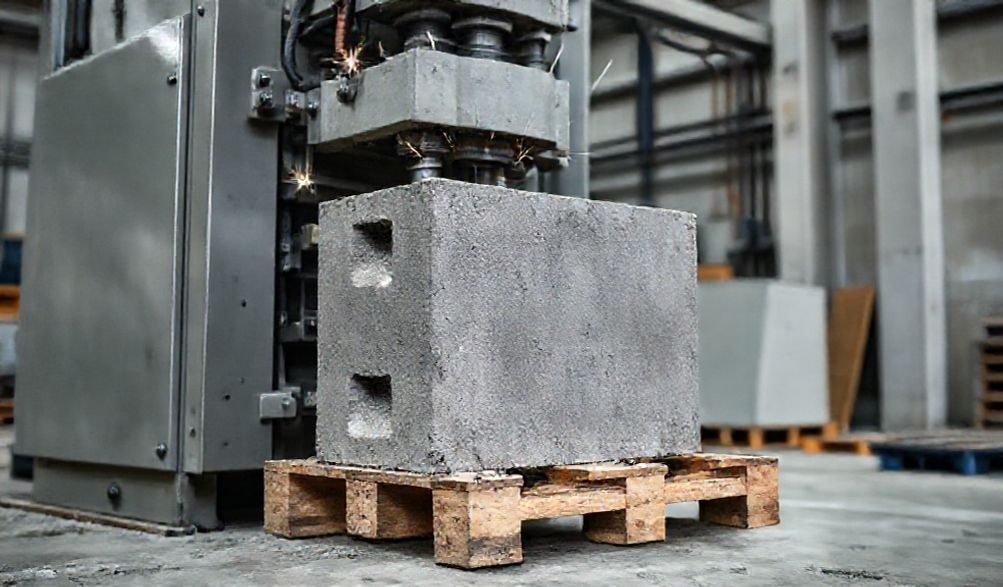
본질적으로, 시멘트 블록 제조 기계는 원료 콘크리트 혼합물을 특정 모양과 크기의 조밀하고 균일한 블록으로 성형하는 과정을 자동화합니다. 이는 인간 노동의 변동성을 기계적 정밀도로 대체하여 모든 블록이 동일한 기준을 충족하도록 보장합니다.
핵심 기능과 기본 작동 원리
기계의 작동은 논리적 순서를 따르며, 수동 방식을 모방하지만 크게 개선합니다:
- 혼합 및 급여 Raw materials (cement, aggregates, water) are combined, either manually or via an integrated mixer, and fed into the machine’s hopper.
- 압축: This is the heart of the process. The mix is transferred into a mold (or die). Here, powerful forces are applied:
- 진동 Most common in smaller machines. A vibrating table shakes the mold intensely, settling the concrete and removing air pockets.
- 유압: Used in more advanced machines. A hydraulic ram applies immense, controlled pressure to compress the material into a very dense block.
- 성형 및 사출 The compacted material takes the exact shape of the mold cavity (e.g., standard 8x8x16 inch, hollow, paving stone). The mold then opens or lifts, and the “green” (uncured) block is ejected onto a pallet or conveyor.
- 치유: The green block is moved to a curing area where it gains strength over time through controlled hydration, often in a specialized chamber.
주요 구성 요소와 그 역할
주요 부품을 이해하면 기계의 신비가 풀립니다.
* 호퍼: The funnel that holds and feeds the raw concrete mix into the molding system.
* 믹서: Often integrated in semi- and fully-automatic models, it ensures a consistent, homogenous mix.
* Mold/Die Set: The customizable steel form that defines the block’s shape, size, and surface texture. Interchangeable molds allow one machine to produce multiple products.
* 압축 시스템: Either a 진동 모터 (for high-frequency settling) or a hydraulic power pack and ram (for high-pressure compression).
* 제어 시스템 Ranges from simple levers to sophisticated Programmable Logic Controller (PLC) panels that automate the entire cycle.
* 팔레트 피더/컨베이어 Moves pallets into position to receive the newly formed blocks and transports them to the curing area.
Types of Cinder Block Making Machines
The right machine for you depends entirely on your scale and goals. The market is segmented into three primary categories.
수동 블록 제조 기계
- 설명: These are human-powered, lever-operated devices. You manually fill the mold with mix, engage a lever to apply mechanical pressure, and then release the block.
- 최적 대상: DIY enthusiasts, hobbyists, very small-scale projects (like a single garden shed), or locations with absolutely no power access.
- 출력 용량: Very low, typically 100 to 500 blocks per 8-hour day, heavily dependent on operator stamina.
- 장점과 단점:
- 장점: Extremely low cost, no power required, portable, simple to maintain.
- 단점: Labor-intensive, slow, inconsistent output quality, limited to simple block designs.
반자동 블록 제작 기계
- 설명: These electrically or diesel-powered machines handle the critical compaction (via vibration or hydraulics) but require operators to feed material and sometimes remove finished blocks. They often feature a “egg-laying” design, where the machine moves over a line of pallets.
- 최적 대상: Small to medium-sized businesses, contractors undertaking large projects (e.g., building a housing estate), and municipal works.
- 출력 용량: Medium, ranging from approximately 1,000 to 5,000 blocks per day.
- 장점과 단점:
- 장점: Good balance of affordability and output, consistent block quality, reduces physical labor, offers mold flexibility.
- 단점: Still requires a small crew, output is limited by manual feeding/removal speed.
완전 자동 블록 제작 기계
- 설명: These are complete production plants. Computer-controlled systems manage automatic material batching, mixing, molding, curing, and even robotic stacking. Operators primarily monitor the process.
- 최적 대상: Large-scale commercial block production plants supplying construction companies and retailers.
- 출력 용량: High to very high, from 10,000 to 30,000+ blocks per 8-hour shift.
- 장점과 단점:
- 장점: Maximum output and efficiency, minimal labor requirements, unparalleled consistency, integrated curing systems.
- 단점: Very high capital investment, complex installation, requires significant space and stable utility supply, specialized maintenance.
Mobile vs. Stationary Block Plants
This is a crucial strategic decision:
* Mobile Block Plants: Built on a trailer chassis, these are typically semi-automatic. Their key advantage is on-site production, eliminating transport costs for the heavy finished blocks. Ideal for large, remote construction projects.
* 고정식 블록 플랜트 Fixed installations, which can be semi- or fully-automatic. They benefit from optimized workflow, permanent utility connections, and easier integration of advanced curing systems. Ideal for supplying a local market from a central location.
Critical Factors for Choosing the Right Machine
Moving beyond basic type, here are the key details that will determine your success and satisfaction.
생산 요구 사항 평가하기
Start by asking the right questions:
* Daily/Weekly Output: Be realistic. How many blocks do you 실제로 need to produce? Factor in future growth, but don’t overbuy dramatically.
* Product Variety: Will you only make standard hollow blocks? Do you need paving slabs, solid blocks, or interlocking landscaping bricks? Your required product catalog dictates the need for interchangeable molds.
* Block Strength: Different projects require different compressive strengths (measured in psi or MPa). Ensure the machine you choose can achieve the necessary density.
Machine Specifications to Scrutinize
When comparing models, dig into these specs:
* 사이클 타임: How many seconds/minutes does it take to produce one block or one pallet of blocks? This directly determines maximum output.
* 압축 압력: For hydraulic machines, higher pressure (measured in tons) generally produces denser, stronger blocks.
* 금형 맞춤 제작: Can you easily source additional mold designs from the manufacturer or third parties?
* 전력 요구 사항 Does it run on standard single/three-phase electricity or a diesel engine? Ensure your site can support it.
Raw Material Considerations
Not all machines work well with all mixes. Verify compatibility with your intended materials:
* Standard concrete mix (cement, sand, gravel)
* Fly ash or slag-based mixes (eco-friendly and often cheaper)
* Lightweight aggregates (like pumice or perlite for lighter blocks)
The particle size and moisture content of your aggregate can significantly affect how the machine feeds and compacts.
Budget and Total Cost of Ownership
The machine’s price tag is just the beginning. A holistic view is essential:
* Upfront Cost: Includes the machine, delivery, and installation.
* 운영 비용 Ongoing expenses for power/fuel, raw materials, and labor.
* Maintenance & Parts: What is the availability and cost of wear parts (molds, liners, hydraulic seals)? A cheaper machine with no local service support can become a costly paperweight.
* 애프터 서비스: Perhaps the most critical factor. Does the supplier offer training, technical support, and a clear warranty? Prioritize suppliers with a strong service reputation.
The Business Case: ROI and Profitability
For entrepreneurs, a block-making machine is a capital investment. A clear business plan is non-negotiable.
Understanding the Market and Demand
Conduct local research:
* Who are your potential customers? (Contractors, developers, retail stores, direct to public?)
* What is the current price per block in your area?
* Who are your competitors, and what is their capacity?
Calculating Startup and Operational Costs
Create a detailed breakdown:
* Startup Costs: Land lease/purchase, shed/warehouse, machine purchase & installation, initial raw material inventory, business licensing.
* Operational Costs (Monthly): Raw materials, labor wages, utilities, maintenance fund, transportation/logistics.
Projecting Revenue and Break-Even Analysis
Use simple math to model profitability:
1. Revenue per Block: Selling Price – Cost of Raw Materials per Block.
2. Daily Gross Profit: (Revenue per Block) x (Number of Blocks Sold per Day).
3. Break-Even Analysis: (Total Monthly Fixed Costs) / (Gross Profit per Block) = Number of blocks you need to sell each month to cover costs.
This exercise will tell you if your planned output and local market prices can support the business.
Operation, Maintenance, and Best Practices
Proper care ensures longevity, safety, and consistent product quality.
Setting Up for Success: Installation and Calibration
- Foundation: A level, solid concrete pad is mandatory, especially for vibrating machines, to prevent settling and misalignment.
- Utilities: Ensure your power supply matches the machine’s requirements. Have a reliable water source for mixing.
- Calibration: Follow the manufacturer’s instructions to calibrate vibration time, pressure, or feed volume for your specific mix. Test runs are essential.
Daily Operation and Safety Protocols
- Pre-Start Checklist: Verify all guards are in place, check oil/hydraulic fluid levels, ensure the hopper and mold are clean.
- Safety First: Mandatory Personal Protective Equipment (PPE) includes safety glasses, hearing protection (for loud machines), gloves, and steel-toe boots. Never bypass safety interlocks.
- Shutdown Procedure: Clean the machine thoroughly after use, especially all concrete residue from the mold and hopper.
Routine Maintenance Schedule
Preventive maintenance prevents catastrophic downtime:
* Daily: Clean entire machine, check for loose bolts, inspect mold for damage.
* Weekly: Lubricate all moving parts as per the manual, check vibration motor mounts, inspect hydraulic lines for leaks.
* Monthly: Perform more thorough inspections, check electrical connections, calibrate sensors (on automatic machines).
자주 묻는 질문 (FAQ)
Q1: What is the price range for a cinder block making machine?
A: Prices vary enormously based on type and automation. A basic manual machine can start around $1,000. A quality semi-automatic machine typically ranges from $15,000 to $50,000. Fully automatic production plants can start at $80,000 and exceed $250,000. The final cost is driven by output capacity, level of automation, and brand.
Q2: Can I make other products besides standard cinder blocks?
A: Absolutely. With interchangeable molds, a single machine can often produce a wide range of concrete products, including paving stones, curb stones, hollow blocks in various thicknesses, solid bricks, and interlocking landscaping blocks. Confirm mold availability with your supplier.
Q3: What is the curing process, and how long does it take?
A: Curing is the process where the concrete gains strength through continued hydration. Fresh “green” blocks are typically kept in a humid, temperature-controlled environment (a curing chamber or under plastic sheeting) for 24-48 hours. They can then be handled and stacked. However, concrete reaches its specified design strength (e.g., 3000 psi) over a period of 28 days under proper curing conditions.
Q4: How much space do I need for a block-making operation?
A: Space needs vary drastically. A manual machine might only need a 10×10 foot yard. A semi-automatic operation requires space for the machine, raw material storage (sand, gravel, cement), a mixing area, and a curing/storage yard—often at least 5,000-10,000 square feet. A full automatic plant with conveyor lines and curing racks can require a warehouse or a large, covered industrial plot.
Q5: Where can I find reliable machine manufacturers or suppliers?
A: Seek out established companies with a verifiable track record. Look for industry certifications, genuine customer testimonials or case studies, and clear warranties. Attending international construction or machinery trade shows is an excellent way to see machines in person and meet suppliers. Always consult with multiple vendors, request detailed quotations, and, if possible, speak to existing customers or visit a working installation.
결론
Choosing a cinder block making machine is a significant decision that hinges on a clear understanding of your production needs, a careful analysis of machine specifications, and a realistic assessment of costs—both upfront and ongoing. From the simplicity of a manual press to the awe-inspiring efficiency of a fully automatic plant, the right machine can elevate a construction project or launch a profitable business.
Our final, strongest recommendation is to prioritize quality and service over the lowest price. This machine is a long-term asset. A reliable supplier who offers robust after-sales support is worth a premium, as it protects your investment and ensures operational continuity.
Use this guide as your foundational research. Your next step is active due diligence: contact multiple reputable suppliers, request comprehensive quotations and specification sheets, and, crucially, seek references or site visits. Armed with the knowledge from this guide, you are now prepared to ask the right questions and invest in the equipment that will build your vision, block by consistent block.
<