
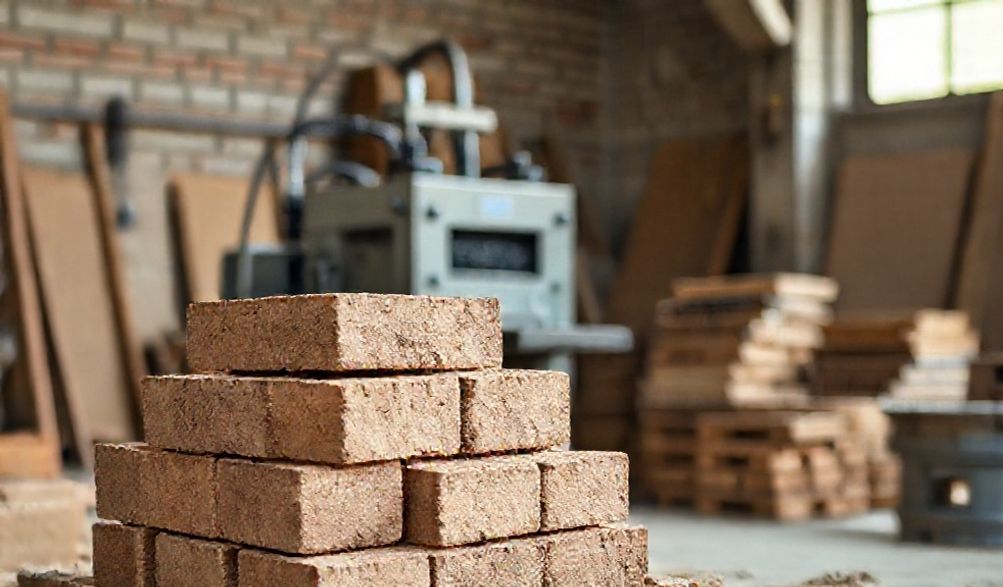
소형 전기 벽돌 기계 완벽 가이드: 선택, 운전 및 혜택
소규모 건축업자, DIY 애호가, 기업가들에게 효율적이고 비용 효율적인 건축 방법을 찾는 것은 끊임없는 과제입니다. 여기에소형 전기 벽돌 제작기소형이면서도 사용자 친화적인 강력한 성능으로 벽돌 생산 방식을 혁신하고 있습니다. 대규모 산업 설비나 수작업과 달리, 이 기계는 생산성과 실용성의 완벽한 균형을 제공하며, 지역에서 조달한 재료를 스위치 하나로 정밀한 건축 블록으로 변환합니다. 본 가이드는 마케팅적 과장을 배제하고, 필요한 모든 정보를 명확하고 전문가의 검증을 바탕으로 제공합니다. 소규모 사업을 시작하거나 개인 프로젝트를 진행 중이거나, 지속 가능한 건축 옵션을 탐색하는 경우에도, 소형 전기 벽돌 프레스의 능력과 고려 사항을 이해하는 것이 더 스마트하고 효율적인 건축으로 나아가는 첫걸음입니다.
소형 전기 벽돌 제조기는 무엇인가요? (핵심 제품 정의하기)
소형 전기 벽돌 제조기의 핵심은 고체, 연동형 또는 중공 블록을 소량 주문 생산하기 위한 기계식 프레스입니다. 이 장비는 수동 성형의 강도 높은 육체 노동이나 산업 플랜트의 높은 비용과 복잡성을 접근 가능한 전동 자동화로 대체합니다.
핵심 기능과 작동 원리
작동 원리는 단순함 속에 우아함이 있습니다. 이 기계는 전기 모터를 사용하여 유압 펌프나 기계적 레버 시스템을 구동합니다. 이를 통해 20톤에서 100톤에 이르는 상당한 압축력을 생성합니다.
- A prepared mixture of raw materials (soil, sand, cement, or clay) is loaded into a feed hopper or directly into a mold cavity.
- The electric motor activates, driving the compression system.
- A ram or piston applies intense, controlled pressure to the material within the steel mold.
- This pressure compacts the mixture, forcing out air pockets and creating a dense, uniformly shaped brick.
- After a brief hold for stabilization, the brick is ejected, ready for curing.
This process ensures each brick has consistent dimensions and structural integrity, a key advantage over handmade methods.
주요 구성 요소 분석
Understanding the main parts demystifies the machine and aids in maintenance and purchasing decisions.
- Electric Motor & Control Panel: The heart and brain. The motor (typically 2-10 kW) provides clean, reliable power. The control panel, often featuring simple buttons or a PLC interface, manages the press cycle. In practice, the steady hum of a well-tuned electric motor is a sign of smooth operation.
- Hydraulic Pump & Cylinder (or Mechanical Lever): The muscle. In hydraulic systems, the pump pressurizes fluid to drive the cylinder’s ram. Mechanical systems use a lever and flywheel. Hydraulic systems generally offer more controllable, higher pressure.
- Mold & Frame: The defining template. The heavy-duty steel mold determines the brick’s shape (standard, interlocking, decorative). The robust steel frame must withstand constant cyclic loading without deformation; look for welded, reinforced designs.
- Hopper & Mixing System: The feeder. Some machines have a simple hopper for pre-mixed material. More advanced models may include a pan mixer attached, ensuring a consistent feed and mix.
Ideal User Profiles
This technology is a game-changer for specific user groups:
- Small Construction Firms & Contractors: For producing bricks on-site for projects like suburban homes, farm structures, or small commercial buildings, reducing material transport costs and ensuring supply.
- Homesteaders & DIY Builders: Ideal for creating walls, sheds, garden features, or even small homes with a high degree of self-sufficiency and material control.
- Eco-Construction Startups: Perfect for businesses focused on sustainable, earth-based building techniques like Compressed Earth Blocks (CEBs).
- 직업 훈련 센터 및 NGO: Excellent tools for teaching practical skills in construction and micro-enterprise development in community projects.
Advantages of Using an Electric Brick Press
Choosing an electric press over manual or diesel-powered alternatives offers a cascade of tangible benefits that impact your bottom line, product quality, and work environment.
운영 효율성과 사용 편의성
From field observations, the jump in productivity is immediate. Setup is straightforward, often requiring just a level foundation and a proper power connection. Operation is frequently a one- or two-button process, drastically reducing the skill barrier and physical fatigue associated with manual machines. One operator can typically manage the entire production cycle.
Cost-Effectiveness & Low Overhead
While the initial investment is higher than a manual machine, the long-term economics are compelling.
- 에너지 효율 Electricity is generally cheaper and more consistently available than diesel fuel. Electric motors are highly efficient, converting most of the energy into useful work.
- 최소한의 유지 관리 Without an internal combustion engine, there are no fuel filters, oil changes, or complex exhaust systems. Maintenance revolves around hydraulics and mechanical wear parts.
- 노동 비용 절감 Higher output per operator directly lowers the cost per brick.
Consistency, Quality, and Versatility
This is where engineering precision shines. The controlled pressure ensures every brick has near-identical density and dimensions, leading to:
- Stronger, more reliable walls with uniform mortar joints.
- The ability to produce specialized bricks like interlocking blocks (which require high precision for dry-stacking).
- Adaptability to various mixes: stabilized earth (5-10% cement), clay, or concrete.
Environmental and Workplace Benefits
The advantages extend beyond the balance sheet.
- Zero On-Site Emissions: This makes it suitable for use in enclosed spaces or environmentally sensitive areas.
- Reduced Noise Pollution: Electric motors are significantly quieter than diesel engines, fostering better community and worksite relations.
- Cleaner & Safer Operation: No fumes or fuel spills mean a healthier work environment and less fire hazard.
기계를 올바르게 선택하기 위한 중요한 요소
Selecting the wrong machine can lead to frustration and financial loss. This decision matrix, based on technical expertise and user experience, will guide you.
생산 요구 사항 평가하기
Begin with a clear project scope. Ask:
- Bricks Per Day: Are you supplying a single home (5,000-10,000 bricks) or starting a small business? Match the machine’s cycle time (e.g., 15-30 seconds per brick) to your daily goal.
- 벽돌 종류 및 크기: Standard blocks require less pressure than dense, interlocking bricks. Confirm the machine’s mold options and pressure capacity align with your desired product.
- 프로젝트 규모 A one-off project may suit a basic model, while ongoing business needs justify investment in durability and automation features.
Key Technical Specifications to Compare
Don’t just compare prices; compare these specs:
- Motor Power (kW): Indicates overall capability. 3-5 kW is common for small-scale machines. More power typically enables higher pressure and faster cycles.
- 압력 용량 (톤수): The core of brick strength. For quality stabilized earth or concrete blocks, 40+ tons is a robust benchmark. Higher pressure yields denser, more water-resistant bricks.
- 사이클 타임: The total time to fill, press, and eject one brick. This directly dictates your maximum hourly output.
- 금형 맞춤 제작: Can the supplier provide different mold designs? Are they standard or custom-made? This affects your future product flexibility.
Build Quality and Durability Features
Look for these hallmarks of a well-built machine:
- 프레임 구성 Heavy-gauge, welded steel with reinforced corners. Avoid thin, bolted-together frames that will flex under load.
- 유압 구성 요소 Brand-name pumps and seals (e.g., Bosch Rexroth, Parker) often indicate reliability and easier part sourcing.
- 부식 방지 A quality paint job or powder coating is essential, especially if operating in humid climates.
Supplier Evaluation: Beyond the Price Tag
The supplier is as important as the machine. Investigate:
- Reputation & History: Look for established manufacturers with verifiable customer testimonials or project portfolios.
- Warranty & Support: A clear warranty of 1-2 years on major components shows confidence. Is technical support readily available?
- 예비 부품 가용성: Ask for a parts list. Are critical components (hydraulic seals, relays, molds) standardized and easy to replace locally or via quick shipment?
Step-by-Step: Operating and Maintaining Your Machine
Proper operation and care are non-negotiable for safety, brick quality, and machine longevity. These steps reflect best practices from the field.
Safe Setup and Initial Operation Procedures
- Site Prep: Place the machine on a solid, level concrete floor.
- Electrical Connection: CRITICAL: Have a qualified electrician handle the connection. Ensure voltage (220V/380V) matches the motor, use correct cable gauges, and install a dedicated circuit breaker.
- First-Run Checks: Before adding material, run the machine through several empty cycles. Listen for unusual noises and check for smooth movement of all parts. Verify hydraulic fluid levels.
Optimal Material Preparation and Mix Ratios
The quality of your brick is determined here. A common mistake is incorrect moisture content.
- Soil Selection: Loamy or clayey soils work best. Sandy soil often lacks cohesion. Simple field tests (like the jar test) can determine soil composition.
- 안정화: For durability, stabilize soil with 5-10% Portland cement or lime. The exact ratio depends on soil type and can be optimized through test batches.
- The “Feel” Test: The mix should be damp, not wet. When squeezed in your hand, it should form a ball that holds its shape but crumbles under moderate pressure. Too much water causes cracking; too little leads to weak compaction.
Routine Maintenance Checklist
A little prevention avoids major downtime.
- Daily: Clean excess material from the mold, ram, and hopper. Visually check for hydraulic leaks.
- Weekly: Lubricate all moving pins and joints as per the manual. Check and tighten any loose bolts on the frame.
- Monthly: Inspect hydraulic hoses for wear. Check fluid for contamination. Clean the electric motor vents to prevent overheating.
Troubleshooting Common Issues
- Bricks Cracking: Usually a material issue. Reduce water content, ensure proper curing (keep bricks damp under plastic sheeting for 7 days), or slightly increase stabilizer percentage.
- Machine Jamming: Often caused by overfilling the mold or foreign objects in the mix. Stop immediately, reverse the ram if possible, and clear the obstruction.
- Pressure Loss or Slow Operation: Check hydraulic fluid level first. Look for leaks. A failing pump or relief valve may require professional service.
Real-World Applications and Project Ideas
The true potential of a small electric brick machine is unlocked in its applications.
Building Homes and Community Structures
This is the primary use case. These machines are instrumental in creating:
- 저렴한 주택: Enabling self-build or community-led housing projects with significantly lower material costs.
- 부속 구조물: Perfect for building durable garden walls, tool sheds, workshops, or animal shelters.
- 커뮤니티 인프라 Used to construct school rooms, clinic extensions, or community halls, fostering local investment and skill development.
Landscaping and Architectural Features
Beyond structural walls, the bricks serve aesthetic and functional landscape purposes:
- Patios & Walkways: Interlocking bricks create beautiful, permeable hardscapes.
- Retaining Walls: Dense, stabilized bricks are excellent for low retaining walls in garden terraces.
- Decorative Elements: Custom molds can produce bricks for feature walls, planters, or outdoor fireplaces.
Entrepreneurial Opportunities
The machine itself can be the foundation of a business:
- Brick Supply Business: Manufacture and sell bricks to local builders, contractors, and homeowners.
- On-Site Brick-Making Service: Transport the machine to a client’s site and produce the bricks needed for their project, eliminating their transport logistics.
- Specialty Block Production: Focus on a niche product like high-quality interlocking blocks for dry-stack construction or colored pavers.
자주 묻는 질문 (FAQ)
Q: How many bricks can a small electric machine produce per day?
A: Output varies by model, but typical machines produce between 500 to 3000 bricks in an 8-hour shift, depending on brick size, cycle time, and operator efficiency. High-speed models with automatic feeders can reach the upper end of this range.
Q: What is the cost difference between electric and diesel/manual brick machines?
A: Electric machines often have a higher upfront cost than manual ones but are generally cheaper than large, industrial diesel models. Their true advantage is in operational cost (OPEX): electricity is cheaper than diesel, and they have fewer moving parts, leading to lower maintenance expenses and better long-term value.
Q: Can I use local soil in an electric brick press?
A: Yes, most machines are specifically designed for local materials, a key sustainability benefit. However, soil testing is highly recommended. Not all soils are suitable without stabilization. A standard approach is to mix soil with a stabilizer like 5-10% cement or lime to achieve required durability and weather resistance.
Q: What kind of electrical supply is needed?
A: Most small to medium models run on standard industrial power. Common requirements are single-phase 220V or three-phase 380V/415V. Always verify the specific voltage and amperage requirements with the supplier’s specifications. Involvement of a qualified electrician for installation is non-negotiable for safety and warranty compliance.
Q: Is specialized training required to operate it?
A: While these machines are designed for relative simplicity, basic operational and safety training from the supplier is highly recommended. Proper training ensures optimal brick quality, maximizes production efficiency, and, most importantly, guarantees operator safety around high-pressure systems.
결론
투자하기소형 전기 벽돌 제작기 is more than just purchasing a piece of equipment; it’s a step toward greater autonomy, sustainability, and efficiency in your building projects. By understanding the machine’s core mechanics, prioritizing robust build quality and suitable specifications, and adhering to proper material science and maintenance protocols, you unlock a reliable method for producing high-quality bricks on demand. This technology empowers individuals and small businesses to take control of their material supply chain, reduce construction costs, and contribute to innovative, locally sourced building solutions. As you move forward, let this guide serve as your foundational blueprint for making an informed decision—one that builds not just bricks, but also opportunity, resilience, and a tangible legacy.
<