
소개
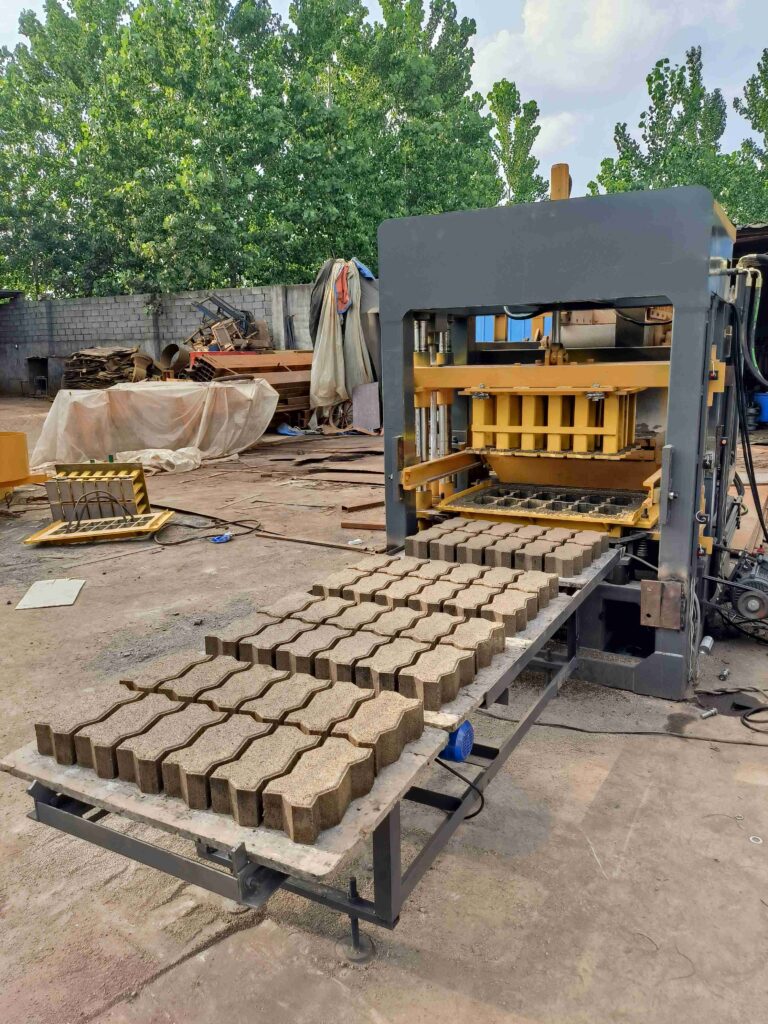
The global construction industry’s accelerating adoption of interlocking brick technology has created unprecedented opportunities for equipment distributors and procurement specialists. These specialized machines represent a significant technological advancement in building material production, enabling the creation of mortar-less construction systems that revolutionize traditional bricklaying methodologies. For industry professionals, comprehending the intricate pricing matrix of interlocking brick machinery is paramount for making informed investment decisions and developing competitive market strategies. The cost structure of these machines reflects their sophisticated engineering, specialized components, and unique production capabilities that differentiate them from conventional brick manufacturing equipment.
Technical Complexity and Its Impact on Pricing
The manufacturing technology behind interlocking brick machines incorporates specialized engineering solutions that significantly influence their market positioning and cost structure.
Specialized Molding System Requirements
The core value proposition of interlocking brick machinery lies in its ability to produce precisely engineered bricks with complex geometrical features.
- Precision Mold Design and Manufacturing
Unlike conventional brick molds, interlocking brick molds require exceptionally tight tolerances, typically within ±0.5mm, to ensure perfect alignment during construction. These molds incorporate complex geometries including shear keys, locking mechanisms, and sometimes internal channels for reinforcement. The manufacturing process utilizes CNC machining centers and EDM (Electrical Discharge Machining) technology to achieve the required precision, contributing 18-25% of the total machine cost. High-chromium steel molds with specialized heat treatment add further expense but ensure production longevity exceeding 500,000 cycles. - Dual-Layer and Multi-Material Capabilities
Advanced interlocking brick systems often feature face and core layers with different material compositions or colors. Machines equipped with dual-feed systems and separate material compartments command 30-40% price premiums over single-layer models. The integration of precisely synchronized feeding mechanisms, separate compression chambers, and sophisticated control systems to manage different material flow rates represents significant engineering complexity that directly impacts manufacturing costs and final pricing.
Advanced Compression Technology
The production of structurally sound interlocking bricks requires specialized compression systems that exceed conventional brick manufacturing requirements.
- Multi-Directional Compression Systems
High-quality interlocking bricks demand compression from multiple axes to achieve uniform density throughout the complex geometrical shape. Machines incorporating top-and-side or even three-directional compression systems demonstrate 25-35% higher pricing than single-direction compression models. These systems require additional hydraulic circuits, precisely engineered platens, and sophisticated control sequences that increase both manufacturing complexity and component costs. - Vibration and Compression Integration
Optimal interlocking brick production combines high-frequency vibration with progressive hydraulic compression to eliminate air pockets and ensure complete material flow into intricate mold details. The integration of variable-frequency vibration motors with precision-controlled hydraulic pressure profiles requires advanced control systems and specially designed vibration tables, adding 15-20% to the base machine cost compared to standard vibration systems.
Market Segmentation and Price Stratification
The interlocking brick machine market exhibits clear stratification based on production capacity, automation levels, and technical capabilities.
Production Capacity-Based Pricing Tiers
Machine pricing correlates directly with output potential, creating distinct market segments with corresponding investment requirements.
- Entry-Level Manual and Semi-Automatic Machines
Positioned in the $8,000-$25,000 range, these machines typically produce 400-1,200 bricks per 8-hour shift and require significant operator involvement. While featuring the basic interlocking mold technology, they lack automated material handling and product removal systems. This segment appeals to small-scale entrepreneurs and community development projects where labor costs are secondary to initial investment considerations. - Mid-Range Fully Automatic Stations
Priced between $45,000 and $120,000, these systems represent the core of the commercial interlocking brick market. Featuring integrated material feeding, automated product handling, and PLC-controlled operation, they achieve outputs of 2,500-6,000 bricks per 8-hour shift. The substantial price increase over entry-level models reflects comprehensive automation, higher-pressure hydraulic systems, and industrial-grade components designed for continuous operation. - High-Capacity Production Lines
Commanding prices from $150,000 to $500,000+, these complete solutions incorporate multiple stations, robotic handling systems, and automated curing management. Designed for industrial-scale production exceeding 10,000 bricks per shift, they represent the premium segment where pricing reflects not just production capacity but also reduced operational costs through maximum automation and efficiency optimization.
Technology-Based Price Differentiation
Advanced features and specialized capabilities create significant price variations within similar production capacity categories.
- Mobile Interlocking Brick Machines
Vehicles-mounted production units designed for on-site manufacturing carry 25-40% price premiums over equivalent stationary models due to their integrated power systems, compact design constraints, and specialized stabilization systems. Their unique value proposition of eliminating brick transportation costs justifies the higher investment for specific application scenarios. - Multi-Product and Quick-Change Systems
Machines capable of producing multiple interlocking brick patterns through quick-change mold systems or adjustable mold components demonstrate 20-30% higher pricing than single-product models. The engineering complexity of precision alignment systems and the additional mold inventory contribute to this price differentiation while offering operational flexibility.
Economic Analysis and Investment Justification
Understanding the business case for interlocking brick machinery requires comprehensive financial modeling beyond initial acquisition costs.
총 소유 비용 분석
A holistic view of equipment expenses throughout its operational lifespan provides crucial context for pricing evaluation.
- Operational Efficiency Metrics
High-quality interlocking brick machines demonstrate significantly better energy utilization, with advanced hydraulic systems consuming 25-35% less power per brick produced compared to entry-level models. The precision engineering of premium machines reduces mold wear and maintenance requirements, decreasing operational costs by 18-28% over a five-year period despite higher initial investment. - Labor Cost Implications
The automation level directly influences operational staffing requirements. Fully automatic systems reduce labor costs to 12-18% of production expenses compared to 35-50% for manual operations. This labor efficiency becomes increasingly significant in markets experiencing rising wage pressures, fundamentally altering the return on investment calculation for higher-priced automated equipment.
Return on Investment Calculation Framework
Strategic equipment evaluation necessitates detailed financial analysis specific to interlocking brick production economics.
- Revenue Generation Potential
Interlocking bricks typically command 15-30% price premiums over conventional bricks due to their construction advantages, including reduced mortar requirements and faster building timelines. This enhanced revenue potential, combined with the unique market positioning of mortar-less construction systems, creates accelerated payback periods despite higher machine costs. - Market Development Considerations
The specialized nature of interlocking brick technology often creates niche market opportunities with reduced competition. This strategic positioning allows for better margin preservation and more predictable revenue streams, factors that substantially impact investment attractiveness and justify premium equipment pricing.
Strategic Procurement Considerations
Optimal equipment acquisition requires aligning technical capabilities with market opportunities and financial constraints.
Supplier Evaluation and Value Assessment
Comprehensive supplier analysis ensures that pricing reflects genuine value rather than simply manufacturing costs.
- Technical Support and Training Value
Reputable manufacturers incorporate comprehensive training programs, detailed technical documentation, and ongoing support services into their pricing structure. This support infrastructure, while contributing to initial costs, dramatically reduces operational risks and ensures production continuity, delivering substantial long-term value that justifies price premiums. - Research and Development Investment
Suppliers maintaining active R&D programs typically price their equipment 10-20% higher than generic manufacturers. This premium reflects continuous product improvement, compatibility with evolving material technologies, and future-proofing against obsolescence—critical considerations for interlocking brick technology where design improvements regularly emerge.
Market-Specific Configuration Optimization
Strategic equipment selection involves matching machine capabilities with specific market requirements to optimize investment efficiency.
- Regional Material Adaptation
Machines configured for specific regional material characteristics—such as volcanic soil compositions, coastal sand properties, or industrial by-product utilization—may carry 8-15% price adjustments reflecting specialized engineering and testing. This customization ensures optimal performance but requires careful evaluation of its necessity for specific operational environments. - Climate and Operational Environment Considerations
Equipment designed for extreme climatic conditions—whether tropical humidity, desert temperatures, or seasonal precipitation variations—incorporate protective features, specialized materials, and environmental sealing that increase manufacturing costs by 7-12%. These adaptations prove essential for operational reliability but contribute to pricing stratification based on environmental capabilities.
결론
The pricing structure of interlocking brick machinery reflects a complex interplay between technical sophistication, production capabilities, and long-term operational economics. For distributors and procurement specialists, understanding this multifaceted pricing matrix is essential for making strategic decisions that balance initial investment against long-term profitability. The premium positioning of these specialized machines is justified by their unique value proposition in the construction market, their ability to create high-margin products, and their operational advantages in appropriate market contexts. Rather than focusing solely on acquisition costs, astute industry professionals evaluate interlocking brick machinery through the dual lenses of technical capability and economic return, recognizing that strategic investment in appropriate technology creates sustainable competitive advantages in the evolving construction materials landscape. The comprehensive analysis presented herein provides the framework for such informed decision-making, enabling industry participants to navigate the complex interlocking brick equipment market with confidence and strategic clarity.
자주 묻는 질문 (FAQ)
Q1: What is the typical price range for a commercial-grade interlocking brick machine?
Commercial-grade machines suitable for profitable business operations typically range from $45,000 to $85,000, with specific pricing determined by production capacity, automation level, and technical features. This investment range typically supports production volumes of 2,500-5,000 bricks per day, enabling viable business operations with appropriate market development.
Q2: How does production capacity affect pricing between different models?
Production capacity demonstrates a non-linear relationship with pricing, with each 1,000-brick daily capacity increase typically adding $8,000-$12,000 to the machine cost in the medium capacity range. This relationship changes at both the entry-level and high-capacity extremes, where additional factors like automation complexity and specialized components influence pricing structures more significantly.
Q3: What are the main cost factors that differentiate interlocking brick machines from conventional brick machines?
The primary differentiators include precision mold manufacturing (18-25% cost impact), specialized compression systems (15-22%), and sophisticated control systems for managing complex production sequences (12-18%). These technical requirements collectively justify the 30-50% price premium typically observed for interlocking brick machines compared to conventional brick equipment with similar output capacity.
Q4: What operational cost factors should be considered beyond the machine price?
Critical operational considerations include mold maintenance and replacement costs (typically $2,000-$5,000 annually for commercial operation), energy consumption (15-30% higher than conventional brick production), and specialized operator training requirements. Additionally, material preparation for interlocking bricks may require additional processing equipment, adding 10-20% to the total project cost beyond the primary machine investment.
Q5: How does automation level impact the price structure?
Each automation level increase typically adds 25-40% to the machine cost while reducing operational labor requirements by 45-65%. The transition from manual to semi-automatic operation represents the most significant labor reduction, while subsequent automation stages primarily impact production consistency and output capacity rather than direct labor costs.
Q6: What warranty and service expectations are reasonable within the pricing structure?
Commercial-grade equipment typically includes 12-18 month warranties on structural components and 6-12 months on hydraulic and electrical systems. Premium-priced models often extend these periods and may include initial training and commissioning services. Service response time commitments and spare parts availability should be clearly defined, as these support elements significantly influence the real value proposition behind the pricing.
Q7: What is the typical payback period for a commercial interlocking brick machine investment?
Well-managed operations typically achieve payback within 14-28 months, depending on local market conditions, brick pricing strategies, and operational efficiency. The unique value proposition of interlocking bricks often enables faster market penetration and premium pricing, potentially reducing payback periods compared to conventional brick production equipment despite higher initial investment requirements.
