
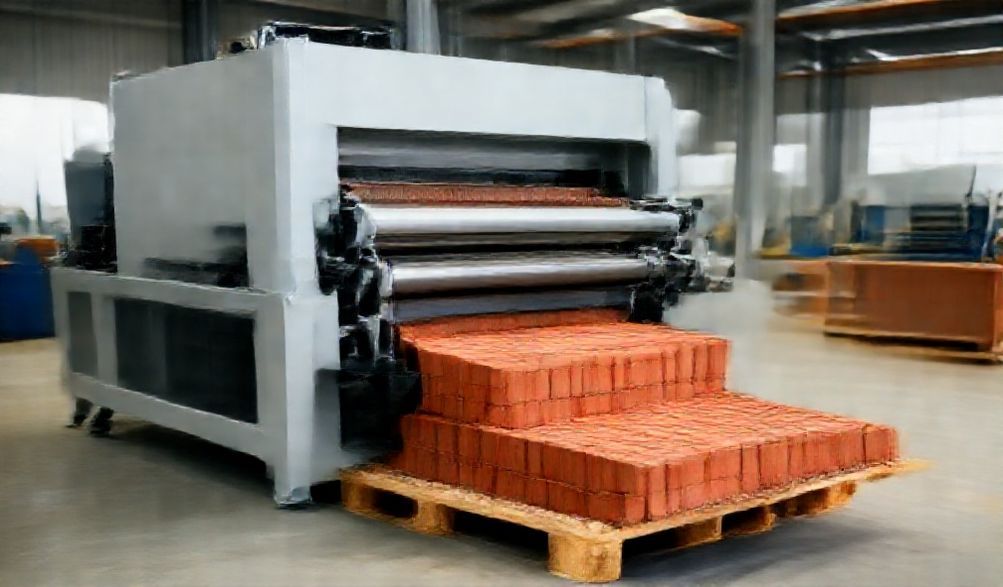
시멘트 포장 벽돌 제작 기계의 궁극적인 가이드: FUDA 블록 제작 공장의 통찰력
소개
도시 광장을 재생하는 것부터 멋진 주거용 진입로를 조성하는 데 이르기까지, 내구성 있고 비용 효율적이며 미적으로 만족스러운 포장 솔루션에 대한 세계적 수요는 그 어느 때보다 높습니다. 지방 자치단체, 계약자, 그리고 주택 소유자들은 보행로, 공공 공간, 파티오에 장수명과 시각적 매력을 결합한 재료를 찾고 있습니다.
그러나 이러한 수요는 종종 전통적인 포장 방식의 현실과 충돌합니다. 수동 생산과 시공은 높은 노동 비용, 고르지 않은 표면을 초래하는 일관성 없는 벽돌 품질, 그리고 몇 주까지 늘어나는 프로젝트 일정으로 어려움을 겪고 있습니다. 결과는 예산 초과, 불만족한 고객, 그리고 놓친 비즈니스 기회입니다.
현대 산업적 해결책은 시멘트 포장용 벽돌 제조 기계입니다. 이 정교한 장비는 시멘트, 골재 및 안료와 같은 원자재를 놀라운 효율성으로 정밀하고 고강도의 인터록킹 포장재로 변환합니다. 이는 현대 개발에서 볼 수 있는 일관되고 아름다운 경포장 뒤에 숨겨진 엔진과 같습니다.
이 가이드는 검증된 방법론에서 직접 도출된 권위 있는 자료로 활용됩니다.경험심오한 기술적전문성FUDA 블록 제작 공장. 전 세계적으로 블록 제작 기계의 설계, 제조 및 지원에 대한 수년간의 실무 경험을 바탕으로, FUDA의 통찰력은 신뢰할 수 있는 현실적인 기반을 제공합니다.
이 기계들에 대한 종합적인 개요를 제공하며, 작동 방식, 부인할 수 없는 이점, 그리고 여러분이 필요로 하는 중요한 선택 기준을 상세히 설명하겠습니다. 우리의 목표는 귀하가 비즈니스의 미래를 위해 정보에 기반한 수익성 있는 투자 결정을 내릴 수 있도록 지식을 갖추도록 하는 것입니다.
시멘트 포장 벽돌 제조 기계란 무엇인가요?
그 핵심에서 시멘트 포장 벽돌 제작 기계는 콘크리트 포장재 생성을 자동화하고 완벽하게 하도록 설계된 특수 산업 장비입니다. 이는 일관성 없는 수작업을 정밀 공학으로 대체하여 모든 단일 제품이 정확한 사양을 충족하도록 보장합니다.
핵심 기능과 출력
이 기계의 주요 기능은 정밀하게 측정된 시멘트, 모래, 돌가루 및 색소 혼합물을 고밀도이고 균일한 모양의 고체로 압축하는 것입니다. 이 과정은 상당한 압력을 가해, 종종 진동, 유압 또는 이 둘의 조합을 통해, 기공을 최소화하고 강도를 극대화한 벽돌을 만들어냅니다.
- 일반적인 최종 제품에는 다음이 포함됩니다:
- 인터로킹 포장재:가장 인기 있는 제품으로, 모르타르 없이도 안정적이고 유연한 표면을 위해 서로 맞물리는 디자인을 특징으로 합니다.
- 가든 패스 슬래브:더 크고 평평한 보도 및 정원 가장자리용 단위.
- 진입로 차단석차량 하중을 견딜 수 있도록 설계된 두꺼운 고강도 블록.
- 장식용 조경석미적 프로젝트를 위한 조약돌, 부채꼴 패턴, 육각형 타일과 같은 특수 모양.
주요 구성 요소와 작동 방식
기본 시스템을 이해하면 생산 과정이 더 이상 신비롭지 않게 됩니다. 이는 조화롭게 연주되는 교향곡과 같아, 각 부분이 중요한 역할을 담당합니다.
- 급이 호퍼원자재는 여기에 적재되며, 자동화 모델에서는 종종 컨베이어 벨트 시스템을 통해 이뤄집니다.
- 믹싱 시스템:재료는 압축에 적합한 완벽한 농도를 위해 정확한 양의 물과 혼합됩니다.
- 곰팡이냐 죽음이냐:맞춤화의 핵심입니다. 이 강철 몰드는 포장석의 모양, 질감, 두께를 결정합니다. 고품질의 정밀 가공된 몰드는 전문 제조의 상징입니다.
- 압축 시스템:여기가 바로 마법이 일어나는 곳입니다. 유압 프레스나 강력한 진동 테이블이 몰드 안의 혼합물을 압축하여 공기를 제거하고 놀라운 밀도를 만들어냅니다.
- Pallet-Based Curing System: The freshly pressed brick is ejected onto a pallet. These pallets are then stacked and moved to a curing area, where the bricks gain strength over time in a controlled environment.
Advantages of Using a Dedicated Paving Brick Machine
Investing in a dedicated machine is a strategic business decision that delivers tangible advantages across multiple fronts.
뛰어난 생산 효율성과 일관성
The leap from manual to mechanical production is transformative.
- 높은 생산률 Machines can produce hundreds, even thousands, of pavers per hour. What takes a manual crew days can be accomplished in a single shift.
- 완벽한 균일성 Every brick has identical dimensions, color saturation, and weight. This eliminates fitting issues during installation, leading to a smoother, more professional finish and satisfied customers. Consistency is not a hope; it’s a guarantee.
Superior Product Quality and Durability
The machine doesn’t just make bricks faster; it makes them better.
- 고압 성형: This process creates a product with very low water absorption and exceptionally high compressive strength. Such pavers resist freeze-thaw cycles, heavy loads, and harsh weather, ensuring a lifespan measured in decades.
- Engineered Interlocking: Machines produce interlocking designs that distribute weight laterally across the entire paved surface. This creates a flexible, stable area that can settle without cracking—a key advantage over poured concrete.
Significant Cost Reduction Over Time
While the initial investment is considered, the long-term return on investment (ROI) is compelling. From the 경험 of business owners who have adopted this technology, the savings are clear:
- 극적으로 낮아진 노동 비용 One machine operated by a small crew replaces a large manual workforce.
- 자재 낭비 최소화 Precise mixing and compaction mean less raw material is wasted due to human error or poor-quality output.
- 프로젝트 완료 기간 단축 The ability to produce on-demand accelerates project timelines, allowing you to take on more work per year and improve cash flow.
Key Features to Look for in a Paving Brick Machine
Not all machines are created equal. Here are the essential criteria to evaluate, informed by industry best practices.
Production Capacity and Automation Level
Your choice should align with your business scale and goals.
- 반자동 기계: Ideal for startups or smaller operations. They require more manual intervention for feeding and pallet handling but offer a lower entry cost and good output.
- 완전 자동 기계: Suited for medium to large-scale production. They integrate conveyors, automatic feeders, and stackers, maximizing output with minimal manpower. Key metrics to compare include blocks per shift, power consumption, and required operator count.
Versatility and Mold Options
Your market opportunities grow with your machine’s flexibility.
- The ability to quickly change molds is crucial. A single machine should be capable of producing a variety of paver shapes, sizes, and thicknesses—from standard rectangles to intricate decorative patterns.
- Inquire about the availability and cost of additional molds. A supplier with a wide catalog demonstrates 권위성 and supports your future business expansion.
Robust Construction and Ease of Maintenance
This is where you assess long-term value and operational reliability—a direct link to a manufacturer’s 신뢰성.
- 빌드 품질: Inspect the frame (heavy-duty steel is best), the brand and quality of the hydraulic pumps and valves, and the rigidity of the vibration table.
- Support Network: Before purchasing, ask: Are spare parts readily available? What is the promised response time for technical support? A reliable machine backed by poor support is a future headache.
Insights from FUDA Block Making Factory: What Makes a Reliable Machine
Drawing from FUDA’s deep 전문성 and manufacturing 경험, here’s what truly separates a dependable machine from the rest.
Engineering for Longevity and Low Downtime
FUDA emphasizes design principles that prioritize uptime and durability:
- Reinforced Vibration Tables: Built to handle constant, high-frequency stress without warping, ensuring consistent brick density for years.
- Precision-Machined Molds: Crafted from high-grade steel with tight tolerances to produce sharp, clean paver edges and facilitate easy demolding.
- Proven Hydraulic Systems: Utilizing components from reputable suppliers to ensure smooth, powerful, and reliable pressing cycles, minimizing the risk of fluid leaks or pressure failures.
The Importance of Comprehensive Support
A machine is a long-term partner. FUDA’s approach underscores that reliability extends beyond the factory floor.
- Trustworthy support includes detailed installation guidance, thorough on-site or video-based operator training, clear maintenance manuals, and—most importantly—responsive after-sales service.
- This support system is not an add-on; it is critical for protecting your investment, ensuring productivity, and maximizing the machine’s operational lifespan.
Real-World Application Scenarios
This applied knowledge builds 권위성. FUDA’s machines are engineered to serve diverse needs:
- Small-to-Medium Paving Contractors: Enhancing their capability to supply and install their own pavers, controlling quality and cost.
- Municipal Projects: Providing a consistent, local supply of pavers for public infrastructure like parks, sidewalks, and parking areas.
- 기업가들: Enabling the launch of a profitable paver supply business, catering to builders, landscapers, and retail customers.
FAQ: Your Questions Answered by Industry Experts
Q1: What is the typical raw material mix for cement paving bricks?
A: A standard foundation mix is approximately 1 part cement, 2 parts fine sand, and 3 parts coarse stone dust or crushed stone (e.g., a 1:2:3 ratio). Color pigments are added as a small percentage of the cement weight (1-5%). The optimal mix can vary based on local material properties and the desired finish strength.
Q2: How much space and what foundation is required to install such a machine?
A: A semi-automatic machine may need a covered area of about 150-200 sq. meters (including production and curing space), with a minimum ceiling height of 3 meters. A fully automatic line requires more. The machine must be installed on a level, solid concrete floor at least 15-20cm thick to absorb vibrations and ensure stability.
Q3: What is the lead time for receiving a machine and starting production?
A: Lead time depends on the machine model and customization. Standard models may ship in 15-30 days after order confirmation, while complex lines take longer. Factor in shipping time and a 1-2 week commissioning period for installation, testing, and operator training before full production begins.
Q4: Can one machine produce different colors and styles of pavers?
A: Absolutely. Different colors are achieved by adding pigments to the mix. To switch styles, you change the mold. The key is to plan production in batches (all of one color/style) to minimize downtime for cleaning the mixing system and mold between changes.
Q5: What kind of after-sales service should I expect from a manufacturer like FUDA?
A: You should expect a clear service protocol: Remote troubleshooting via phone/video, a readily available inventory of common spare parts, detailed electrical and hydraulic diagrams, and the option for periodic maintenance check-ups. This structured support is the cornerstone of a trustworthy partnership.
결론
Investing in a quality cement paving brick making machine is a decisive step toward transforming your business’s productivity, elevating your product quality, and securing long-term profitability. It moves you from being at the mercy of supply chains and manual limitations to being in control of your own efficient, high-quality production.
The value of sourcing both machinery and expert advice from an established entity like FUDA Block Making Factory cannot be overstated. It is where practical 경험, technical 전문성, industry 권위성, and reliable 신뢰성 converge to ensure your investment is sound and supported.
Ready to take the next step?
* For detailed specifications and a customized solution: Contact FUDA Block Making Factory directly for a personalized machine quotation tailored to your production goals.
* For further learning: Inquire about their comprehensive guide to starting and optimizing a paver manufacturing business.
* To assess your options: Use the detailed criteria outlined in this guide as a checklist to evaluate potential suppliers and their offerings.