
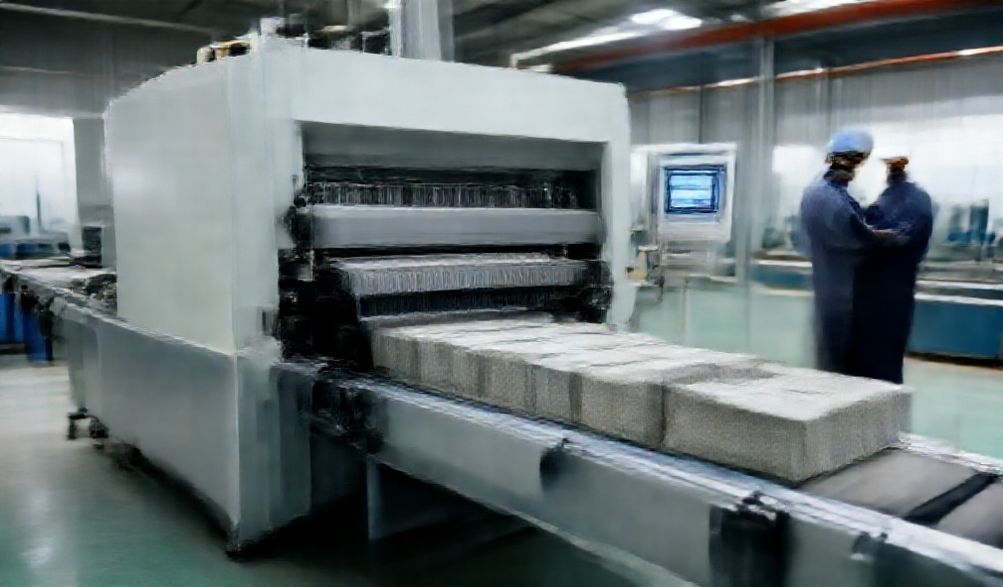
중국 콘크리트 벽돌 제조기 제조업체 선택의 궁극적인 가이드
소개
세계 건설 산업은 도시화, 인프라 개발, 그리고 지속적인 저렴한 주택 수요에 힘입어 호황을 누리고 있습니다. 이러한 성장의 중심에는 간단하지만 중요한 구성 요소인 콘크리트 벽돌, 블록, 보도블록이 자리 잡고 있습니다. 이러한 필수 건축 자재를 효율적이고 비용 효과적으로 생산하려면 믿을 수 있는 기계가 필요합니다. 전 세계의 야심 찬 스타트업부터 기존의 계약업체에 이르기까지, 이 장비를 찾는 기업들의 시선은 한 주요 허브, 즉 중국으로 집중되고 있습니다.
하지만 지구 반대편에서 중장비를 조달하는 것은 부담스러울 수 있습니다. 일반적인 우려 사항으로는 광활하고 때로는 불투명한 시장을 헤쳐 나가는 것, 멀리서 품질 주장을 검증하는 것, 언어 장벽을 극복하는 것, 그리고 신뢰할 수 있는 애프터서비스 지원을 보장하는 것이 있습니다. 성능이 떨어지거나 고장 나는 기계에 상당한 자본을 투자한다는 두려움은 현실입니다.
이 가이드는 그 불확실성을 확신으로 바꾸기 위해 마련되었습니다. 우리는 중국 최고의 콘크리트 벽돌 제조 기계 제조업체를 식별하고, 평가하며, 협력 관계를 구축하기 위한 포괄적이고 단계별 프레임워크를 제공할 것입니다. 우리의 목표는 단순히 기계를 확보하는 것을 넘어, 생산성과 수익성을 위한 장기적인 파트너를 확보할 수 있도록 정보에 기반한 결정을 내릴 수 있도록 돕는 데 있습니다.
이 자료는 산업 분석, 기술적 이해, 그리고 검증된 국제 조달 모범 사례를 바탕으로 구축되었습니다. 이 중요한 투자를 성공적으로 이끌어줄 확실한 로드맵으로 활용하시기 바랍니다.
중국에서 콘크리트 벽돌 제조 기계를 구매하는 이유는 무엇인가요?
중국에서 조달하는 것을 선택하는 것은 단순히 가장 낮은 가격을 찾는 것이 아닙니다. 그것은 전 세계적으로 유례없는 규모, 역량 및 혁신의 독특한 융합에 접근하는 것입니다. 이것이 중국이 건설 기계 분야에서 최고의 목적지로 남아 있는 이유입니다.
비용 효율성과 규모
중국의 제조업 생태계는 거대한 규모의 경제, 정교한 공급망, 경쟁력 있는 노동 시장으로 인해 이점을 누리고 있습니다. 이는 품질을 반드시 희생하지 않으면서도 상당한 비용 우위로 이어집니다.
- 투자 대비 더 많은 기계를 확보하여 투자 수익률을 더 빨리 회수할 수 있습니다.
- 경쟁 시장은 제조업체들이 접근 가능한 가격대에 첨단 기능을 제공하도록 장려합니다.
- 높은 생산량은 예비 부품과 액세서리를 쉽게 구할 수 있음을 의미합니다.
첨단 제조 역량
중국 제조업이 저렴한 모조품과만 연관되던 시대는 지났습니다. 이 산업은 극적으로 발전해왔습니다.
- 주요 제조업체들은 연구 개발(R&D)에 막대한 투자를 하며, 자동화, 에너지 효율성 및 제어 시스템 분야에서 지속적으로 혁신을 이루고 있습니다.
- 최첨단 CNC 가공, 로봇 용접, 자동화 조립 라인이 정밀성과 일관성을 보장합니다.
- 국제 기술 및 안전 표준(예: CE 및 ISO) 준수는 이제 신뢰할 수 있는 공장의 일반적인 기준이 되어 글로벌 시장 요구 사항에 대한 헌신을 나타냅니다.
다양성과 맞춤화
단순한 커뮤니티 프로젝트를 위한 간단한 수동 기계가 필요하든, 대량 생산을 위한 완전 자동화 공장이 필요하든, 중국은 가장 광범위한 스펙트럼을 제공합니다.
- 범위:수동 및 반자동 기계에서 완전 자동 고정식 블록 제조 기계와 이동식 장치까지.
- 유연성대부분의 정착된 제조업체들은 높은 수준의 맞춤화를 제공합니다. 특정 벽돌 크기, 모양(연결형, 중공형, 실속형), 원료 혼합물(플라이 애시나 기타 골재 포함), 그리고 원하는 생산 능력에 맞춰 기계를 조정할 수 있습니다.
- 전문화 You can find manufacturers who specialize in niche products like paving stone machines, curbstone machines, or specialized hydraulic presses.
Key Factors to Evaluate a Chinese Manufacturer
With thousands of manufacturers claiming to be the best, a systematic evaluation is crucial. Look beyond glossy websites and focus on these core pillars.
Manufacturing Experience and Track Record
A company’s history is a strong indicator of stability and reliability.
- 운영 연한 Prioritize manufacturers with a proven track record of 10+ years. They have likely navigated market cycles and refined their products.
- 프로젝트 포트폴리오: Examine their past projects. A diverse portfolio serving clients across different continents (Africa, Southeast Asia, the Middle East, South America) demonstrates adaptability and international experience.
- Client Testimonials & References: Genuine testimonials, case studies, or even video interviews with past clients are invaluable. Don’t hesitate to ask for contactable references for projects similar to yours.
기술 전문성과 혁신
The engineering prowess behind the machine determines its performance and longevity.
- 내부 연구개발(R&D): Does the company have its own engineering and R&D team? This is key for customization, troubleshooting, and continuous improvement.
- Core Technology: Understand their specialization. Do they use high-pressure hydraulic systems or vibration/press combination technology? Each has advantages for different product types and densities.
- 부품 품질 Inquire about the brand of core components. Reputable manufacturers use recognized brands for hydraulic systems (like Rexroth or Yuken), PLCs (like Siemens or Mitsubishi), and electrical components. The grade and thickness of steel used in the frame are also critical for durability.
품질 관리 및 인증
Quality must be engineered into the process, not just inspected at the end.
- QC 프로세스: A trustworthy manufacturer will have documented QC checkpoints at every stage: material inspection, machining, welding, assembly, painting, and final performance testing. Ask for their QC protocol.
- 국제 인증 Certifications are independent validations.
- CE 마킹: Indicates the machine meets EU health, safety, and environmental standards. It’s a strong trust signal.
- ISO 9001: Certifies a consistent Quality Management System in the manufacturing process.
- Testing Evidence: Request videos or reports of the factory acceptance test (FAT) where your specific machine model is run under load.
Production Capacity and Lead Times
Understanding their capacity helps set realistic expectations.
- Factory Scale: The size of the production facility and number of assembly lines indicate their ability to handle your order and future spare part requests.
- Realistic Lead Times: A professional manufacturer will provide a clear production schedule. Typical lead times can range from 30-45 days for standard models to 60-90 days for large, customized plants. Beware of quotes promising impossibly fast delivery.
The Procurement Process: From Inquiry to Delivery
A smooth procurement process is a hallmark of a professional manufacturer. Here’s what a transparent journey looks like.
Effective Communication and Needs Analysis
Clarity from the start prevents costly misunderstandings.
- Provide Detailed Specifications: Prepare a document outlining your needs: desired brick type/size, hourly/daily output, degree of automation, available power supply, and local raw material characteristics.
- Technical Support Team: Ensure the manufacturer has competent, English-speaking sales engineers who can understand your requirements and offer technical advice, not just salespeople.
Factory Audit and Due Diligence
“Trust, but verify.” This step is non-negotiable.
- Virtual Factory Tour: Insist on a live video tour via WhatsApp, Zoom, or WeChat. Observe the workshop organization, worker skill, and equipment in production.
- Verify Documents: Request copies of their business license, export license, and certificates. You can often verify ISO certificates online via the issuing body’s website.
- Check Export History: A manufacturer with consistent export experience understands logistics, documentation, and the needs of international clients.
Understanding Quotations and Payment Terms
A detailed quotation separates professionals from amateurs.
- Proforma Invoice Breakdown: It should clearly list:
- Machine Price: Detailed by model and customization.
- 예비 부품: A recommended starter kit (molds, wear parts, tools).
- 포장: Type of export wooden case.
- Shipping Terms: FOB (본선 인도 조건) means you pay for main shipping and insurance. CIF (Cost, Insurance, Freight) means they arrange and quote for shipping to your nearest port.
- Secure Payment Terms: Standard practice involves a deposit (e.g., 30% T/T) to start production, with the balance paid before shipment. For larger orders, a Letter of Credit (L/C) provides security for both parties.
Shipping, Logistics, and After-Sales Support
The relationship doesn’t end at payment; it begins here.
- 배송 The manufacturer should handle inland delivery to the port and export customs clearance. They can recommend freight forwarders or assist with CIF arrangements.
- After-Sales: The Critical Differentiator
- 보증: Typical warranty is 12 months for the machine, excluding wear parts. Ensure the terms are in writing.
- Documentation: Demand comprehensive English manuals, electrical diagrams, and parts lists.
- 기술 지원 Confirm availability of remote support via video call for troubleshooting.
- 예비 부품: A reliable manufacturer maintains an inventory of spare parts and can ship them promptly. Ask about their parts supply policy.
Types of Concrete Brick Making Machines Explained
Choosing the right machine type is fundamental to your project’s success. Here’s a breakdown of the main categories.
수동 및 반자동 기계
- 최적 대상: Small-scale businesses, startups, community projects, or producing specialty bricks in lower volumes.
- 작전: Require more manual labor for feeding mix, operating levers, and removing finished products.
- 장점:낮은 초기 투자, 단순성, 유지보수의 용이성.
- 단점: Lower output, higher labor dependency, less product consistency.
완전 자동 고정식 블록 제작 기계
- 최적 대상: Medium to large-scale commercial production plants requiring high, consistent output.
- 작전: Fully automated from material feeding and mixing to pressing, curing, and palletizing. Controlled by a central PLC.
- 장점: High production capacity (thousands of blocks per hour), excellent product uniformity, minimal manual labor, high efficiency.
- 단점: Higher capital cost, requires more stable infrastructure (power, space), more complex maintenance.
모바일 벽돌 제조 기계
- 최적 대상:대규모 건설 프로젝트의 현장 생산(예: 외딴 지역에 주거 단지 건설).
- 작전: Mounted on a trailer, they can be towed to the job site to produce bricks directly where they are needed.
- 장점: Eliminates transport costs for finished bricks, ideal for remote sites, reduces material handling.
- 단점: Generally lower output than large stationary plants, may have fewer automation features.
전문 기계
- 인터로킹 포장 블록 제조 기계: Designed for high-pressure production of precise, interlocking paving stones.
- 홀로우 블록 기계: Feature special mold designs and vibration systems to produce high-quality hollow blocks for load-bearing walls.
- Curbstone Machines: Produce long, heavy concrete curbs and gutters using extrusion or slipform technology.
Common Pitfalls and How to Avoid Them
Forewarned is forearmed. Avoid these common mistakes in your sourcing journey.
Prioritizing Price Over Total Value
The cheapest machine often becomes the most expensive.
- Pitfall: Choosing a supplier based solely on the lowest quote.
- Consequence: Hidden costs emerge through frequent breakdowns, low production yield, high energy consumption, and poor after-sales service, leading to massive downtime.
- Avoidance: Conduct a 총 소유 비용 (TCO) analysis. Factor in reliability, energy efficiency, expected lifespan, and support costs.
Vague Contracts and Specifications
Verbal agreements are meaningless in international trade.
- Pitfall: Relying on emails or vague purchase orders.
- Consequence: Disputes over machine capabilities, delivery scope, or warranty terms.
- Avoidance: Insist on a formal, detailed Sales Contract in both English and Chinese. It must include all technical specifications, payment terms, delivery terms, warranty details, and responsibilities of both parties.
Neglecting After-Sales Service Agreements
Your machine will need maintenance and spare parts.
- Pitfall: Not clarifying the terms of after-sales support before purchasing.
- Consequence: Being stranded with a non-operational machine, unable to source correct spare parts or get technical help.
- Avoidance: Make the after-sales service plan—including response time, spare parts availability, and remote support terms—a key part of your contract negotiations.
FAQ Section
Q1: What is the average lead time for a machine from order to delivery?
A: For standard models, expect 30-45 days. For large, customized fully automatic plants, lead times can be 60-90 days. Always confirm the schedule with your manufacturer.
Q2: Can manufacturers provide customized solutions for specific brick designs or raw materials?
A: Yes, most reputable manufacturers offer customization. You can provide a sample brick or drawing, and their engineers can design a suitable mold and adjust machine parameters for your specific raw material mix (e.g., soil-cement, fly ash).
Q3: How do I verify the authenticity of a manufacturer’s certifications?
A: Request the certificate number and issuing body. For ISO 9001, you can often verify it on the website of the certification agency (e.g., SGS, BV, TÜV). For CE, ask for the Technical Construction File and Declaration of Conformity.
Q4: What is the typical warranty period, and what does it cover?
A: A standard warranty is 12 months from the date of shipment, covering defects in material and workmanship. It typically excludes wear parts (like mold liners, springs), consumables, and damage due to improper operation or maintenance.
Q5: Do manufacturers provide installation supervision and operator training?
A: Many offer this as a paid service. An engineer can travel to your site to supervise installation, commission the machine, and train your operators. This is highly recommended for complex automatic systems.
Q6: What are the key differences between hydraulic and vibration press machines?
A:Hydraulic presses use immense, controlled pressure to compact the concrete, producing very dense, high-strength blocks with a smooth finish. Vibration-based machines use vibration and pressure to consolidate the mix, often faster and well-suited for hollow blocks and standard pavers. The best choice depends on your desired product strength and type.
Q7: How can I source reliable spare parts after purchase?
A: This underscores the importance of choosing a established manufacturer. They should maintain a spare parts inventory. Ensure you receive a detailed parts book with item codes, and establish a direct contact with their after-sales department for future orders.
결론
Selecting the right China concrete brick making machine manufacturer is a strategic business decision that extends far beyond a simple transaction. It is about forming a partnership with a company that embodies transparency, proven engineering expertise, and a genuine commitment to your long-term success. The right machine is an investment that will drive your productivity, profitability, and growth for years to come.
By following the framework outlined in this guide—emphasizing diligent evaluation, clear communication, and robust contractual agreements—you can navigate the vast Chinese market with confidence. You will be equipped to move past the noise and identify a partner whose values align with your need for quality, reliability, and unwavering support.
Your Next Steps: Prepare your detailed project specifications. Use the criteria discussed to shortlist 3-5 potential manufacturers. Initiate contact, request comprehensive quotations and certifications, and schedule in-depth video conferences with their technical teams. Your ideal manufacturing partner is waiting for a professional inquiry.
<