
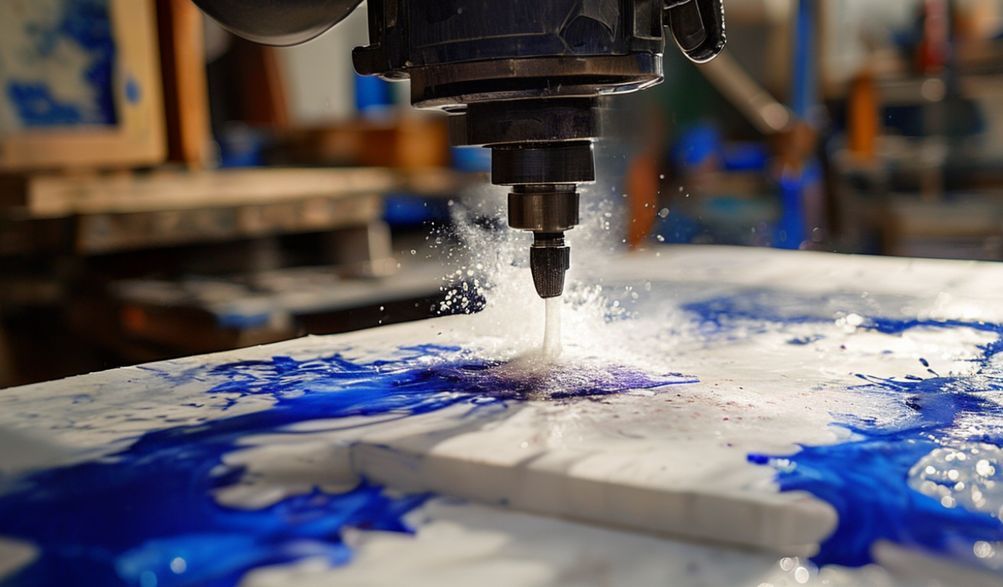
The Ultimate Guide to Hand Block Machines: Tradition Meets Technology
The mesmerizing swirls of a floral motif on cotton, the precise geometry of a traditional pattern on silk—hand-block printed textiles carry a soulful beauty that mass-produced fabrics simply cannot replicate. This art form, with roots stretching back centuries across cultures from India to Europe, continues to captivate the modern world, gracing high fashion, home decor, and conscious consumer wardrobes. But behind this beauty lies a physically demanding craft, often limited by the sheer endurance of human hands. What if you could produce this intricate art with greater speed, consistency, and scale, all while preserving its essential handmade character?
This is the central challenge and opportunity facing artisans and textile businesses today. Purely manual block printing, while rich in tradition, faces real-world hurdles: it’s labor-intensive, difficult to scale for larger orders, and maintaining perfect consistency across meters of fabric is a monumental task. The solution isn’t to replace the artisan, but to empower them. Enter the hand block machine—a sophisticated yet respectful fusion of timeless craft and modern engineering.
This comprehensive guide will demystify the hand block machine. We’ll explore how it works, its undeniable benefits over traditional methods, the key features you need to understand, and how it serves as a powerful tool for both preserving heritage and building a viable business. Drawing on years of textile manufacturing expertise and direct engagement with artisan communities, this guide provides trustworthy, actionable insights to help you navigate this innovative tool.
What is a Hand Block Machine? Revolutionizing a Craft
At its heart, a hand block machine is not an autonomous robot that removes the human element. Instead, think of it as a masterful assistant—a mechanized aid designed to perform the most physically taxing part of the process with superhuman consistency.
핵심 정의와 기능
A hand block machine is a device that uses controlled, mechanized pressure to transfer dye from a hand-carved wooden block onto fabric. The artisan remains in complete creative control, preparing the fabric, mixing the dyes, and placing the block. The machine then applies a precise, even, and repeatable force, ensuring a perfect impression every time. It is, in essence, a force multiplier, allowing one artisan to achieve the output of several, without the fatigue that leads to variable quality.
A Brief History: From Manual to Mechanized Assistance
For centuries, the block printing process was unchanged:
* The artisan would align (register) the block by eye.
* They would apply dye to the block’s surface.
* With a forceful, precise strike of their fist or a mallet, they would transfer the pattern onto the fabric.
* This would be repeated thousands of times for a single piece.
The evolution to mechanized assistance began with simple lever presses and has advanced to sophisticated pneumatic systems. This history isn’t a story of replacement, but of adaptation. It’s about using technology sustainably to protect the artisan’s body, uphold quality standards demanded by today’s markets, and ensure the craft’s economic survival for future generations.
Key Advantages of Using a Hand Block Machine
Integrating a machine into your block printing workflow unlocks transformative benefits that address the core limitations of manual work.
Unmatched Consistency and Precision
Human arms tire. Human eyes, over hours of repetitive work, can miss a slight misalignment. A machine eliminates these variables.
* Even Impression Depth: Every strike has the exact same pressure, resulting in uniform color saturation and clarity across the entire fabric length.
* Perfect Pattern Registration: For multi-color designs, the machine’s registration system ensures each subsequent block aligns perfectly with the last, creating crisp, professional patterns without blurring or ghosting.
Dramatically Increased Production Speed & Scalability
This is where the business case becomes clear. While a master artisan might manually print a few meters per hour, a machine can increase that output exponentially.
* Metric: A single operator with a machine can often produce 5 to 10 times the output of manual printing.
* 영향 This allows small studios to fulfill larger orders, meet tighter deadlines, and grow their business profitably without compromising on the handmade nature of their product.
Reduced Physical Strain on Artisans
The manual block printing process is notoriously hard on the body, leading to repetitive stress injuries in the hands, wrists, and shoulders.
* Ergonomic Benefit: The machine absorbs the physical impact. The artisan’s role shifts from forceful pounding to skilled operation and oversight.
* Long-Term Sustainability: This makes the craft sustainable as a lifelong profession, helping to retain skilled artisans and attract new talent.
Optimal Material Efficiency
Controlled application isn’t just about quality—it’s about cost.
* Minimized Dye Waste: The machine applies the ideal amount of pressure, preventing over-saturation and excessive dye bleed. This means less wasted, often expensive, natural dye.
* Cleaner Results: Consistent pressure reduces the need for re-works or wastage due to flawed prints, maximizing your material yield.
Critical Components and Features of a Hand Block Machine
Understanding these core components will help you evaluate different models and suppliers effectively.
The Pressure System: Pneumatic vs. Mechanical
This is the “heart” of the machine, determining how force is applied.
* Pneumatic (Air-Powered): Uses an air compressor to deliver pressure. It offers a softer, more adjustable “touch,” which is ideal for delicate fabrics like silk or fine cotton. Pressure is easily regulated with a gauge.
* Mechanical (Lever or Fly Press): Uses a manual lever or screw mechanism. Often more affordable and doesn’t require a compressor. It can deliver very high pressure but with less fine-tuned control than a pneumatic system.
The Printing Bed & Registration System
This is the “canvas” where the magic happens.
* Bed: Must be perfectly flat and stable (often made of seasoned wood or metal) to ensure an even print.
* Registration System: Consists of guides, stops, or laser markers that ensure the fabric and subsequent blocks are placed in the exact same position for every impression. This is non-negotiable for multi-color work.
Block Clamping and Alignment Mechanisms
This is the interface between the machine and your hand-carved art.
* Clamping: A secure, often adjustable clamp holds the block firmly in place to prevent movement during impression.
* Micro-Adjustments: High-quality machines allow for tiny adjustments in the block’s position (front/back, side-to-side, tilt) to achieve perfect alignment before locking it in.
Build Quality and Durability Factors
A hand block machine is a long-term investment. Look for:
* 프레임 구성 Heavy-duty steel or cast iron for vibration-free operation.
* Bearing Quality: Precision bearings ensure smooth, consistent movement.
* Overall Finish: Robust components and good corrosion resistance indicate a machine built for daily professional use.
How to Choose the Right Hand Block Machine: A Buyer’s Guide
Selecting the right machine requires an honest assessment of your current needs and future goals.
Assessing Your Production Volume and Scale
- Small Studio/Startup: A compact, manually operated or small pneumatic machine is ideal. Focus on footprint, ease of use, and a lower initial investment.
- Medium Enterprise/Growing Business: A robust pneumatic machine with a good registration system is key. Prioritize reliability, service support, and features that reduce setup time for multiple designs.
- Large-Scale Production: Look for industrial-grade pneumatic systems, potentially with semi-automatic feed systems. Durability, uptime, and high-speed consistency are the critical factors.
Fabric and Design Complexity Considerations
- Delicate Fabrics (Silk, Chiffon): A pneumatic machine with adjustable, gentle pressure is essential.
- Heavy Fabrics (Canvas, Upholstery): You’ll need a machine capable of higher pressure (a strong mechanical or pneumatic model).
- Multi-Color vs. Single-Color: Complex designs demand a machine with an exceptional, easy-to-use registration system. For single-color work, this is less critical.
Budgeting: Initial Investment vs. Long-Term ROI
Don’t just look at the sticker price. Frame it as a capital investment.
* Cost Factors: Include machine price, shipping, installation, and any ancillary equipment (compressor for pneumatic models).
* ROI Calculation: Calculate based on increased output, reduced labor cost per meter, and decreased material waste. A quality machine should pay for itself by enabling growth and improving your profit margins.
Essential Questions to Ask Suppliers
Arm yourself with this checklist:
* What is the warranty period and what does it cover?
* Is after-sales service and technical support available locally or remotely?
* Are spare parts readily available, and what is their typical cost?
* Do you offer installation and basic operator training?
* Is a trial or demonstration possible before purchase?
Integrating a Machine into a Traditional Workflow
Adopting a machine is about augmentation, not replacement. The artisan’s creativity remains the driving force.
The Irreplaceable Human Touch: Carving and Design
This cannot be overstated. The machine does nothing without:
* The skill of hand-carving the intricate wooden block.
* The artistry of designing the pattern and color palette.
* The knowledge of preparing and mordanting fabrics.
* The expertise in mixing the perfect dye consistency.
Step-by-Step Process with a Machine
The workflow adapts seamlessly:
1. Fabric Preparation: The fabric is washed, treated, and stretched/fixed onto the machine’s bed.
2. Block Mounting & Alignment: The hand-carved block is secured in the clamp and aligned using the machine’s registration system.
3. Dye Application: The artisan applies dye to the block’s surface by hand (using a tray or pad), ensuring even coverage—a step still done manually for optimal control.
4. Machine Impression: The artisan positions the block and activates the machine to apply a perfect, consistent impression.
5. Curing and Washing: The printed fabric is dried, cured (if necessary), and washed as in the traditional process.
Training and Skill Adaptation for Artisans
The learning curve is surprisingly short. Training focuses on:
* Safe machine operation and basic troubleshooting.
* Mastering the registration system for alignment.
* Routine cleaning and maintenance.
This frees the artisan from physical strain, allowing them to focus their energy and skill on the creative and qualitative aspects of their work.
자주 묻는 질문 (FAQ)
Q: Does using a machine make the product “less authentic” or “handmade”?
A: Absolutely not. The defining “handmade” elements—the hand-carved block, the artisan-controlled dye mix and placement, and the overall design—remain. The machine is a tool, much like a potter’s wheel or a weaver’s loom, that assists in one specific, physically demanding step. The soul and skill of the craft are preserved and even enhanced by the improved consistency.
Q: What is the typical maintenance required for a hand block machine?
A: Maintenance is simple but crucial for longevity:
* Daily: Clean the printing bed and any mechanisms to prevent dye buildup.
* Weekly/Monthly: Lubricate moving parts as per the manufacturer’s manual.
* For Pneumatic Models: Regularly check and drain the air compressor, and inspect filters.
A well-maintained machine can last for decades.
Q: Can I use my existing hand-carved wooden blocks with a machine?
A: Yes, in most cases. Machine clamping systems are designed for traditional blocks. However, consult your supplier if your blocks are exceptionally large, small, or fragile to ensure compatibility and avoid damage.
Q: What is the power requirement for an electric/pneumatic hand block machine?
A: Most standard machines run on a single-phase electrical connection (common household/workshop 220V or 110V). Pneumatic models require a compatible air compressor. Always verify the specific voltage and air pressure (PSI/Bar) requirements with your supplier before installation.
Q: Is a hand block machine suitable for a small home-based business?
A: Yes. Compact, table-top models are perfect for entrepreneurs and small studios. They increase output and professionalism without requiring a large industrial space, making them an excellent first step in scaling a craft business.
결론
The hand block machine stands as a powerful symbol of how heritage and progress can work in harmony. It is not the end of a tradition, but a new chapter—one that safeguards the artisan’s craft by making it more viable, sustainable, and responsive to the demands of a global market. By addressing the very real challenges of physical strain and scalability, this technology invests in the future of the artisans themselves.
Ultimately, choosing a hand block machine is an investment in quality, consistency, and growth. It empowers you to preserve the beautiful imperfections of human artistry while eliminating the costly inconsistencies of human fatigue.
Ready to explore specific models? Download our detailed comparison checklist to evaluate features and suppliers.
Want to see it in action? Visit our YouTube channel for a demonstration of a hand block machine printing a complex multi-color pattern.
Our guidance is built on direct industry experience and a commitment to the sustainable growth of textile arts. For further, personalized advice, consult with a trusted equipment specialist.
<