
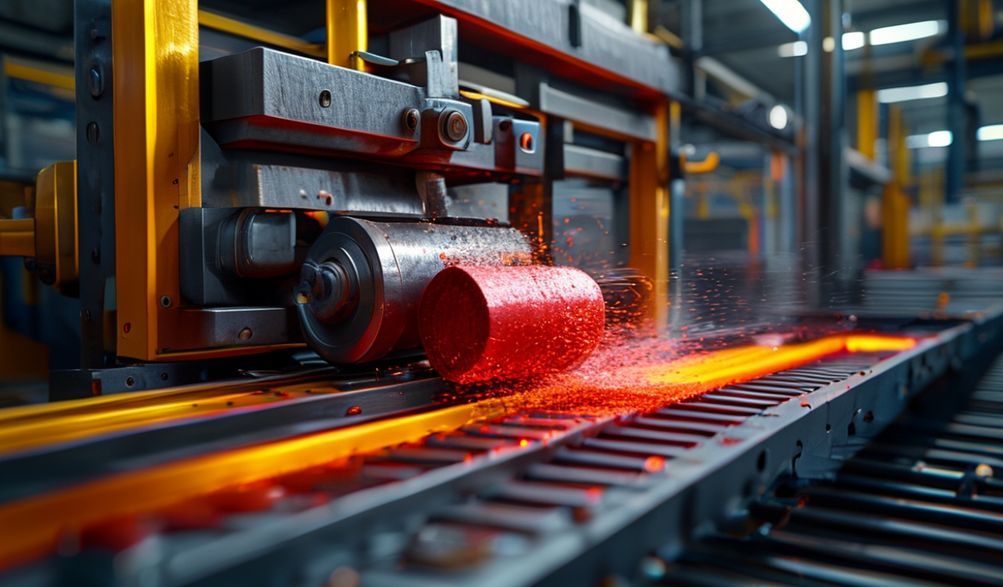
유압 프레스 벽돌 제작기의 궁극적인 가이드: 효율성, 종류 및 선택 방법 ## Explanation of Translation Choices: - **"The Ultimate Guide to"** is translated as **"궁극적인 가이드"** to convey the comprehensive and authoritative nature of the guide. - **"Hydraulic Press Brick Machines"** is translated as **"유압 프레스 벽돌 제작기"**, which accurately describes the machinery used for making bricks with hydraulic pressure. - **"Efficiency, Types & Selection"** is translated as **"효율성, 종류 및 선택 방법"**, clearly breaking down the key aspects covered in the guide: efficiency, different types, and how to choose the right machine.
소개
전 세계 건설 산업이 매년 1조 5천억 개 이상의 벽돌을 소비한다는 사실을 알고 계셨나요? 이러한 엄청난 수요를 전통적인 노동 집약적 방식으로 충족하는 것은 지속 가능하지도, 경제적으로도 실현 가능하지 않습니다. 해답은 현대적 기계화에 있으며, 이 혁명의 중심에는 단 하나의 강력한 장비, 바로유압 프레스 벽돌 기계.
이 포괄적인 가이드는 여러분의 결정적 참고 자료가 되도록 설계되었습니다. 제조 공장 관리자이든, 수직 계열화를 모색하는 건설 사업주이든, 건축 자재 분야에 진출하는 기업가이든, 우리의 목표는 전문가 수준의 지식을 제공하는 것입니다. 여기에 담긴 통찰력은 엔지니어링 사양, 운영 사례 연구, 그리고 업계에 대한 심층적인 기술 분석을 종합한 것입니다.
우리의 목표는 명확합니다: 여러분이 정보에 기반한, 비용 효율적이며 품질 중심의 결정을 내릴 수 있도록 돕는 것입니다. 우리는 이 기술의 신비를 벗겨내고, 그 실질적인 이점을 탐구하며, 여러분의 특정 요구에 맞는 적절한 기계를 선택하고 운영하기 위한 명확한 틀을 제공할 것입니다. 이 가이드를 마칠 때쯤이면, 여러분은 왜 유압 프레스가 현대적 고밀도 벽돌 생산의 초석이 되었는지 이해하게 될 것입니다.
우리는 다룰 내용은 다음과 같습니다:
핵심 작동 원리와 주요 구성 요소.
* 기존 방법에 비해 부인할 수 없는 장점들.
* 이용 가능한 다양한 유형의 기계.
* 선택을 위한 상세한 구매자 체크리스트
* 필수 운영 및 유지 관리 모범 사례.
수압 프레스 벽돌 기계란 무엇이며 어떻게 작동하나요?
본질적으로, 유압 프레스 벽돌 제조기는 엄청난 양의 제어된 유체 압력을 이용해 원자재를 고밀도의 정밀한 모양의 벽돌이나 블록으로 성형하는 장치입니다. 이 기계는 수작업이나 기계적 타격의 변동성이 큰 힘을 일관적이고 프로그램 가능한 유압 동력으로 대체합니다.
핵심 운영 원리
기계는 작동합니다.파스칼의 법칙밀폐된 유체에 가해진 압력은 모든 방향으로 감소 없이 전달됩니다. 실제로는:
1. 작은 면적의 피스톤(유압 펌프)에 작은 힘이 가해집니다.
이로 인해 유압 유체에 높은 압력이 발생합니다.
3. 유체는 이 압력을 훨씬 더 큰 피스톤(메인 램)으로 전달합니다.
이는 금형 내 재료에 수백 톤에 달하는 엄청나게 증폭된 힘이 가해지는 결과를 낳습니다.
생산 사이클은 일관되고 반복 가능한 과정입니다.
* 급식준비된 원료(예: 습식 점토, 플라이 애시 혼합물)를 몰드 캐비티에 투입합니다.
* 압축주 유압 램이 하강하여 재료에 엄청난 압력을 가합니다.
* 보유 The pressure is maintained for a set duration to allow for proper compaction and shape retention.
* 이젝션 The ram retracts, and the freshly pressed brick is ejected onto a pallet or conveyor.
주요 구성 요소와 그 기능
Understanding the major components clarifies the machine’s reliability and capabilities:
- 유압 파워 팩 The “heart” of the system. It consists of an electric motor, hydraulic pump, valves, and an oil reservoir. It generates and regulates the fluid power needed for the press cycle.
- Main Cylinder and Ram: The “muscle.” This is the large-diameter cylinder that houses the ram (piston). It converts hydraulic pressure into the massive linear force that compacts the brick.
- 금형(다이) 및 팔레트 시스템: The “form.” The mold is a precision-engineered steel cavity that defines the brick’s shape (solid, hollow, interlocking). Pallets provide a moving base for the brick during and after pressing.
- 제어 시스템 The “brain.” This ranges from simple manual levers to advanced Programmable Logic Controllers (PLCs) with touchscreen interfaces. It governs the cycle sequence, pressure settings, and timing.
- 프레임과 구조 The “skeleton.” A heavy-duty, welded steel frame that must withstand immense cyclic loads without deformation, ensuring long-term precision and operator safety.
Top Advantages of Using a Hydraulic Brick Press
Shifting from traditional methods to a hydraulic press offers transformative benefits that impact product quality, operational efficiency, and your bottom line.
Superior Product Quality & Density
This is the most significant advantage. The static, high-pressure compaction creates bricks with:
* Extremely Low Porosity: This leads to higher water resistance and better frost resilience.
* 높은 압축 강도: Hydraulically pressed bricks routinely achieve strengths 30-50% higher than those made by vibration or manual methods, often exceeding 15-20 MPa.
* Uniform Dimensions and Sharp Edges: Consistent pressure ensures every brick is identical, simplifying bricklaying and reducing mortar use.
Remarkable Production Efficiency & Output
Hydraulic presses bring automation and speed to brick production.
* Automated Cycles: Once set, the machine repeats the perfect press cycle tirelessly.
* 높은 생산률 A semi-automatic machine can produce 1,000 to 3,000 bricks in an 8-hour shift, while fully automatic lines can exceed 10,000.
* 24시간 잠재력: With robust construction and automated material handling, these machines can operate continuously with minimal supervision.
Unmatched Material Versatility
Unlike many traditional methods, hydraulic presses can efficiently process a wide array of materials:
* 전통적인: Clay, soil.
* Industrial By-products: Fly ash, slag, bottom ash.
* Modern Mixes: Cement-stabilized soil, concrete.
* Recycled Materials: Crushed construction waste.
This versatility is key to sustainable, cost-effective construction, allowing producers to use locally available and often lower-cost materials.
Cost-Effectiveness & ROI
The initial investment is offset by substantial long-term savings:
* 인건비 절감 One operator can manage a machine that does the work of dozens of manual laborers.
* 폐기물 감소 Precise compaction and uniform quality drastically lower the reject rate.
* 에너지 효율 Hydraulic systems consume power primarily during the compression stroke, unlike constantly running motors in some other machines.
* Durable Output: The high-quality bricks command better market prices and reduce call-backs due to failure.
Operational Safety and Ease of Use
Modern hydraulic presses are designed with safety as a priority.
* Enclosed Systems: The high-pressure fluid is contained within hoses and cylinders.
* Safety Interlocks: Guards and sensors prevent the machine from operating if a door is open or a pallet is misplaced.
* Simplified Controls: PLC interfaces allow operators to control the entire process with simple touch commands and monitor system status easily.
Types of Hydraulic Press Brick Machines
The market offers various configurations to suit different production scales and product lines.
By Automation Level
- Manual Hydraulic Press: The operator manually feeds material and initiates each press cycle. Lowest cost, suitable for very small-scale or custom production.
- Semi-Automatic Hydraulic Press: Material feeding is manual (or partially mechanized), but the press, holding, and ejection cycles are automatic. The best balance of productivity and affordability for small to medium businesses.
- Fully Automatic Hydraulic Press Line: Integrates automatic material feeding, pressing, brick handling, stacking, and pallet return. Requires significant investment but delivers maximum output with minimal labor.
By Product Output
- Solid Brick Making Machine: Produces dense, solid bricks for general construction.
- Hollow Block Making Machine: Creates lightweight, insulating blocks with cavities. Requires a mold with core rods.
- Paver/Interlocking Brick Machine: Manufactures paving stones and interlocking bricks for landscaping and roads, often with textured molds.
- Curbstone Making Machine: Designed for producing long, heavy curbstones, typically with a specialized mold and handling system.
By Mobility
- Stationary Hydraulic Press: The standard industrial setup, installed on a solid concrete foundation for high-volume, permanent production.
- Mobile Hydraulic Brick Making Machine: Mounted on a trailer, allowing on-site production for large projects, eliminating transport costs for finished bricks.
How to Choose the Right Hydraulic Press: A Buyer’s Checklist
Selecting the ideal machine is critical. Use this expert checklist to guide your evaluation.
Assess Your Production Requirements
먼저 이러한 기초적인 질문에 답해 주세요:
* What is your target 일일 생산량 (bricks per shift)?
* What type and size of bricks/blocks do you need to produce? (Have sample drawings ready).
* What are the characteristics of your primary raw material? (e.g., particle size, moisture content, abrasiveness).
Evaluate Technical Specifications
Scrutinize these key metrics on supplier datasheets:
* 압력 용량 Rated in tons (e.g., 150T, 300T). Higher tonnage generally produces denser bricks and allows for larger block sizes.
* 사이클 타임: The time for one complete press operation (e.g., 15-30 seconds). Faster cycles mean higher output.
* Mold Size & Customization: Ensure the standard or customizable mold fits your desired product dimensions.
* 모터 파워: Rated in kW. Indicates the machine’s power draw and overall capability.
Consider Build Quality and Durability
The machine’s construction dictates its lifespan.
* 프레임 Look for heavy-duty, welded steel plate construction, not lightweight channel frames.
* 유압 구성 요소 The quality of cylinders, pumps, and valves is paramount. Reputable brands like Bosch Rexroth, Yuken, or Parker indicate a higher-quality system.
* Surface Treatment: Paint or powder coating should be robust to resist corrosion in industrial environments.
Examine the Control System and Automation
The control panel is your primary interface.
* PLC with Touchscreen is the modern standard, offering precision control, recipe storage, fault diagnostics, and production data logging.
* Assess the level of automation you truly need. Can you justify the cost of a fully automatic line, or will a semi-automatic model meet your needs with a manageable labor input?
Factor in After-Sales Support and Service
This is often the most overlooked yet critical factor. A machine is a long-term asset.
* Supplier Reputation: Research the manufacturer’s history, client testimonials, and industry presence.
* 예비 부품 가용성: Ensure common wear parts (seals, hoses, filters) are readily available locally or via swift shipping.
* 보증: Understand the terms and scope of the warranty.
* 기술 훈련 Does the supplier offer comprehensive training for your operators and maintenance staff?
* 확인: Ask for references and, if possible, visit an existing installation to see the machine in operation.
Operational Best Practices and Maintenance Tips
Proper care ensures peak performance, longevity, and safety. Industry practice shows that disciplined maintenance is the single biggest factor in machine uptime.
Daily and Weekly Maintenance Routines
- Daily:
- Check hydraulic oil level and temperature.
- Inspect for any visible oil leaks.
- Clean the mold and pallets to prevent material buildup.
- Listen for unusual noises from the pump or motor.
- Weekly/Monthly:
- Check and tighten critical bolts and nuts on the frame and mold.
- Lubricate all guide rods and moving points as per the manual.
- Inspect hydraulic filters and air breathers.
- Check the condition of electrical connections.
Common Operational Issues and Troubleshooting
- Low Pressure/Weak Bricks: Likely caused by low hydraulic oil, a worn pump, or internal valve leakage. Check oil level first, then system pressure gauges.
- Oil Leaks: Identify the source (hose fitting, cylinder seal). Replace seals or hoses immediately with correct-grade components.
- Uneven Brick Height: Usually indicates an uneven feed of material into the mold or a worn/misaligned mold. Check the feeding system and mold condition.
- Brick Sticking in Mold: Caused by a worn/damaged mold, insufficient mold release agent, or incorrect moisture content in the raw material.
Safety Protocols for Operators
Safety must be non-negotiable.
* PPE is Mandatory: Safety glasses, steel-toe boots, and hearing protection.
* Lockout-Tagout (LOTO): Always follow LOTO procedures before performing any maintenance or clearing a jam.
* Never Bypass Safety Guards or Interlocks: These are installed for a critical reason.
* Formal Training: Ensure every operator is fully trained on both normal procedures and emergency shutdowns.
자주 묻는 질문 (FAQ)
Q1: What is the average production capacity of a standard hydraulic press brick machine?
A: Capacity varies widely. A semi-automatic model typically produces 1,000 to 5,000 bricks per 8-hour shift, depending on brick size and cycle time. Fully automatic lines can produce 8,000 to 15,000+ bricks per shift. Always base estimates on the specific machine’s cycle time.
Q2: Can I use locally available soil or clay in a hydraulic press?
A: Yes, and this is a major advantage. However, for optimal results, the material often needs screening to remove large stones and may require mixing with a stabilizer (like 5-10% cement or lime) to achieve the necessary strength and reduce cracking. Controlling moisture content is also crucial.
Q3: What is the typical power consumption of these machines?
A: Motor power typically ranges from 7.5 kW for small models to 37 kW or more for large, fully automatic lines. Importantly, consumption is intermittent—the motor loads primarily during the compression stroke—making them relatively energy-efficient for their output.
Q4: How long does it take to see a return on investment (ROI)?
A: The ROI period depends on your local brick market price, production scale, operational efficiency, and machine utilization. For a well-utilized machine in a stable market, a typical ROI period ranges from 18 months to 3 years. A detailed business plan factoring in all costs and revenues is essential.
Q5: What is the key difference between hydraulic and vibration press brick machines?
A: The core difference is the compaction method. Hydraulic presses apply high, static pressure, excelling at producing very dense, high-strength solid bricks (e.g., fly ash bricks). Vibration presses use a combination of vibration and compaction force, and are often better suited for producing hollow blocks and lightweight products where extreme density is not the primary goal.
결론
The hydraulic press brick machine stands as a transformative technology in the construction materials sector. It elevates brick production from a variable, labor-intensive craft to a precise, efficient, and scalable industrial process. The benefits—unmatched product density, material versatility, and strong long-term economics—make it a compelling investment for forward-thinking businesses.
As you move forward, use the detailed checklist provided here to guide your conversations with suppliers. Prioritize build quality, transparent technical specifications, and, above all, a supplier with a proven track record of robust after-sales support. The right partnership is as important as the machine itself.
Looking ahead, trends like increased IoT integration for predictive maintenance and the growing use of recycled aggregates will further enhance the value proposition of these machines, cementing their role in the future of sustainable construction.
Ready to specify your project requirements? Contact a reputable supplier with your production goals and raw material details to request a detailed, machine-specific quotation and a discussion on operational training.
<