
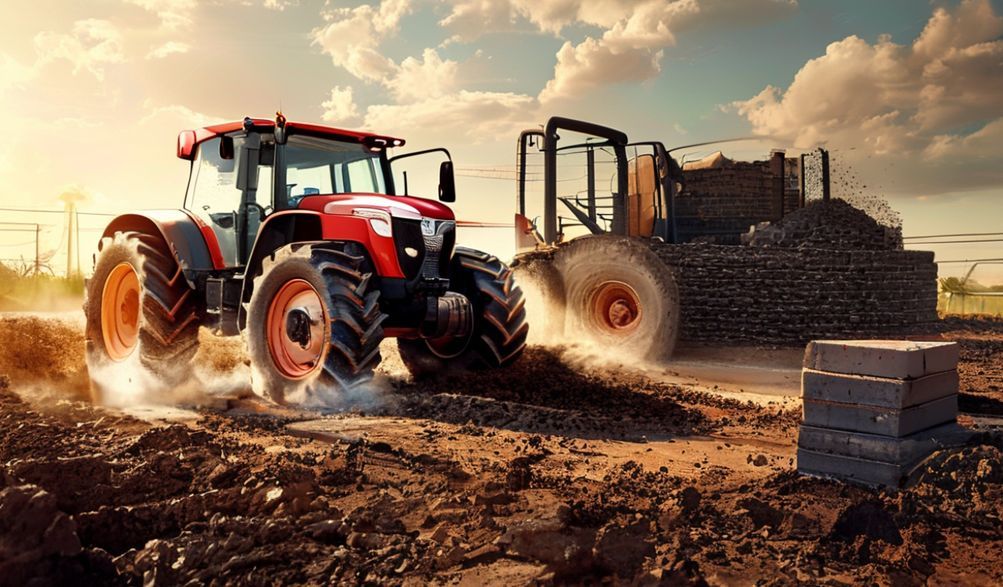
푸다 벽돌 공장의 트랙터 벽돌 제작 기계 최종 가이드
소개
건설 장비의 세계를 탐색하려면 이론이 아닌 실제 적용에 기반한 조언이 필요합니다. 이 포괄적인 가이드는 벽돌 제조 기계 분야에서 15년 이상의 실무 경험을 가진 업계 전문가들이 집필했습니다. 우리는 유명한 푸다 벽돌 제조 공장의 혁신적인 트랙터 벽돌 제조 기계를 이해하는 데 도움이 되는 전문적이고 공정한 분석을 제공합니다.
이 게시물은 현장 벽돌 제조를 혁신하기 위해 이 장비가 어떻게 손쉽게 구할 수 있는 농업 동력을 강력한 산업 생산과 독창적으로 결합하는지 상세히 설명하는 권위 있는 정보원이 될 것입니다. 계약자이건, 외딴 지역에서 일하는 개발자이건, 농업 부동산 프로젝트를 관리 중이건, 이 기술은 비용 구조와 물류 계획을 근본적으로 바꿀 수 있습니다. 우리는 사실적이고 검증 가능한 정보를 우선시하여, 이 변혁적인 장비에 대해 신뢰할 수 있고 정보에 기반한 결정을 내리도록 돕고자 합니다.
트랙터 벽돌 제조 기계란 무엇인가? 현장 생산의 혁신을 이끄니다
중앙 집중식 생산과 복잡한 물류에 의존하는 경우가 많은 산업에서 트랙터 벽돌 제조 기계는 패러다임 전환을 가져오고 있습니다. 이는 공장을 재료 원산지나 건설 현장으로 직접 가져오는 솔루션입니다.
핵심 개념과 작동 메커니즘
트랙터 벽돌 제작 기계의 핵심은 표준 농업용 트랙터의 기존 동력을 활용하는 견고한 부착 장치입니다. 작동 방식은 다음과 같습니다.
- 동력분출장치(PTO) 통합:이 기계는 트랙터의 PTO 샤프트에 직접 연결됩니다. 이는 트랙터 후면에 위치한 회전축으로, 작업 장치에 기계적 동력을 공급합니다.
- 유압 또는 기계식 구동트랙터 엔진의 동력은 PTO를 통해 전달되어 벽돌 제조기 내부의 고압 압축 시스템을 구동합니다.
- 압축 과정:원료—일반적으로 하층토, 점토, 안정화 토양(소량의 시멘트 포함), 또는 기타 골재의 혼합물—는 호퍼에 투입됩니다. 그런 다음 몰드 캐비티를 채우고 엄청난 압력을 가해 재료를 고밀도의 견고한 벽돌 블록으로 압축합니다.
- 이젝션새로 성형된 구워지지 않은 벽돌은 그 후 팔레트나 지면으로 배출되어 양생 준비를 마칩니다. 이 과정을 통해 강도와 단열 특성으로 알려진 압축 흙 블록(CEB) 또는 안정화 토양 블록이 만들어집니다.
푸다 팩토리의 혁신
핵심 개념이 강력하더라도 실행이 전부입니다. FUDA 벽돌 제조 공장은 트랙터에 장착되는 모델을 일반 버전과 차별화되는 상당한 개선을 통해 설계했습니다.
- Optimized Gearbox Design: FUDA employs a heavy-duty, purpose-built gearbox that efficiently translates the tractor’s PTO power into optimal compression force, reducing strain on the tractor and improving brick consistency.
- Reinforced Structural Frame: The machine is built on a high-tensile steel frame designed to handle the constant vibration and high loads of brick compression without warping or fatigue.
- Quick-Change Mold System: Understanding the need for versatility, FUDA often incorporates a user-friendly system to swap out mold boxes. This allows a single machine to produce different brick sizes and styles (standard rectangular, interlocking) with minimal downtime.
- Precision-Machined Components: Critical parts like the compression ram and mold liners are precision-machined and often hardened, ensuring longer life, consistent brick dimensions, and a smoother ejection process.
이상적인 사용 사례 및 애플리케이션
This machine isn’t for every project, but for the right ones, it’s a game-changer.
- Rural and Remote Construction: Building homes, community centers, or storage facilities in areas where transporting bricks is prohibitively expensive.
- Agricultural Estate Development: Creating sheds, boundary walls, processing units, and worker housing using on-site soil.
- Cost-Sensitive Infrastructure Projects: For pathways, drainage linings, or low-cost housing initiatives where budget is a primary constraint.
- Sustainable and Eco-Building Projects: Ideal for architects and builders specializing in earth construction, rammed earth, or other natural building techniques.
Key Features and Technical Specifications of the FUDA Tractor Brick Machine
Understanding the technical details is crucial for ensuring compatibility and setting realistic expectations for performance.
Power and Compatibility
- Required Tractor Horsepower: Most FUDA tractor brick machines are designed to operate efficiently with tractors in the 35 to 75 HP range. Always consult the specific model’s manual.
- PTO Standard: They typically require a standard 540 rpm PTO, which is common on most agricultural tractors globally.
- Hitch Compatibility: The machine is usually equipped with a standard three-point linkage (Category I or II) for easy hitching and unhitching.
생산 능력과 생산량
- Bricks Per Hour: Depending on the model, operator speed, and material preparation, output can range from 300 to 800 bricks per hour.
- Brick Dimensions: Common mold sizes produce bricks similar to standard fired clay bricks (e.g., 230mm x 110mm x 75mm) or larger interlocking blocks for faster wall laying.
- Raw Material Impact: Well-screened, optimally moistened material with consistent aggregate size will maximize production speed and brick quality. Poorly prepared material leads to jams and slower output.
빌드 품질과 내구성
- 재료: Primary structure uses high-grade, weather-resistant steel. Critical wear parts are often made from hardened alloy steel or feature replaceable liners.
- 부식 방지 Key components are treated with anti-rust primers and paints to withstand outdoor storage and operation.
- Design for Longevity: Bearings are sealed, and grease points are easily accessible. The design minimizes points of excessive friction and stress concentration.
Operational Features
- Adjustable Brick Density: Some models allow for pressure adjustment, letting you control the final density and compressive strength of the brick based on your material and project needs.
- Safety-First Design: Includes integrated safety guards over the PTO shaft and moving parts. Clear operational manuals and warning decals are provided.
- 최소한의 유지 관리 Designed for simplicity with routine maintenance limited primarily to greasing, bolt tightening, and keeping the machine clean.
Advantages of Choosing the FUDA Tractor-Powered Brick Maker
The benefits of this system extend far beyond the simple act of making bricks. They impact your project’s entire economics and logistics.
비교할 수 없는 비용 효율성
- 낮은 자본 투자 You are not buying a dedicated engine or a self-powered mobile unit. You’re leveraging an asset (the tractor) you likely already own.
- 운영 비용 절감 Fuel consumption is tied to your tractor’s efficient diesel engine. There are no separate fuel tanks or complex electrical systems to maintain.
- 운송 비용의 제거 The single largest saving. Producing bricks on-site from on-site materials completely removes the cost of purchasing bricks from a distant yard and hauling them to your project.
Superior Mobility and Flexibility
The machine can be hitched and moved by its power source in minutes. This means you can:
* Set up production next to your best soil pit.
* Move the entire operation as the construction site progresses.
* Easily transport it between multiple job sites.
Durability and Low Maintenance
FUDA’s reputation for robust manufacturing translates directly into a machine built for the long haul. With proper basic maintenance, these machines are known to operate reliably for decades, offering an exceptional return on investment. Their simple mechanical design means fewer things can go wrong, and repairs are generally straightforward.
환경 및 지속 가능성 혜택
- 낮은 체화 에너지 Bricks are not fired, saving massive amounts of energy compared to kiln-fired clay bricks.
- Use of Local Materials: Utilizes sub-soil, often a waste product from site excavation, turning a liability into an asset.
- Reduced Transport Emissions: Local production means zero transport-related carbon emissions for the bricks themselves.
- Thermal Performance: Well-compressed earth blocks have excellent thermal mass, helping to regulate indoor temperatures naturally.
Step-by-Step: How to Operate the FUDA Tractor Brick Making Machine
Safe and efficient operation is key to success. Follow this expert guidance.
Pre-Operation Checklist and Safety
- Tractor Check: Ensure tractor fluids are full, brakes work, and the PTO shield is intact.
- Machine Inspection: Visually inspect the brick machine for loose bolts, damaged hydraulic lines (if applicable), or debris in the hopper and mold.
- Hitching: On level ground, securely hitch the machine to the tractor’s three-point linkage and connect the PTO shaft. Ensure the shaft is properly engaged and safety guard is in place.
- PPE: All operators must wear safety glasses, sturdy gloves, steel-toe boots, and hearing protection.
Material Preparation
This is the most critical step for quality bricks.
* Soil Selection: Use sub-soil, not topsoil (which contains organic matter). Clay content of 15-30% is often ideal for cohesion.
* 안정화: For greater strength and water resistance, mix in 5-10% Portland cement. Lime can also be used.
* Screening: Remove all stones, roots, and large debris. Material should pass through a 10mm sieve.
* 수분 함량 The material must be damp, not wet or dry. The “drop test” is standard: a ball of material should hold its shape when squeezed in your fist and crumble when dropped from waist height.
The Production Process
- 포지셔닝: Drive the tractor and hitched machine to a flat, clear production area.
- Power Up: Start the tractor, lower the machine so it sits level, and engage the PTO at low RPM.
- 급식 Begin feeding the prepared material into the hopper at a consistent rate. Avoid overfilling.
- Cycling: The machine will automatically cycle—filling the mold, compressing, and ejecting the brick. An operator typically guides the ejected bricks onto a stacking pallet.
- 치유: Stack bricks under shade (e.g., with plastic sheeting) and keep them moist for 7-14 days if cement-stabilized. This allows them to gain strength.
Routine Maintenance and Troubleshooting
- Daily: Clean all compacted material from the mold, hopper, and ejection path. Grease all nipples.
- Weekly: Check and tighten all bolts and nuts. Inspect the mold box and compression components for wear.
- Common Issues:
- Bricks Crumbling: Material is too dry. Adjust moisture.
- Machine Jamming: Material has stones/debris or is too wet. Clear jam, screen material better.
- Bricks Sticking in Mold: Mold surfaces may need cleaning or a light coating of non-stick agent (like diesel).
FUDA Brick Making Factory: A Legacy of Quality and Trust
Your investment is not just in a machine, but in the manufacturer standing behind it.
회사 역사 및 제조 전문성
FUDA Brick Making Factory has established itself as a focused manufacturer in the brick and block machinery sector. With years of dedicated operation, they have built a reputation for understanding the practical needs of builders and contractors, particularly in markets where durability, simplicity, and value are paramount.
Quality Control and Certifications
FUDA machines are engineered to meet rigorous performance standards.
* Material Testing: Components are sourced from certified suppliers and undergo quality checks.
* Assembly Line Checks: Each machine is assembled and often test-run before leaving the factory.
* 국제 표준: While specifics vary by model and destination market, FUDA designs its equipment with reference to relevant 씨이 and other international safety and performance guidelines.
Customer Support and Service Network
- 보증: FUDA typically offers a clear warranty on major components and workmanship.
- 예비 부품: A comprehensive catalog of wear parts (molds, liners, gears) is maintained, ensuring long-term machine viability.
- 기술 지원 Documentation includes detailed manuals and parts diagrams. Support is often available through a network of authorized dealers and direct factory contact.
자주 묻는 질문 (FAQ)
Q1: What type and horsepower of tractor are needed to operate this FUDA machine?
A: You will need a standard agricultural tractor with a functional 540 rpm PTO and a three-point hitch (typically Category I or II). The required horsepower usually falls within a 35 to 75 HP range. Always verify against the specific model’s requirements, as a larger machine producing bigger blocks may need more power.
Q2: What raw materials can I use with this machine?
A: The machine is highly versatile. Suitable materials include sub-soil with clay content, laterite soil, stabilized earth (mixed with 5-10% cement), and crusher dust. You should avoid pure sand (lacks cohesion), topsoil (contains organic matter), and materials with large stones or debris. A good mix is roughly 70-80% soil, 20-30% sand, and 5-10% cement for stabilization.
Q3: How does the brick quality compare to traditional fired bricks or concrete blocks?
A: It’s a different product with unique strengths. 압축 안정화 흙 블록 from a FUDA machine typically have high compressive strength (often 4-10 MPa, suitable for 1-2 story buildings), excellent thermal and acoustic properties, and are fire-resistant. They are more susceptible to water erosion if unstabilized and unprotected, so they require good plastering or a roof overhang. They are not as uniformly strong as high-grade concrete blocks or as hard as fired bricks, but they offer a superb balance of cost, sustainability, and performance for many applications.
Q4: What is the expected output per day, and how many operators are required?
A: With a well-organized team, a realistic output is 2,500 to 5,000 bricks in an 8-hour day, depending on the machine model and workflow efficiency. The operation can be run efficiently by 2-3 persons: one tractor operator, one feeding the hopper, and one stacking and managing the cured bricks.
Q5: Does FUDA provide installation guidance and operational training?
A: Yes. Purchasing a FUDA machine includes detailed operation and maintenance manuals, often with diagrams and photos. Many dealers or the factory itself can provide instructional videos. For larger orders, on-site training by a technician can often be arranged to ensure your team starts off correctly and safely.
결론
The FUDA Tractor Brick Making Machine represents a smart fusion of agricultural utility and industrial production, offering a profoundly practical and cost-effective solution for decentralized brick manufacturing. It empowers project owners to take control of a fundamental building material’s supply chain, turning local earth into valuable construction blocks.
Backed by FUDA’s factory expertise and a design philosophy centered on durability, simplicity, and user efficiency, it stands as a compelling choice for forward-thinking contractors, developers, and even humanitarian organizations. By understanding its robust features, straightforward operation, and the reputable manufacturer behind it, you are now equipped to evaluate if this innovative machine is the right investment to build the foundation for your next project—literally and financially.
Final Call to Action (Trust-Building): We recommend contacting authorized FUDA dealers or the factory directly for a detailed quotation tailored to your specific project needs. Always request to see the machine in operation via video or, ideally, in person. Speaking with existing customers for verified testimonials about their long-term experience with the machine and after-sales support is one of the best ways to build confidence in your investment.
<