
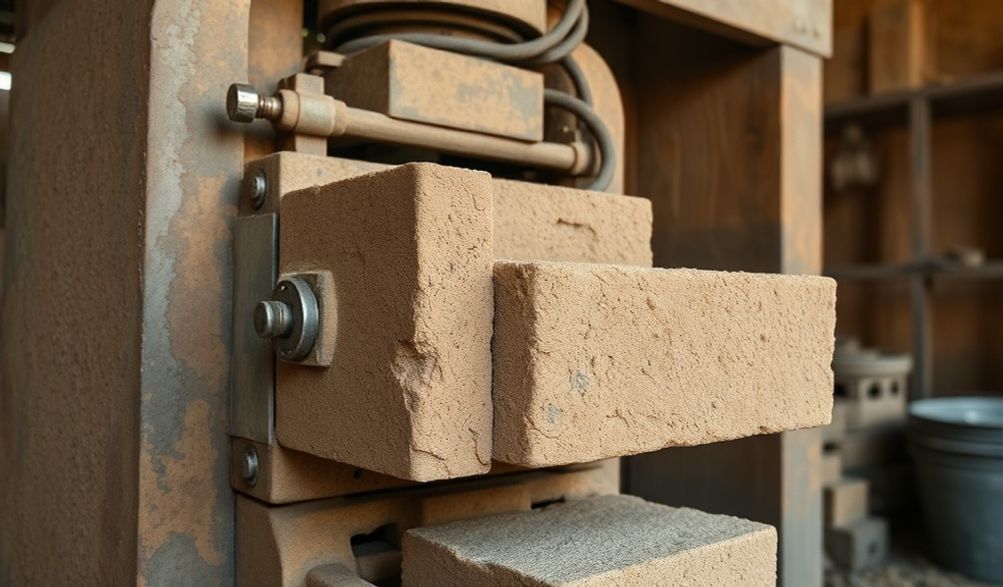
중고 압축 흙 블록 기계 구매 완벽 가이드
압축 흙 블록(CEB)을 이용한 건축은 경제적이고 지속 가능하며 내구성 있는 건축 방법을 제공합니다. 가장 큰 투자는 대부분 기계 자체입니다. 중고중고 압축 흙 블록 제조기 판매이 친환경 건축 기술을 더 많은 프로젝트와 예산에 접근 가능하게 만들어, 상당한 초기 비용을 관리 가능한 수준으로 전환할 수 있습니다.
지속 가능한 건설 장비 분야에서 10년 이상의 경험을 바탕으로, 우리는 수백 명의 구매자에게 새 기계와 중고 기계를 선택하는 과정을 안내해 왔습니다. 우리는 구매자들의 망설임을 이해합니다: 중고 시장은 기계의 이력과 잠재적 수리 필요성에 대한 불확실성으로 위험하게 느껴질 수 있습니다. 그러나 상당한 비용 절감과 검증된 믿을 수 있는 장비를 획득할 수 있는 기회는 매우 현실적입니다.
이 가이드는 그 불확실성을 확신으로 바꾸기 위해 마련되었습니다. 저희는 여러분이 품질 좋은 중고 CEB 프레스를 전문적으로 찾고, 평가하고, 구매할 수 있는 단계별 프레임워크를 제공할 것입니다. 이를 통해 여러분은 무엇을 살펴봐야 하는지, 어떤 질문을 해야 하는지, 그리고 구매가 여러분의 건축 미래를 위한 현명한 투자가 되도록 어떻게 보장할 수 있는지 정확히 알게 될 것입니다.
중고 압축 흙 블록 기계를 고려해야 하는 이유는 무엇인가요?
새 기계로 바로 넘어가는 것이 항상 최선의 길은 아닙니다. 중고 장비 시장은 특히 사려 깊고 꼼꼼한 구매자에게 매력적인 장점을 지니고 있습니다.
신규 장비 대비 상당한 비용 절감
가장 확실한 이점은 재정적 측면입니다. 자동차와 마찬가지로 중장비도 처음 몇 년 동안 가장 가파른 가치 하락을 경험합니다.
고품질 CEB 프레스는 새 제품일 경우 15,000달러에서 80,000달러 이상까지 비용이 들 수 있습니다.
* A well-maintained used model can often be found for 30% to 60% of its original price.
* This dramatic reduction in capital outlay can be the deciding factor that makes your CEB project viable, freeing up budget for other essential materials or labor.
검증된 성능과 신뢰성
A used machine with a service history is a known entity. Any initial manufacturing defects or “teething issues” common in complex machinery have likely been identified and resolved. A machine that has been producing blocks reliably for years is demonstrating its core functionality. When you buy new, you are, in part, paying to be the product tester.
Faster Project Start-Up
Purchasing a new machine often involves a lead time for manufacturing and shipping, which can stretch for months. If you find the right used machine locally or regionally, you could have it on your site and running in a matter of weeks. This accelerated timeline can be crucial for projects with seasonal constraints or tight deadlines.
Ideal for Smaller Scale or Pilot Projects
For homesteaders, DIY builders, workshops, NGOs, or small construction firms, a used CEB machine is a perfect entry point.
* It allows you to validate the technique and your soil without the massive financial commitment of new equipment.
* It’s suitable for producing blocks for a single home, outbuildings, or community projects.
* It provides a low-risk way to build skills and understand the process before potentially scaling up.
Key Factors to Evaluate Before You Buy
Not all used machines are created equal. A systematic evaluation is your best defense against buying a problem. Focus on these critical areas.
기계 유형 및 출력 용량
First, match the machine type to your project scale and labor resources.
* 수동 프레스 Lower cost, human-powered. Ideal for very small projects. Output is low (e.g., 50-150 blocks per day).
* Hydraulic Presses: The most common professional type. Powered by an engine or electric motor. Output can range from 100 to 500+ blocks per hour. Check the hydraulic system meticulously.
* Mechanical Presses: Often older or specialized designs using flywheels and levers. Durable but may have harder-to-find parts.
Be realistic about the “blocks per hour” rating. A used machine likely won’t hit its original factory spec, but it should still meet your project’s realistic daily production needs.
Block Size and Mold Compatibility
The block size determines your wall design and construction speed.
* Ensure the machine produces a standard, useful size (e.g., 10″ x 14″ x 4″ is common).
* Crucially, ask about mold availability. Can you purchase replacement molds or tamper heads for this specific make and model? A machine with a worn-out, irreplaceable mold has limited value.
Critical Component Inspection Checklist
If you can inspect in person or via live video, use this checklist. If not, demand detailed photos and videos of each area.
The Compression System
This is the heart of the machine. For hydraulic presses:
* Look for oil leaks around cylinders, hoses, and pump connections.
* Inspect hydraulic rams and cylinders for scoring, pitting, or rust.
* Check for worn pins, bushings, and mechanical linkages that connect the ram to the tamper head. Excessive play here reduces block quality.
The Mold and Tamper Head
These are high-wear items that directly form the block.
* Look inside the mold cavity for deep grooves, cracks, or deformation.
* Inspect the tamper head (the plate that compresses the soil) for wear, cracks, or warping.
* Uneven wear leads to blocks that don’t eject cleanly or have inconsistent density.
The Frame and Structure
The frame must handle immense, repeated stress.
* Examine all major welds, especially where stress is concentrated, for cracks or signs of repair.
* Check for bent or twisted structural members.
* Look for excessive rust that compromises metal thickness, not just surface rust.
The Power Plant (if applicable)
For engine or motor-driven units:
* Note the hour meter reading (if functional) and compare it to the seller’s story.
* Check for service records for oil changes, filter replacements, etc.
* Listen for unusual noises, excessive smoke, or difficulty starting during a test run.
Availability of Parts and Technical Support
This is a non-negotiable research step that builds your long-term confidence.
* Is the original manufacturer still in business? If so, do they support older models?
* Can you easily obtain operation manuals, parts diagrams, and troubleshooting guides?
* Are critical components (hydraulic seals, wear plates, specialized bearings) standard items available from industrial suppliers, or are they proprietary?
* Trustworthy Advice: A machine from a defunct company with no parts available is a high-risk purchase, likely only valuable for salvage or as a donor for other machines.
Where to Find Used CEB Machines for Sale
Knowing where to look is half the battle. Cast a wide net across these channels.
Specialized Equipment Marketplaces and Dealers
- Search industry-specific terms on machinery sales websites (e.g., Machinery Trader, Rock & Dirt).
- Some dealers of new CEB equipment also take trade-ins and sell refurbished or inspected used models. This can offer more peace of mind.
General Online Classifieds and Auctions
- Platforms like eBay, Craigslist, and Facebook Marketplace can yield results.
- Safety Tip: Be vigilant. Use secure payment methods, beware of deals that seem too good to be true, and insist on verifying the seller and the machine’s physical location before sending money.
Industry Networks and Forums
- This is often the best source for well-maintained machines.
- Engage with communities like the Natural Building Forum, Earthbag Building, or sustainable housing groups on social media.
- Often, members upgrade their equipment and prefer to sell to someone within the community who will appreciate the machine.
Direct from Project Completion
- Contact construction companies, NGOs, or development agencies that have undertaken large CEB projects. They may sell equipment directly once a project is finished.
- This can be an excellent way to find a machine with a documented project history.
The Essential Pre-Purchase Process
Once you’ve found a potential candidate, follow this process diligently.
Conducting a Thorough History Investigation
Go beyond “it works.” Ask the seller:
* “What was this machine used for (personal project, commercial production)?”
* “How many blocks would you estimate it has produced?”
* “What is the reason for selling?”
* “Do you have any maintenance or repair logs?”
* “Have any major components been replaced (hydraulic pump, engine, etc.)?”
Requesting Detailed Media: Photos and Video
If an in-person visit isn’t feasible, you must be thorough. Request:
* Clear photos of the machine from all four sides.
* Close-ups of the serial number plate, mold cavity, tamper head, hydraulic cylinders, and the power plant.
* 가video of the machine running and producing at least one block, from soil loading to ejection. This demonstrates all systems are functional.
The Importance of a Live Inspection or Trial
An in-person inspection is the gold standard. You can:
* Feel for play in linkages.
* Listen for concerning noises.
* Observe block quality and ejection consistency.
* Check for leaks under operating pressure.
If impossible, a live video call where you can direct the seller to show specific components is the absolute minimum.
Understanding the True Total Cost
The sale price is just the beginning. Budget for:
* Immediate Repairs/Reconditioning: Factor in the cost of replacing all hydraulic hoses, changing fluids and filters, and addressing any wear items identified during inspection.
* Transportation: Heavy machinery shipping can cost hundreds to thousands of dollars, depending on distance.
* Replacement Parts: The cost of a spare mold or a set of seals.
Negotiating and Finalizing the Purchase
You’ve done your homework. Now, secure the deal properly.
Fair Market Value Assessment
Use your research to determine a fair price.
* What have similar makes, models, and ages sold for recently?
* Adjust the price based on condition, hour usage, and included extras (e.g., spare molds, a soil screener).
* The cost of needed repairs should be leveraged in your negotiation.
Key Questions to Ask the Seller
Have a final script ready before payment:
1. “Can you guarantee the machine is in the condition shown in the videos/photos?”
2. “Are the original operation and parts manuals included?”
3. “What is the machine’s serial number?”
4. “Will you provide a bill of sale stating the machine is sold ‘as-is’ with its known condition documented?”
Securing a Bill of Sale and Documentation
A written agreement protects both parties. It should include:
* Seller and buyer names/addresses.
* Machine make, model, and serial number.
* Sale price and date.
* A clear “as-is, where-is” condition statement.
* Both parties’ signatures.
This document is essential for establishing clear ownership and managing expectations.
Logistics: Transporting Your Machine Safely
- Ensure the machine is properly secured on a trailer or truck bed.
- Protect exposed hydraulic fittings and cylinders from dirt and damage during transit.
- If you’re not experienced, hire a professional equipment hauler.
자주 묻는 질문 (FAQ)
Q: What is the typical price range for a used CEB machine?
A: It varies extremely widely, from around $2,000 for a simple, older manual press to $50,000+ for a large, late-model hydraulic production press. Most common mid-range hydraulic machines for residential-scale projects fall between $8,000 and $25,000, depending on age and condition.
Q: What are the most common repairs needed on a used CEB press?
A: The most frequent issues are:
* Replacing worn hydraulic hoses and seals.
* Rebuilding or replacing worn mold liners and tamper head faces.
* Addressing electrical issues (solenoids, starters) on powered units.
* General recommissioning: changing all hydraulic fluid and filters, greasing all zerks, and cleaning compacted dirt from moving parts.
Q: How can I verify the machine’s production capacity?
A: First, cross-reference the model number with the original manufacturer’s published specifications. Then, understand that a used machine’s output will be lower. The only true verification is a live test. Time how long it takes to produce 10 blocks from a proper soil mix, then calculate a realistic hourly rate.
Q: Is it risky to buy a machine if the manufacturer is no longer in business?
A: It increases the risk profile significantly. Assess the machine’s complexity. A simple mechanical press might be fine, as any machinist can fabricate parts. A complex hydraulic machine with proprietary control systems and parts becomes a potential “boat anchor” if a critical component fails. Tread carefully and budget for potential custom fabrication.
Q: What should I do first after purchasing and receiving a used CEB machine?
A: Follow this expert checklist before full-scale production:
1. Complete Inspection: Give it a more thorough look-over now that it’s yours.
2. Fluid & Filter Change: Replace all hydraulic fluid and filters to start with a clean system.
3. Lubrication: Grease every fitting and check oil levels in gearboxes and engines per the manual.
4. Test Run: Conduct a series of test runs with a well-prepared soil mix. Don’t assume it’s ready for critical production. Dial in the soil mix and machine adjustments first.
결론
Purchasing a used compressed earth block machine is a financially savvy decision that can unlock the world of sustainable building for your project. The key to success lies in diligent preparation: thorough inspection, diligent history research, and a clear understanding of the true total cost of ownership.
By using this guide as your framework, you transform from a hesitant buyer into an informed one, significantly reducing the inherent risks of the secondary market. You are now equipped to ask the right questions, spot potential issues, and negotiate from a position of knowledge.
We hope this empowers you to move forward confidently with your eco-friendly construction goals. The perfect used machine is out there, waiting to build your vision. When you’re ready to take the next step, we encourage you to use this checklist to evaluate any 압축 토양 블록 기계 중고 판매 you find, ensuring it’s the right fit for your needs, budget, and sustainable future.
<