
블록 절단기 공장과 협력하기 위한 결정적 가이드 ## Explanation of Translation: - **"The Definitive Guide to Partnering with a Block Cutting Machine Factory"** is translated as **"블록 절단기 공장과 협력하기 위한 결정적 가이드"**. - **"Definitive Guide"** is rendered as **"결정적 가이드"**, which conveys the meaning of an authoritative or comprehensive guide. - **"Partnering with"** is translated as **"협력하기 위한"**, indicating the purpose of collaboration or partnership. - **"Block Cutting Machine Factory"** is translated as **"블록 절단기 공장"**, maintaining the technical term for the machinery and the factory context. - The structure is adjusted to fit Korean syntax, where the purpose phrase ("협력하기 위한") typically precedes the noun it modifies ("가이드").
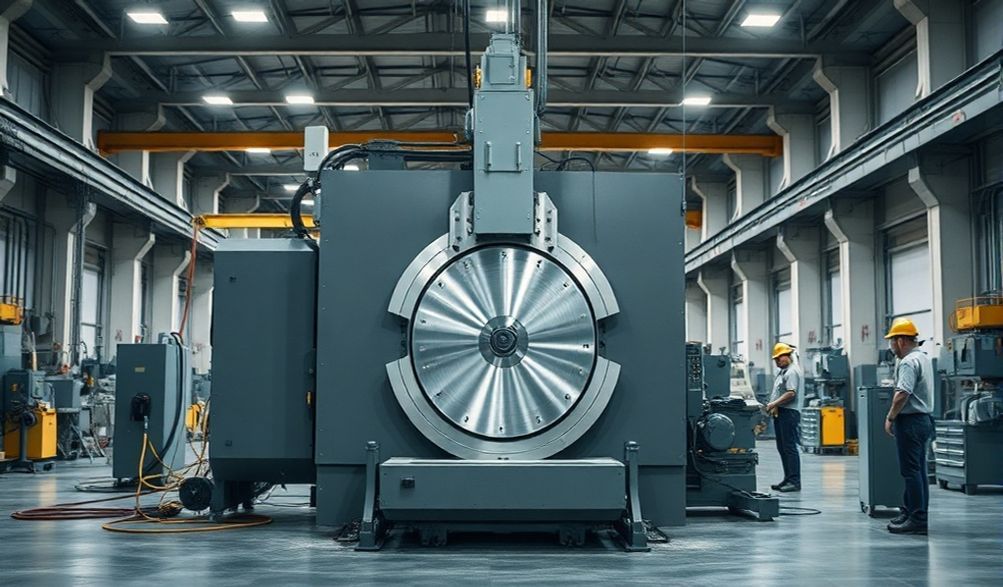
건설, 조적, 석재 가공 분야에서 정밀성은 품질의 초석입니다. 마천루용 콘크리트 블록을 생산하거나, 고급 주방 조리대용 화강암을 절단하거나, 산업용 노의 내화 벽돌을 성형할 때 공통적으로 사용되는 것이 바로 블록 절단기입니다. 이 강력한 생산 장비는 원재료를 정밀하고 사용 가능한 부품으로 변환합니다. 그러나 이 기계의 신뢰성, 정확성, 내구성은 작업 현장에서 자연스럽게 생겨나는 것이 아니라, 공장 생산 라인에서 단련되는 것입니다.
블록 절단기 공장 선택은 기업이 내릴 수 있는 가장 중요한 자본 투자 결정 중 하나입니다. 이는 단순한 구매가 아닌, 향후 10년 이상 운영 효율성, 제품 품질, 그리고 최종 수익성에 직접적인 영향을 미칠 장기적 파트너십의 시작입니다. 본 종합 가이드는 수십 년간의 산업 통찰력을 바탕으로, 탁월한 제조사와 단순 조립업체를 구분하는 기준을 분석합니다. 제조 우수성의 복잡한 요소를 탐구하고, 엄격한 선정 기준을 제시하며, 기술적 발전 방향을 살펴봄으로써, 단순한 비용이 아닌 지식에 기반한 결정을 내릴 수 있도록 돕고자 합니다.
블록 절단기 제조 이해하기
블록 절단기의 핵심은 중장비 공학의 교향곡과 같습니다. 그것이 어떻게 만들어졌는지 이해하는 것이 진정으로 훌륭한 공장의 비결을 제대로 평가하는 첫걸음입니다.
핵심 구성 요소와 엔지니어링 원칙
수년간 지속되는 기계와 조기 고장나는 기계의 차이는 그 설계와 제작의 기본 원칙에 달려 있습니다.
- Structural Integrity & Frame Design: The frame is the machine’s skeleton. Top factories use high-grade, stress-relieved steel or reinforced cast iron to construct it. The design isn’t just about strength; it’s about stability. Advanced engineering focuses on vibration dampening through ribbed structures and strategic bracing. A rigid frame ensures that the immense forces generated during cutting don’t lead to flex, which is the enemy of precision and the precursor to premature wear.
- Cutting Mechanism Technologies: This is the heart of the operation. Factories specialize in different technologies:
- Diamond Wire Saws: Utilize a loop of diamond-impregnated wire for cutting massive stone blocks in quarries. Precision lies in the wire tensioning and guidance systems.
- Circular Blade Cutters: The most common type for block plants. Excellence is defined by the robustness of the spindle assembly, the accuracy of the blade descent (hydraulic or electromechanical), and the stability of the cutting head.
- 유압 시스템: Responsible for applying controlled, immense force. A quality factory uses branded, reliable pumps, valves, and cylinders, and designs leak-free circuits with proper filtration to ensure smooth, consistent operation for thousands of cycles.
- Power Transmission Systems: This is the muscle. Factories must match the correct motor (high-torque electric or powerful hydraulic) to the application. The drive train—including gearboxes, belts, or direct drives—must be engineered for efficient power transfer with minimal energy loss, impacting both performance and long-term operating costs.
The Factory Production Line: From Raw Material to Finished Product
A transparent, controlled production process is the hallmark of a trustworthy factory.
- Material Sourcing & Quality Control: Reputable factories don’t buy on price alone. They source certified steel alloys, partner with known hydraulic and electrical component brands (e.g., Siemens, Bosch Rexroth), and have incoming inspection protocols to verify material specifications before anything enters production.
- Fabrication & Machining Processes: Look for factories employing:
- CNC 가공: For critical components like spindle housings and guide rails, ensuring tolerances within hundredths of a millimeter.
- Certified Welding: Welds should be performed by certified professionals following standardized procedures (e.g., ISO 3834), with post-weld heat treatment to relieve stresses.
- Organized Assembly: A logical, clean assembly line where sub-assemblies are built, tested, and then integrated into the final machine.
- Testing & Calibration Protocols: No machine should leave the factory untested. Mandatory procedures include:
- Dry-Run & Load Testing: Running the machine at full operational capacity with simulated loads.
- Laser Alignment Checks: Ensuring the blade/wire path is perfectly perpendicular to the cutting table.
- Safety System Verification: Testing all emergency stops, guards, and electrical interlocks.
Key Selection Criteria for a Factory Partner
Armed with knowledge of how machines are built, you can now critically evaluate potential manufacturing partners.
Evaluating Manufacturing Expertise and Experience
- Industry Tenure and Project Portfolio: Longevity suggests resilience and accumulated knowledge. Scrutinize their portfolio for projects similar to yours—cutting concrete blocks is different from cutting granite. Request and contact client references directly.
- In-House Engineering Capability: A true factory has a dedicated R&D or engineering department. This is crucial for troubleshooting, optimizing machines for your specific material, and providing customizations. It shows they are innovators, not just copiers.
- Certifications and Compliance: These are non-negotiable indicators of a systematic approach to quality. Essential certifications include:
- ISO 9001: Quality Management Systems.
- CE 마킹: Indicates conformity with health, safety, and environmental standards for the European Economic Area.
- Industry-Specific Certifications: For electrical safety, welding standards, etc.
Assessing Machine Quality and Technological Innovation
- Durability and Build Quality: Go beyond brochures. Ask about:
- Component Brands: Are they using reputable, serviceable brands?
- Protective Treatments: Is the frame sandblasted and coated with industrial-grade paint or powder coating for corrosion resistance?
- 디자인 라이프 What is the expected operational lifespan under normal conditions?
- 자동화 및 제어 시스템: Modern factories integrate advanced controls.
- PLCs (Programmable Logic Controllers): Allow for complex, repeatable cutting sequences and easy troubleshooting.
- User-Friendly Interfaces: Touchscreen HMIs (Human-Machine Interfaces) with intuitive software reduce operator training time and error.
- After-Sales Support and Service Infrastructure: This is where partnerships are sustained. Evaluate:
- 보증 구조: What is covered, and for how long?
- 예비 부품 가용성: Is there a stocked warehouse, and what are the lead times for critical parts?
- 기술 지원 Is support available via phone, remote diagnostics, and do they have service engineers who can travel to your site?
Types of Block Cutting Machines and Their Applications
A specialist factory often excels in specific machine types. Align their specialty with your need.
Stationary Block Cutting Machines
- Heavy-Duty Industrial Saws: The workhorses of concrete product plants. They feature robust structures and high horsepower for the continuous, volume production of blocks, pavers, and kerbstones. Speed and uptime are critical.
- Precision Bridge Saws: The artists of the stone industry. Used in workshops for granite, marble, and quartz. They prioritize extreme accuracy, smooth cutting action to minimize chipping, and often feature tilting blades for complex mitre cuts.
Mobile and Portable Cutting Machines
- On-Site Cutting Solutions: These are designed for flexibility in quarries or on large construction sites to cut and size stone or concrete blocks where they are extracted or used. Durability and ease of setup on uneven ground are key.
- Specialized Niche Machines: Factories may focus on machines for specific materials like aerated concrete (AAC), which requires different blade types and dust extraction, or refractory bricks for high-temperature applications.
The Future of Block Cutting Technology
Investing in a factory that innovates future-proofs your investment.
- Integration of IoT and Smart Monitoring: Sensors on spindles, motors, and hydraulics can feed data to cloud platforms. This enables predictive maintenance (alerting you before a bearing fails), performance analytics, and remote diagnostics by factory engineers.
- Advancements in Cutting Tool Materials: Research into new diamond grit formulations, segment bonds, and blade core designs continues to push the boundaries of cutting speed, lifespan, and ability to handle new composite materials.
- Sustainability in Manufacturing: Leading factories are adopting energy-efficient servo motors, implementing coolant and slurry recycling systems to reduce waste, and adhering to environmental management standards (like ISO 14001) in their own production.
FAQ: Choosing a Block Cutting Machine Factory
Q1: What is the most important factor when selecting a block cutting machine factory?
A: A proven combination of experience and quality assurance. The factory should have a substantial portfolio in your specific material sector and transparent, rigorous quality control processes from sourcing to final testing.
Q2: How can I verify a factory’s expertise if I can’t visit in person?
A: Request detailed case studies, ask for client references you can contact directly, and look for video documentation of their manufacturing process and machine testing. Third-party certification audits also provide objective verification.
Q3: Are more expensive machines always better?
A: Not necessarily. Price should correlate with build quality, technological features, service support, and operational efficiency (total cost of ownership). A mid-range machine from a specialist factory may offer better long-term value than a cheap or overly complex machine unsuited to your needs.
Q4: What should a comprehensive after-sales service agreement include?
A: It must cover clear warranty terms, availability of critical spare parts, provision of detailed operation/maintenance manuals, and access to responsive technical support—preferably with local or regional service engineers.
Q5: Can a good factory provide customizations for unique requirements?
A: Yes, a factory with strong in-house engineering expertise should offer customization for blade size, cutting depth, automation integration, or material-specific adaptations. This is a key marker of a true expert partner versus a basic assembler.
결론
The journey to acquiring a block cutting machine culminates in a choice far more significant than the machinery itself: the choice of your manufacturing partner. This decision reverberates through your daily operations, impacting your team’s productivity, your product’s market reputation, and your financial resilience. By applying the framework in this guide—seeking out factories that demonstrate undeniable 경험딥 테크니컬전문성, recognized 권위성 through standards and reputation, and unwavering 신뢰성 in their support and transparency—you move beyond being a buyer to becoming a strategic partner.
Your diligence today in selecting the right block cutting machine factory is the most reliable investment you can make in the precision, efficiency, and growth of your business tomorrow.
Authoritative Note & Disclaimer: This guide synthesizes knowledge from industry professionals, engineering specifications, and manufacturing best practices. It is intended for informational purposes to aid in the selection process. Specifications and technologies are subject to change. Always conduct thorough due diligence, request factory audits, and consult directly with engineering teams before making a capital equipment purchase decision.
<