
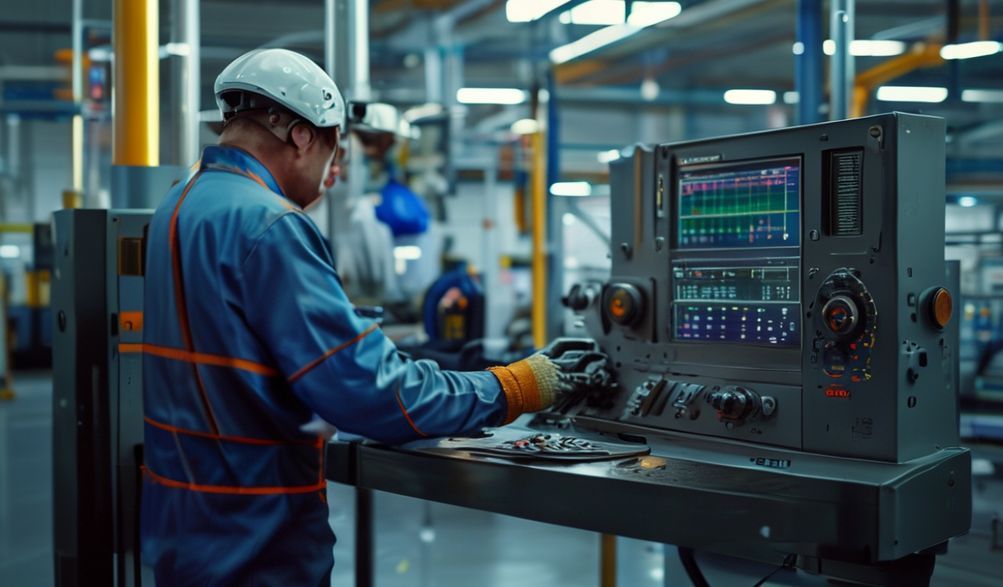
Your Ultimate Guide to Finding a Trusted Automatic Block Machine Supplier
소개
You’ve finally secured the capital, the land, and the market demand to launch or upgrade your block manufacturing plant. The excitement is palpable. But then, a sobering reality sets in: choosing the wrong automatic block machine supplier can turn this dream into a financial and operational nightmare. We’ve seen it happen—a plant manager is lured by a low upfront price, only to face months of machine downtime, exorbitant spare parts costs, and a supplier who’s vanished into thin air. The true cost isn’t just the invoice; it’s the lost production, missed contracts, and eroded profitability.
This guide is written from the trenches. Drawing on years of direct industry experience evaluating machinery and collaborating with global manufacturers, we’ll cut through the marketing noise. The supplier you choose is not a mere vendor; they are a strategic partner whose reliability, expertise, and support will define your return on investment for the next decade.
For business owners, plant managers, and procurement officers in the brick, paver, and hollow block industry, this post provides a clear, actionable framework. We will equip you with the knowledge to vet suppliers thoroughly, avoid common pitfalls, and forge a partnership that ensures quality, uptime, and long-term success. Consider this your definitive checklist for making a confident, informed decision.
What is an Automatic Block Machine and Why Does Your Supplier Matter?
Before evaluating who builds your machine, it’s crucial to understand what you’re buying and why the builder’s role is so pivotal.
Core Components and Operation of a Modern Automatic Block Machine
An automatic block machine is a sophisticated piece of industrial engineering designed to transform raw materials—like cement, aggregates, and water—into precisely formed construction blocks. It automates the most labor-intensive and critical stages of production:
- 믹싱 A precise, consistent mix is the foundation of block strength.
- 성형: Hydraulic pressure and high-frequency vibration compact the mix into molds, defining the block’s shape and density.
- 치유: Fresh blocks are moved to a curing chamber (often automated) where controlled temperature and humidity ensure proper hardening.
- Stacking/Palletizing: The finished blocks are automatically stacked onto pallets for storage and transport.
The machine’s value lies in its precision, automation level (reducing manual labor), and output capacity (blocks per hour). A minor flaw in any component can ripple through your entire production line.
The Supplier’s Role Beyond the Sale: A Lifeline for Your Business
The machine’s price tag is just the entry fee. Your supplier’s true value is revealed over the machine’s entire lifecycle. They are responsible for:
- Correct Installation & Commissioning: A machine improperly installed will never reach its rated capacity or efficiency.
- 종합 운영자 교육 Your team must know how to run, maintain, and troubleshoot it safely.
- Lifelong Maintenance & Technical Support: When a critical component fails at 2 AM, who do you call?
- Steady Supply of Genuine Spare Parts: The availability and cost of parts like molds, mixer blades, and hydraulic seals dictate long-term operating costs.
This brings us to the most critical financial concept in this purchase: 총 소유 비용 (TCO)TCO에는 다음이 포함됩니다:
* Initial purchase price
* Installation & freight
* Energy consumption
* Maintenance labor & spare parts over 5-10 years
* Cost of downtime due to breakdowns
A reputable supplier directly minimizes TCO through machine reliability and robust support. A poor supplier inflates it catastrophically.
Key Criteria for Evaluating an Automatic Block Machine Supplier
Use this comprehensive checklist to separate industry leaders from mediocre resellers.
검증된 경험과 업계 평판
Longevity and a solid reputation are the first indicators of trustworthiness.
- 실적 How many years has the company been designing and building these machines? Look for a supplier with a history spanning economic cycles.
- 프로젝트 포트폴리오: Request detailed case studies. A strong supplier will showcase successful installations similar to your planned operation (in output, block type, or region).
- Client Testimonials & References: Don’t just read glossy quotes. Ask for contact information for 2-3 past clients, preferably in a similar market. Speak to them directly about their experience with installation, machine performance, and after-sales support.
Technical Expertise and Manufacturing Capabilities
This separates true manufacturers from mere trading companies.
- Manufacturer vs. Reseller: Always prefer a direct manufacturer. They have complete control over quality, design, and production costs. A reseller adds a markup and may have limited technical depth.
- 연구개발 투자 Inquire about their engineering team and recent innovations. Are they improving energy efficiency, automation, or material versatility?
- 품질 인증: Look for adherence to international standards like ISO 9001(품질 관리) 그리고CE 마킹 (indicating conformity with health, safety, and environmental standards for products sold in the EEA). These are tangible proofs of a systematic approach to quality.
Machine Quality and Technology Portfolio
“Quality” is vague. Demand specifics on what makes their machine robust and advanced.
- 재료 및 구성품:
- 강철 프레임 It should be made from high-grade, reinforced steel to withstand constant vibration.
- 핵심 구성 요소: Are critical parts like hydraulic pumps, PLCs (Programmable Logic Controllers), and vibrator motors from reputable, known brands (e.g., Siemens, Bosch Rexroth)? This is a major indicator of longevity.
- 제어 시스템 The PLC is the machine’s brain. A modern, user-friendly touchscreen interface allows for precise control over vibration time, pressure, and cycle parameters.
- 에너지 효율 Ask about the motor power and overall energy consumption per block. Efficient machines significantly reduce your operating costs.
- 제품 라인업: A supplier with a portfolio (e.g., stationary plants, mobile “egg-layer” machines, various output capacities from 1000 to 10000 blocks per shift) demonstrates broader expertise and can offer a more objective recommendation for your needs.
Comprehensive After-Sales Support System
This is the most critical differentiator between a good and a great supplier.
Installation, Commissioning, and On-Site Training
The supplier should provide detailed installation drawings and, ideally, send engineers to supervise installation, calibrate the machine, and conduct thorough training for your operators and maintenance staff.
Availability of Spare Parts and Warranty Terms
- Parts Inventory: Do they maintain a ready inventory of wear-and-tear parts? What is their promised lead time for dispatching parts?
- Warranty Clarity: The warranty must be explicit. What is covered (parts, labor, freight)? What is the duration (typically 12-24 months)? What voids the warranty?
Technical Support Responsiveness
- Channels: Do they offer multiple support channels (email, phone, WhatsApp)?
- Response Time: What is their guaranteed response time for technical inquiries? Do they provide 24/7 emergency support?
- Remote Diagnostics: Advanced suppliers can connect remotely to your machine’s PLC to diagnose issues, reducing downtime.
- 서비스 네트워크: If they are an international supplier, do they have service agents or technicians in your region for faster on-ground support?
Red Flags to Avoid When Selecting a Supplier
From our industry observations, these warning signs often precede a problematic partnership.
Vague or Unverifiable Claims
Be wary of suppliers who:
* Use stock photos exclusively and refuse to provide real-time photos or videos of their factory floor.
* Have no verifiable physical address for their manufacturing facility.
* Are unwilling or slow to provide client references or detailed technical specifications.
Unrealistically Low Prices
If a quote seems too good to be true, it almost always is. An extremely low price often signals:
* The use of inferior, non-branded components that will fail prematurely.
* Thin, low-grade steel that will fatigue and crack.
* Zero provision for proper after-sales service. The profit is made on the initial sale, leaving you stranded later.
* Hidden costs that will appear later for “essential” add-ons or exorbitantly priced spare parts.
Poor Communication and Unclear Contracts
Your procurement process foreshadows the support experience. Red flags include:
* Slow, inconsistent, or evasive responses during the sales phase.
* Inability to answer detailed technical questions clearly.
* A contract that is ambiguous about delivery terms (Incoterms), performance guarantees, warranty specifics, and liability for delays or non-compliance.
The Step-by-Step Supplier Selection Process
Follow this actionable, five-step process to navigate your selection with confidence.
Step 1: Define Your Precise Requirements
You cannot evaluate suppliers if you don’t know what you need. Document:
* 블록 유형 및 크기: Concrete hollow blocks, solid bricks, pavers, interlocking blocks?
* 필요한 출력 Realistic blocks per 8-hour shift.
* 원자재 Characteristics of your local sand, aggregate, and cement.
* Budget Range: Include a buffer for shipping, installation, and initial spares.
* 현장 조건: Factory space, power supply, and operator skill level.
Step 2: Conduct Extensive Online and Offline Research
- Online: Use B2B platforms (Alibaba, Made-in-China) with caution—verify all claims. Search for industry-specific forums and reviews.
- Offline: Attend international trade fairs like BAUMA또는bC India. There’s no substitute for seeing machines in person and meeting engineering teams face-to-face.
Step 3: Shortlist and Initiate Deep-Dive Inquiries
Contact 3-5 suppliers that seem promising. Send them your detailed requirements and request:
* A formal, itemized quotation.
* Comprehensive technical specifications.
* A list of client references in a similar market.
* Company profile and manufacturing certifications.
Step 4: Factory Audit and Reference Checks
This is the most critical step.
* Factory Visit: If feasible, visit the shortlisted suppliers’ factories. Inspect the production line, welding quality, assembly process, and quality control checks. Meet the engineering team.
* Virtual Audit: If travel isn’t possible, demand a live video tour of the factory. Ask to see specific processes like machining, painting, and assembly.
* Reference Checks: Actually call the provided references. Ask about machine reliability, parts costs, and the supplier’s responsiveness to problems.
Step 5: Final Evaluation and Negotiation
Compare your shortlisted suppliers not on price alone, but on a 총 소유 비용 (TCO) matrix. Factor in:
* Machine efficiency (energy/block).
* Warranty terms and parts pricing.
* Quality of support infrastructure.
* Finally, negotiate. Use your findings to secure better terms on warranty, a package of initial spare parts, or extended training.
Frequently Asked Questions (FAQ) About Automatic Block Machine Suppliers
Q1: What is the typical lead time for delivery and installation from an international supplier?
A: Lead times vary based on machine complexity and customization. For a standard model, expect 30-60 days for production after order confirmation, plus 30-90 days for sea freight and customs clearance. Installation and commissioning typically take 1-2 weeks.
Q2: How can I verify the quality of a supplier’s machines without visiting the factory?
A: Insist on a live video call tour of the factory floor and specific assembly stations. Request certification documents for core components (e.g., hydraulic pump certificates). Most importantly, arrange video calls with their existing clients in markets similar to yours and ask pointed questions about performance and support.
Q3: Are local dealers or direct manufacturers better suppliers?
A: There are pros and cons. A local dealer may offer quicker parts delivery and easier communication but might add a significant markup and have limited technical expertise. A direct manufacturer typically offers better pricing, deeper technical knowledge, and direct accountability, but you must vet their international support structure carefully. For complex, high-capacity plants, the manufacturer is often the safer choice.
Q4: What are the most important clauses to include in the purchase contract?
A: Ensure the contract explicitly states:
* Performance Guarantee: Output capacity and block quality specifications.
* Warranty Scope: A detailed list of covered parts, labor, and duration.
* Delivery Terms: Clear Incoterms (e.g., FOB, CIF) and penalty clauses for delays.
* 예비 부품: An agreed-upon list and price catalog for critical spare parts.
* Payment Terms: Staged payments linked to milestones (e.g., 30% deposit, 60% before shipment, 10% after successful commissioning).
Q5: How do I handle maintenance and repairs after the warranty period?
A: This should be discussed during procurement. Negotiate a Long-Term Service Agreement (LTSA) that guarantees access to spare parts at reasonable prices and priority technical support. Also, ensure the initial training is thorough enough for your team to perform routine maintenance and minor repairs independently.
결론
Selecting an automatic block machine supplier is one of the most consequential strategic decisions for your construction materials business. It is a choice that will echo through your daily operations, product quality, and bottom line for years to come.
The path to a reliable partnership is built on diligent vetting: prioritize suppliers with proven experience and transparent operations, demand concrete proof of technical expertise and manufacturing quality, and place the highest value on a comprehensive, responsive after-sales support system. The time and effort you invest in this due diligence process is your most effective insurance against costly downtime and operational headaches.
Use this guide as your foundational checklist. Approach each potential supplier with these criteria in hand, ask the hard questions, and verify every claim. Your future productivity and profitability depend on it.
Ready to take the next step? Download a printable version of this supplier evaluation checklist to systematically compare your options. For specific questions about your project requirements, our team of industry experts is here to provide unbiased guidance.
<