
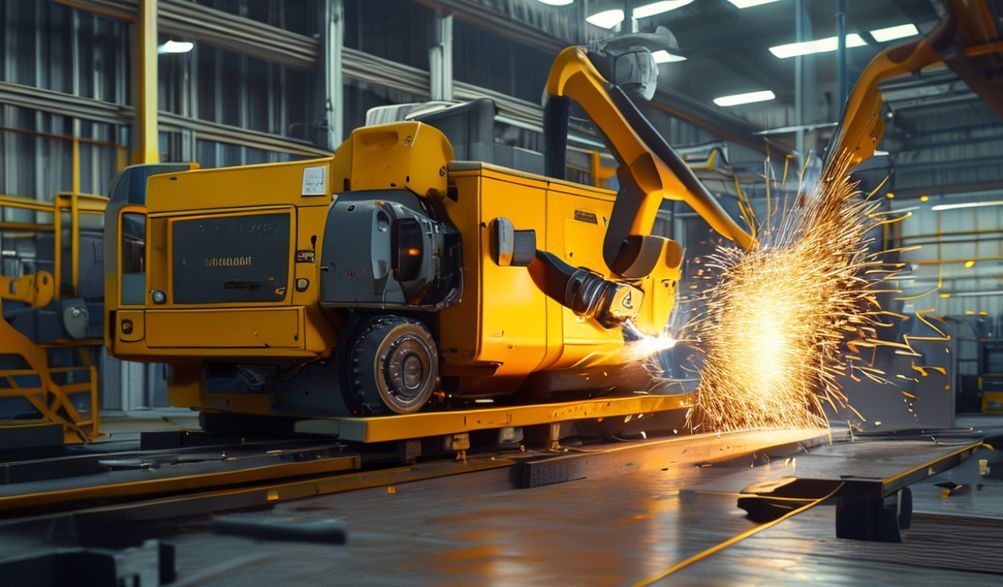
중국 공장에서 블록 제조 기계를 조달하는 최종 가이드
소개:
세계적인 건설 호황은 여전히 멈출 기미를 보이지 않고 있습니다. 저렴한 주택 프로젝트부터 대규모 인프라 개발까지, 신뢰할 수 있고 고품질의 건축 자재에 대한 수요는 끝이 없습니다. 이 공급망의 핵심에는 중요한 장비인 블록 제조기가 자리 잡고 있습니다. 그리고 이러한 필수 산업 기계를 제조하는 데 있어, 한 국가가 확고한 글로벌 허브로 군립하고 있습니다—바로 중국입니다.
그러나 지구 반대편에서 중장비를 조달해야 한다는 전망은 벅찰 수 있습니다. B2B 플랫폼에서 수많은 공급업체 사이를 어떻게 헤쳐나갈까요? 수천 마일 떨어진 곳에서 공장의 진정한 품질과 역량을 어떻게 확인할 수 있을까요? 물류, 의사소통 장벽, 그리고 무엇보다 중요한 애프터서비스 지원은 또 어떻고요? 이것들은 유망한 투자를 비용만 많이 드는 골칫거리로 돌릴 수 있는 아주 현실적인 도전 과제들입니다.
이 가이드는 여러분의 해결책입니다. 수년간의 직접적인 업계 경험, 공장 감사, 기술 평가, 그리고 수많은 고객 상담을 바탕으로 작성된 이 글은 여러분의 포괄적인 로드맵 역할을 합니다. 우리의 목표는 사업주, 프로젝트 매니저, 구매 전문가들이 중국의 신뢰할 수 있는 블록 제조 기계 공장을 자신 있게 식별, 평가, 협력할 수 있는 지식과 도구를 제공하는 것입니다. 우리는 신뢰할 수 있고 실행 가능한 정보—정보에 기반한, 안전하며 수익성 있는 투자를 결정하는 데 필요한 바로 그 정보—를 제공하기 위해 최선을 다하고 있습니다.
중국산 소스 블록 제조 기계를 선택하는 이유는 무엇인가요?
소싱 목적지 선택은 전략적 결정입니다. 블록 제조 기계 분야에서 중국은 다른 어떤 지역도 따라오기 어려운 장점들을 종합적으로 제공합니다. 이러한 이점을 이해하는 것이 소싱 여정을 정당화하는 첫걸음입니다.
비교할 수 없는 규모와 제조 역량
중국의 제조업 역량은 우연이 아닙니다. 이는 깊이 통합된 산업 생태계의 결과입니다.
- 완전한 공유망: Within a relatively small geographic radius, a factory has access to foundries for castings, steel mills, hydraulic component suppliers, electrical panel manufacturers, and precision machining workshops. This vertical integration streamlines production and reduces lead times.
- Specialized Clusters: The industry isn’t scattered. It’s concentrated in powerful manufacturing clusters. Regions like Fujian, Shandong, and Henan have become epicenters for construction machinery. This clustering fosters competition, specialization, and a deep pool of skilled labor and technical expertise.
경쟁력 있는 가격과 비용 효율성
This is often the primary draw, but it’s crucial to understand 왜 the prices are competitive.
- 규모의 경제 Chinese factories produce at volumes that are often orders of magnitude higher than regional manufacturers. This scale drives down the per-unit cost of raw materials and components.
- Supply Chain Integration: As mentioned, having suppliers nearby minimizes logistics costs within the production cycle.
A Critical Nuance: The price spectrum is vast. The absolute lowest quote should be a red flag, not a lure. True cost efficiency balances the initial investment with machine longevity, productivity, and operational cost. Paying 20% more for a machine that lasts twice as long and has 30% lower downtime is the real value proposition.
기술 발전과 혁신
The outdated stereotype of Chinese manufacturers as mere copiers is just that—outdated.
- 모방에서 혁신으로: Leading factories now have dedicated R&D departments. They are developing machines that are more automated, energy-efficient, and compatible with smart factory concepts.
- Modern Features: It’s now standard to find machines equipped with:
- PLC (Programmable Logic Controller) Systems for reliable, programmable operation.
- Touchscreen HMIs (Human-Machine Interfaces) for intuitive control.
- IoT (Internet of Things) capabilities for remote monitoring of production data, machine health, and predictive maintenance alerts.
Key Factors When Choosing a Factory in China
With thousands of options, selection criteria are everything. Look beyond the glossy brochure and focus on these foundational pillars.
Factory Credentials and History (The Foundation of Trust)
Due diligence starts with verifying the basics. A professional factory has nothing to hide.
- Business License: Request a copy. Verify the legal business name, scope of operation, and registered capital.
- Export History: Experience in exporting to markets with stringent standards (Europe, Australia, North America) is a strong positive indicator.
- 운영 연한 Longevity often correlates with stability and accumulated technical know-how.
- 자격증: Look for tangible proof of quality systems.
- ISO 9001: Indicates a documented quality management process.
- CE 마킹: For machinery destined for Europe, this is non-negotiable and shows compliance with EU safety, health, and environmental requirements.
- Patents: Ownership of design or utility patents signals investment in innovation.
전문가 팁: Use third-party verification services offered by platforms like SGS or Bureau Veritas, or use Alibaba’s “Onsite Check” feature for an initial layer of verification.
Production Capability and Quality Control Process
A website can claim anything. You need evidence of their manufacturing environment.
- The Factory Tour (Virtual or In-Person): Insist on a live video tour. A credible factory will gladly comply. Look for:
- CNC Workshops: For precision machining of mold components and critical parts.
- Organized Assembly Lines: Cleanliness and order often reflect operational discipline.
- Welding Standards: Look for neat, consistent welds—a sign of skilled workers.
- Paint Shops: Proper surface preparation (sandblasting) and spray-painting booths ensure corrosion resistance.
- 공정 중 품질 관리: Ask about their quality checkpoints. Is there inspection at the material receiving, machining, assembly, and final testing stages? A robust process catches errors early.
Machine Portfolio and Technical Specifications
Does the factory make the machine you 실제로 need?
- 제품 라인업: Assess their specialization. Do they offer a comprehensive range?
- Concrete Hollow Block Machines
- Paving Block / Interlock Machines
- Curbstone Machines
- 완전 자동화 생산 라인
- Scrutinizing Specs: Move beyond marketing claims. Get detailed technical datasheets and ask clarifying questions.
- 수용량 Is it “blocks per hour” or “blocks per 8-hour shift”? Under what ideal conditions?
- 사이클 타임: The time for one complete molding cycle is a key productivity metric.
- 압력 (톤수): Higher tonnage generally means denser, stronger blocks.
- 전력 요구 사항 Voltage (380V/415V/440V), frequency (50Hz/60Hz), and total installed power (KW).
- 맞춤 설정: Can they adapt the machine for your specific block size, shape, or raw material mix?
Material and Component Sourcing
The longevity of your machine depends on the quality of its parts. A machine is only as good as its weakest component.
- Branded vs. Generic: Insist on a detailed component list.
- 전기 Prefer international brands like Siemens, Schneider, or Mitsubishi for PLCs and contactors. They offer global reliability and easier spare part sourcing.
- 유압공학: Look for recognized brands like Rexroth, Parker, or Yuken. The hydraulic system is the heart of the machine.
- 강철 품질: Ask about the grade of steel used for the frame and mold platens. Are critical wear parts hardened or chrome-plated?
After-Sales Service and Support
This is where the true partnership is tested, often long after the sale is complete.
- Documentation: Comprehensive, clear English manuals (parts catalog, electrical diagrams, hydraulic schematics) and installation guides are essential.
- 기술 지원 What is their support structure? Do they offer:
- Remote troubleshooting via video call?
- A dedicated technical support contact?
- The possibility of dispatching a technician for installation and training?
- 예비 부품: Confirm the availability and pricing of wear parts (molds, springs, seals, liners). How long does it take to ship them to your country?
- 보증: Understand the exact terms. What is covered (parts, labor)? For how long? What is the process for a warranty claim?
The Step-by-Step Sourcing Process
A structured approach minimizes risk and maximizes your chances of a successful partnership.
Phase 1: Research and Shortlisting
Cast a wide net, then filter intelligently.
- B2B Platforms: Alibaba, Made-in-China, Global Sources are starting points. Use filters like “Verified Supplier,” “Trade Assurance,” and “Manufacturer.”
- Industry Exhibitions: Bauma China is the premier event. Attending (or reviewing exhibitor lists) connects you with top-tier factories.
- Professional Referrals: Network within your industry. A recommendation from a trusted peer is invaluable.
- Filtering Trick: To find genuine factories, look for consistent branding of the factory name on equipment in photos, ask for workshop videos, and be wary of suppliers offering an impossibly wide range of unrelated products.
Phase 2: In-depth Inquiry and Communication
Your first communication sets the tone. Be professional and specific.
Sample Inquiry Template:
“Dear [Factory Name] Team,
We are interested in your [Model Number] automatic block making machine. We intend to produce standard 6-inch hollow blocks.
Please provide:
1. Detailed technical specification sheet.
2. A list of key electrical and hydraulic component brands used.
3. Your standard commercial terms (FOB port, payment terms, lead time).
4. Information on your after-sales support for [Your Country].We are planning for a project in Q3 and are evaluating potential suppliers.
Best regards,
[Your Name/Company]”
- Use Clear Language: Avoid slang. Consider using a technical translator for complex discussions.
Phase 3: Due Diligence and Negotiation
Trust, but verify.
- Verify Claims: Cross-check certifications online. Ask for and actually contact 2-3 customer references from your region.
- Contract Review: Ensure the Proforma Invoice (PI) or sales contract includes all agreed details: exact machine model, technical specs, component list, price, payment terms, delivery time, warranty, and responsibilities under chosen Incoterms (FOB, CIF, etc.).
- Negotiation Points:
- Price: Be reasonable. Negotiate based on volume or a long-term partnership, not just haggling.
- Payment Terms: 30% deposit, 70% balance before shipment is standard. For larger orders, a Letter of Credit (LC) provides security for both parties.
- Incoterms: FOB (본선 인도 조건) is often preferred, as it gives you control over shipping and insurance costs.
Phase 4: Production, Inspection, and Shipping
The final stretch requires vigilance.
- Pre-Shipment Inspection (PSI): This is critical. Hire an independent third-party inspection company (like SGS, Intertek) to visit the factory, check the machine against the specs, and witness a test run before it’s packed. This is the single best way to avoid surprises.
- Logistics: The factory should professionally prepare the machine for shipping (crated, moisture-protected). They should assist with export documentation (Packing List, Commercial Invoice, Bill of Lading). For CIF terms, they handle sea freight; for FOB, you appoint a freight forwarder.
Common Pitfalls and How to Avoid Them
Forewarned is forearmed. Steer clear of these classic mistakes.
The “Too Good to Be True” Price Trap
If a quote is 40% lower than all others, it’s not a bargain—it’s a warning.
- 숨겨진 비용: The low price is achieved by using substandard materials, skipping proper testing, and offering no after-sales support. The resulting downtime, high failure rate, and premature breakdowns lead to a much higher 총 소유 비용 (TCO).
Miscommunication on Specifications and Expectations
Assumptions are the enemy of international trade.
- The Fix: Ensure every detail is documented in a signed Technical Agreement or Project Specification Sheet, complete with approved drawings. This becomes a binding part of the contract.
Overlooking Local Adaptation Requirements
A machine built for the Chinese market may not be plug-and-play in your country.
- Key Checks:
- Voltage & Frequency: Match your local grid (e.g., 415V/50Hz, 480V/60Hz).
- 기후 Specify if you need enhanced protection for dusty environments, high humidity, or extreme temperatures.
- Local Standards: Inform the factory of any specific national safety or regulatory standards your machinery must meet.
자주 묻는 질문 (FAQ)
Q1: What is the typical lead time for a block making machine from a Chinese factory?
A: It varies significantly. Standard models may take 30-45 days after deposit. For large, fully automated lines or heavily customized machines, expect 60 to 90+ days. A professional factory will provide a realistic production schedule upfront.
Q2: Can the factory customize the machine for my specific block design and raw materials?
A: Absolutely. Customization is a major strength of established Chinese factories. They can engineer molds for your unique block design (size, shape, face texture) and advise on machine settings for your specific raw material mix (cement, aggregates, fly ash, etc.).
Q3: How do I handle machine installation and operator training?
A: Most factories provide detailed manuals and video guides. However, for anything beyond a simple manual machine, it is highly recommended to budget for an on-site technician from the factory. Their supervision ensures correct installation and provides invaluable hands-on training for your operators.
Q4: What are the standard payment terms?
A: 30% deposit with order confirmation and 70% balance before shipment is the most common structure. For very large orders, terms like Letter of Credit at Sight (LC) can be negotiated. Always use secure, traceable payment methods.
Q5: What if I need spare parts in the future?
A: A reliable factory will maintain an inventory of common wear parts. Before purchasing, confirm they provide a spare parts catalog with part numbers, pricing, and standard lead times for ordering. This is a key test of their long-term commitment.
Conclusion:
Sourcing a block making machine from a Chinese factory presents a tremendous opportunity for value, capability, and technological advancement. However, reaping these rewards requires moving beyond a simple transactional mindset. Success is built on a diligent, informed approach that prioritizes finding a true manufacturing partner.
This journey hinges on the principles of E-E-A-T. Seek a factory with demonstrable 전문성 in mechanical and civil engineering, proven 경험 in serving international clients, 권위성 evidenced by certifications and a solid track record, and above all, a transparent 신뢰성 in their communication, contracts, and commitment to after-sales support.
Your Call to Action: Use this guide as your actionable checklist. Approach your sourcing project with thorough research, ask the detailed questions we’ve outlined, and prioritize factories that are willing to engage in transparent, long-term relationships. Your ideal partner is out there—equipped with this knowledge, you are now ready to find them.
<