
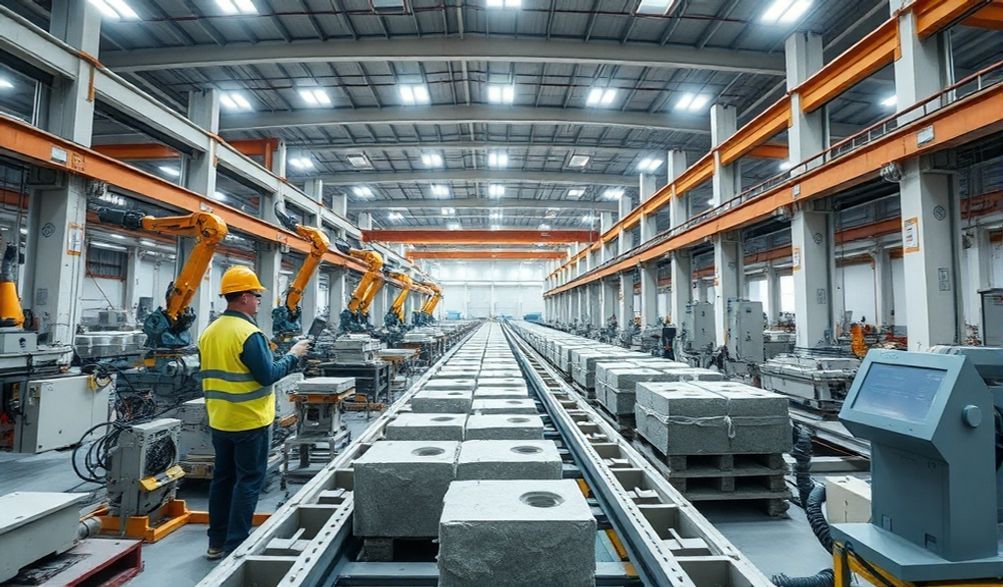
중국 블록 벽돌 기계 공장에서 소싱하는 최종 가이드
글로벌 건설 산업은 효율적이고 비용 효율적이며 확장 가능한 솔루션을 요구하는 끊임없는 성장 엔진입니다. 도시 주택 개발에서 인프라 메가프로젝트에 이르기까지 현대 건설 프로젝트의 핵심에는 중요한 장비인 블록 벽돌 제조기가 있습니다. 이 기계들은 콘크리트, 플라이 애시 또는 점토와 같은 원자재를 우리 세계의 기본 건축 블록으로 변환합니다.
이 기술에 투자하려는 기업들에게 중국은 확고한 글로벌 허브로 자리 잡고 있습니다. 비교할 수 없는 제조 규모, 빠른 기술 도입, 경쟁력 있는 비용 구조가 결합되어 중국을 산업용 기계의 주요 공급원으로 만들었습니다. 그러나 이 방대한 시장에서 신뢰할 수 있고 고품질의중국 블록 벽돌 기계 공장잠재적 함정으로 가득한 어려운 과제가 될 수 있습니다.
이 가이드는 업계 전문 지식과 제조 및 조달 환경에 대한 깊은 이해를 바탕으로 구성되었습니다. 우리의 목표는 경험, 전문성, 권위성, 신뢰성(E-E-A-T) 원칙을 구현하여 권위적이고 신뢰할 수 있으며 실행 가능한 정보를 제공하는 것입니다. 기계 유형과 주요 기능을 이해하는 것부터 공장 검증, 품질 보증, 물류 관리에 이르기까지 모든 중요한 단계를 안내해 드리겠습니다. 성공적인 파트너십을 향한 여러분의 여정을 시작해 보시기 바랍니다.
블록 벽돌 기계의 종류와 응용 분야 이해하기
Before you start contacting suppliers, you must understand the landscape of machinery available. The right machine depends entirely on your project scale, output requirements, budget, and product goals. A reputable 중국 블록 벽돌 기계 공장 will offer a range of solutions, but knowing the categories demonstrates your seriousness and helps you ask the right questions.
완전 자동 블록 제작 기계
이들은 최소한의 수작업 개입으로 대량의 연속 생산을 위해 설계된 산업의 핵심 동력입니다.
- 설명: They integrate automated material batching, mixing, conveying, molding, curing, and pallet stacking into a single, synchronized production line.
- 출력 및 이상적인 사용 Capable of producing thousands of blocks per hour (e.g., 4,000-10,000+). They are the ideal choice for large-scale commercial block yards, major construction companies, and entrepreneurs aiming for maximum market supply with a small operational crew.
반자동 블록 제작 기계
This category offers a strategic balance, providing significant automation for the core molding process while requiring manual handling for other stages.
- 설명: The machine itself automatically mixes, vibrates, and presses blocks. However, tasks like feeding raw materials, moving pallets of fresh blocks, and stacking cured blocks are done manually or with basic equipment.
- 출력 및 이상적인 사용 Production ranges from 500 to 3,000 blocks per hour. This is the most popular choice for medium-sized businesses, regional suppliers, and those making a strategic upgrade from manual operations without the capital outlay for a full line.
Manual or Mobile Brick Machines
These are the most accessible entry points into block manufacturing, prized for their simplicity and flexibility.
- 설명: Often small, portable, and operated by hand levers or small engines. They produce one or a few blocks at a time and are not part of a conveyor system.
- 출력 및 이상적인 사용 Production is low (e.g., 100-500 blocks per day) but perfect for on-site production for a specific project, small community-based enterprises, startups testing the market, or producing specialized, non-standard blocks.
Specialized Machines for Different Materials
Beyond automation level, machines are engineered for specific end products and raw materials.
- Concrete Hollow Block Machines: The most common type, producing standard hollow blocks for walls. They use vibration and pressure to compact a dry concrete mix.
- 점토 벽돌 기계: Designed for extruding and cutting wet clay to form solid or perforated bricks, which are then fired in a kiln.
- 포장 블록 제작 기계: Create interlocking or standard paving stones, often with higher pressure for greater density and surface finish.
- 인터록킹 벽돌 기계: Produce bricks with designed ridges and grooves that lock together without mortar, popular for eco-friendly and rapid construction.
Key Factors When Choosing a China Block Machine Factory
Identifying a supplier that is both capable and reliable is the most critical step in your sourcing journey. Price should not be the sole deciding factor. Here’s a detailed checklist to evaluate potential partners.
제조 전문성과 경험 평가
A factory’s history and credentials are your first indicators of stability and quality.
- 회사 연혁 How long have they been in business? A factory with 10+ years of operation has likely navigated market cycles and refined its processes.
- Industry Certifications: Look for valid international certifications. ISO 9001 for quality management systems is crucial. CE 마킹 indicates the machine meets EU health, safety, and environmental standards, a sign of robust engineering.
- R&D Capability: Do they have an in-house engineering team? Can they provide custom solutions or modify standard models? This shows technical depth.
- Portfolio & Client References: Ask for photos/videos of their workshop and past installations. Request contactable references from clients in your region, if possible.
Evaluating Machine Quality and Performance
Dig beneath the sales brochure to understand what makes a machine durable and efficient.
- 핵심 구성 요소: The quality of key parts dictates longevity.
- 유압 시스템: Are the pumps, valves, and cylinders from reputable brands (e.g., Rexroth, Yuken, Huade)?
- 진동 모터: This is the heart of block density. High-power, reliable motors are essential.
- Frame & Mold Steel: The frame should be made from heavy-duty welded steel. Molds must be precision-machined from high-chromium alloy steel for long life and consistent block dimensions.
- Performance Specifications: Verify the claimed production capacity (blocks/hour), cycle time, and the range of block sizes the machine can produce.
- 에너지 효율 Modern machines should be designed to optimize power consumption, a major operational cost.
After-Sales Service and Technical Support
This is the ultimate test of a factory’s trustworthiness and your long-term operational peace of mind.
- 보증: Standard warranties are typically 12 months for the machine and 3-6 months for wear parts like molds. Understand exactly what is covered.
- Support Structure: Do they provide clear English operation and maintenance manuals? What is their process for troubleshooting—email, WhatsApp, video call?
- Spare Parts Policy: Is there a dedicated spare parts department? How quickly can they ship common wear parts (seals, springs, gaskets) and critical components (control panels, motors)? Ensure they provide a recommended spare parts list with your quotation.
The Step-by-Step Sourcing and Procurement Process
Follow this authoritative, step-by-step framework to navigate your procurement from research to delivery.
Initial Research and Factory Shortlisting
- B2B Platforms: Start on platforms like Alibaba and Made-in-China. Use filters for “Trade Assurance,” “Assessed Supplier,” or “Gold Supplier.” Read product descriptions and company profiles thoroughly.
- Beyond Platforms: Conduct a general web search for the factory name to find their independent website and any other online presence. Check for industry referrals in forums or from business contacts.
- 확인: Always verify the company’s business license (they should provide it) and cross-check their registered address.
Effective Communication and Quotation Request
A detailed RFQ (Request for Quotation) prevents misunderstandings.
* Key Specs to Include: Desired block type/size, target output (blocks per 8-hour shift), degree of automation, local voltage/frequency (e.g., 415V/50Hz), and preferred power source (electric, diesel).
* Essential Questions: Ask about customization options, installation drawings, foundation requirements, and the scope of their technical support.
* Commercial Terms: Discuss Payment Terms (e.g., 30% deposit, 70% before shipment), Incoterms (FOB Shanghai is common; you control shipping), and the validity period of the quote.
Factory Audit and Quality Inspection (Critical Step)
Never skip due diligence on the physical product and producer.
* Pre-Shipment Inspection (PSI): This is non-negotiable. Hire a reputable third-party inspection company (like SGS, BV, or Intertek) to visit the factory before shipment. They will check materials, assembly, electrical safety, and perform a test run to verify performance against the contract.
* Virtual or In-Person Visit: If feasible, a video call factory tour is invaluable. For very large orders, a personal visit is highly recommended to assess the operation firsthand.
Logistics, Shipping, and Customs Clearance
- 배송 For heavy machinery, sea freight (LCL or FCL) is standard. The factory should provide professional export wooden crate packaging to withstand ocean transit.
- Documentation: Ensure you receive a complete set of shipping documents: Commercial Invoice, Packing List, Bill of Lading, Certificate of Origin, and the equipment manual.
- 통관 Work with a reliable freight forwarder or customs broker in your country. They will use the provided documents to clear the machine, advising you on any applicable duties or taxes.
Avoiding Common Pitfalls and Red Flags
Learn from the experience of others to avoid costly mistakes.
Too-Good-to-Be-True Pricing
An extremely low price is the biggest red flag. It often means:
* Substandard materials (thin steel, low-grade hydraulics).
* Lack of proper testing and quality control.
* Hidden costs that appear later for “necessary” modifications or spare parts.
* 경험 법칙: Collect 3-5 quotations. The suspiciously lowest and highest can often be discarded; focus on the middle range with the best detailed offer.
Lack of Transparency and Communication
Be wary of a supplier that is evasive.
* Unwillingness to provide a live video of their workshop or a machine in operation.
* Hesitation to share client references or detailed company documentation.
* Vague, non-technical answers to your specific questions about machine components or processes.
Inadequate or Vague Contracts
Your Proforma Invoice (PI) and final Sales Contract are your legal safeguards.
* The PI must detail: All technical specifications, packaging method, payment terms, Incoterms, delivery time, and warranty conditions.
* Never proceed with only a simple quote or an unclear agreement. A professional factory will provide a comprehensive PI for your review and approval before any payment.
Maximizing Your Investment: Installation and Operation
Your relationship with the factory shouldn’t end at delivery. Proper setup and maintenance are key to ROI.
Foundation Preparation and Machine Installation
- The factory should provide detailed foundation drawings with dimensions and load requirements.
- Use a qualified local engineer or contractor to pour a perfectly level and strong concrete foundation as specified. An unstable base will cause premature wear and poor block quality.
Raw Material Selection and Mix Design
- Block strength starts with the right mix. While the factory will give a basic recipe, you may need to adapt it to your local cement, aggregates (sand, gravel, crushed stone), and water quality.
- Conduct small test batches to find the optimal ratio for strength, surface finish, and curing time.
Routine Maintenance for Longevity
Preventative care is far cheaper than major repairs.
* Daily: Clean the machine thoroughly after each shift, check hydraulic oil levels, and inspect for loose bolts.
* Weekly: Grease all lubrication points, check the tension of chains or belts, and inspect mold liners for wear.
* Monthly: Change hydraulic oil and filters as recommended, perform a detailed inspection of electrical connections, and calibrate sensors if applicable.
자주 묻는 질문 (FAQ)
Q1: What is the average lead time for a block machine from China?
A: For standard models, expect 15-30 days for production after deposit confirmation. Customized production lines or large orders can take 45-90 days. Always get a written confirmation in the contract.
Q2: Can the factory provide operators training?
A: Reputable factories provide comprehensive operation and maintenance manuals and video guides. On-site training by a factory engineer can almost always be arranged for an additional fee, covering travel and accommodation.
Q3: How do I handle machine breakdowns or spare parts needs?
A: A trustworthy factory will have a dedicated spare parts department. Before ordering, agree on the warranty process for parts and the estimated shipping time for critical components. Keep a small inventory of common wear parts.
Q4: Are Chinese block machines compatible with my local voltage and standards?
A: Yes, this is a standard customization. You must clearly specify your local voltage (e.g., 220V, 380V, 415V, 50Hz/60Hz) in the contract. Factories can also adapt machines to meet specific regional safety standards upon request.
Q5: What is the minimum order quantity (MOQ) for these machines?
A: For standard block making machines, the MOQ is typically 1 unit. For complete automated production lines, the order is usually treated as a custom project with a single line as the minimum.
결론
Sourcing a block brick making machine from China is a significant investment that, when done correctly, can yield tremendous returns for your business. Success hinges on moving beyond a simple price comparison to a thorough evaluation based on a factory’s demonstrated 경험, technical 전문성, market 권위성, and operational 신뢰성.
The most crucial phase of your journey is the due diligence you conduct before placing an order. Investing time in research, factory audits, and clear contract formulation is your best insurance against risk. Use this guide as your foundational checklist.
Begin your sourcing journey by requesting detailed proposals from multiple shortlisted factories that meet the criteria outlined here. Ask the hard questions, demand transparency, and partner with a supplier who acts as a long-term ally in your business growth.
<