
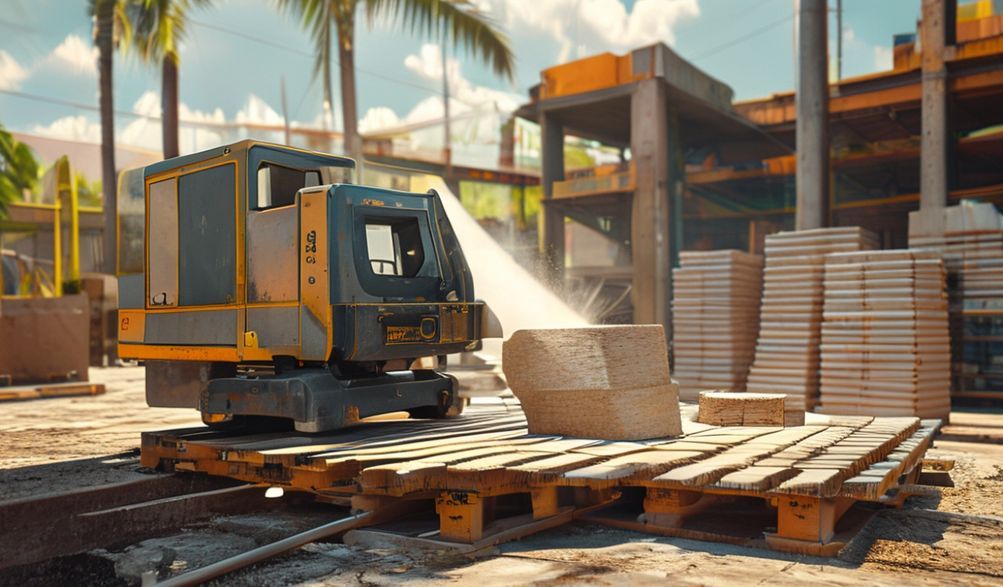
Tuum Ultimum Ductor ad Inveniendum Optimum Machinam Cavi Lateris Venalem in Philippinis
Introductio
Industria aedificatoria Philippinarum indefatigabili cursu ascendit. Ab operibus publicis infrastructurae et domiciliorum incrementis florentibus usque ad emporia commercialia per insulas surgentia, postulatio materiarum aedificandarum fidelium et praestantiorum numquam maior fuit. In ipso fundamento huius incrementi—re vera—stat laterculus cavus, humilis quidem, sed angulare lapis modernae constructionis Philippinensis.
Autem, pro entrepreneuribus, redemptoribus, et negotiorum dominis qui hanc postulationem captare student proprios lateres producendo, ingens difficultas exoritur. In hoc frequenti mercatu laterum navigando—Machinae ad cavos lateres in Philippinis vendendae.terribile potest esse. Quomodo inter innumeros suppeditatores, exemplaria, et pretiorum gradus eligis? Quomodo certus esse potes tuam collocationem fidelem, efficacem, et vere lucrosam esse?
Hic ductor tibi certum subsidium destinatur. Non ex speculatione constructus, sed ex annis in re experientiae in Philippinarum aedificationis copiae industria, strepitum transsecamus. Propositum nostrum est te instruere scientia technica, perspicientia mercatus, et indice practico, quibus opus est ut in futura negotii tui sorte certum, fidens, et lucrosum colloces.
Intellectus Machinarum Caementiciorum Cavorum: Genera et Usus
Priusquam in mercatum te immergas, instrumentum in ipso negotii tui corde situm intellegere magni momenti est. Haec scientia prima est defensio contra emptionem ineptam.
Quid est Machina Lateris Cavi?
Machina caementi cavi est instrumentum peculiare ad fabricandas structuras caementi cavi (CHB), lapides pavimentales, et alias unitates structurae. Processum mixturae caementi in formam sub alta pressione et vibratione comprimendi automata et normat, efficiens structuras constantes et durabiles.
Nucleus processus productionis tres gradus praecipuos implicat.
1. Miscens:Cementum, harenam, glareas (vel lapides contusos), et aquam in rectis proportionibus miscere.
2. Fingere:Massa umida in cavum formae machinae immittitur. Pressus hydraulicus vel vectis mechanicus eam comprimit, dum validi motores vibratorii bullas aeris tollunt et densam compactionem praestant.
3. Sanatio:Tum recens eiectus "viridis" caudex in condicione moderata reponitur ut per hydrationem vires capiat, plerumque per XIV-XXVIII dies ante usum.
Manuale contra Semi-Automatica contra Automata Plena Machina
Gradus automationis est primarius discriminator, qui pretium, productum, et opera opus directe afficit.
-
Machinae Manuales Laterum Cavorum
- Idoneum Ad:Initia, minuta opera, loca remota cum potestate instabili, vel ut machina secundaria, parvi ponderis.
- Operatio:Omnes processus—mixtum alendi, comprimendum per vectem, emittendas massas—manu fiunt.
- Output:Humilis, typice 300-1000 caudices per diem octo horarum, valde pendens ab viribus operatoris.
- CollocatioInfima introitus sumptus (saepe PHP 20,000 – 80,000).
- Labor:Altum. Opus physicum et plures operatores requirit ad productionem diuturnam.
-
Machinae Semi-Automatice ad Lateres Cavos Faciendos:
- Idoneum Ad:Parva ad media negotia (SMEs). Haec est electio gratissima in mercatu Philippinensi propter aequilibrium efficaciae et sumptus.
- Operatio:Processus clavi, ut vibratio et compressio, electrica vel diesel moventur. Operarii manu mixtorem implent et paletas recentium laterum movent.
- Output:Multo altior, a duo milibus ad sex milia et amplius caudicum per octo horas operae.
- CollocatioModeratus (plerumque PHP 150,000 – 800,000).
- Labor:Moderata. Ad efficientem operationem duos ad quattuor homines requirit.
-
Plene Automata Foramina Laterum Machinae:
- Idoneum Ad:Magnae plantae commerciales quae maioribus inceptis vel distributibus suppeditant.
- Operatio:Totus processus a coacervatione materiae rudis ad structuram laterum perfectorum per moderatores logicos programmabiles (PLC) automatus est.
- Output:Altissime, a decem milibus ad plus triginta milia caudicum per diem.
- CollocatioAltum, incipiens a PHP 1.5 decies centena milia et sursum usque multum ascendens.
- Labor:Minimus. Praecipue ad custodiam, sustentationem, et qualitatis moderationem.
Clavis Genera Machinarum in Foro Philippino
Ultra automationem, consilium functionem imperat.
- Machinae StatoriaeCommunissimus typus. Machina in uno loco manet, et lateres in paletas vel humum eiciuntur ut ad curationem moveantur.
- Machinae Mobile Laterum (Genus Oviparum)Hae machinae per tram vel rotas procedunt, lateres directe in pavimento caementicio praeparato deponentes. Hoc palearum usum eximit et magnis, apertis curandis areis efficax est.
- Cementi Mixtores:Cum ipsae machinae non sint,Mixer panisautTympanum mixtoriumNecessaria est investitio complementaria. Mixtura constans et homogenea ad qualitatem caementi critica est. Noli umquam eius momenti parvipendere.
Cogitationes Criticae Antequam Emas
Instructus elementis, nunc in necessitates tuas proprias intendere potes. Hanc aestimationem festinare commune et damnosum erratum est.
Aestimatio Opum Tuarum Productionis et Sumptuum
Incipe quaerendo a te ipso haec praesentia quaestiones:
* Quid est meum propositum quotidianum hebdomadaleve?Confer cum confirmatis aut provisis mandatis tuis.
* Quae est ratio operum meorum vel mercatus destinati?Unumne consilium loci praebes an negotium regionis suppeditare spectas?
* Quid est meum capitale praesto?Esto realis. Inclaude praeparationem pro institutione, materiae crudae copiam, et sumptus operandi primis mensibus.
* Quid est mihi exspectatum reditus in collocatione (ROI) temporale?Hoc tuum impendium et machinae electionem diriget.
Key Technical Specifications to Scrutinize
Don’t just buy a “semi-automatic machine.” Understand its DNA.
- Productio Capacitas: Never rely on “theoretical maximum” numbers. Ask for realistic, sustained output per hour/shift under normal working conditions.
- Caementorum Magnitudines et Formae Ensure the machine can produce the standard sizes in demand in your area (4″, 5″, 6″ hollow blocks). Check if the supplier offers molds for solid blocks, pavers, or interlocking stones for future business diversification. Ask about mold changeover time and complexity.
- Fons Potestatis: Electric motors are cleaner and cheaper to run but require stable grid power. Diesel engines offer independence and raw power, suited for areas with frequent outages. Hybrid options exist.
- Machine Build Quality: This determines longevity.
- Steel Frame & Mold: Look for thick, high-grade steel that resists warping.
- Motor Vibratorius: This is the heart of compaction. Check power (in kW or HP), brand, and bearing quality. Dual-vibration systems are often more effective.
- Systema Hydraulicorum: For semi- and fully-auto machines. Inquire about pump quality, valve reliability, and seal durability. Ask about hydraulic oil cooling systems for sustained operation.
Supplier Evaluation in the Philippines
The machine is only as good as the company behind it. A cheap machine with no support can become a very expensive paperweight.
- Praesentia Localis & Sustentatio Post-Venditionem: A supplier with a local warehouse, service team, and spare parts inventory is invaluable. Can they dispatch a technician if you have a breakdown?
- Reputation & Track Record: How long have they been in business? Ask for a client portfolio and, if possible, seek out references from past buyers. Check online reviews and business bureau records.
- Warranty, Parts, and Training: A comprehensive warranty (at least 1 year on core components) is a must. Confirm the availability and cost of common spare parts. Hands-on operational and basic maintenance training for your crew should be non-negotiable.
Navigating the Philippine Market: Costs and Investment Insights
Let’s talk numbers. These are estimated ranges based on prevailing market conditions and can vary.
Price Ranges for Hollow Block Machines in the Philippines
- Machina Manualia: PHP 20,000 – PHP 80,000
- Semiautomaticae Machinae: PHP 150,000 – PHP 800,000
- (Entry-level models: PHP 150k-300k; Mid-range workhorses: PHP 300k-600k; High-capacity models: PHP 600k-800k+)
- Lineae Productionis Plene Automatae: PHP 1,500,000 and above.
Important: Price varies dramatically based on brand (local assembly vs. imported), specifications, build quality, and the supplier’s markup and service package.
Understanding the Total Cost of Ownership
The machine’s price tag is just the beginning. Factor in:
* Installatio & Constitutio: Foundation preparation, electrical/diesel hookup.
* Materiae Crudae Initial stockpile of cement, sand, and gravel.
* Instrumenta Auxiliaria: Concrete mixer, wheelbarrows, pallets, curing space.
* Labor: Wages for your operators.
* Utilities: Electricity or diesel fuel for daily operation.
* Maintenance: Regular lubrication, part replacements, and potential major overhauls.
Calculating Your Potential Return on Investment (ROI)
A simplified framework:
1. Calculate your cost per block: (Cost of Cement + Sand + Gravel + Labor + Utilities + Machine Depreciation) / Number of Blocks Produced.
2. Know your selling price: Research the prevailing market price for hollow blocks in your area.
3. Determine gross profit per block: Selling Price – Cost Per Block.
4. Project daily/monthly profit: Gross Profit per Block x Daily Output.
Key Profitability Factors: Operational efficiency (minimizing waste and downtime), sourcing affordable raw materials, and consistent local market demand.
Top Tips for a Smart and Safe Purchase
The Importance of a Machine Demo
Never buy a machine sight-unseen. Insist on a live demonstration.
* See it running under load.
* Preferably, use a sample of your own local sand and aggregates to see how it performs.
* Observe the noise level, vibration, and ease of operation.
* Check the quality and consistency of the blocks produced right there.
Questions to Ask Your Supplier
Have a checklist ready:
* What is the detailed warranty coverage and duration?
* What is the delivery timeline and cost?
* Do you provide on-site installation and calibration?
* How many days of hands-on training do you provide?
* Can I have a catalog and price list for essential spare parts?
* What is the expected lead time for spare parts?
* Can you provide contact details of 2-3 previous customers for reference?
Avoiding Common Pitfalls and Scams
Stay vigilant for these red flags:
* Too-good-to-be-true prices: Often indicate substandard materials, used parts refurbished as new, or a complete scam.
* Supplier with no physical address or showroom: Prefer to deal with established entities.
* Lack of proper documentation: No official receipt, detailed warranty card, or machine manual.
* High-pressure sales tactics: Legitimate suppliers will educate, not rush you.
* Always get a formal, itemized quotation and a clear sales contract before paying any deposit.
Maintenance and Operational Best Practices
Protect your investment with proper care from day one.
Daily and Periodic Maintenance Checklist
- Daily: Clean the machine thoroughly after each shift, especially the mold cavity. Check and tighten any loose bolts or nuts. Lubricate all moving parts as per the manual.
- Weekly/Monthly: Inspect the vibration motor mounts and bearings. Check hydraulic hoses for leaks. Inspect mold liners for wear or damage.
- Annually: Consider a full professional servicing by the supplier’s technician.
Optimizing Your Raw Material Mix
Consistency is key. A common starting mix ratio by volume is 1 part cement : 6 parts sand/gravel aggregate. However, the ideal mix depends on your aggregate quality and desired block strength. Always conduct test batches. The water content should be enough to make the mix hold together without being sloppy—excess water weakens the final block.
Troubleshooting Common Issues
- Cracked Blocks: Often caused by too much water in the mix, insufficient vibration/compaction, or improper curing (drying too fast).
- Poor Surface Finish or Rough Edges: Can indicate worn mold liners, insufficient lubrication of the mold, or a suboptimal mix that’s too dry or sticky.
- Slow Production or Machine Struggling: Check for worn vibration motors, low hydraulic pressure, or an overly stiff concrete mix.
Frequently Asked Questions (FAQ)
Q1: What is the average price of a hollow block machine in the Philippines?
A: As outlined above, prices vary widely. Manual machines start around PHP 20,000, semi-automatic machines (the most common) range from PHP 150,000 to PHP 800,000, and fully automatic lines begin at PHP 1.5 million. The final price depends on capacity, automation, and brand.
Q2: Can I operate a hollow block machine with no prior experience?
A: Yes, especially manual and semi-automatic models. The critical factor is the quality of hands-on training provided by your supplier. A reputable supplier will ensure your crew can operate and perform basic maintenance safely before they leave your site.
Q3: Where are the best areas or suppliers to buy from in the Philippines?
A: Major industrial hubs like Metro Manila, Cavite, Laguna, Cebu, and Davao have concentrations of suppliers. However, the “best” supplier is not defined by location alone. Prioritize suppliers with a strong reputation for after-sales service, local spare parts availability, and proven client support, even if they are slightly farther away.
Q4: How many blocks can a standard semi-automatic machine produce per day?
A: A standard semi-automatic machine can realistically produce between 2,000 to 6,000+ high-quality blocks in an 8-hour shift. The actual output depends on the model’s capacity, crew efficiency, block size, and workflow organization.
Q5: What are the essential spare parts I should keep in stock?
A: To minimize downtime, consider keeping these common wear parts: spare sets of mold liners, vibration motor bearings, springs for the table, hydraulic seals and hoses, and a set of common bolts and nuts used on the frame.
Conclusion
Optimum eligendiMachina ad cavos lateres faciendos in Philippinis vendenda is a strategic decision that goes beyond a simple equipment purchase. It’s an investment in your business’s capacity, reputation, and growth. By understanding the types of machines, critically assessing your own production needs and budget, meticulously evaluating suppliers, and planning for long-term operation and maintenance, you position yourself for success.
This journey empowers you not only to build a profitable enterprise but also to contribute tangibly to the infrastructure and development of the Philippines. Use this guide as your benchmark. Arm yourself with knowledge. Visit multiple suppliers, ask the detailed questions we’ve outlined, and insist on live machine demos. Take the time to find a machine—and a supplier—that will be a true partner in building your future.
Disclaimer: Prices, specifications, and market conditions are subject to change. This guide is for informational purposes to aid your decision-making. Always verify all technical details, pricing, and warranty terms directly with your chosen certified supplier before finalizing any purchase agreement.
<