
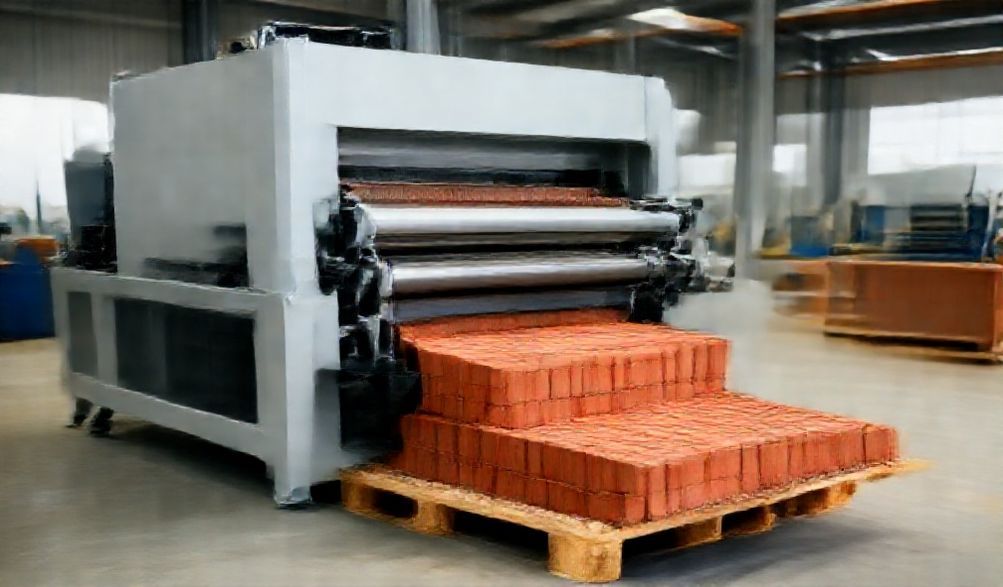
Ultima Ductoria ad Machinas Laterum Pavimentorum Cementi Faciendas: Perspectivae e FUDA Officina Laterum Faciendorum
Introductio
Ab instaurandis urbis foris ad magnificas privatorum aedium aditus renovandos, globalis postulatio firmarum, oeconomicarum et visu iucundarum straturae solutionum numquam maior fuit. Municipia, redemptores ac domini similiter materias quaerunt quae diuturnitatem cum specie grata ad semitas, publica spatia et area domestica coniungunt.
At haec postulatio saepe cum veritatibus traditae viae sternendae pugnat. Manus productio et positio laboris sumptibus gravibus, laterum qualitate inconstanti quae inaequales superficies efficit, et temporum lineis quae per septimanas extenduntur, affliguntur. Quid inde? Impensae supra modum, clientes irritati, et occasiones negotiorum amissae.
Solutio industrialis hodierna est machina laterum cementiciorum sternendorum. Haec instrumenta elaborata materias primas—cementum, congeries, pigmenta—in pavimenta firma et inter se coagmentata mira cum efficacia transformant. Haec machina est vis quae post structuras duras constantes et pulchras in progressionibus hodiernis cernimus.
Hic ductor tamquam certa fons valet, ex comprobatis hauriensExperientiaet alta technicaPeritiaFUDA Fabrica Laterum Faciendorum. Annos in consilio, fabrica, et machinis laterum faciendorum per orbem terrarum adiuvandis manibus versatus, FUDA intellegentiam praebet quae fundamentum verum praestat cui fidere possis.
Horum machinarum conspectum plenum praebebimus, earum operationem, commoda certa, et iudicia selectiva necessaria enarrantes. Propositum nostrum est vos scientia instruere ut in vestri negotii futurum collocationem lucrosam et informatam facere possitis.
Quid est machina laterum calcis sternendorum faciendorum?
In suo nucleo, machina laterum calcis sternendae fabricandae est instrumentum industriale ad destinatum, quod ad creationem pavimentorum concretorum automandam et perficiendam ordinatur. Laborem manualem inconstantem subtili arte machinali reponit, efficiens ut omnis singula unitas certis normis respondeat.
Munus Praecipuum et Productum
Machinae munus principale est mixturam caementi, harenae, pulveris lapidei, et pigmentorum colorum accurate dimensam in solidum altae densitatis uniformiter formatum comprimere. Processus pressionem magnam adhibet, saepe per vibrationem, vires hydraulicas, vel utrumque coniunctim, ut laterem creet cum cavitatibus minimis et robore maximo.
- Communia producta finalia includunt:
- Pavimenta intertexta:Maxime vulgatus exitus, figuras continens quae inter se concluduntur ad superficiem stabilem, flexibilem sine caemento.
- Semita Hortensis Lapides:Ampliora, planiora elementa ad semitas et marginem horti.
- Viae obstructae:Crassiores, firmiores structurae moles quae vehiculorum onera sustinere possint.
- Lapides Ornamentales HortorumFormae peculiares ut lapides pavimentorum, ornamenta flabellorum, vel tegulae hexagonales ad opera aesthetica.
Partes Praecipuae et Quomodo Operantur
Systematis fundamentum cognoscere productionis processum detegit. Symphonia est partium ordinatarum, quarum quaeque munus vitale agit.
- Alveus pabulatorius:Hic materiae primae onerantur, saepe per systema tapetis transportatorii in exemplaribus automatizatis.
- Systema Mixtum:Ingredientia cum certa aquae mensura miscentur ut perfecta consistentia ad compactionem obtineatur.
- Molda aut MorereCor artificii. Hoc ferramentum formae, texturae, crassitudinisque pavimenti finit. Formae summae qualitatis, exacte elaboratae, signum sunt peritae fabricationis.
- Systema CompressionisHic est ubi magica fiunt. Pressura hydraulica vel mensa vibratoria potens mixturam in forma comprimit, aerem removens et incredibilem densitatem efficiens.
- Systema Curationis in Paleto Fundatum:Later coctus laterculus in pala eicitur. Hae palae deinde componuntur et ad locum curationis moventur, ubi laterculi sub moderato ambitu robur per tempus acquirunt.
Commoditates Usus Machinae Lateris Straturae Dedicatae
Machinam propriam collocare consilium est negotiale strategicum quod utilitates tangibiles per plura frontes praebet.
Efficacia et Constantia Productionis Incomparabilis
Saltus a manu ad mechanicam productionem transformativus est.
- Celeres Emissiones:Machinae centenas, immo millia, laterum per horam efficere possunt. Quod manus operarum diebus perficit, una vice peragitur.
- Perfecta Uniformitas:Lateres omnes eadem dimensione, saturitate coloris, pondereque constant. Hoc difficultates aptandi in installatione tollit, ducens ad exitum leniorem, professionaliorem, clientibusque satisfactis. Constantia non spes est; certitudo est.
Superioris Qualitas Producti et Firmitas
The machine doesn’t just make bricks faster; it makes them better.
- Compressio Altae Pressurae: This process creates a product with very low water absorption and exceptionally high compressive strength. Such pavers resist freeze-thaw cycles, heavy loads, and harsh weather, ensuring a lifespan measured in decades.
- Engineered Interlocking: Machines produce interlocking designs that distribute weight laterally across the entire paved surface. This creates a flexible, stable area that can settle without cracking—a key advantage over poured concrete.
Reductio Sumptus Notabilis Per Tempus
While the initial investment is considered, the long-term return on investment (ROI) is compelling. From the Experientia of business owners who have adopted this technology, the savings are clear:
- Dramate Laboris Impendia Deminuere One machine operated by a small crew replaces a large manual workforce.
- Materiae Vastum Minimatum: Precise mixing and compaction mean less raw material is wasted due to human error or poor-quality output.
- Celerioris Operis Perfectio: The ability to produce on-demand accelerates project timelines, allowing you to take on more work per year and improve cash flow.
Key Features to Look for in a Paving Brick Machine
Not all machines are created equal. Here are the essential criteria to evaluate, informed by industry best practices.
Production Capacity and Automation Level
Your choice should align with your business scale and goals.
- Semiautomaticae Machinae: Ideal for startups or smaller operations. They require more manual intervention for feeding and pallet handling but offer a lower entry cost and good output.
- Machinamenta Plena Automata: Suited for medium to large-scale production. They integrate conveyors, automatic feeders, and stackers, maximizing output with minimal manpower. Key metrics to compare include blocks per shift, power consumption, and required operator count.
Versatility and Mold Options
Your market opportunities grow with your machine’s flexibility.
- The ability to quickly change molds is crucial. A single machine should be capable of producing a variety of paver shapes, sizes, and thicknesses—from standard rectangles to intricate decorative patterns.
- Inquire about the availability and cost of additional molds. A supplier with a wide catalog demonstrates Auctoritas and supports your future business expansion.
Robust Construction and Ease of Maintenance
This is where you assess long-term value and operational reliability—a direct link to a manufacturer’s Fides.
- Structurae Qualitas: Inspect the frame (heavy-duty steel is best), the brand and quality of the hydraulic pumps and valves, and the rigidity of the vibration table.
- Retis Auxilium Before purchasing, ask: Are spare parts readily available? What is the promised response time for technical support? A reliable machine backed by poor support is a future headache.
Insights from FUDA Block Making Factory: What Makes a Reliable Machine
Drawing from FUDA’s deep Peritia and manufacturing Experientia, here’s what truly separates a dependable machine from the rest.
Engineering for Longevity and Low Downtime
FUDA emphasizes design principles that prioritize uptime and durability:
- Reinforced Vibration Tables: Built to handle constant, high-frequency stress without warping, ensuring consistent brick density for years.
- Precision-Machined Molds: Crafted from high-grade steel with tight tolerances to produce sharp, clean paver edges and facilitate easy demolding.
- Proven Hydraulic Systems: Utilizing components from reputable suppliers to ensure smooth, powerful, and reliable pressing cycles, minimizing the risk of fluid leaks or pressure failures.
The Importance of Comprehensive Support
A machine is a long-term partner. FUDA’s approach underscores that reliability extends beyond the factory floor.
- Trustworthy support includes detailed installation guidance, thorough on-site or video-based operator training, clear maintenance manuals, and—most importantly—responsive after-sales service.
- This support system is not an add-on; it is critical for protecting your investment, ensuring productivity, and maximizing the machine’s operational lifespan.
Real-World Application Scenarios
This applied knowledge builds Auctoritas. FUDA’s machines are engineered to serve diverse needs:
- Small-to-Medium Paving Contractors: Enhancing their capability to supply and install their own pavers, controlling quality and cost.
- Municipal Projects: Providing a consistent, local supply of pavers for public infrastructure like parks, sidewalks, and parking areas.
- Negotiatores: Enabling the launch of a profitable paver supply business, catering to builders, landscapers, and retail customers.
FAQ: Your Questions Answered by Industry Experts
Q1: What is the typical raw material mix for cement paving bricks?
A: A standard foundation mix is approximately 1 part cement, 2 parts fine sand, and 3 parts coarse stone dust or crushed stone (e.g., a 1:2:3 ratio). Color pigments are added as a small percentage of the cement weight (1-5%). The optimal mix can vary based on local material properties and the desired finish strength.
Q2: How much space and what foundation is required to install such a machine?
A: A semi-automatic machine may need a covered area of about 150-200 sq. meters (including production and curing space), with a minimum ceiling height of 3 meters. A fully automatic line requires more. The machine must be installed on a level, solid concrete floor at least 15-20cm thick to absorb vibrations and ensure stability.
Q3: What is the lead time for receiving a machine and starting production?
A: Lead time depends on the machine model and customization. Standard models may ship in 15-30 days after order confirmation, while complex lines take longer. Factor in shipping time and a 1-2 week commissioning period for installation, testing, and operator training before full production begins.
Q4: Can one machine produce different colors and styles of pavers?
A: Absolutely. Different colors are achieved by adding pigments to the mix. To switch styles, you change the mold. The key is to plan production in batches (all of one color/style) to minimize downtime for cleaning the mixing system and mold between changes.
Q5: What kind of after-sales service should I expect from a manufacturer like FUDA?
A: You should expect a clear service protocol: Remote troubleshooting via phone/video, a readily available inventory of common spare parts, detailed electrical and hydraulic diagrams, and the option for periodic maintenance check-ups. This structured support is the cornerstone of a trustworthy partnership.
Conclusio.
Investing in a quality cement paving brick making machine is a decisive step toward transforming your business’s productivity, elevating your product quality, and securing long-term profitability. It moves you from being at the mercy of supply chains and manual limitations to being in control of your own efficient, high-quality production.
The value of sourcing both machinery and expert advice from an established entity like FUDA Block Making Factory cannot be overstated. It is where practical Experientia, technical PeritiaindustriaAuctoritas, and reliable Fides converge to ensure your investment is sound and supported.
Ready to take the next step?
* For detailed specifications and a customized solution: Contact FUDA Block Making Factory directly for a personalized machine quotation tailored to your production goals.
* For further learning: Inquire about their comprehensive guide to starting and optimizing a paver manufacturing business.
* To assess your options: Use the detailed criteria outlined in this guide as a checklist to evaluate potential suppliers and their offerings.