Profunda Technica Exploratio: Facultates et Ratio Systematis
Fundamentales Operationales Classificationes
Necesse est distinguere inter duo praecipua genera instrumentorum, saepe tamen confusa, quoniam eorum usus et utilitas magnopere differunt:
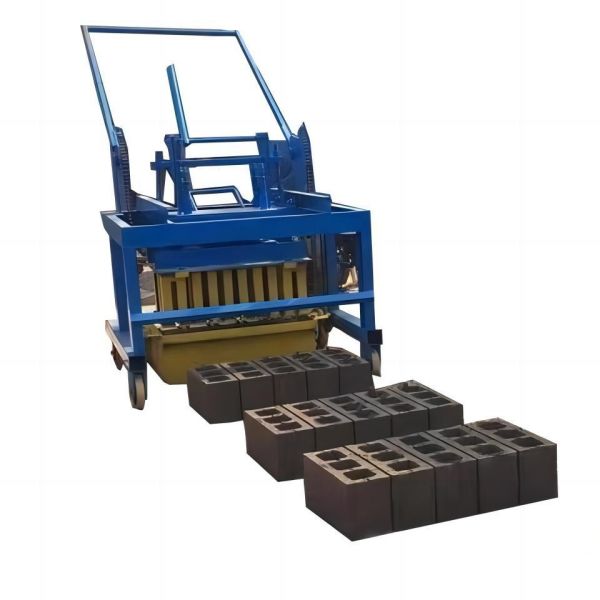
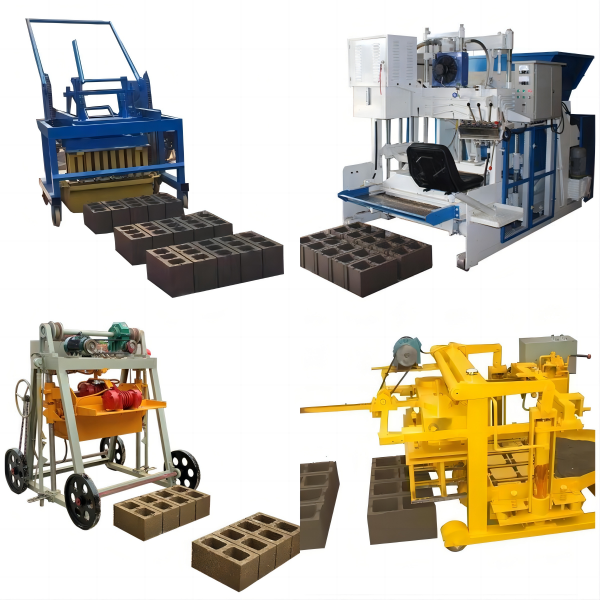
- Semiautomatis Systemata Sine Mortario (Typus Prehensor/Brachii Robotici)Haec systemata ad structuras siccas seu coniunctas fabricandas comparata sunt, quae caementum in pariete non requirunt. Plerumque brachium roboticum vel prensor proprius in essedo mobili vel porticu ferrovia ducta insunt. Machina laterem e transvectore sumit, tenuem glutinum si opus est adhibet, et eum cum praecisione millimetrali secundum exemplar aedificii digitale collocat. Praecipuum commodum est celeritas et exactitudo in parietibus construendis pro horreis, muris circumiectis et quibusdam consiliis domesticis.
- Systēmata Automata Plena in Situ Mixturae et StratiHaec summa integrationis repraesentat. Hae sunt magnae unitates mobiles, saepe instar fabricae, quae coniungunt repositorium concrementorum, mixturam, et caput sophisticatum sternendi. Materias crudas (harenam, caementum, additamenta) accipiunt, tectorium ad postulationem miscent, et tectorium stratum et laterculum in continuo et automatizato cyclo sternunt. Muris tectoriis traditionalibus incessabili et constanti gradu aedificant et typice adhibentur ad structuras magnas et repetitivas, sicut complexus habitaculorum et aedificia institutiva.
Core Subsystemata et Integratio Technologiae
Harum machinarum subtilitas in plurium subiectorum coniunctione consistit.
- Ratio Ducta et Moderandi Systemata.Hoc est "cerebrum." Operatio regitur programmatibus subtilibus quae exemplaria CAD vel BIM interpretantur. Positionis realis temporis fit per compositionem laserorum sequentium, stationum totalium, et unitatum mensurarum inertiarum (IMUs), curantes ut unumquodque elementum in loco exacto programmato spatio tridimensionali collocetur.
- Materiae Tractatio et LogisticaEfficientia pendet ex continua rerum subministratione ad machinam. Vehicula gubernata automatice, tabulata trahentia connexa, necnon rationes sincronae pro vehiculis subvectionis maximi momenti sunt. Obstaculum systematis persaepe non est celeritas ponendi, sed constantia materiae ad locum sumendi perducendae.
- Technologia Adaptive Finalitatis Instrumenti:Manus machinae, sive effector extremus, varias unitatum magnitudines, texturas, et pondera tractare debet. Systemata provectiora visione computationali utuntur ad unitates irregulares dirigendas, prehensorias accommodabiles pro diversis dimensionibus, et distributorias subtiles ad glutina vel caementi fascias applicandas.
- Structural Frame and Mobility Platform: Stability is non-negotiable. Systems range from rail-guided gantries that run on prepared tracks along the wall line to self-propelled, rough-terrain tracked vehicles that can navigate a job site and reposition autonomously.
Market Analysis and Strategic Positioning
Segmentation by Capacity and Project Fit
The market is stratified to serve distinct project profiles:
- Entry-Level and Compact Systems: Targeted at small to medium-sized contractors and specialty builders. These are often simpler, semi-automated gripper systems with a lower degree of autonomy. They focus on ease of transport, quick setup, and a clear ROI on custom homes, additions, and small commercial projects. They serve as an introduction to automated masonry.
- Mid-Range Production Systems: The most competitive segment for general contractors. These systems offer a balanced blend of high output (e.g., 500-1000 units per day), advanced features like integrated mortar application, and robust construction for sustained use. They are the workhorses for townhouse developments, school buildings, and mid-rise construction.
- Heavy-Industrial and High-Rise Systems: Engineered for megaprojects. These may include tower-mounted systems or highly integrated solutions that work in concert with prefabrication. They prioritize maximum uptime, integration with project management software, and the ability to handle the logistical complexity and scale of building skyscrapers or massive industrial facilities.
The Financial Model: Understanding Cost and Value
Capital Expenditure (CapEx) and Price Determinants
The upfront price point is a function of multiple variables:
- Automation Level and Output Speed: A basic semi-automated gripper machine may have a price point equivalent to a high-end truck or piece of earthmoving equipment. A fully integrated, high-output batching and laying system can command a price comparable to a fleet of such vehicles. Speed, measured in units laid per hour, is the primary driver of cost.
- Versatilitas et Accommodatio: Machines capable of handling multiple unit types (e.g., standard blocks, corner blocks, half-blocks) and switching patterns automatically carry a premium. Customization for specific regional block standards or special projects also affects price.
- Technological Package: The inclusion of advanced guidance (3D BIM integration vs. 2D laser), telematics for remote monitoring, and predictive maintenance software significantly increases the initial investment but also the long-term value.
- Durability and Support Structure: Machines built with industrial-grade components, offering extended warranty packages, and backed by a robust dealer service network understandably have a higher price tag, reflecting lower lifetime risk.
Total Cost of Ownership (TCO) and Justification
For the end-user contractor, the decision is based on TCO, not just purchase price. A persuasive TCO model must account for:
- Direct Labor Displacement: Calculate the fully burdened cost (wages, insurance, benefits) of the masons and laborers the machine replaces, projected over its operational lifespan.
- Productivity Gains and Schedule Compression: Value the revenue from completing projects 30-50% faster—enabling more projects per year and reducing overhead costs like site supervision and equipment rentals.
- Materiae Efficientia: Savings from near-zero waste due to precise mortar application and reduced unit breakage.
- Quality and Risk Mitigation: Quantify the reduction in rework, the improvement in structural consistency (enhancing insulation and seismic performance), and the lowering of insurance premiums due to a safer worksite.
- Residual Value: Estimate the machine’s potential resale value after a defined period, a factor often overlooked.
Conclusion: Capitalizing on a Paradigm Shift
The adoption of automated construction unit placement technology is transitioning from early adoption to early mainstream acceptance. For the supply chain—distributors, dealers, and procurement professionals—this represents a paradigm-shifting opportunity. Success requires evolving from a transactional equipment seller to a strategic productivity partner. This means:
- Product Mastery: Understanding the technical nuances between system types and their ideal applications.
- Financial Acumen: Being able to build and present a compelling, customized TCO model that justifies the capital investment to a contractor’s CFO.
- Ecosystem Thinking: Ensuring your offering includes comprehensive training, reliable service, and parts support, as downtime is the single greatest threat to the client’s ROI.
The competitive landscape for builders is being redefined. Those equipped with this technology will compete on speed, cost, and quality in ways that manual operations cannot match. By providing the tools and the business case for this transformation, forward-thinking distributors position themselves at the center of the future of construction.
Interrogationes Saepius Petitae (ISP)
Q1: What is the typical price range for these systems? How do we begin the conversation with a cost-conscious contractor?
A: Pricing is highly variable, but broadly, entry-level semi-automated systems can start in a range comparable to premium conventional construction equipment. Mid-range production systems fall into a significantly higher bracket, akin to establishing a small, specialized fleet. Top-tier, fully integrated systems represent a major capital investment. Begin the conversation not with price, but with pain points: labor costs, schedule delays, and quality control. Then, transition to a cost-per-laid-unit analysis versus the manual method, framing the machine as a solution to their core business challenges.
Q2: How does the output of a machine compare to a skilled crew?
A: Performance varies by model, but a robust mid-range production system can consistently output between 500 to 1,200 units in an 8-hour shift, depending on block size and design complexity. This output can equal or exceed the work of a crew of 4-6 skilled masons, but with greater consistency and without fatigue. The machine also works in more weather conditions, extending the productive building season.
Q3: What are the hidden costs beyond the initial purchase?
A: A comprehensive TCO analysis must include: Operational Costs (specialized fuel/electricity, routine maintenance, wear parts like grippers); Logistics Costs (potential need for more organized material delivery, on-site power requirements); Software & Training Costs (annual software licenses, training for new operators); and Financing Costs (interest if purchased via loan or lease). Presenting this transparently builds trust.
Q4: Can these machines work with all types of standard blocks and patterns?
A: Most systems are designed for widely used standard sizes. Compatibility is a key specification. High-end machines can be programmed for multiple block types and complex patterns (e.g., corners, jambs, bond patterns) through tool head changes or software adjustments. It is crucial to verify the machine’s specifications against the most common block profiles in your target market.
Q5: What does operator training entail, and how long does it take to achieve proficiency?
A: Training is multi-phased. Basic machine operation, safety, and daily maintenance can be taught in 1-2 weeks. Achieving proficiency in troubleshooting, re-calibrating the guidance system, and optimizing workflows for different projects typically requires several months of supervised on-site experience. Manufacturers and knowledgeable distributors provide structured training programs to ensure success.
Q6: What is the typical lifespan and expected ROI period for this investment?
A: With proper maintenance, the core structural components can last for well over a decade. The electronic and software components may undergo refreshes. The ROI period is intensely project-dependent. For a contractor with a consistent pipeline of suitable work, a compelling ROI can often be demonstrated within 12 to 24 months based on labor savings, increased throughput, and reduced waste. This makes the investment highly attractive compared to many other types of capital equipment.