
The Ultimate Guide to Brick Manufacturing Machines: Types, Costs & How to Choose
Introductio
From the Great Wall to the modern skyscraper, the humble brick has been a foundational pillar of human construction for millennia. Today, the global brick manufacturing industry is a multi-billion dollar engine, producing hundreds of billions of units annually to build our homes, cities, and infrastructure. This scale is made possible by a quiet revolution: the evolution from hand-molding to sophisticated, automated brick manufacturing machines. For entrepreneurs, construction firms, and industrialists, selecting the right machinery is the single most critical decision that determines productivity, product quality, and profitability.
This comprehensive guide is engineered from the ground up with your success in mind. We’ve synthesized decades of collective industry insight, mechanical engineering principles, and hard-won operational knowledge. Whether you’re a newcomer exploring a business venture or an established manufacturer looking to upgrade, this resource is designed for you.
If you’ve searched for “brick manufacturing machine,” your core questions are likely: What types are available? How much do they really cost? And crucially, how do I choose the right one for my specific needs? This post will answer all that and more. By the end, you will possess a clear understanding of machine types, key selection criteria, vital operational insights, and a realistic view of investment and cost factors. Our goal is not to sell you a machine, but to empower you with the trustworthy, balanced information needed to make a confident, informed investment decision based on industry standards and proven best practices for safety and efficiency.
Understanding Brick Manufacturing Machines: Core Concepts
Before diving into types and costs, it’s essential to grasp what these machines do and how they fundamentally work. This foundational knowledge is key to evaluating your options.
What is a Brick Manufacturing Machine?
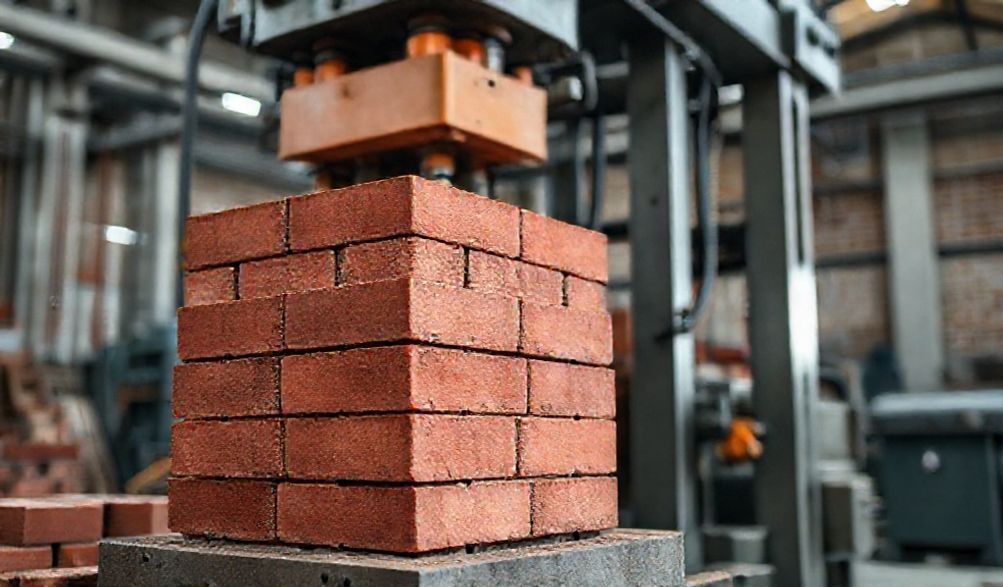
A brick manufacturing machine is a mechanized system that automates the process of molding raw materials—such as clay, concrete, or fly ash—into solid, uniform bricks or blocks. It transforms loose, bulk material into a precisely shaped, compacted product ready for curing and use.
This stands in stark contrast to traditional manual methods, which rely on human labor for mixing, molding, and drying. The mechanization introduced by these machines brings monumental gains in consistency, output speed, labor efficiency, and product strength, turning brick production from a craft into a scalable industrial process.
Partes Praecipuae et Quomodo Operantur
While designs vary, most brick-making machines consist of several core subsystems working in concert. Understanding these demystifies the process:
- Mixer/Cribrum: This is the starting point. Raw materials (e.g., sand, cement, aggregate, water) are fed and thoroughly blended into a homogeneous mix with the correct moisture content.
- Conveyor: The prepared mix is transported from the hopper to the molding chamber, ensuring a consistent and automated feed.
- Cella Formatoria The heart of the machine. Here, the mix is filled into a mold cavity that defines the brick’s shape (solid, hollow, interlocking, etc.).
- Systema Compactionis: This is what gives the brick its density and strength. Two primary methods exist:
- Pressura Hydraulica: A hydraulic ram applies immense, controlled pressure to the mix in the mold.
- Mechanical Vibration: The mold is subjected to high-frequency vibration, settling and compacting the concrete mix.
- Tabula Moderatoria: The brain of the operation, especially in semi- and fully-automatic models. It allows operators to set parameters, control cycles, and monitor machine functions.
- Pallet/Curing System: Once ejected, the green (uncured) bricks are placed onto pallets or a conveyor system and moved to a curing area where they gain strength over time, often through steam curing or air drying.
A Simple Workflow: Raw Material → Mixing → Conveyance → Molding & Compaction → Ejection → Curing → Finished Brick.
Types of Brick Manufacturing Machines
The market offers a diverse range of equipment. The right choice depends entirely on your production scale, budget, and product goals. Here, we break down the primary categories based on operation, material, and technology.
By Operation Type
This classification is often the first and most significant differentiator for buyers.
-
Machinae Manuales Laterum Fingendorum:
- Overview: The most basic type. Operators manually feed material into a mold and use a lever mechanism to apply compaction force.
- Pros: Lowest capital cost, simple to understand and repair, minimal power requirements.
- Incommodis: Very low output (typically 300-500 bricks per day), extremely labor-intensive, inconsistent product quality dependent on operator skill.
- Optimum Pro: Very small-scale projects, community initiatives, or regions with very low labor costs and minimal production demands.
-
Semiautomaticae Machinae:
- Overview: The sweet spot for many small-to-medium enterprises (SMEs). The operator typically controls the feeding and initiation of the cycle, but the machine automates the core processes of molding, compaction, and brick ejection.
- Pros: Excellent balance of cost and output. Significantly higher production than manual machines with more consistent quality. More efficient use of labor.
- Incommodis: Still requires consistent operator attention. Output is limited by the cycle time and manual feeding/intervention.
- Optimum Pro: Growing businesses, block yards, and contractors looking to produce for local markets with a manageable investment.
-
Planta Lateraria Plena Automata:
- Overview: These are industrial production lines. Computer-controlled systems handle the entire process from raw material batching and mixing to molding, curing, stacking, and sometimes even packaging with minimal human intervention.
- Pros: Maximum output (thousands of bricks per hour), unparalleled consistency, lowest labor cost per brick, high level of precision.
- Incommodis: Very high initial investment, significant space and infrastructure requirements (strong power supply, foundation), need for skilled maintenance technicians.
- Optimum Pro: Large-scale industrial production for supply to major construction projects, distributors, or export markets.
By Raw Material Processed
The raw material dictates the machine’s core technology.
- Clay Brick Machines (Extrusion): Designed for traditional fired clay bricks. They use an extruder to force plastic, wet clay through a die to form a continuous column of clay, which is then wire-cut into individual bricks before drying and firing in a kiln.
- Concrete Block/Brick Machines (Vibration/Compression): The most common type for modern construction. They use a combination of vibration and high pressure to compact a dry-ish concrete mix (cement, sand, aggregate) in a mold. They can produce a vast array of products: hollow blocks, solid blocks, paving stones, kerbstones, and interlocking bricks.
- Fly Ash Brick Machines (Hydraulic Pressure): A key player in sustainable construction. These machines use high hydraulic pressure (often 28+ MPa) to compact a mix of fly ash (a waste product from coal plants), cement, and water. The bricks are then cured, often with steam, and do not require firing, saving energy.
By Driving Force
This refers to the core compaction technology.
- Machinae Laterculorum Hydraulicae: Utilize hydraulic cylinders to generate immense, controlled pressure. This results in very dense, high-strength bricks with excellent surface finish and dimensional accuracy. They are the standard for high-quality fly ash bricks and premium concrete products. In practice, operators report they are generally more energy-intensive but offer superior control over brick density.
- Vibration-Based Machines: Rely on powerful vibrators attached to the mold table to compact the concrete mix. They are often faster and more energy-efficient for producing certain types of hollow blocks and pavers. However, achieving the very highest strengths can be more challenging compared to high-pressure hydraulic systems. They are a common and affordable choice for many concrete product manufacturers.
Critical Factors for Choosing the Right Machine
Selecting a machine is a strategic decision. Moving beyond brochures and sales pitches requires a disciplined assessment of your own needs and the machine’s true capabilities.
Tuas Necessitates Productionis Perpendens
Start by answering these fundamental questions:
- What is my required output? Calculate in bricks per hour or per 8-hour shift. Be realistic about current demand and near-term growth. Don’t buy a massive plant for a small market.
- What type of bricks/blocks will I sell? Are you supplying solid bricks for housing, hollow blocks for commercial construction, or specialized pavers for landscaping? Your product line defines the necessary mold types and machine pressure/vibration requirements.
- What raw materials are available locally and at what cost? The abundance and price of sand, aggregate, cement, clay, or fly ash should directly influence your choice of machine type. Building a business around an imported or scarce material is a common pitfall.
Machine Specifications to Scrutinize
When comparing models, these are the non-negotiable details to investigate:
- Productio Capacitas: Always distinguish between theoretical capacity (under ideal, continuous conditions) and practical capacity (accounting for mold changes, maintenance, and operational delays). A machine rated for 2000 bricks per hour might reliably produce 1500-1600.
- Brick Size & Mold Versatility: Check the range of mold sizes the machine can accommodate. How quickly and easily can molds be changed? A versatile machine that can produce multiple products (e.g., blocks of different thicknesses and pavers) allows you to adapt to market demands.
- Postulatum Potentiae: Note the electrical load (in kW) or the diesel engine specifications. This is a major factor in your ongoing operational costs and site infrastructure needs.
- Automationis Gradus: Match this to your available labor skill and budget. More automation reduces labor but increases complexity and repair costs. A semi-automatic machine might be a more manageable leap for a first-time owner than a fully automated line.
- Build Quality & After-Sales Service: This is paramount. Inspect the quality of steel used, the brands of critical components (hydraulic pumps, PLCs, vibrator motors), and welding. Most importantly, investigate the supplier’s after-sales support. Do they offer installation supervision, operator training, and a reliable spare parts supply chain? A cheaper machine with no local support can become a very expensive paperweight.
Investment and Operational Considerations
The purchase price is just the entry ticket. A clear financial picture is essential for planning and securing a return on your investment.
Brick Manufacturing Machine Price Range Breakdown
Prices vary dramatically based on type, capacity, automation, and country of origin. The following are estimated ranges (in USD) to provide a framework. These are subject to change and market conditions.
| Machine Type | Estimated Price Range (USD) | Key Influencing Factors |
| :— | :— | :— |
| Manual Machines | $1,500 – $5,000 | Build quality, mold material, single or multi-brick output. |
| Semi-Automatic Machines | $10,000 – $50,000 | Production capacity, hydraulic vs. vibration, level of automation, brand. |
| Fully Automatic Plants | $75,000 – $500,000+ | Degree of automation (batching, stacking, robotics), output speed, brand reputation, customization. |
Beyond the Purchase Price: Total Cost of Ownership
To avoid surprises, budget for these additional costs:
- Installation & Foundation: The machine needs a solid, level concrete foundation. Installation may require a technician from the supplier, involving travel and labor costs.
- Sumptus operandi: This includes monthly electricity or diesel consumption, wages for operators, and raw material inventory.
- Mold Costs: Each different brick shape requires a dedicated mold. High-quality steel molds are an additional investment but are crucial for product quality and longevity.
- Preventative Maintenance: Regular lubrication, filter changes, and part inspections are not optional; they are an ongoing cost that prevents catastrophic failure.
Maximizing ROI and Profitability
Your machine is an asset. To maximize its return:
- Source Raw Materials Wisely: Establish reliable, cost-effective supply chains. Consider using locally available waste materials like fly ash.
- Focus on Efficient Operation: Train your operators thoroughly. Minimize downtime through scheduled maintenance and efficient mold changeovers.
- Diversify Your Product Line: Use your machine’s versatility to produce multiple block and paver types, allowing you to serve different customer segments.
- Conduct Market Analysis: Produce what sells in your area. High-strength blocks may command a premium in commercial zones, while affordable solid bricks may be in demand for residential projects.
Best Practices for Operation and Maintenance
Long-term success hinges on safe and diligent care of your equipment. These practices, forged from common challenges on the factory floor, are essential.
Safe Operation Procedures
Safety must be the non-negotiable foundation of your operation.
- Exercitatio. Ensure every operator is fully trained on the specific machine, including emergency stop procedures.
- Lockout/Tagout (LOTO): Strictly enforce LOTO protocols during any maintenance, cleaning, or mold change to prevent accidental startup.
- Instrumenta Praesidii Personalis (IPP) Mandate the use of safety glasses, hearing protection (especially near vibrators), gloves, and steel-toe boots.
Routine Maintenance Checklist
A small amount of preventative care prevents major breakdowns.
- Daily: Clean excess material from the machine, molds, and feed hopper. Check hydraulic oil levels and for visible leaks. Inspect for loose bolts or parts.
- Weekly: Lubricate all moving parts as per the manufacturer’s manual. Check vibrator mounts and electrical connections. Clean hydraulic filters if indicated.
- Monthly: Perform a more thorough inspection of hydraulic hoses, cylinder seals, and the compaction head. Check the alignment of the mold and feeding system.
Troubleshooting Common Issues
Here’s how to diagnose frequent problems:
- Poor Brick Strength: Likely causes: incorrect raw material mix (too much water, not enough cement), insufficient compaction pressure/vibration time, or inadequate curing.
- Surface Cracks: Often due to too much water in the mix, overly rapid drying during curing, or improper vibration causing segregation.
- Bricks Sticking in Molds: Usually a sign of worn or damaged mold liners, insufficient mold release agent, or a mix that is too wet.
- Hydraulic Leaks or Loss of Pressure: Check hose fittings, cylinder seals, and the hydraulic oil reservoir. Persistent issues require a qualified technician.
Frequently Asked Questions (FAQ)
Q1: What is the average production capacity of a standard brick making machine?
A: There is no single “standard.” Capacity varies immensely. A small semi-automatic machine might produce 1,000-1,500 bricks in an 8-hour shift. A mid-range stationary plant could produce 4,000-6,000 blocks per shift. Large, fully automatic lines can exceed 10,000 bricks per hour. Always define your required output first.
Q2: Can one machine produce different types of bricks and blocks?
A: Yes, this is a key feature of most machines. By changing the mold (the cavity that shapes the brick), you can produce different sizes and styles—for example, switching from a 4-inch hollow block to a 6-inch solid block or a paving stone. However, factor in the cost of additional molds and the time required for changeover, which temporarily halts production.
Q3: How much space is required to install a brick manufacturing plant?
A: Space needs range from a few hundred square feet to several acres. You need space for: 1) The machine itself, 2) Raw material storage (sand, aggregate piles, cement silos), 3) Mixing area, 4) Curing area (often the largest, where bricks gain strength for 7-28 days), and 5) Storage for finished products. A small semi-auto operation might fit on a 5,000 sq ft plot, while an automatic plant may require 2+ acres.
Q4: What is the lifespan of a brick manufacturing machine?
A: With proper maintenance and operation, a well-built brick manufacturing machine can have a productive lifespan of 10 to 20 years. The longevity is directly tied to the quality of its construction (steel grade, component brands) and the rigor of your preventative maintenance program.
Q5: Are there eco-friendly brick making machine options?
A: Absolutely. This is a major industry trend. Fly ash brick machines are a prime example, as they repurpose a industrial waste product (fly ash) into durable bricks, often eliminating the energy-intensive firing process. Furthermore, many concrete block machines can utilize recycled aggregates (crushed concrete) in their mix, reducing landfill waste and virgin material consumption.
Conclusion
Choosing a brick manufacturing machine is a significant investment that lays the foundation for your business’s future. The journey from raw material to finished product is complex, but success hinges on a simple principle: meticulously matching the machine’s capabilities to your specific production goals, budget, and available raw materials.
Our final, critical recommendation is to look beyond the initial price tag. Prioritize build quality, supplier reputation, and comprehensive after-sales service. A slightly more expensive machine from a reputable supplier with local technical support will save you money and headaches in the long run. Whenever possible, visit a working plant using the equipment you’re considering or request a live material demonstration.
Before finalizing any decision, we strongly advise consulting with a qualified mechanical or civil engineer and engaging with industry experts. Conduct thorough due diligence by requesting references from equipment suppliers and connecting with industry associations for vetted vendor lists.
As we look ahead, the industry continues to evolve with trends like IoT sensors for predictive maintenance and even greater automation for consistency and data-driven optimization. By making an informed choice today, you position your operation not just for current success, but for sustainable growth in the built environment of tomorrow.
<