
Ultima Ductor ad Lateres Terrae Machinas: A Fundamento Sustinabiliter Aedificare
Introductio
Aetate, quae urgetur mutatione caeli et iniquitate habitationum, quaestio materiarum aedificandarum quae sustentari, parvi pretii, et durabiles sint, numquam magis necessaria fuit. Constructio usitata, quae lateribus coctis et caemento Portlandensi nititur, ingentem impensam environmentalem fert—quae non parvam partem emissionum carbonii globalium et consumptionis opum efficit. Onus oeconomicum aeque grave est, cum pretia materiarum saepe tutam et dignam habitationem milibus hominum extra manum ponant.
Sed quid si consilium sub pedibus nostris litteraliter latet? Ecce machina laterum terrestris: res technologica transformans quae singulos, aedificatores, communitatesque adiuvat ut humum e locis propriis petendam in firmos, pulchros, et oecologicos structurae lapides convertant. Haec technologia aedificationem democratizat, effectum in ambitum minuit, et priscam aedificandi sapientiam cum arte moderna reviviscit.
Hic liber plenus est tibi via ad intellegendum et adhibendum machinas laterum terrae. Technologiam elucidabimus, eius commoda penitus enarrabimus, et rationem practicam ac gradatim pro opere tuo praebebimus. Ex decenniis experientiae industriae coniunctae, principiis ingeniariae, et datis applicationis in mundo reali collecta, haec informatio tam certa quam statim efficax esse destinatur. Aedificemus futurum sustentabilius, ab imo fundamento.
Quid est Machina Laterum Terreorum? Technologiae Intellectus
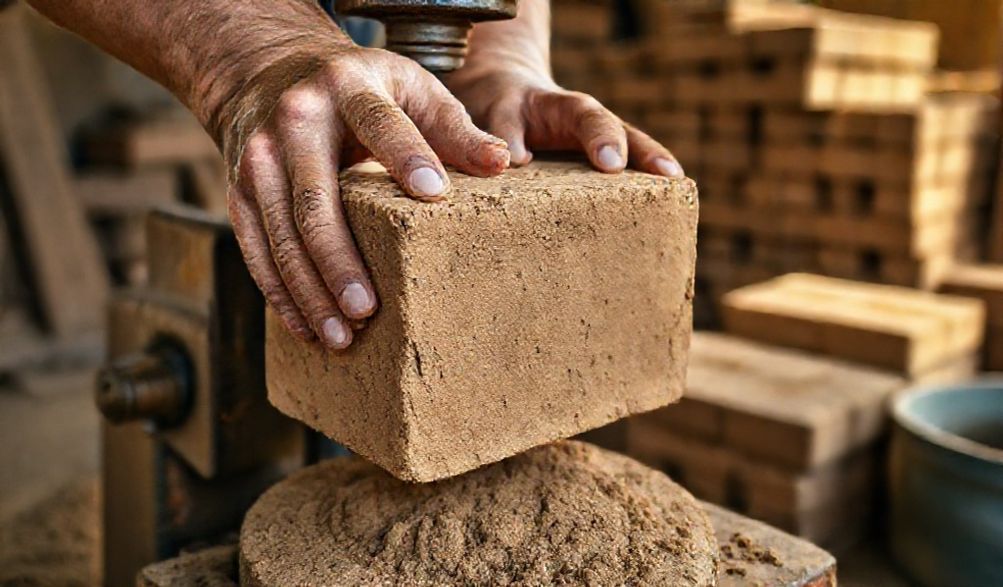
In sua essentia, machina laterum terrenorum est pressura mechanica ad Lateres Terrenos Compressos (LTC) creandos destinata. Dissimilis lateribus crudis (luto sole siccatis) vel terrae pilatae, LTC alta pressione compactionis utuntur ad lateres densos et uniformes producendos, qui ad constructionem hodiernam satis validi sunt.
Principium Fundamentale: Technologia Lateris Terrae Compressi
Scientia in simplicitate sua elegans est. Machina laterum terrenorum ingentem pressionem mechanicam—plerumque inter quingenta et mille quingenta libras per quadratum pollicem—mixturae humidae terrae adhibet. Hoc compactione spatia inter particulas terrae vehementer minuitur, densitatem auget et validas inter particulas coniunctiones creat. Exitus est later cum magna vi compressionis, directe ex terra, paene nullo ignis sumptu energiae intensivo opus habens.
Partes Claves Machinae Typicae
Cum consilia variantur, pleraeque machinae communes partes functionales communicant:
- Saltator:Camera ubi mixtura terrae parata oneratur.
- Compressio Cubiculum & FormaHoc est cor machinae. Camera terram sub pressione continet, et forma (vel typus) lateri figuram et magnitudinem finalem dat (exempli gratia, lateri communi, lateri intercludenti).
- Machina vel Systema Hydraulicum:Fons comprimendi vis. Machinae manuales vecte utuntur, machinae autem motoriae arietem hydraulicum adhibent.
- Ejector Machinamentum:Comprimo, mechanismus laterem perfectum e forma expellit, ad durandum paratum.
A Terra ad Solidum Massam: Processus Fundamentalis
Productio orbis simplex et repetibilis est:
- Praeparatio Mixtionis:Terra cribratur, miscetur cum parva aquae quantitate (et interdum stabilizatore ut caemento), ad optimum umorem assequendum.
- Onus.Mixtura in infundibulum machinae immittitur.
- Compressio: The lever is pulled or the hydraulic system is activated, driving a ram to compress the soil within the mold.
- Eiectio: The freshly pressed, solid block is ejected onto a pallet or rack.
- Sanatio: Blocks are stacked and kept under plastic or in a shaded area to cure and gain strength gradually, usually over 2-4 weeks.
Why Choose Earth Bricks? Unmatched Benefits for Builders and the Planet
Choosing compressed earth blocks isn’t just an alternative building method; it’s a conscious decision with cascading positive impacts.
Environmental & Sustainability Advantages
- Infima Energia Incorporata: Firing a single clay brick can consume over 2 kWh of energy. CEBs require only the mechanical energy for compaction, slashing embodied energy by over 90%.
- Minimal Carbon Footprint: By eliminating the firing process and using local soil, transportation and manufacturing emissions are virtually eliminated. The process is often carbon-neutral or even carbon-storing.
- Biodegradability & Non-Toxic: At the end of its very long life, an earth brick can simply return to the earth. It contains no volatile organic compounds (VOCs) or synthetic chemicals, ensuring healthy indoor air quality.
Economic & Practical Benefits
- Sumptus Notabiliter Imminutus: Material costs can be reduced by 50-70% compared to conventional masonry. The primary investment is in the machine itself.
- In Situ Productio Manufacturing blocks directly on the construction site eliminates logistics costs, supply chain delays, and material waste.
- Optima Massa Caloris: Earth bricks absorb heat during the day and release it slowly at night, naturally regulating indoor temperatures and drastically reducing heating and cooling costs.
Structural and Aesthetic Qualities
- Alta Resistensia Compressiva: Properly made and stabilized CEBs can achieve compressive strengths exceeding 700 psi, suitable for load-bearing walls in multi-story designs.
- Fire, Pest, and Sound Resistance: Dense earth blocks are naturally fireproof, resistant to termites and rodents, and provide superior acoustic insulation.
- Natural, Versatile Aesthetic: The warm, earthy tones and subtle texture of CEBs create visually stunning walls that can be left exposed, plastered, or painted.
A Practical Guide to Soil: The “Recipe” for Perfect Bricks
The success of any earth building project hinges on the soil. Not all dirt is created equal, but the right mix is often readily available.
The Ideal Soil Composition: Sand, Silt, and Clay Ratios
Think of soil as a recipe. You need the right balance of structural “aggregate” (sand and gravel) and binding “glue” (silt and clay).
* The Gold Standard: A mix of approximately 70% sand and gravelet30% silt and clay is often ideal.
* Too much clay? The block will shrink and crack as it dries.
* Too much sand? The block will lack cohesion and crumble.
Simple On-Site Soil Testing Methods
You don’t need a lab to start. Two field tests provide excellent guidance:
- The Jar Test: Fill a clear jar 1/3 with soil, add water, shake vigorously, and let it settle for 24 hours. The layers will separate into sand (bottom), silt (middle), and clay (top), giving you a visual percentage of each.
- The Ribbon Test: Take a moistened handful of soil and try to roll it into a thin ribbon between your thumb and forefinger. If it forms a long, flexible ribbon, clay content is high. If it crumbles immediately, sand content is high.
The Role of Stabilizers: When and What to Use
Stabilizers are added to improve strength and water resistance. They are often essential in climates with heavy rainfall or freeze-thaw cycles.
* Cement (3-10%): The most common stabilizer. It chemically binds with the soil, significantly increasing compressive strength and durability.
* Lime (3-10%): A good alternative, especially for clay-rich soils. It improves water resistance and offers a more flexible, breathable finish.
* Bitumen Emulsion: Used in very small quantities (less than 1%) as a water repellent.
Navigating Your Options: Types of Earth Brick Machines
Selecting the right machine depends entirely on your project’s scale, budget, and context.
Manual Press Machines: Affordability and Portability
- Optimum Pro: DIY enthusiasts, small homes, community projects, disaster relief, and educational workshops.
- Operatio: Relies on human leverage. Requires a team of 2-4 for efficient, sustained production.
- Output: Typically 100-500 blocks per day.
- Pros: Low cost, no power required, highly portable, easy maintenance.
- Incommodis: Labor-intensive, lower production rate.
Hydraulic & Motorized Machines: Efficiency for Larger Projects
- Optimum Pro: Commercial production, housing developments, larger institutional buildings, and contractors.
- Operatio: Uses a diesel, electric, or gasoline engine to power a hydraulic pump and ram.
- Output: Can range from 1,000 to over 5,000 blocks per day.
- Pros: High output, consistent block quality, less physical labor, can produce interlocking blocks.
- Incommodis: Higher initial investment, requires a power source, less portable, needs more technical knowledge for maintenance.
Mobile vs. Stationary Units
- Unitates Mobiles Mounted on a trailer for easy movement between sites. Ideal for contractors serving multiple locations.
- Stationary Units: Set up in a dedicated production yard. Best for large, single-site projects where soil is delivered to the machine.
Key Selection Criteria: What to Consider Before Buying
Use this checklist to guide your decision:
* Proiecti Scala: How many blocks do you need? (Calculate based on wall area).
* Summa Include machine cost, stabilizer, and potential foundation/transport.
* Soil Type: Will your local soil work, or will it require significant amendment or stabilization?
* Desired Brick Size/Shape: Standard rectangular or interlocking? Interlocking blocks can reduce mortar use by up to 50%.
* Localis Subsidium Technicum Is there a supplier or technician nearby for parts and service?
Getting Started: Your Step-by-Step Project Roadmap
Embarking on an earth brick project is exciting. A methodical approach ensures success and safety.
Phase 1: Planning and Site Preparation
- Soil Sourcing & Testing: Identify your soil source and perform jar/ribbon tests.
- Praeparatio Soli: Screen the soil to remove rocks and organic matter. Use a rotary tiller or tractor-mounted mixer to homogenize the soil, water, and stabilizer (if used) into a consistent, damp mix.
Phase 2: Machine Setup and Trial Runs
- Machine Assembly & Calibration: Follow the manufacturer’s instructions meticulously. Ensure the machine is on a level, stable base.
- Produce Test Blocks: Make a small batch of 20-30 blocks. Let them cure for 7 days, then test their strength (a simple drop test from waist height is a good start). Adjust your soil mix or moisture content based on the results.
Phase 3: Production, Curing, and Construction
- Full-Scale Production: Organize a workflow: mixing, feeding the machine, moving and stacking fresh blocks. Keep blocks shaded.
- Proper Curing: This is critical. Stack blocks under plastic sheeting or in a covered area. Keep them slightly moist (by sprinkling water) for the first week to ensure proper chemical stabilization, then allow to dry slowly for 3-4 weeks.
- Aedificatio: Use a soil-cement mortar or a standard mortar mix. Lay blocks like conventional masonry. Always ensure a proper foundation (typically a rubble trench or reinforced concrete stem wall) and a wide, waterproof roof overhang to protect the earthen walls from direct rain.
Frequently Asked Questions (FAQ) About Earth Brick Machines
Q1: How strong are earth bricks compared to traditional fired bricks?
A: A well-made, cement-stabilized CEB can achieve compressive strengths of 700-1,200 psi. While a high-quality fired clay brick can reach 3,000-5,000 psi, the typical strength required for a 1-2 story load-bearing wall is around 500-800 psi, which CEBs reliably meet.
Q2: Are earth brick buildings suitable for rainy or cold climates?
A: Yes, with proper design and stabilization. The key is using a cement or lime stabilizer (5-10%), ensuring excellent roof overhangs (at least 18 inches), and applying a breathable, water-resistant plaster. The high thermal mass is a major advantage in cold climates, storing passive solar heat.
Q3: What is the typical cost of an earth brick machine, and what’s the ROI?
A: Manual presses range from $1,500 to $5,000. Motorized machines start around $10,000 and can exceed $50,000. ROI is rapid for builders. For a single home, material savings alone can pay for a manual press. For a business, producing blocks for sale can yield profit margins of 40-60%.
Q4: Can I build a multi-story structure with compressed earth blocks?
A: Absolutely. Load-bearing CEB walls are commonly used for 2-3 story buildings globally. Engineering principles are the same as for other masonry; proper block strength, wall thickness, and potentially reinforced bond beams are required. Always consult a structural engineer familiar with earthen construction.
Q5: Do I need special permits or approvals to build with earth bricks?
A: Building codes vary widely. In many regions, CEBs are an approved building material, especially if they meet ASTM or other relevant standards for compressive strength. The best approach is to present engineering data and successful case studies from your region to your local building authority early in the planning process.
Q6: How long does it take to learn to operate a machine and build a wall?
A: Operating a manual machine can be learned in an afternoon. Mastering soil mix optimization and efficient production takes a few days of practice. Basic masonry skills transfer directly to laying CEBs. A comprehensive hands-on workshop (1-2 weeks) is highly recommended for first-time builders.
Conclusion: Building a Sustainable Future, One Block at a Time
The earth brick machine represents a powerful convergence of ecological responsibility, economic wisdom, and architectural integrity. It is a tool that reconnects us with the land, not as a resource to be exploited, but as a partner in creating shelter. It turns the challenge of sustainable construction into a tangible, hands-on opportunity.
This technology is more than a piece of equipment; it’s a catalyst for self-reliance, community resilience, and a quieter, more thoughtful approach to how we inhabit our planet. The knowledge to build durable, beautiful, and affordable homes is now accessible.
We encourage you to move from theory to practice. Take that first step: perform a jar test on your local soil. Reach out to reputable machine manufacturers with your project specifics. Most importantly, seek hands-on experientia. Attend a workshop offered by sustainable building organizations like The Earth Institute, CalEarth, or your local natural building collective. The future of building is sustainable, and it starts with the ground beneath you.
<