
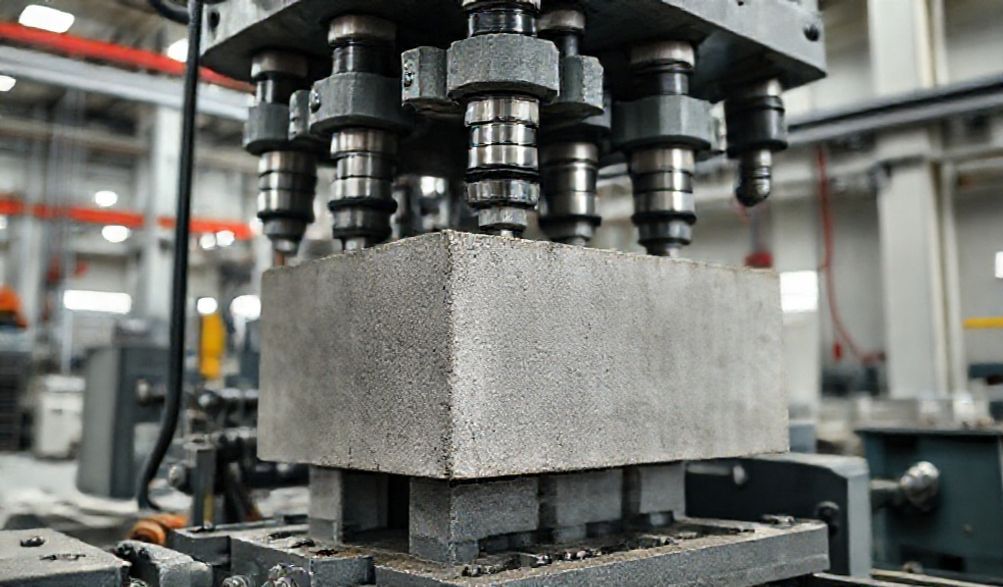
Tuum Ultimum Ductor ad Emendam Machinam Laterariam ex Iaponia (MMXXVI)
Per decennia, nota "Factum in Iaponia" significatio globalis fuit subtilitatis, firmitatis, et novissimae innovationis. A gigantibus autocinetorum Toyota ad electronicae auctores Sony, ars ingeniaria Iaponica exemplar globale statuit. Haec fama excellentiae potenter in regnum machinarum industrialium extenditur, incluso apparatu critico qui mundum nostrum aedificat: machinis lateres et caudices faciendis.
Procuratores negotiorum, praefecti constructionis, et negotiatores, machinam laterariam aptam invenire capitale est investimentum. At per mercatum internationalem, praesertim qui notus est ob machinas summae qualitatis et multiplicis fabricae, navigare magnas difficultates praebet. Quomodo verum statum machinae dimidiam per orbem terrarum verificare potes? Quomodo technicam convenientiam cum materiis localibus et copia electrica praestare potes? Quae sunt occultae insidiae in logisticis, portoriis, et auxilio post venditionem?
Hic liber plenus destinatus est ut tibi certissima subsidia praebeat. Processum emendi machinam latericiam ex Iaponia elucidabimus, scientiam industriae, perspicientias technicas, et gradus practicos quibus opus est tibi praebentes, ut fiduciam et doctam collocationem facias. Peritiam ex mercaturae peritis, manualibus technicis, et analysi fori colligentes, propositum nostrum est te confirmare, ut non solum machinam, sed fundamentum diuturnae productionis et lucri obtineas.
Cur de Machina Lateraria Iaponica Cogitanda Sit?
Machinam laterariam eligere plus est quam mercatio; est societas consilii cum instrumento quod facultatem producendi tuam per annos definiet. Machinae Iaponicae praestantias distinctas praebent quae earum eminentiam in foro globali iustificant.
Legatum Artificii Praestantiae
Superioritas machinarum Iaponensium non fortuita est. Ex intimo fabricandi philosophiae provenit.
- Kaizen et Productio Macra.Hae continuae emendationis rationes in exhaurienda vastitate, in optimandis processibus, inque confirmandis operariis ad efficacitates cognoscendas intendunt. Tibi hoc in machinas vertitur quae ad continuum usum, ad minimam materiae vastitatem, adque intuitiva moderamina designatae sunt.
- Manufactura Praecisa:Officinae Iaponicae ob accuratam tolerantiae et aptationis curam praeclarae sunt. Hoc efficit ut systemata hydraulica minora habeant effluvia, formae qui constanter dimensiones exactas laterum efficiant, et integritas structurae tota annos usus severi sustineat.
- Firmitudinis Focus:Partes saepe ultra necessitatem fabricantur ad normas quae usitatas postulationes operationis excedunt. Hoc praeparatum incrementum significat minorem detritionem, quod ad vitam operationis insigniter longam cum recta curatione ducit.
Technologia Provecta et Automatio
Iaponici fabricatores in primis sunt ad technologiam callidam in instrumentis industrialibus inserendam. Machina moderna Iaponica latericia saepe centrum automationis est.
- Programmabiles Logicae Moderatores (PLCs):Haec systemata moderaminis computatralia praecisam programmationem cyclorum productionis, proportionum mixtionis, et temporum curationis permittunt. Operarii formulas pro variis typis laterum condere et inter eas uno ictu commutare possunt.
- Systemata Efficacia Energiae:A machinis Iaponicis, a vectibus mobilibus in motoribus ad systemata caloris recuperandi in cubiculis curationis, designatae sunt ad consummationem electricitatis minuendam, quod sumptus operandi maximus est.
- Integratio Parata:Constructae sunt ut centrum sint lineae productionis plene automatizatae, facile coniungentes cum robotis palletarum alimentatoribus, cumulatoribus, et systematis convehendis ad fluxum fabricae "sine manibus" efficiendum.
Fiducia et Diuturnitas Valor (Sumptus Totus Possessionis)
Cum pretium initiale machinae Iaponicae altius quam nonnullae optiones esse possit, verus sumptus per totum vitae spatium eius metitur—Sumptus Proprietatis Totus (TCO).
- Minus Interruptio: Superior reliability means fewer unexpected breakdowns and production halts. Consistent output is crucial for meeting project deadlines and maintaining cash flow.
- Impendia Sustentationis Minora: High-quality seals, bearings, and hydraulic components last longer and fail less frequently, reducing your spend on spare parts and repair labor.
- Maioris Pretii Redemptio: The strong brand reputation and proven durability of Japanese machinery mean it retains a significant portion of its value, providing a better return if you ever decide to upgrade.
Key Japanese Manufacturers and Brands
Navigating the brand landscape is your first step. Japan is home to several renowned manufacturers, each with its own specialties.
Industry Leaders
- TIGER Concrete Block Making Machines: A prominent name with a long history, TIGER is known for its robust, fully automatic production lines. They offer a wide range of models, from high-capacity stationary plants to more compact systems, often featuring advanced vibration technology for optimal block density.
- Aimix Group in Japan: As part of a larger international conglomerate, Aimix leverages Japanese engineering and supply chains to produce a variety of machines. They are known for offering solutions that balance advanced features with cost-effectiveness, including mobile block making machines suitable for on-site production.
Comparing Machine Types and Specializations
| Brand/Type Focus | Typical Specialization | Key Differentiators |
| :— | :— | :— |
| TIGER | Fully automatic stationary production lines | High output (e.g., 10,000+ blocks per shift), advanced PLC controls, integration with complete plant systems. |
| Aimix Japan | Mobile & Semi-Automatic Machines | Versatility for on-site projects, easier relocation, often a balance between automation and manual operation. |
| Other Specialized Makers | Specific block types (e.g., interlocking paving stones, large hollow blocks) | Custom mold engineering, specialized vibration patterns for unique product profiles. |
The Importance of Authorized Dealers and After-Sales Support
Purchasing from an authorized dealer or a highly reputable exporter is non-negotiable. This is your safeguard for:
- Genuine Parts: Access to original manufacturer parts that guarantee fit and function.
- Valid Warranty: Ensuring that any factory warranty is transferable and honored.
- Auxilium Technicum: The ability to get expert troubleshooting assistance, operational manuals, and wiring diagrams directly from the source.
Critical Factors Before You Buy
A successful purchase begins with a thorough internal assessment. Rushing this stage is the most common and costly mistake.
Tuas Necessitates Productionis Perpendens
Interroga te haec clavis quaesita.
- Product Type: What bricks or blocks will you produce? (Solid, hollow, paving, interlocking soil-cement?)
- Output Capacitas: What is your required daily or weekly volume? Be realistic about current needs and near-term growth.
- Spatium & Infrastructura: Do you have a factory building with a strong, level foundation? What is your 3-phase power supply voltage (e.g., 380V, 415V)?
- Materiae Crudae What is the local availability and quality of cement, aggregates, and fly ash? The machine must be compatible.
New vs. Used Japanese Machines
This is a fundamental decision with significant financial implications.
- New Machines:
- Pros: Latest technology, full manufacturer warranty, energy-efficient designs, and peace of mind.
- Incommodis: Highest upfront capital investment, longer lead times for delivery.
- Used Japanese Machines (“Chukou”):
- Pros: Exceptional value, immediate availability, and proven performance history. Japan’s strict equipment maintenance schedules mean used machines are often in excellent condition.
- Incommodis: Limited or no warranty, potential for worn parts, technology may be a generation behind. A professional, third-party pre-shipment inspection is absolutely critical.
Understanding Specifications and Compatibility
Learn to speak the technical language. Key specs include:
- Pressura/Tonnagium: The clamping force of the machine (e.g., 1,000 tons). Higher tonnage generally means ability to produce denser, stronger blocks.
- Mold Size & Cycle Time: Determines the block dimensions and how many blocks can be produced per hour.
- Vis Motrix: Indicates energy consumption and overall machine capability.
- Instrumenta Auxiliaria: Remember to budget for and source necessary add-ons: concrete mixers, belt conveyors, pallet feeders, and block stackers.
The Purchasing and Import Process Explained
This is where careful planning prevents logistical nightmares.
How to Find Verified Sellers and Listings
- Primary Sources: Start with the official websites of manufacturers like TIGER to identify authorized international distributors.
- Specialized B2B Platforms: Use established machinery marketplaces (e.g., JP Machinery, TradeKey) but exercise extreme caution. Scrutinize seller history and reviews.
- Verification Steps: Always request the company’s business registration, physical address, and contactable references from past international clients.
Essential Due Diligence: Inspection and Negotiation
Do not skip these steps:
- Request Media: Ask for high-resolution photos and videos of the actual machine in operation, focusing on the control panel, hydraulic system, and mold.
- Hire an Inspector: Engage a third-party inspection company in Japan (e.g., from Osaka or Yokohama ports) to conduct a Pre-Shipment Inspection (PSI). They will provide a neutral report on mechanical, electrical, and structural condition.
- Clarify Terms: Understand the Incoterms. FOB (Free On Board) Yokohama is common—you own the machine once it’s loaded on the ship and you arrange (and pay for) shipping and insurance. CIF (Cost, Insurance, Freight) to your port means the seller handles shipping, usually at a higher bundled cost.
- Negotiate: Use the inspection report as a basis for final price negotiation or to request that certain worn parts be replaced before shipment.
Navigating Logistics, Shipping, and Customs
- Freight Forwarder: Secure a reliable freight forwarder experienced in heavy machinery. They will handle booking cargo space on a Ro-Ro (Roll-on/Roll-off) or container vessel.
- Documentatio. Ensure you receive a Commercial Invoice, Packing List, Bill of LadingetCertificate of Origin. These are mandatory for customs.
- Vectigalis Exsolutio: Work with a customs broker in your country. Be prepared to pay import duties, VAT/GST, and any other applicable taxes. Provide your broker with all machine documentation.
Maximizing Your Investment: Installation and Beyond
Your responsibility begins the moment the machine arrives at your facility.
Planning for Installation and Commissioning
- Fundamentum: Prepare a reinforced concrete foundation exactly to the machine’s specification drawings before it arrives.
- Utilities: Ensure 3-phase power, water, and compressed air lines are run to the correct connection points.
- Auxilium Technicum: Budget for and arrange a technician from the supplier or a qualified local engineer to supervise installation, calibrate the machine, and train your operators.
Sourcing Spare Parts and Maintaining Your Machine
- Maintenance Schedule: Adhere strictly to the manufacturer’s recommended schedule for greasing, oil changes, and hydraulic filter replacements.
- Instrumentorum Subsidiorum Copia: Identify common wear items (seals, springs, mold liners) and establish a supply chain. Your authorized dealer is the best source for genuine parts.
- Manual Library: Keep digital and physical copies of all operation, maintenance, and parts manuals accessible.
Ensuring Safety and Operational Efficiency
- Salus Prima: Implement lockout-tagout procedures, ensure all safety guards are in place, and provide operators with proper PPE (safety glasses, gloves, steel-toe boots).
- Routine Checks: Make daily checks of hydraulic fluid levels, lubrication points, and bolt tightness a non-negotiable part of the shift startup routine.
Interrogationes Saepius Petitae (ISP)
Q1: What is the typical price range for a Japanese brick making machine?
A: Prices vary dramatically based on capacity, automation, and condition. A small, used manual machine can start around $15,000 – $30,000. A mid-range semi-automatic system may cost $50,000 – $120,000. A brand-new, fully automatic high-capacity production line from a leading manufacturer can easily reach $250,000 to $500,000+. Always request a detailed quote based on your specific technical requirements.
Q2: Are used Japanese machines a reliable option?
A: Yes, they can be an exceptionally reliable and cost-effective option due to Japan’s culture of meticulous maintenance. However, reliability is not guaranteed—it is directly tied to the machine’s service history and present condition. This makes an independent, professional pre-purchase inspection the single most important step when considering a used machine.
Q3: How do I handle machine servicing in my country?
A: First, inquire with the seller about the manufacturer’s global service network or recommended technicians in your region. Second, identify a local heavy machinery electrician and mechanic and provide them with the machine’s manuals. Finally, establish a clear remote support agreement with the seller (via video call) for complex troubleshooting. Proactive maintenance is your best defense.
Q4: What are the main challenges of importing heavy machinery from Japan?
A: The primary challenges are: 1) Ensuring technical and electrical compatibility with your local standards, 2) Managing the cost and complexity of international shipping and insurance, 3) Navigating your country’s import regulations, duties, and taxes, and 4) Arranging for skilled installation and commissioning. This guide provides the framework to systematically address each of these hurdles.
Conclusio.
Investing in a Japanese brick making machine is a commitment to quality, efficiency, and long-term operational stability. The journey from identifying your needs to seeing the machine produce its first perfect block requires careful navigation of engineering specifications, international trade, and logistics.
Remember, the goal is not simply to find the lowest price, but to secure the best value and the right partner for your business growth. Prioritize thorough research, rigorous supplier verification, and comprehensive due diligence—especially through professional inspection.
For a personalized assessment of your project needs or a recommended checklist for evaluating machine specifications, consider consulting with an industrial machinery expert. By applying the meticulous, informed approach outlined in this guide, you transform a complex international purchase into a strategic cornerstone for a more profitable and sustainable construction business.
<