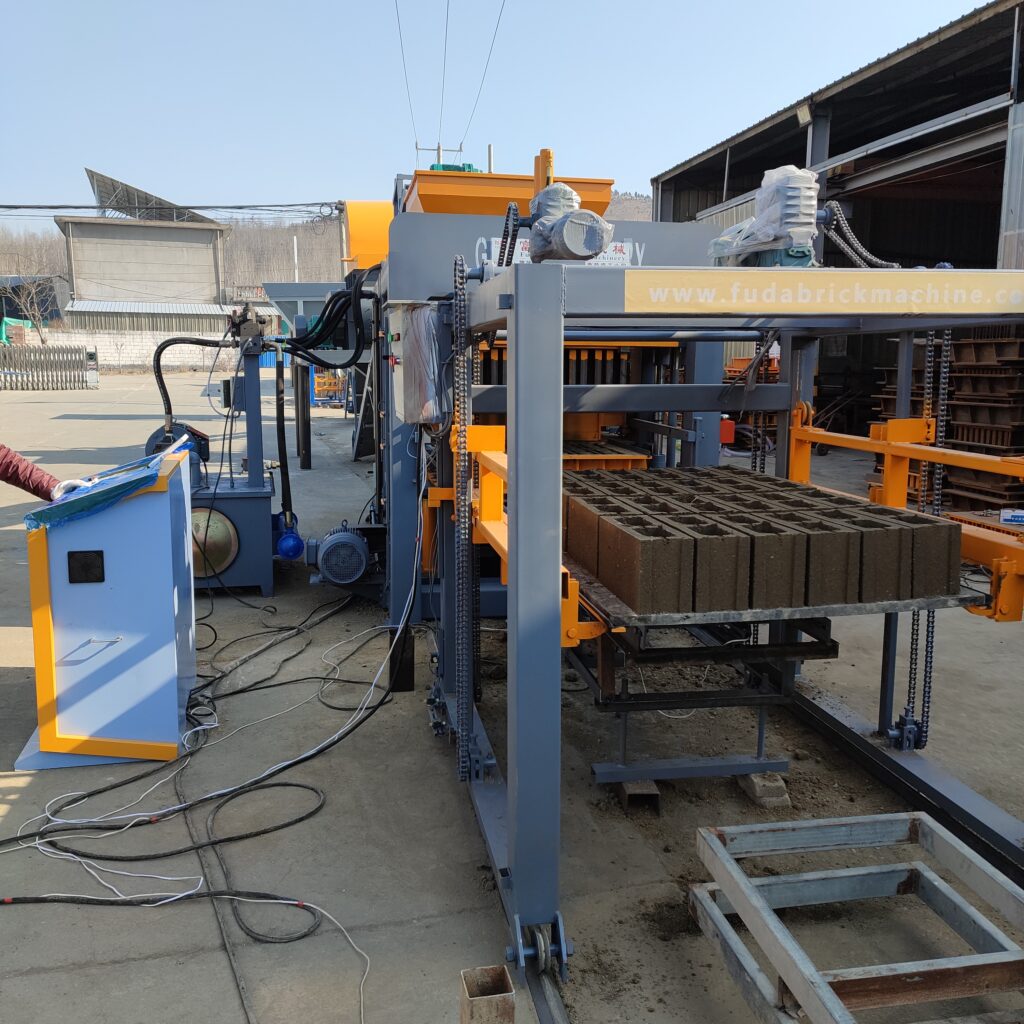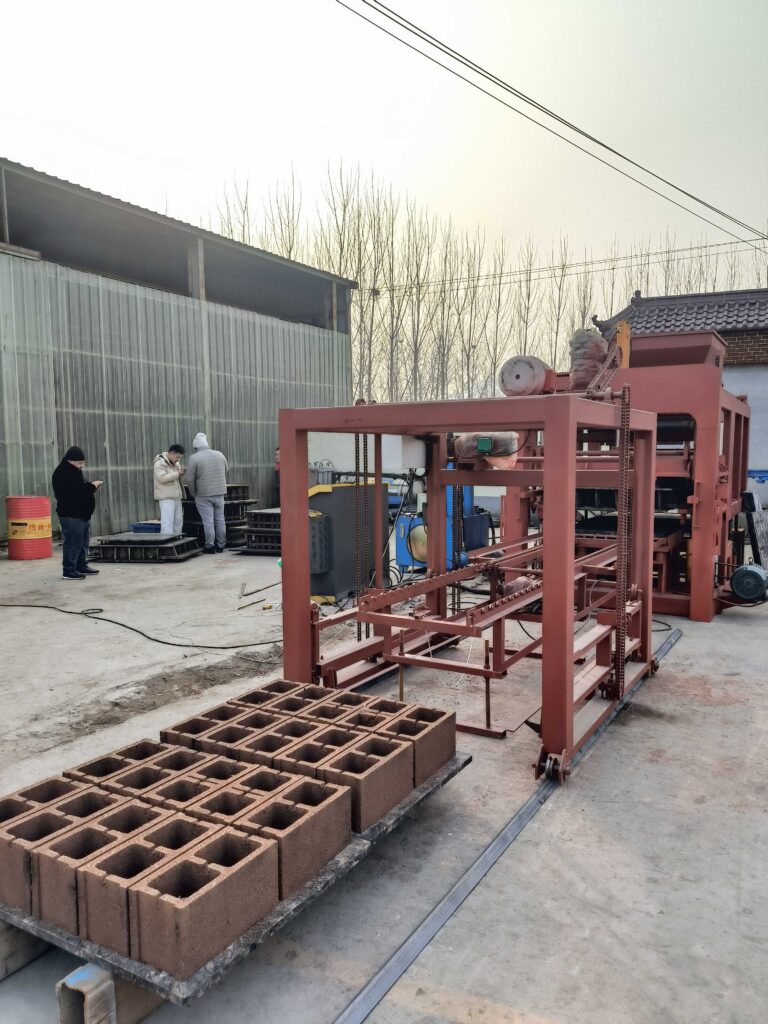
The Future of Manufacturing: A Deep Dive into Energy Efficiency in Brick Production Machinery
The Imperative for Change: Drivers of Energy Efficiency
Regulatory and Environmental Pressures
Globally, governments and international bodies are implementing stricter regulations on industrial carbon emissions and energy consumption. Carbon taxation, emissions trading schemes, and stringent efficiency benchmarks are becoming commonplace. For brick manufacturers, production machinery is a primary source of energy use, often involving substantial electricity for hydraulic systems, motors, and controls, and thermal energy for curing processes. Compliance is no longer optional, and forward-thinking equipment manufacturers are engineering solutions that help producers not only meet but exceed these standards. This regulatory environment creates a direct trickle-down effect, making energy-efficient machinery a top priority for manufacturers seeking to avoid penalties and maintain their operating licenses.
Economic Considerations and Total Cost of Ownership
While environmental regulations provide a push, the fundamental pull comes from economics. Energy constitutes a major portion of the operational expenditure in brick production. As energy prices volatility increases, the financial incentive to reduce consumption becomes overwhelming. For distributors and procurement teams, the sales narrative is shifting from initial purchase price to Summa Possessionis Impendii (SPI). Energy-efficient machinery, though sometimes requiring a higher initial investment, offers dramatically lower running costs over its operational lifespan. This presents a compelling value proposition to end-users (brick plants) and a powerful sales tool for dealers. Demonstrating clear ROI through energy savings can accelerate purchase decisions and build long-term client loyalty.
Evolving Market Demand for Sustainable Materials
The construction industry’s end clients—architects, developers, and homeowners—are increasingly prioritizing sustainability. Building certifications and green building codes now often consider the embodied carbon of materials, which includes the energy used in their manufacture. Consequently, brick plants are seeking ways to produce “greener” bricks to access these lucrative markets. Utilizing machinery that minimizes energy consumption directly lowers the carbon footprint of each brick, enhancing its marketability. Therefore, supplying equipment that enables this sustainable production is directly aligned with a growing and premium market segment.
Technological Pathways to Enhanced Efficiency
Innovations in Mechanical and Hydraulic Systems
The core of traditional brick presses has long been robust but energy-intensive hydraulic systems. The next generation of machinery is seeing revolutionary changes here.
- Variable Frequency Drives (VFDs) and Servo Technology: The integration of VFDs on motors allows the equipment to match power output precisely to the instantaneous demand of the production cycle, eliminating the wasteful constant running of pumps and motors. More advanced still is the adoption of servo-electric drive systems. These systems replace hydraulic oil and pumps with precisely controlled electric servos for actions like compaction and ejection. They consume energy only during the movement phase, eliminate hydraulic heat loss, and offer superior control, leading to energy savings often cited in the range of 30-60% compared to conventional hydraulic systems.
- Optimized Hydraulic Circuit Design: For systems retaining hydraulics, innovations like load-sensing hydraulics, more efficient pump designs, and improved heat exchange and filtration systems reduce parasitic losses and improve overall system efficiency.
Advanced Control Systems and Smart Automation
Energy efficiency is no longer solely about hardware; it is increasingly driven by software and data.
- Intelligent Process Control: Modern programmable logic controllers (PLCs) and human-machine interfaces (HMIs) are equipped with algorithms that optimize the entire production cycle for minimal energy use. This includes intelligent sequencing of movements, optimized pressure curves, and automated standby modes during pauses.
- Predictive Maintenance and IoT Integration: The Internet of Things (IoT) enables real-time monitoring of energy consumption, motor loads, and system health. Predictive analytics can forecast maintenance needs, preventing small issues like worn seals or misalignments from causing gradual increases in energy draw. For dealers, this connectivity can also open new service revenue streams through remote monitoring and support contracts.
Thermal Efficiency in Curing and Drying Processes
For fired clay bricks or blocks requiring curing, the kiln or curing chamber is the most energy-intensive component. Advances here are profound.
- Improved Insulation Materials: The use of advanced ceramic fibers and refractory materials minimizes heat loss from kiln walls.
- Heat Recovery Systems: Sophisticated systems now capture waste heat from exhaust gases and reuse it to pre-heat combustion air or dry raw materials, dramatically improving overall thermal efficiency.
- Alternative Curing Methods: The adoption of autoclaved curing (using steam and pressure) for certain block types, and research into low-temperature or chemical curing processes, present pathways to reduce thermal energy demand significantly.
Material Science and Reduced Waste
Efficiency extends beyond direct energy use to the optimization of the raw material itself.
- High-Precision Forming: Modern machines produce bricks with exceptionally tight dimensional tolerances and consistent density. This uniformity leads to more efficient stacking in kilns, better heat transfer during curing, and fewer breakages—reducing the energy wasted on producing defective units.
- Adaptability to Alternative Raw Materials: Next-generation machines are being designed to handle higher percentages of recycled materials (like construction waste or fly ash) efficiently. Using these materials often requires less processing energy than virgin clay or cement, further lowering the embodied energy of the final product.
Strategic Implications for Distributors and Procurement Professionals
Portfolio Curation and Future-Proofing
For dealers and distributors, the energy efficiency trend demands a strategic review of supplied product lines. Partnering with equipment manufacturers who have a clear, R&D-driven roadmap for efficiency is crucial. The portfolio should increasingly feature machinery with demonstrable energy-saving credentials, certified by relevant performance standards. Offering a range from upgraded conventional systems to fully servo-electric solutions allows you to cater to different client budgets and transition stages.
Transforming the Sales and Value Proposition
The sales approach must evolve from discussing specifications in isolation to consulting on TCO and sustainability benefits. Sales teams need to be trained to conduct simple energy-audit comparisons between old and new technology, showcasing the payback period. Marketing materials should highlight energy performance data, certifications, and case studies of utility cost savings. Positioning your company as a provider of “future-ready, cost-saving solutions” rather than just “machines” builds a stronger brand.
After-Sales Service and New Revenue Models
Energy-efficient machinery often incorporates more sophisticated electronics and software. This raises the importance—and potential—of after-sales service. Offering maintenance contracts that include performance optimization, software updates, and connectivity services ensures the machinery operates at peak efficiency throughout its life. This creates a recurring revenue stream and deepens client relationships.
Conclusion
The trajectory towards greater energy efficiency in brick production machinery is not a speculative trend but an established industrial reality. Driven by an inescapable trifecta of regulation, economics, and market demand, technological innovation is delivering tangible solutions that redefine performance benchmarks. From revolutionary servo-electric drives and intelligent control systems to heat-recovery kilns and precision forming, every aspect of the production line is being optimized for lower energy consumption. For distributors, dealers, and procurement specialists, this shift represents a significant opportunity. By aligning their portfolios with this efficient future, transforming their sales narratives to emphasize TCO and sustainability, and developing advanced service models, they can position themselves as indispensable partners to their clients. The choice is clear: embrace and lead in the era of efficient manufacturing, or risk being left behind with outdated technology. The efficient future of brick production is being built today, and it promises to be more profitable, sustainable, and resilient for all stakeholders in the supply chain.
FAQ
Q1: Won’t the higher upfront cost of energy-efficient machinery deter our price-sensitive customers?
A: This is a common concern. The key is to shift the conversation from purchase price to Summa Possessionis Impendii (SPI). Provide detailed calculations showing how the significant reduction in monthly energy bills leads to a payback period often between 1-3 years. After that period, the savings go directly to the customer’s bottom line, making it a sound financial investment, not just an environmental one.
Q2: Are these new, efficient technologies (like servo-electrics) reliable and durable for harsh industrial environments?
A: Modern servo systems are engineered for industrial durability. They often have fewer wearing parts than complex hydraulic systems (no pumps, valves, or hydraulic oil prone to leaks and contamination). Their reliability is generally high, and because they generate less heat, component stress is reduced. Leading manufacturers design these systems with robust protection ratings for dust and temperature.
Q3: How can we, as distributors, verify the energy-saving claims made by equipment manufacturers?
A: Request certified test data from independent laboratories, not just internal marketing figures. Ask for detailed case studies with real-world energy consumption metrics from existing installations. Furthermore, encourage manufacturers to provide simulation or calculation tools that allow you to input local energy costs and production parameters to generate customer-specific savings estimates.
Q4: Does energy-efficient machinery require more specialized technician training for servicing?
A: Yes, there is a transition. While traditional mechanical and hydraulic knowledge remains valuable, technicians will need additional training in electromechanical systems, servo drive troubleshooting, and basic software/network diagnostics for control systems. Investing in this training is essential and offers a competitive advantage, allowing you to provide superior support.
Q5: Is the push for efficiency only relevant for large-scale manufacturers, or is it applicable for smaller plants as well?
A: It is relevant across scales. While the absolute savings are larger for big plants, the relative cost of energy can be a heavier burden for smaller operations. Many innovations, such as VFDs on standard machines or improved insulation for smaller kilns, are scalable and offer a quick ROI. The market demand for sustainable materials also affects suppliers of all sizes, making efficiency a universal selling point.