
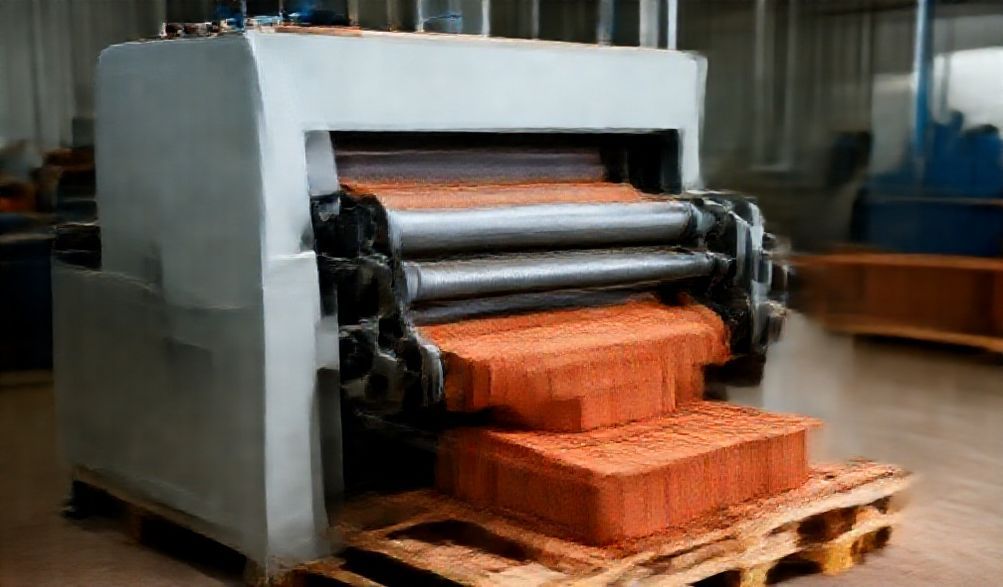
Machina Laterum Fictilium Faciendorum Pretium: Ductor Emptoris et Solutio Pretii MMXXVI
Si hoc legis, in discrimine versaris verisimiliter. Es possessor parvi negotii, administrator societatis aedificatoriae, vel coeptor cum visione utendi perenni postulationi materiae aedificandae. Scis lateres fictiles fundamentum esse, eosque producere lucrosum inceptum posse. Sed prima et maxime formidolosa quaestio est:Quid machina lateris fictilis faciendae efficit?re verapretium?
Quaestio callida est, sed responsum raro simplex numerus est. Pretium in rete visum mera summa est. Machina quae vilis videtur vorago pecuniae fieri potest, cum maior impendium initiale annos efficacis et fructuosi operis sternere possit.
Hic ductor te a pretio cogitante ad valorem impellentem ducere paratus est. Non solum numeros enumerabimus, sed ea quae eos impellunt dissecabimus, a pressis manualibus humilibus usque ad plantas industriales plene automatizatas. Quod autem maius est, velum de his rebus detrahemus.summa possessionisocculta impensa quae felicem collocationem a dispendioso errore secernunt. in fine, rationem habebis ad certam et doctam sententiam pro negotio tuo anno MMXXVI et ultra capiendam.
Quid Pretium Machinae Lateris Faciendi Impellat Intellectum
Priusquam ullos pretii fines inspiciamus, maximi momenti est intellegere claves variabiles quae in ludo sunt. Hae veluti rotulae in tabula moderatrice cogitentur; quarum quaevis mutata directe ad summam impensam afficiet.
Productio Capacitas (Cubi Per Hora)
Hic est directissimus sumptus impulsor. Productio facultas metitur in lateribus vel caementis per horam (BPH), et cum pretio crescit.
* Parva (500 – 2,000 BPH):Admodum apta ad incepta, opera communia, vel adiuvanda opera structurae praesentia. Minor effectus pretium machinae inferiorem significat.
* Mediae Magnitudinis (2,000 – 10,000 BPH):Locus opportunus pro parvis mediisque negotiis gravibus quae structoribus et redemptoribus localibus suppeditare intendunt.
* Industrialis-Scala (10,000+ BPH):Magnis commercii institutis quae mercatus regionales suppeditant. Hic gradus integras lineas productionis, non unam tantum machinam, comprehendit.
Gradus Automationis: Manualis, Semiautomaticus, Plene Automaticus
Automation est primus factor qui amplum pretii spectrum in hac industria creat.
* Machina Manualia:Totum humanis viribus administratur (prela vectium, manu formantia). Infimum habent sumptum capitalis, sed summum continuatum sumptum laboris et infimam constantiam.
* Semiautomaticae Machinae:Haec nucleum compressionis eiciendique processum automatizant, saepe cum systemate electrico vel hydraulico. Operator adhuc necessarius est ad materiam rudem alendam et lateres perfectos removendos. Optimum aequilibrium efficientiae et parabilitatis crescendis negotiis praebent.
* Lineae Omnino Automatae These are integrated systems. They automatically handle material feeding, mixing, molding, curing, and stacking via conveyors and programmable logic controllers (PLCs). Labor is primarily for supervision and maintenance. The investment is significant, but the per-unit cost and labor requirement plummet at high volumes.
Machine Type & Brick Output
Not all bricks are created equal, and neither are the machines that make them.
* Solid Clay Bricks: The standard. Machines for these are typically the baseline.
* Hollow Blocks or Interlocking Bricks: These require more complex mold designs and often higher compression forces to ensure structural integrity despite the voids, increasing cost.
* Pavers and Specialty Shapes: Creating textured pavers or custom architectural shapes involves precision-engineered, hardened steel molds, which are a significant added expense.
* Machinae Laterum Cineris Volatici: While similar, these are often designed for a different material mix (ceititious vs. fired clay), which can influence the press mechanism and design.
Claviculae Praecipuae & Structurae Qualitas
This is where “cheap” and “cost-effective” violently part ways. The quality of core components dictates longevity, maintenance frequency, and product consistency.
* Compages & Structura: Heavy-duty, reinforced steel frames resist the immense forces of compression, preventing misalignment and wear.
* Systema Hydraulicorum: The heart of an automatic machine. High-quality pumps, valves, and cylinders from reputable brands (e.g., Bosch Rexroth, Parker) are far more reliable and precise than generic systems.
* Materia Formae Molds made from hardened, high-chrome steel can produce millions of bricks before needing replacement. Softer steel molds wear quickly, leading to defective bricks and frequent, costly downtime for replacement.
* Systema Moderandi: A basic relay system is cheaper but prone to failure. A modern PLC offers precision, diagnostics, and smoother operation, protecting your investment.
2026 Price Ranges for Clay Brick Making Machines
Disclaimer: The following price brackets are estimates for 2026 based on current market trends and inflation projections. Final costs vary dramatically by manufacturer, region, shipping, and specific configuration. Always request a formal, itemized quotation.
Manual & Small-Scale Machines ($1,000 – $15,000)
This range covers the most basic entry into brick production.
* What You Get: Hand-operated lever presses, small single-phase electric vibrator presses, or very basic hydraulic machines with minimal output.
* Typicum Exitus: 200 – 1,500 bricks per hour.
* Pros:
* Extremely low initial investment.
* Simple to understand and operate.
* Parva potestatis consumptio.
* Incommodis:
* Very high labor intensity.
* Inconsistent brick quality.
* Not suitable for commercial-scale profitability.
* High physical strain on operators.
Semi-Automatic Machines ($15,000 – $50,000)
This is the most competitive and popular segment for new businesses and SMEs looking to scale.
* What You Get: A machine that automates the pressing cycle. Features often include an automatic feeder, a hydraulic compression system, and a mold that ejects the brick. The operator typically sets the pallet and initiates the cycle.
* Typicum Exitus: 1,500 – 5,000 bricks per hour.
* Pros:
* Excellent balance of cost and productivity.
* Good consistency in brick dimensions and density.
* Significantly reduced labor per brick compared to manual machines.
* Wide variety of models and capacities within this range.
Fully Automatic Production Lines ($50,000 – $300,000+)
This is a capital investment for established businesses targeting high-volume markets.
* What You Get: A complete, synchronized system. This includes automated material conveyors, a programmable mixer, the main brick press, automatic pallet feeders, brick stackers, and a central PLC control panel. It’s a plant, not just a machine.
* Typicum Exitus: 5,000 – 20,000+ bricks per hour.
* Pros:
* Maximum output with minimal manual labor.
* Exceptional product consistency and quality control.
* Optimized material usage and lower waste.
* The only viable model for large-scale, competitive supply.
* Incommodis:
* Very high initial capital requirement.
* Requires significant space and infrastructure.
* Needs skilled technicians for maintenance and troubleshooting.
Beyond the Sticker Price: Calculating Total Investment
The machine’s price is just your entry ticket. The real cost of being in the brick-making business includes all the following.
Ancillary Equipment Costs
Your brick making machine is useless on its own. Budget for these essential supporting pieces:
* Clay Crusher & Grinder: To break down raw clay into a fine, consistent powder.
* Mixer (Pan or Double-Shaft): To homogeneously mix clay with water (and any additives).
* Tapes transportatoriae: To move material between stages, especially in semi- and fully-automatic setups.
* Brick Drying Racks or Chambers: For the critical drying phase before firing. Natural drying requires space and time; artificial drying chambers require significant capital and energy.
* Forklift or Pallet Jack: For handling raw materials and stacks of finished bricks.
Installation, Commissioning, and Training
This is a critical, non-negotiable cost for anything beyond a manual machine.
* Professional Installation: Ensuring the machine is perfectly level, anchored, and connected to power/hydraulics is vital for its lifespan.
* Commissioning: A factory technician should test-run the machine with your local materials, calibrate it, and ensure it meets performance specs.
* Operator & Maintenance Training: Proper training prevents costly mistakes, accidents, and premature wear. Factor in the cost of the trainer’s travel and time.
Operating Costs: Power, Labor, and Maintenance
Your ongoing monthly expenses will make or break your profit margins.
* Potestatis Consumptio: A fully automatic hydraulic line consumes substantial electricity. Calculate your local industrial power rates against the machine’s kW rating.
* Labor: Even automatic lines need supervisors, maintenance staff, and material handlers. Manual machines have very high labor costs per brick.
* Custodia Praeventiva: Budget 2-5% of the machine’s initial cost annually for routine maintenance (oil changes, filter replacements, bolt tightening).
* Spare Parts Fund: Hydraulic seals, hose lines, and mold wear parts will need replacement. Having a fund for this prevents catastrophic downtime.
Raw Material (Clay) Preparation Costs
The cost of the clay itself is only part of the story.
* Probatio: You must test your clay source for plasticity, shrinkage, and mineral content. Poor clay can jam machines and produce bricks that crack.
* Additamenta: You may need to mix in sand, fly ash, or other materials to achieve the right properties, adding to material cost.
* Excavation & Transportation: If you own the land, factor in the cost of digging and moving the clay to your plant.
How to Get the Best Value for Your Investment
With so many variables, how do you ensure you’re making a smart choice? Focus on value, not just price.
Define Your Business Needs First
Answer these questions before you talk to a single supplier:
* What is my target daily/weekly production volume in Year 1? Year 3?
* What type of bricks are in highest demand in my local market?
* What is my realistic budget for the total setup (machine + ancillary equipment + installation)?
* What is the cost and availability of skilled labor in my area?
Key Questions to Ask Manufacturers & Suppliers
Arm yourself with this checklist during negotiations:
1. “Can you provide contact information for 2-3 clients in my region who use this model?”
2. “What is the warranty period for the hydraulic system, frame, and molds?”
3. “Do you have a local service technician or partner? What is the typical response time?”
4. “Can you supply a complete list of recommended spare parts with pricing?”
5. “Will you provide foundation drawings and electrical specifications in advance?”
The Importance of After-Sales Service & Parts Availability
A machine is a long-term partner. A reputable supplier with a strong service network is worth a premium. The cheapest machine from an unknown supplier with no local support can lead to months of downtime waiting for a single, overpriced spare part to ship from overseas.
New vs. Used Machines: A Risk/Reward Analysis
The used market can be tempting, but caution is paramount.
* Pros: Lower upfront cost; potentially faster availability.
* Incommodis:
* Unknown History: It may have been abused or poorly maintained.
* Zero or Expired Warranty: All repairs are out-of-pocket.
* Obsolete Technology: Finding replacement parts for old models can be impossible.
* No Training or Support: You’re on your own.
Recommendation: Only consider used equipment if you have a highly skilled mechanic on staff, can thoroughly inspect it under power, and have verified a reliable source for parts.
Interrogationes Saepius Petitae (ISP)
Q: What is the cheapest clay brick making machine available?
A: Manual, hand-operated presses can start as low as $1,000. However, they are suitable only for very small, non-commercial projects like a personal homestead due to their high labor requirement and extremely low output.
Q: Can I get a good semi-automatic machine under $20,000?
A: Yes, it is possible. Several manufacturers offer entry-level semi-automatic models in the $15,000-$20,000 range, typically with capacities on the lower end (800-1500 bricks/hour). Be sure to scrutinize the build quality and component brands at this price point.
Q: How much profit can I make from a brick making machine?
A: Profitability is not guaranteed by the machine alone. It depends on your local brick selling price, your production volume, and most critically, your control over the total operational costs outlined in this article. A detailed business plan is essential.
Q: Are there financing options available for these machines?
A: Yes. Many established manufacturers and their regional dealers offer financing or leasing plans. Additionally, equipment loans from local banks or development agencies focused on small businesses are a common route for financing.
Q: How long does a typical brick making machine last?
A: With proper maintenance and operation, a well-built machine from a reputable manufacturer can have a productive lifespan of 10 to 20 years. Wear parts like molds, hydraulic seals, and hoses will need periodic replacement throughout that life.
Conclusio.
The journey to understanding clay brick making machine cost is a journey from looking at a price tag to evaluating a business partnership. The true cost is a composite of the purchase price, the essential ancillary equipment, and the ongoing operational expenses.
Making the right choice hinges on one thing: aligning the machine’s capabilities with your specific business needs and growth projections. The most expensive machine isn’t the best—the most appropriate one is. Remember, the value of reliable after-sales support and accessible spare parts often outweighs the short-term savings of the lowest bid.
Use this guide as your framework. Define your needs, ask the hard questions, and always calculate the total investment. Then, move forward and request those detailed quotations. Your successful brick-making venture starts with an informed, value-driven decision.
<