
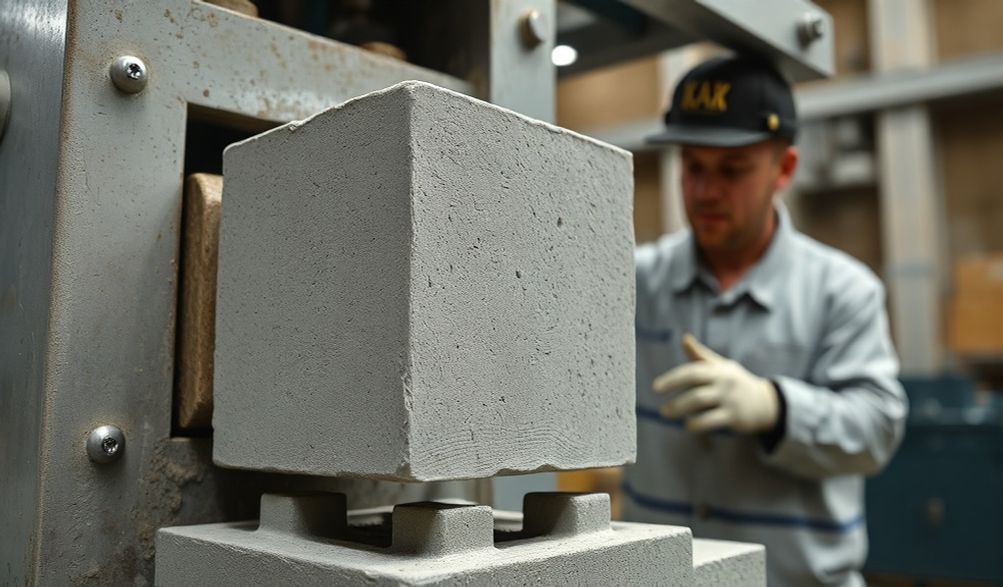
Comprehensive Guide to Operating a Cement Block Making Machine: A Step-by-Step Manual
Introductio
Cement block making machines are the unsung heroes of the construction world. From a homeowner’s backyard patio to a city’s high-rise buildings, these machines form the literal building blocks of our infrastructure. However, owning a machine is only half the battle. Operating it correctly is where the real challenge—and opportunity—lies.
Proper operation is the critical link between a capital investment and a profitable, productive asset. It directly impacts three core pillars: operator safety, block quality, and machine longevity. A minor oversight in the process can lead to product failure, costly repairs, or, worse, a workplace injury.
This guide is not a generic overview. It is a definitive manual, synthesized from years of hands-on industry experience and technical knowledge. We provide authoritative, step-by-step instructions to transform you from a novice into a confident operator. Whether you’re running a manual machine for a small project or managing a semi-automatic line for your business, this resource will help you produce consistent, high-strength blocks while maximizing the lifespan of your equipment.
Understanding Your Cement Block Making Machine
Jumping straight into production without knowing your machine is like driving a car blindfolded. A foundational understanding of its components and type is crucial for safe, efficient, and effective operation. This knowledge empowers you to troubleshoot issues, perform correct maintenance, and ultimately, get the best performance from your investment.
Claviculae Praecipuae et Munera Earum
Every block machine, from the simplest manual model to a fully automatic plant, is built around a core set of components. Here’s what each part does:
- Saltator: This is the loading bay for your raw concrete mix. Its angled design ensures a consistent, gravity-fed flow of material into the mold cavity. Keeping it clean is essential to prevent mix blockages.
- Mola vel Mola Arca: The heart of the operation. This precision steel box defines the shape, size, and texture of your final block. Interchangeable molds allow one machine to produce different block types—solid, hollow, paving, or interlocking.
- Systema Vibratorium: Typically powered by electric motors with eccentric weights, this system generates high-frequency vibrations. These vibrations are crucial for Comprimendo the concrete, forcing out entrapped air bubbles and ensuring a dense, structurally sound block.
- Pressus Hydraulicus vel Mechanicus: Working in tandem with vibration, the press applies downward pressure. This action further compacts the mix, defines sharp edges and smooth surfaces on the block, and ejects the finished product from the mold.
- Tabula Moderatoria: The machine’s nerve center. It houses starters, switches, and timers (or a PLC in advanced models) to control the vibration motors, hydraulic pump, and automated sequences for pallet feeding and block ejection.
- Palearum Alimentator et Systema Vehendi: Common in semi- and fully-automatic machines. This system automatically feeds the wooden or steel pallets (boards) that carry the fresh blocks. A conveyor then gently transports the loaded pallet to the curing area, streamlining the workflow.
Types of Machines: Manual, Semi-Automatic, and Automatic
Eligendi rectam machinae speciem totum pendet ex propositis productionis, sumptu, et laboris copia.
- Machinae Manuales ad Lateres Faciendos: These are entirely operator-powered. You manually fill the mold, engage a lever to compact the mix, and then release and remove the block. They are ideal for very low-volume production (e.g., on-site for a single project), remote locations with no power, or for those with a very limited budget. Output is low and physically demanding.
- Semiautomaticae Machinae: This category offers the best balance of cost and capability for most small to medium-sized businesses. The operator manually feeds the mix into the hopper, but the machine automates the critical processes: vibration, pressing, and often pallet movement. This significantly increases output (500-3,000 blocks per day) and improves consistency while keeping the initial investment manageable.
- Machinamenta Plena Automata: These are integrated production lines. They feature automated batching, mixing, molding, curing, and stacking systems, all controlled by a central computer. Designed for high-volume commercial plants (3,000+ blocks per day), they maximize output and minimize labor but require a substantial capital investment and technical expertise to maintain.
Pre-Operation Checklist and Safety Protocols
Safety is not the first step; it is the foundation of every step. A disciplined pre-operation routine prevents accidents, ensures product quality, and protects your machine from premature wear. Never skip this stage.
Essential Safety Gear and Workspace Setup
Personal Protective Equipment (PPE) is mandatory, not optional:
* Safety Glasses: Protect eyes from flying concrete chips or dust.
* Steel-Toe Boots: Shield feet from heavy falling blocks or pallets.
* Heavy-Duty Gloves: Improve grip and protect hands from abrasion and vibration.
* Hearing Protection: The constant hum and vibration of the machine can cause long-term hearing damage. Use earplugs or muffs.
Your workspace must be set up for efficiency and safety:
* Fundamentum: The machine must be placed on a perfectly level, solid concrete slab. An uneven base causes uneven vibration, leading to poor block quality and machine stress.
* Space Planning: Ensure ample room around the machine for material storage (aggregates, sand, cement), a dedicated curing area, and safe movement for operators. Avoid cluttered walkways.
* Environment: Good ventilation is needed to disperse concrete dust. Excellent lighting is crucial for inspecting blocks and identifying machine issues.
Machine Inspection and Preparation
Conduct this checklist before starting the engine every single day:
- Visual & Physical Inspection: Walk around the machine. Look for hydraulic fluid leaks, frayed or damaged electrical cables, and any loose bolts or fasteners—especially on the mold, vibration table, and motor mounts.
- Unctio. Consult your manufacturer’s manual for the specific lubrication points and schedule. Common points needing grease include the bearings on vibration motors, guide rails for the press, and pivot points on levers.
- Cleaning: This is critical. Any hardened concrete left in the hopper or mold will contaminate your new mix and mar the surface of your new blocks. Use a wire brush and scraper to ensure all contact surfaces are clean.
- Pallet Check: Ensure you have a stack of clean, flat, and undamaged pallets ready. Warped pallets will produce warped blocks.
Step-by-Step Operating Instructions
Now, let’s walk through the complete block production cycle. Follow these steps in sequence for optimal results.
Preparing the Concrete Mix
The quality of your block is determined here, at the mixing stage. A consistent, well-proportioned mix is non-negotiable.
- Optimal Mix Design: A reliable standard mix for general-purpose blocks is a 1:3:3 ratio—one part Portland cement, three parts clean, sharp sand, and three parts aggregate (typically 3/8″ or 10mm gravel).
- The Water-Cement Ratio: This is the most critical variable. Too much water weakens the block; too little makes it crumbly. Aim for a “balling” consistency. When you squeeze a handful of mix, it should hold its shape without water dripping out. This is a low-slump, stiff mix perfect for block making.
- Mixing Procedure: For consistency, use a mechanical pan or drum mixer.
- Add about 80% of your calculated water.
- Add the aggregates and sand, allowing them to mix briefly.
- Add the cement, ensuring it’s evenly distributed.
- Add the remaining water gradually until the desired stiff, plastic consistency is achieved.
- Mix for a minimum of 5-7 minutes until the batch is completely uniform in color and texture.
Loading and Molding Process
- Position the Pallet: Place a clean, dry pallet precisely on the machine’s feeding bed or conveyor chain.
- Load the Hopper: Fill the hopper with your freshly mixed concrete. Keep it adequately stocked during the cycle to ensure each block is fully formed.
- Initiate the Molding Cycle:
- On a manual machine, you will pull a lever to open the hopper gate, filling the mold, then engage the vibration/compaction lever.
- On a semi-automatic or automatic machine, simply press the “Cycle Start” button. The machine will automatically fill the mold, engage the vibrators, and lower the press.
- Vibration and Compaction: The machine will vibrate intensely for a set duration (usually 10-20 seconds). This is when compaction happens. Ensure the time is sufficient to eliminate all air pockets—you should see a smooth paste (laitance) rise slightly around the edges of the mold.
Curing and Block Removal Best Practices
Curing is not just drying; it’s a controlled chemical process essential for strength. Rushing this stage ruins good blocks.
- Immediate Handling: After ejection, the block on its pallet is extremely fragile. Move the entire pallet gently to a flat, level, and shaded curing area using a pallet jack or forklift. Do not bump or jostle it.
- Moisture Management (The First 7 Days): For the cement to fully hydrate and gain strength, it must stay moist.
- Cover the stacks of blocks with plastic sheeting or damp burlap sacks.
- Sprinkle them with water 2-3 times a day for 5-7 days. This prevents surface cracks from rapid moisture loss.
- Demolding & Final Curing: After 24-48 hours, the blocks have gained enough “green strength” to be carefully removed from the pallets. They can then be stacked with small gaps between them for air curing. A block reaches its design compressive strength after 28 days. Avoid using blocks for load-bearing construction before this period.
Routine Maintenance and Troubleshooting
A well-maintained machine is a reliable and profitable machine. Adopt a proactive maintenance mindset.
Daily, Weekly, and Monthly Maintenance Schedule
- Daily (After each shift):
- Clean the hopper, mold, and press head thoroughly with water and a brush.
- Check hydraulic oil levels and look for leaks.
- Visually inspect the mold and pallets for damage.
- Weekly:
- Go around the entire machine with a wrench and tighten all bolts and fasteners (vibration loosens them).
- Grease all moving parts as specified in your manual.
- Inspect vibration motors for unusual heat or noise.
- Monthly:
- Inspect hydraulic hoses for cracks, bulges, or wear.
- Check and clean hydraulic oil filters.
- Perform a detailed inspection of all electrical connections for tightness and corrosion.
Common Problems and Solutions
- Problem: Blocks are breaking easily or have crumbled edges.
- Likely Cause & Solution: Insufficient compaction or a mix that is too dry. Increase vibration timeetslightly increase the water content of your mix, ensuring you maintain the “balling” consistency.
- Problem: Blocks are sticking to the mold surfaces.
- Likely Cause & Solution: Dirty mold or lack of a release agent. Clean the mold meticulously and apply a thin, even coat of a recommended mold release oil or agent before starting production. Also, check for burrs or dents in the mold cavity.
- Problem: The machine is shaking violently or making loud grinding/knocking noises.
- Likely Cause & Solution: STOP THE MACHINE IMMEDIATELY. This often indicates a loose vibration motor mount, a loose bolt on the vibration table, or a failed bearing in the vibration motor. Continuing operation can cause catastrophic damage. Secure all fasteners or call a technician.
Optimizing Block Quality and Production Efficiency
Mastering the basics gets you producing blocks. Implementing these advanced tips will make your operation professional and profitable.
Tips for Consistent, High-Strength Blocks
- Qualitas Materiae Use clean, hard, and well-graded aggregates. Dirty or muddy sand introduces impurities that weaken the final product.
- Weigh, Don’t Guess: For batch consistency, measure your raw materials by weight, not volume. Moisture content in sand can drastically change volume measurements.
- Test Slump Regularly: Get in the habit of doing a simple slump test with each new batch to ensure the water-cement ratio is consistent.
- Respect the Cure: Never shortcut the 28-day curing period for load-bearing blocks. Their strength development is a chemical process that takes time.
Reducing Waste and Maximizing Output
- Production Planning: Calculate the exact number of blocks needed for a production run and mix only the concrete required, plus a small margin for error, to minimize leftover waste.
- Custodia Praeventiva: Adhering to the maintenance schedule prevents unexpected breakdowns that halt production—the most significant source of lost output.
- Cross-Training: Ensure at least two operators are fully trained on the machine. This allows for smooth shift changes, covers for absences, and enables continuous operation.
FAQ: Cement Block Machine Operation
Q: What is the minimum curing time before I can use the blocks in a wall?
A: While blocks can be handled after 24-48 hours, they should cure for a minimum of 7 days before use in non-critical, non-load-bearing applications. For foundations, load-bearing walls, or any structural element, a full 28-day cure is mandatory to achieve the published compressive strength.
Q: Can I use recycled materials or alternative aggregates in the mix?
A: Yes, but with caution and testing. Crushed recycled concrete can replace some virgin aggregate. Industrial by-products like fly ash can replace a portion of the cement (often improving long-term strength). However, these materials can alter workability, set time, and final strength. Always conduct small batch tests and never compromise the mix design for structural blocks without engineering advice.
Q: How do I choose between a manual, semi-automatic, or automatic machine?
A: The decision hinges on your target output and budget:
* Manuale: Choose this for under 500 blocks per day, very low budget, or sites with no reliable electricity.
* Semi-Automaticus: The sweet spot for 500 to 3,000 blocks per day. Ideal for small businesses, offering the best value by balancing output with a moderate investment.
* Omnino Automata: Necessary for high-volume production exceeding 3,000 blocks per day. Suited for large commercial plants with significant capital and a need for minimal labor.
Q: My blocks have surface cracks after curing. What went wrong?
A: This is almost always a curing issue, specifically “plastic shrinkage cracking.” It happens when the surface of the block dries out much faster than the core, usually due to exposure to sun, wind, or low humidity in the first few hours after molding. The solution is rigorous moisture management: cover blocks immediately with plastic and keep them damp for the first critical week.
Conclusio.
Operating a cement block making machine proficiently is a skill that blends technical knowledge with disciplined practice. It transforms the machine from a piece of hardware into a reliable partner in your construction or business venture. This guide has provided you with the complete framework—from foundational safety and machine knowledge to detailed operating procedures and optimization strategies.
Remember, consistency is key. Start by thoroughly understanding your specific machine model using its official manual alongside this guide. Never compromise on safety protocols or the sacred curing process. Adhere to your maintenance schedule with religious dedication. By embracing this disciplined, knowledgeable approach, you will ensure every block you produce is a testament to quality, your machine remains a productive asset for years, and your projects are built on the most solid of foundations.
<