
Ultima Ductor ad Machinas Latericias in Kenia Faciendas (MMXXVI)
Introductio
Kenyanorum caelum testimonium est constructionis incrementi quod nulla signa remissionis ostendit. Ab habitationibus parvis pretiis ad complexus mercatorios, postulatio materiae aedificandae, praesertim laterum, in summo est. Per decennia, columna huius copiae labor manualis fuit—arduus, tardus, et inconstantiae obnoxius. Traditionales laterum conficiendi modi vix cum cursu congruunt, angustias tam parvis inceptis quam magnis aedificatoribus creantes.
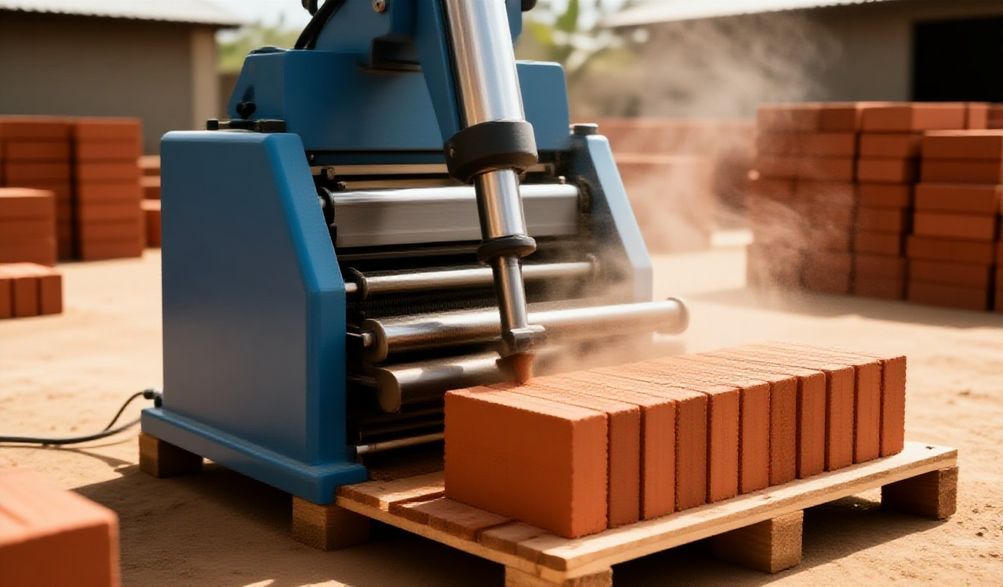
Difficultates fundamentales manifestae sunt: productio manualis laboris vehementer est onerosa, qualitatem inconstantem gignit quae soliditatem structurae compromittere potest, et exitum nimis exilem habet qui lucrum cohibet. Hic technologia intervenit quasi res omnia mutans. Machina laterum fictilium conficiendorum solutio certa exstitit, lutum in lateres aequabiles, magnae firmitatis, mira cum efficentia transformans. Callido homini negotiatori Kenyano vel negotio aedificationis, haec non est instrumentum tantum; est collocatio consilii in incremento, qualitate, et diuturno impendiorum regimine.
Hoc plenum ductorium ex industriae perspectionibus, technica analysi, ac penitiore intellectu singularum rationum mercatus Kenyensis aedificatur. Per strepitum transeuntes, viam manifestam tibi praebebimus. In fine, varias machinarum species in loco praesto, earum veros sumptus, quomodo fidos suppeditatores invenias, et factores capitales qui lucrum determinant intelleges. Propositum nostrum est te scientia instruere ut tutam ac certam collocationem facias, quae fundamentum negotii tui in annos futuros ponat.
Machinas Figlinae Laterum Intelligere
Antequam in exempla et pretia demergimur, necesse est comprehendere quomodo hae machinae operentur et cur tam insignem saltum a rationibus traditis repraesentent.
Quomodo Machinae Laterum Lutulorum Operantur?
In corde, machina lateraria processum simplicem et antiquum automata et perficit. Ecce resolutio simplicior:
- Miscens:Argilla cruda in machinam immittitur, saepe cum aquae mensura moderata ad plasticitatem perfectam assequendam.
- Fingere:Massa argillacea tum in cavitatem formae ferreae sub pressura magna impellitur. Hic est gradus criticus ubi figura et densitas determinantur.
- Coarctatio:Vi mechanica (saepe hydraulica vel vibratoria) argilla comprimitur ut cava aeris removeantur et densus, validus lateris massa creetur.
- Eiectio:Later cruda et recenter formata laterculus (qui "viridis laterculus" appellatur) e forma expellitur, ad siccandum et durandum parata.
Magia inest inpressura et constantiaDum opifex manu vim et plenitudinem cuiusque formae variare potest, machina eandem prorsus pressionem singulis vicibus adhibet. Hoc efficit lateres eiusdem magnitudinis, ponderis et—quod maximi momenti est—firmitatis structurae, unde aedificia tutiora ac certiora fiunt.
Praecipua Commoda Negotiis Kenianis
Machina lateraria empta plura commoda transformativa aperit:
- Productio Dramatice AuctaDiscrimen stupendum est. Cohors artificiosa manu fortasse quingentos ad mille lateres per diem efficit. Machina manualis fundamentalis hoc triplare potest. Systema semiautomaticum efficere potestDuo milia ad quinque milia laterum per octo horas operis.dum plenae automatariae lineae decem milia excedere possunt. haec capacitas te permittit maiora contracta suscipere et negotium tuum augere.
- Superior et Uniformis Lateris Qualitas:Lateres machinati constantes dimensiones habent et vim compressionis superiorem. Haec uniformitas structuram laterum facilitat, usum caementi minuit, parietesque firmiores et pulchriores efficit. Lateres optimi pretia meliora exigunt et fidem clientium fovent.
- Significans Longi Temporis Impendii Deminutio:Cum prima collocatio pecuniae notabilis est, diuturna compendia multa sunt. Tu dependentiam a magnis manibus operariorum minuis, sumptus laboris recurrentes secans. Praecisa formatio etiam lutum abicit. Tempore procedente, machina se ipsam per maiorem efficientiam et minores sumptus per unitatem productam reddit.
- Innata Negotiatio ScalabilitasOperatio machinae in se ipsa amplificabilis est. Exitus tuos certo praevidere potes, quod consilia pro inceptis facilius struere, copias administrare, et maioribus condicionibus fiducialiter contendere sinit. Incrementum consilii res fit, non tantum virium.
Genera machinarum laterum fictilium in Kenia praesto
Mercatus Kenianus machinas varias praebet ad omnem rationem sumptuum et mensuram negotiorum accommodatas. Harum categoriarum intellectus primum tibi est principale consilium capiendum.
Machinae Manuales Laterum Faciendorum
- Descriptio: These are human-powered machines, typically using a lever or screw mechanism to compress clay into a mold. Examples include the popular “M7MI” manual press.
- Idoneum Ad: Micro-enterprises, individual entrepreneurs, community projects, or as a very low-cost entry into the business.
- Pros:
- Lowest upfront cost (typically KES 30,000 – 150,000).
- Nulla electricitas aut cibus requiritur.
- Facile ad operandum et conservandum.
- Incommodis:
- Still labor-intensive; output is limited by operator stamina.
- Lowest production rate compared to mechanized options.
- Brick quality, while better than hand-molding, can vary with operator consistency.
Machinae Semi-Automaticae Lateres Faciendi
- Descriptio: These machines use an electric motor or diesel engine to power the mixing and compaction process. An operator feeds the clay and removes the finished bricks, but the core compression work is done by the machine. They often produce hollow blocks, interlocking bricks, and standard solid bricks.
- Idoneum Ad: Small to Medium Enterprises (SMEs) looking for a balance between investment and high output. This is the most popular category for serious startups.
- Pros:
- Excellent balance of cost and production capacity.
- Significantly reduces physical labour compared to manual machines.
- Offers good consistency and quality.
- Available in various outputs to match growing demand.
- Incommodis:
- Requires a power source (grid electricity or generator).
- Higher initial investment than manual machines (typically KES 300,000 – 1.5M+).
Machinae Laterum Plenarie Automatae
- Descriptio: These are industrial-grade production lines. They feature automated feeding, mixing, molding, and stacking systems, often with conveyor belts. Human intervention is primarily for monitoring and maintenance.
- Idoneum Ad: Large-scale commercial brick yards, companies supplying major construction projects, or investors targeting the high-volume market.
- Pros:
- Extremely high, consistent output (tens of thousands of bricks per day).
- Minimal labour requirements.
- Maximum product uniformity and quality control.
- Incommodis:
- Very high initial capital investment (KES 2.5M and far beyond).
- Significant space and stable, high-capacity power supply required.
- Complex maintenance needing specialized technicians.
Mobile vs. Stationary Laterculorum Machinae
This is a crucial consideration related to your raw material source.
- Machinae Stantes: Set up in a fixed yard. Clay must be transported to the machine. This is standard for most operations.
- Machinae Laterculorum Mobilium: Mounted on a trailer, these can be driven directly to the clay source or construction site. This eliminates the cost and logistics of transporting heavy, bulky clay, which can be a major expense. They are perfect for rural areas or large plots where the clay pit is distant from the intended yard.
Key Considerations Before Buying in Kenya
A successful purchase goes beyond just picking a type. You must factor in the realities of doing business in Kenya.
Aestimatio Opum et Magnitudinis Productionis Tuae
Interroga te ipsum his quaestionibus:
* What is my realistic target for bricks per day in Year 1? Year 3?
* Who are my target customers? Individual homeowners, local contractors, or large developers?
* What is my available startup capital, including setup costs?
* Do I have a business growth plan? Buying a machine at the upper limit of your current needs can be smarter than outgrowing a cheap one too fast.
Power Source & Availability
This is a critical, often overlooked, factor. Kenya’s grid power can be unreliable in some regions.
* Electrica Exempla: Cleaner and cheaper to run, but vulnerable to outages.
* Diesel Models: Higher fuel cost but offer complete independence from the grid. Essential for areas with frequent blackouts.
* Hybrida Exemplaria: Some machines offer dual power options. Practical Insight: Always factor in the cost of a high-quality diesel generator into your budget, even if you buy an electric model, as a necessary backup.
Machine Durability & After-Sales Support
The machine will operate in dusty, demanding conditions.
* Structurae Qualitas: Look for machines with robust steel frames, high-quality hydraulic systems, and hardened steel mold parts. Avoid flimsy, lightweight constructions.
* Local Support is Non-Negotiable: This cannot be overstated. Ensure your supplier has a physical workshop or office in Kenya, stocks common spare parts (like moulds, seals, and wear plates), and has technicians available for servicing and repairs. A cheap machine with no support becomes a very expensive paperweight.
Raw Material (Clay) Quality Analysis
Not all clay is equal. The quality of your raw material directly affects brick strength and the machine’s performance.
* Test Your Soil: Before buying any machine, have your clay tested. Simple tests can determine its composition (sand, silt, clay ratio) and suitability.
* Impact on Machine: Very sandy clay may require a machine with higher pressure. Clay with stones or debris will damage molds faster. Understanding your material helps you choose the right machine and configure it properly.
Cost Analysis & Investment Guide
Let’s demystify the financials with realistic Kenyan estimates. (Note: Prices are indicative ranges for 2026 and can fluctuate based on brand, capacity, and forex rates.)
Price Range of Machines in Kenya (2026)
- Machinae Manuales Laterum Fingendorum: KES 30,000 – KES 150,000
- Machinae Semi-Automaticae Lateres Faciendi: KES 300,000 – KES 1,800,000
- (A standard 4-5 block per cycle model starts around KES 450,000 – KES 750,000).
- Planta Lateraria Plena Automata: KES 2,500,000 and above, potentially exceeding KES 10,000,000 for large lines.
Factors affecting price: Brand reputation (European, Chinese, Indian, local assembly), production capacity (bricks per hour), level of automation, and included features (like mixers or pallet feeders).
Beyond the Machine: Total Setup Costs
Your investment is more than the machine invoice. Budget for:
* Land Preparation & Security: Leveling the site, constructing a simple shed for operations and curing, and a secure perimeter fence.
* Power Infrastructure: Connection to the grid or purchase of a diesel generator.
* Raw Material Stock: Initial purchase of clay and possibly other additives.
* Curing Area: Space for bricks to dry properly, which may require plastic sheeting or shelters.
* Labour & Training: Wages for operators and helpers.
* Business Licenses & Transport: Vehicle for delivering bricks.
Understanding ROI and Profitability
A simplified model illustrates the potential:
1. Calculate Cost Per Brick: Add up the cost of clay, labour, power/fuel, machine depreciation (spread over its lifespan), and overheads. For a semi-automatic operation, this could be KES 5 – KES 10 per standard brick.
2. Determine Selling Price: Market prices vary by region and quality, but machine-made bricks can sell for KES 12 – KES 25+ each.
3. Lucrum Marginem: The difference is your gross profit. A margin of KES 5-10 per brick is realistic.
4. Break-Even Analysis: If your total setup cost is KES 1,000,000 and you make a net profit of KES 500,000 per year, your simple break-even point is roughly two years. Higher production volumes accelerate this significantly.
Finding Reliable Suppliers in Kenya
Navigating the supplier landscape is where due diligence pays off.
Local Kenyan Distributors and Dealers
- Beneficia: They understand local conditions, can facilitate easier delivery and installation, and—if reputable—provide crucial after-sales service and spare parts. You can visit their showroom or existing client sites.
Direct Import from Manufacturers (China, India, etc.)
- Beneficia: Unit price may appear lower.
- Significant Risks: You must manage international shipping, customs clearance (and its costs and delays), and pay import duty and VAT. The biggest risk is zero local support. If a critical part breaks, you may wait weeks for a shipment. Warranties are difficult to enforce from abroad.
Red Flags and Vetting Tips
- Red Flags: Suppliers with only a P.O. Box address, no past client references in Kenya, refusal to offer a live demonstration, prices that seem too good to be true, and pressure to pay full upfront.
- Vetting Tips:
- Visit Physically: Go to their yard. See the machines.
- Demand References: Get contacts of 2-3 past clients and call them. Ask about machine performance and after-sales service.
- Check Registration: Verify the company is registered with the Kenya Business Registration Service (BRS).
- Get a Detailed Contract: Ensure warranty terms (e.g., 1 year on parts), service response time, and spare parts availability are in writing.
FAQ: Clay Brick Making Machines in Kenya
Q1: What is the cheapest brick making machine available in Kenya?
The most affordable options are small manual presses, which can be found from around KES 30,000. However, carefully consider if its low output meets your business goals.
Q2: Can I get a loan or financing for a brick machine in Kenya?
Yes. Many financial institutions offer asset financing for machinery. Explore options with banks like KCB, Equity, Cooperative Bank, or ABSA under their SME lending products. The supplier may also offer installment payment plans.
Q3: How much space do I need to set up a brick making yard?
For a small semi-automatic operation, a minimum of 1/8 to 1/4 acre is advisable. This allows space for the machine shed, raw material storage, drying and curing areas, and finished product storage. Larger operations require an acre or more.
Q4: What maintenance does a brick machine require?
Daily: Cleaning of clay residue. Weekly: Checking and tightening bolts, checking hydraulic oil levels. Periodic: Replacing wear parts like mold liners, seals, and mixer blades. Follow the manufacturer’s manual closely.
Q5: Are there training opportunities for operating these machines?
Reputable local suppliers should provide basic operational training upon installation. For more advanced technical training on specific brands, inquire with your supplier if they host sessions or can connect you with the manufacturer’s regional trainer.
Q6: What is the market demand for bricks in my region in Kenya?
Demand is generally high nationwide due to construction growth. However, conduct local research. Visit active construction sites, talk to contractors, and check with your county government about upcoming housing or infrastructure projects. The Kenya National Bureau of Statistics (KNBS) also publishes construction sector data that can indicate trends.
Conclusio.
Investing in a clay brick making machine is more than a purchase; it’s a strategic decision to modernize, scale, and secure a competitive edge in Kenya’s vibrant construction sector. The journey from manual to mechanized production is the path to greater profitability, consistent quality, and business resilience.
The core of your success lies in a careful, informed approach. Match the machine meticulously to your specific production scale, budget, and—above all—ensure you have access to reliable local technical support and spare parts. Let this guide serve as your foundational checklist.
We reaffirm the importance of thorough due diligence: visit multiple suppliers, demand live demonstrations, and speak to their existing customers. Use the knowledge you’ve gained here to ask the right questions. Take the next step. Visit a supplier today, see the machines in action, and begin building the future of your brick production business on a solid, automated foundation.
<