
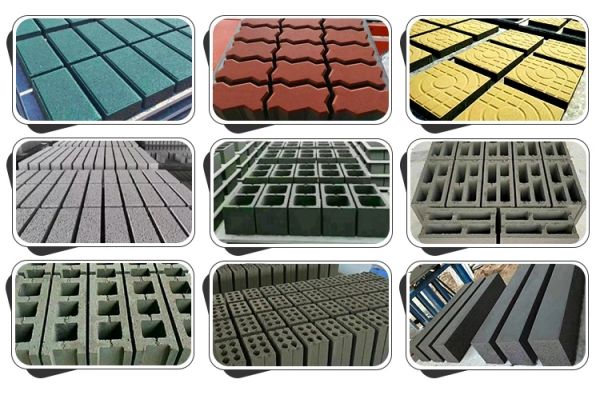
Analysans Coërcitiones in Dimensionibus Caudicum
Magnitudo lateris, quod machina producere potest, regitur per coniunctionem geometricae machinae fixae et variabilis artificii formae. Non est universalis responsio "una magnitudo omnibus apta", sed potius certus modus operativus unicuique exemplari machinae definitus.
1. Determinatores Primarii: Corporis Machinae Compages
Machinae structura certos terminos productionis constituit.
- Mensura Palletae (Tela Fundamentalis)Haec est una omnium maxime necessaria restrictio. Palus ferreus est suggestum super quod caudex formatur. Forma omnino intra longitudinem et latitudinem huius pali aptare debet.Longitudo et latitudo maximae congeriei dimensiones caudicis non superent.Verbi gratia, machina cum tabula mensurae 1000mm x 600mm non potest producere stipitem longiorem quam 1000mm vel latiorem quam 600mm.
- Arcae Fictilis Altitudo et Ictus PistonisAltitudo arcae formae et spatium verticale (cursus) tigni compactionis determinat...altitudo maxima repletivaHaec altitudinem seu crassitudinem stipitis definit. Machinae pro lapidibus marginis gravis oneris destinatae multo maiorem altitudinem capsulae formae et ictum arietis habebunt quam machina ad stipites aedificii normales optimata.
- Pressio Hydraulica et Capacitas Mensae VibratoriaeMaiorem densioremque caudicem producere maiorem massam concretam requirit, quae maiorem vim compactionis postulat. Systema hydraulicum machinae et mensa vibrationis satis valida esse debent ad materiam per maius volumen efficaciter consolidandam. Machina ad parvos pavitores designata potestatem ad magnum caudicem solidum rite conprimendum deesse potest, res fragiles et friabiles gignens.
2. Munus Formae Conformationisque
Within the machine’s physical limits, the mold defines the specific product.
- Maximum Size (Utilizing the Full Pallet): A single-cavity mold can be designed to occupy most of the pallet area, producing one very large block (e.g., a solid foundation block or a large landscaping unit). This represents the practical maximum size for that machine.
- Minimum Size (Multi-Cavity Molds): The minimum size is not a technical lower limit but a practical one. To produce very small blocks (e.g., thin bricks or small pavers), a multi-cavity mold is used, where many cavities are arrayed on a single pallet. The minimum feasible size is determined by the mechanical strength of the thin mold walls separating the cavities and the ability of the concrete to flow into and be compacted within very small sections.
3. Specialized Machines for Extreme Dimensions
The industry offers equipment engineered for specific dimensional ranges.
- Machines for Large Format Units: Some machines are specifically built with oversized pallets, reinforced structures, and high-pressure systems to specialize in producing large concrete products such as retaining wall blocks, solid barrier blocks, and grand format pavers. Their “minimum” size might be quite large.
- Machines for Precision Small Units: Conversely, machines for producing thin veneer bricks, small interlocking pavers, or decorative tiles feature highly precise, multi-cavity mold technology and specialized vibration systems to handle delicate formations. Their “maximum” size is comparatively small.
Conclusion: Sizing as a Strategic Selection Criteria
The dimensional range of a block machine is a key filter in the selection process. For the business intermediary, guiding a client requires a two-part analysis: First, understanding the client’s target product portfolio—both their core products and future aspirations. Second, matching those needs to a machine whose physical parameters (pallet size, power, stroke) comfortably encompass that range with room for efficiency. It is often wiser to select a machine with a slightly larger capacity than currently needed to accommodate future market opportunities. The most versatile machines are those that offer a generous pallet size and a powerful compaction system, as they can accommodate a wider array of mold sizes, from multi-cavity setups for small items to single-cavity molds for large ones. Ultimately, clarifying these size constraints prevents costly mismatches and ensures the purchased equipment serves as a scalable asset for business growth.
Interrogationes Saepius Petitae (ISP)
Q1: Can a machine that makes standard hollow blocks also produce very large solid blocks?
A: Not necessarily. While it may fit on the pallet, a standard block machine may lack the necessary hydraulic pressure and vibration energy to properly compact the significantly greater mass of a large solid block. The result could be a block with inadequate strength. It is essential to verify the machine’s rated compaction force (measured in kN or tons) for such applications.
Q2: How does block size affect production speed and daily output?
A: There is a direct trade-off. Producing one large block per cycle uses the same machine cycle time as producing a pallet full of small pavers. Therefore, when measuring output in number of units, smaller blocks yield a much higher count. When measuring output in volume of concreteautarea of coverage, the relationship is different. Production planning must account for this.
Q3: Are there standardized size limits for common block types?
A: Yes, national and international standards often define common dimensions for structural masonry units (e.g., 400mm x 200mm for length and height in many metric markets). Reputable machine manufacturers design their pallet and mold systems to be compatible with these standard modules. However, machines are not limited to these sizes for non-standard or specialty applications.
Q4: What is a “traveling block” and how does it relate to size limits?
A: In some automatic machines, the mold box moves (“travels”) over a stationary pallet to eject the block. In this design, the length of the block is limited by the stroke of this movement, not just the pallet size. This is a critical technical detail to confirm when evaluating maximum length for specific machine types.
Q5: How do I determine the right machine size for a varied product line?
A: Create a comprehensive list of all intended products with their maximum dimensions (LxWxH). The selected machine must have a pallet size exceeding the largest length and width, and a mold box/ram stroke exceeding the largest height. Prioritize machines where your most common products allow for a multi-cavity mold to ensure economic production, while the machine still has the capacity for your occasional larger items.
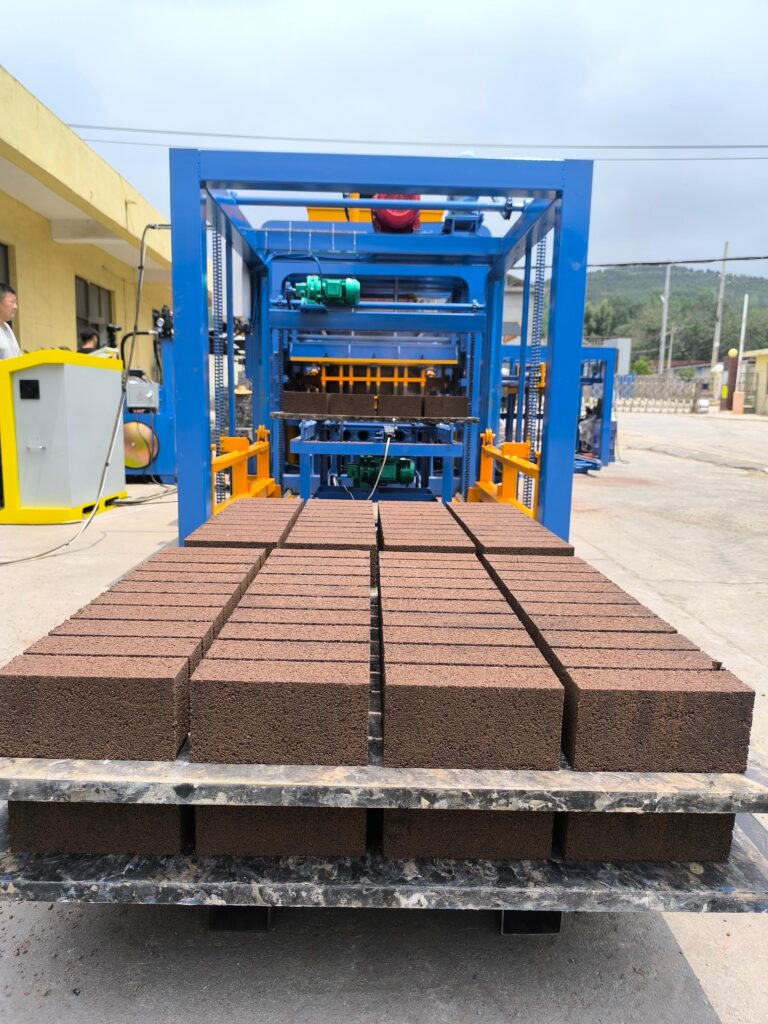
- Machina automataria ad lateres faciendos7 products
- Lateris fictilis fabricandae machina4 products
- machina caudicis moventis faciendi4 products
- alia machinamenta aedificatoria5 products
- Machina semi-automatica laterum conficiendorum4 products