
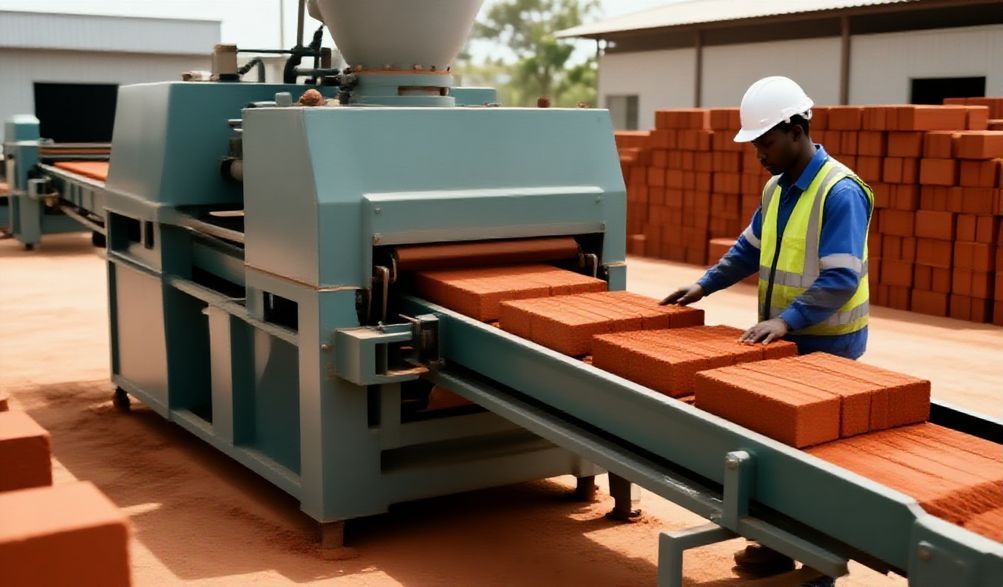
Clavis Ultima ad Machinas Fictiles Lateritias in Nigeria | Sociare cum FUDA Officina Laterum Conficiendorum
Introductio
Sector constructionis Nigeriae incrementum inauditum experitur. A consiliis infrastructuralibus foederalibus ambitiosis usque ad necessitatem pressantem habitationis parabilis, postulatio materiarum aedificiorum durabilium et summae qualitatis numquam maior fuit. In centro huius augmenti constructionis est materia aeterna: later coctilis. Tamen pons inter terram Nigerianam rudem et copiam laterum certam ac lucrosam est machina productoria idonea. Hic peritia necessaria fit.
Per decennium plus, FUDA Factor Fabricandi Cuneorum non tantum venditor machinarum, sed socius actuosus in evolutione constructionis Nigeriae fuit. Machinatores nostri per sex zonas geopoliticas, a lateris rubro austro-occidentali ad humum arenosam septentrionalem, ipsi laboraverunt. Intellegimus difficultates singulares—copiam energiae variabilem, compositiones solorum diversas, et necessitatem solutionum scalabilium. Haec experientia alta et practica fundamentum auctoritatis nostrae constituit.
Machina lateritia faciendae eligenda una est maximarum collocationum cuilibet negotio aedificii vel conductori. Recta machina qualitatem producti, efficientiam productionis, et denique lucrum tuum determinat. Mala electio ad continuas cessationes, lateres subnormales, et angustiam pecuniariam ducere potest.
Hic dux comprehensivus, ex ampla experientia FUDA in loco collectus, ad te roborandum destinatur. Ultra libellos venditionum procedemus ut cognitiones actuosas praebeamus ad decisionem certam et informatam pro negotio tuo Nigerian faciendam. Commissio nostra testimonio est per vestigia institutionis nostrae crescentia per totam nationem et testimoniis clientium, qui negotia florentia cum firmo auxilio nostro aedificaverunt.
Cur lateres lutei fundamentum constructionis Nigerianae maneant.
Antequam in machinas collocetur, necesse est perpetuam ipsius producti valorem intellegere. Lateres fictiles non sunt reliquiae praeteriti temporis; sunt electio probata et sustinenda pro praesenti et futuro Nigeriae.
Durabilitas et Calor Commoditas pro Clima Nigeriano
Lateres ex argilla integritatem structurae et diuturnitatem praestantem praebent, decenniis tempestatum asperarum sustinendis pares. Magna eorum massa thermica est naturale commodum pro climate Nigeriano. Calorem interdiu absorbent et noctu lente dimittunt, temperaturas interiores refrigerantes efficientes comparatione materiarum leviorum. Hoc in minorem fiduciam aeris conditionis vertit, significantes longi temporis energiae compendia et vitae commoditatem auctam offerens.
Sumptibus efficax et materia locali comparata.
The primary raw material—clay—is abundantly available across Nigeria. This drastically reduces material transportation costs and fosters local economic cycles. Brick production can be set up near both the source of clay and the construction site. Furthermore, the production process, especially with modern machines, is highly efficient, minimizing waste and maximizing yield from local resources.
The Economic Opportunity: Meeting Housing and Infrastructure Demands
The Nigerian government’s focus on housing deficits and infrastructure development presents a massive opportunity. There is a consistent, high demand for quality bricks for:
* Low and medium-cost housing estates.
Aedificia mercatoria incepta.
* Road and drainage construction (using pavers and kerbs).
Investing in brick production is not just about buying a machine; it’s about positioning your business at the core of national development.
Intellectus Machinarum Laterum Fictilium: Genera et Technologiae
Navigating the different types of machines is the first technical step. Your choice should align with your production scale, budget, and operational context.
Manual & Semi-Automatic Machines: Ideal for Startups and Small-Scale Production
- Machina Manualia: These are lever-operated or simple mechanical presses. They require significant human effort but have a very low initial cost and no power dependency. Ideal for community projects, very small startups, or producing specialty bricks in low volume.
- Semiautomaticae Machinae: This is where efficiency takes a leap. These machines use an electric or diesel engine to power the compression system, but brick removal and stacking are manual. They offer a excellent balance between output (500-2,000 bricks per day) and affordability, perfect for growing small to medium enterprises (SMEs).
Fully Automatic Machines: For High-Volume Production and Large Enterprises
For serious commercial production, fully automatic machines are the powerhouse. They integrate the entire process—mixing, molding, compaction, and stacking—onto a conveyor system with programmable logic controller (PLC) operation.
* Praecipua Commoda: Extremely high output (5,000 to 20,000+ bricks per 8-hour shift), consistent quality, and minimal manual labor.
* Optimum Pro: Large construction firms, industrial brick manufacturers supplying major projects, and investors targeting the wholesale market.
Key Machine Components Explained: A FUDA Breakdown
Understanding the core parts helps you evaluate machine quality:
1. Mixer/Pan Mill: This is where clay, water, and sometimes a small amount of sand or cement are homogenized. A robust mixer is crucial for a consistent, plastic mix.
2. Molder/Mold Box: The heart of the machine. High-grade steel molds determine the brick’s shape and dimensions (solid, hollow, interlocking).
3. Hydraulic Compactor: Applies immense pressure to the clay in the mold. The pressure rating (measured in tons) directly impacts brick density and strength.
4. Conveyor System (in automatic models): Transports raw material to the mixer and moves finished bricks to the curing area, streamlining workflow.
Choosing the Right Machine: A FUDA Expert Checklist for Nigerian Businesses
This is where our experience becomes your roadmap. Use this checklist to guide your decision-making process.
Assessing Your Production Goals: Daily Output Requirements
Be realistic. Don’t over-invest in capacity you can’t utilize, or under-invest and miss opportunities.
* Small-scale/Local Supply: 1,000 – 3,000 bricks/day (Semi-Automatic).
* Medium-scale/Contractor Supply: 3,000 – 8,000 bricks/day (Advanced Semi-Auto or Basic Automatic).
* Large-scale/Wholesale Supply: 10,000+ bricks/day (Fully Automatic Line).
Power Considerations: Navigating Electricity, Diesel, and Hybrid Options
Nigeria’s power reality must be central to your choice.
* Electrica Exempla: Cleaner and quieter, but entirely dependent on stable grid power or a large-capacity generator.
* Diesel Models: Higher fuel cost but offer complete independence from the grid. Essential for locations with unreliable power.
* Hybrid (Diesel/Electric) Models: FUDA often recommends these for Nigeria. They offer the flexibility to switch between power sources, ensuring production never halts.
Raw Material Analysis: Matching the Machine to Your Local Clay Quality
Not all clay is equal. We insist on testing your soil sample.
* Sandy Clay: May require less water and shorter curing time.
* Heavy Clay/Laterite: Might need a more powerful mixer and careful moisture control. Some machines come with adjustable compression to handle different material densities.
* Quaestio Clavis: Can the machine handle slight variations in moisture content, which are common in Nigeria?
Space, Labor, and Budget Planning: A Realistic Cost-Benefit Framework
- Spatium: Include space for the machine, raw material storage, drying yard, and cured brick storage. Automatic lines need more space for conveyors.
- Labor: Semi-auto machines need 4-6 operators. Fully automatic lines may need only 2-3 skilled operators but require technical knowledge.
- Summa Factor in the Summa Possessionis: Machine price + shipping + installation + foundation + initial spare parts kit + power source. The cheapest machine can become the most expensive due to downtime and repair costs.
The FUDA Block Making Factory Advantage: More Than Just a Machine
When you partner with FUDA, you invest in a system for success, built on reliability and local partnership.
Proven Machines Built for Nigerian Conditions
Our machines are engineered with Nigerian realities in mind. For instance, our FUDA-8S Semi-Automatic model features reinforced hydraulics and a corrosion-resistant paint job for humidity. Our FUDA-12A Fully Automatic Line includes a built-in voltage stabilizer to protect the PLC from power surges.
End-to-End Support: From Site Inspection to Installation & Training
We begin with a consultation, often including a site visit. Upon order, our team manages delivery and provides on-site installation and comprehensive hands-on training for your operators. We ensure your team can run the machine safely and efficiently from day one.
Reliable After-Sales Service, Parts Availability, and Technical Support
Our warehouse in Lagos stocks critical spare parts to minimize your downtime. Our network of local technicians provides prompt support. You’re not buying from a distant foreign supplier; you’re partnering with a factory with a committed Nigerian presence.
Success Snapshot: A Nigerian Client’s Results
“We started with a FUDA semi-automatic machine in Abeokuta in 2020. The training was thorough. Within 18 months, we had paid off our investment and were supplying three local housing projects. Last year, with FUDA’s guidance, we upgraded to a fully automatic line. Their support made the expansion seamless.” – Adeniyi B., Proprietor, Solid Bricks Ltd.
Quaestiones Criticae Rogandae Antequam Emas
Arm yourself with these questions for any supplier:
What is the true total cost of ownership (maintenance, parts, power)?
Demand a breakdown beyond the sticker price. What are the annual maintenance costs? How available and affordable are wear-and-tear parts like molds and hydraulic seals?
How does the machine handle different moisture contents in local clay?
A good machine should have some tolerance. Ask about the moisture range it can process effectively and if adjustments are easy for the operator to make.
What training and operational manuals are provided?
Is training done in Nigeria, on your site? Are manuals provided in clear English (or even local languages)? Proper training prevents operational errors that damage machines.
What is the warranty and service response time within Nigeria?
A one-year warranty on parts and labor is standard for quality machines. Crucially, ask: “If a critical part fails, what is your average response time to get me back up and running in [your state]?”
Interrogationes Saepius Petitae (ISP)
Q1: What is the price range for a clay brick making machine in Nigeria from FUDA?
A: Prices vary significantly based on automation and capacity. As a guide, manual presses start from around ₦800,000, robust semi-automatic machines range from ₦2.5M to ₦7M, and fully automatic lines begin from ₦12M upwards. FUDA provides transparent quotations that detail all costs. We advocate for value and reliability over the false economy of cheap, uncertified imports.
Q2: Can FUDA machines use laterite or other local soil types found in Nigeria?
A: Absolutely. Our machines are designed to process a wide range of soil types, including the prevalent laterite. The key is in the mix preparation. We often recommend our optional pan mixer attachment to perfectly homogenize tougher materials, ensuring a strong, consistent final brick.
Q3: Do you offer financing or payment plans for Nigerian businesses?
A: While FUDA does not directly provide in-house financing, we have established relationships with several Nigerian financial institutions familiar with equipment financing. We can guide you toward credible partners and provide all necessary machine documentation (proforma invoice, specifications) to support your loan application.
Q4: How long does it take to set up and start production after delivery?
A: Once the machine arrives on your prepared site (with a solid, level foundation), our installation team typically completes setup, calibration, and training within 3-5 working days. This means you can often start trial production within a week of delivery.
Q5: Where is your showroom or service center located in Nigeria?
A: Our main operational office and parts warehouse is located in Lagos. We have technical teams stationed in key regions across the country to ensure prompt service. For the most current contact details and to schedule a consultation, please visit our website or call our dedicated Nigerian support line.
Conclusio.
Selecting the ideal clay brick making machine is a strategic decision that hinges on technical fit, operational reality, and, most importantly, the reliability of your partner. In Nigeria’s dynamic market, having a supplier with proven expertise, local understanding, and unwavering after-sales support is not a luxury—it’s a necessity for your business’s sustainability and growth.
FUDA Block Making Factory stands as that authoritative partner. We combine robust, context-appropriate machinery with an end-to-end support system designed for Nigerian entrepreneurs. We are invested in your success because your growth fuels Nigeria’s development.
Take the next step with confidence. Contact the FUDA expert team today for a free, no-obligation consultation. Share your production goals and, if possible, a sample of your local soil. We will analyze your specific needs and recommend the perfect clay brick making machine to build a profitable and enduring future for your business in Nigeria.
We remain committed to quality, relentless support, and empowering the builders of Africa’s largest economy.
<