
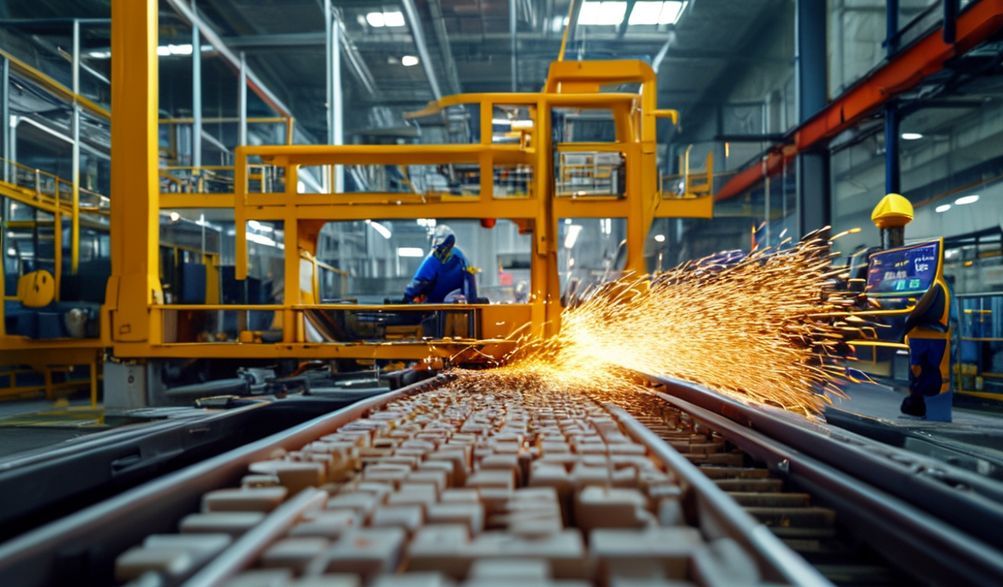
ຄູ່ມືສູງສຸດກ່ຽວກັບເຄື່ອງຈັກບິນກ້ອນ ແລະ ໂຮງງານຜະລິດກ້ອນ FUDA
ການແນະນຳ
ອຸດສາຫະກຳການກໍ່ສ້າງທົ່ວໂລກກຳລັງຢືນຢູ່ທາງແຍກ. ດ້ວຍປະຊາກອນທີ່ເພີ່ມຂຶ້ນ, ການຫັນເປັນຕົວເມືອງຢ່າງຮີບດ່ວນ, ແລະຄວາມຕ້ອງການພື້ນຖານໂຄງລ່າງທີ່ຍືນຍົງຢ່າງຮີບດ່ວນ, ຄວາມຕ້ອງການວັດສະດຸກໍ່ສ້າງບໍ່ເຄີຍສູງຂຶ້ນ. ຢ່າງໃດກໍ່ຕາມ, ວິທີການຜະລິດອິດຖ່ານທີ່ເປັນມູນເຊື້ອ—ມັກຈະໃຊ້ແຮງງານຫຼາຍ, ບໍ່ຄົງທີ່, ແລະສົ່ງຜົນກະທົບຕໍ່ສິ່ງແວດລ້ອມ—ພະຍາຍາມຕາມທັນ. ວິທີແກ້ໄຂແມ່ນຢູ່ໃນການຮັບເອົາອັດຕະໂນມັດທາງອຸດສາຫະກຳ, ການປ່ຽນແປງທີ່ບໍ່ພຽງແຕ່ຕອບສະໜອງຄວາມຕ້ອງການເທົ່ານັ້ນ, ແຕ່ຍັງກຳນົດມາດຕະຖານໃໝ່ຂອງປະສິດທິພາບ, ຄຸນນະພາບ, ແລະຄ່າໃຊ້ຈ່າຍ. ຫົວໃຈຂອງການປະຕິວັດນີ້ແມ່ນເຄື່ອງຜະລິດອິດຖ່ານອັດຕະໂນມັດ, ເຊິ່ງທີ່ມັກເອີ້ນໃນອຸດສາຫະກຳວ່າເຄື່ອງຈັກບິນອິດ.
ແຕ່ສິ່ງໃດແທ້ໆທີ່ຂັບເຄື່ອນການປ່ຽນແປງນີ້? ແລະທຸລະກິດຈະຮັບປະກັນໄດ້ແນວໃດວ່າພວກເຂົາກຳລັງລົງທຶນໃນເຕັກໂນໂລຊີທີ່ເຊື່ອຖືໄດ້ ແລະປະສິດທິພາບສູງ? ຄູ່ມືຄົບວົງຈອນນີ້ຈະສຳຫຼວດວິສະວະກຳຂັ້ນສູງທີ່ຢູ່ເບື້ອງຫຼັງເຄື່ອງຈັກຜະລິດອິດບິນສະໄໝໃໝ່, ໂດຍສຸມໃສ່ກວດກາຢ່າງລະອຽດເຖິງກຳລັງສຳຄັນໃນການຜະລິດຂອງພວກມັນ: ເຄື່ອງບໍລິສັດຜະລິດບລັອກ FUDATranslation to Lao is not yet supported for this text. Please provide a different input.
ເຄື່ອງຈັກຜະລິດກ້ອນຫີນ Fly Bricks ຄືຫຍັງ? ການອະທິບາຍການຜະລິດກ້ອນຫີນແບບອັດຕະໂນມັດ
เครื่องจักรทำอิฐระบบ Fly Bricks ไม่ใช่เครื่องจักรเดี่ยว แต่เป็นระบบการผลิตแบบบูรณาการที่ซับซ้อน ออกแบบมาเพื่อทำให้กระบวนการผลิตอิฐและบล็อกก่อสร้างทั้งหมดเป็นระบบอัตโนมัติ โดยขจัดการทำงานด้วยมือส่วนใหญ่ และแทนที่ด้วยการทำงานที่แม่นยำ สามารถตั้งโปรแกรมได้ และมีความเร็วสูง
ຫນ້າທີ່ຫຼັກ ແລະ ຫຼັກການເຮັດວຽກ
The magic of an automatic brick making plant lies in its seamless, cyclical process. While specific steps can vary by model, the core workflow is consistent:
- ການປ້ອນອາຫານ & ປະສົມ: Raw materials (e.g., cement, sand, aggregate, fly ash, water) are precisely batched and fed into a compulsory mixer. This ensures a homogeneous concrete mixture with the correct consistency.
- Transfer: The mixed material is conveyed, typically via a belt conveyor system, to the hopper of the main brick molding machine.
- Compressing & Molding: This is the heart of the operation. The material is fed into a mold box. Through a combination of powerful ການສັ່ນສະເທືອນຄວາມຖີ່ສູງແລະອັນກວ້າງໃຫຍ່ຄວາມດັນນ້ຳມັນ, the material is compacted to an extremely dense state. This dual action removes air pockets and ensures uniform density.
- Ejection & Palletizing: The freshly formed, wet brick block is ejected onto a pallet (a metal or wooden plate). An automated pallet feeder ensures a continuous supply of empty pallets to the machine.
- ການບຳບັດ ແລະ ການຊ້ອນ: The pallet with the brick is transferred to a stacker or a curing rack. The blocks then enter a controlled curing environment (often a curing chamber or simply a covered area) where they gain strength over days before being ready for shipment or use.
This process stands in stark contrast to traditional manual methods, which are prone to human error, inconsistency, and severe limitations in daily output.
Types of Bricks and Blocks Produced
The versatility of a modern fly bricks machine is one of its greatest assets. By simply changing the mold, a single machine can produce a wide array of products:
* ດິນຈີ່ກົມກ່ອງ: The most common product, used for walls, offering excellent insulation and reduced structural weight.
* ດິນຈີ່ທີ່ແຂງແຮງ: For foundations, pavements, and load-bearing walls requiring maximum strength.
* Paving Stones & Interlocking Pavers: For driveways, walkways, and landscaping projects.
* ບລັອກຕິດຕໍ່ກັນ: Used in dry-stack construction, reducing or eliminating the need for mortar.
* Curbs, Grass Pavers, and Specialty Shapes: For civil engineering and architectural projects.
Key Components of an Automated Brick Making Plant
Understanding the system helps in evaluating quality:
* ເຄື່ອງປົນຊີມັງ Creates a uniform, workable mixture.
* Belt Conveyor: Transports material between stations.
* Host Machine (Molding System): The core unit with the mold, vibration motors, and hydraulic press.
* Pallet Feeder/Circulation System: Automates the supply and return of pallets.
* Brick Stacker/Robot: Gently stacks green bricks onto curing carts.
* PLC Control Panel: The “brain” of the operation, allowing for programming, monitoring, and troubleshooting.
Why Choose an Automatic Fly Bricks Machine? The Tangible Benefits
Investing in automation is a strategic business decision. The benefits of a fly bricks machine translate directly to your bottom line and project success.
Unmatched Production Efficiency and Output
- ຂະໜາດ Automatic plants can produce thousands of bricks per hour, operating consistently over multiple shifts. This drastically reduces project timelines for large-scale construction or allows a block yard to supply an entire region.
- ສອດຄ່ອງ Machines don’t get tired. They maintain the same output speed and rhythm 24/7, enabling predictable production scheduling and inventory management.
Superior Quality and Consistency of Bricks
- Density & Strength: The high-pressure vibration process creates bricks with exceptional compressive strength and low water absorption, directly translating to more durable, weather-resistant structures.
- ຄວາມຖືກຕ້ອງຂອງຂະໜາດ Every brick is identical. This precision simplifies construction, reduces mortar use, and results in cleaner, more professional-looking walls.
Significant Reduction in Labor Costs and Dependency
- An automatic system may require only 3-5 operators to manage what would traditionally need a crew of 20-30 manual laborers. This reduces long-term payroll expenses, management overhead, and vulnerability to labor shortages.
Long-Term Cost Savings and ROI (Return on Investment)
- While the initial investment is higher than manual methods, the ອັດຕາສ່ວນຜົນຕອບແທນຕໍ່ການລົງທຶນ (ROI) is compelling. Savings from reduced labor, lower waste from precise production, and faster project completion quickly offset the capital cost. The durability of a well-built machine ensures this profitability continues for years.
Spotlight on the Manufacturer: Inside the FUDA Block Making Factory
Choosing the right machine is inseparable from choosing the right manufacturer. The ບໍລິສັດຜະລິດບລັອກ FUDA has established itself as a prominent name in the global brick machinery market, known for its dedicated focus and engineering approach.
FUDA’s Legacy and Industry Expertise
FUDA positions itself as a specialist manufacturer with a core mission centered on the research, development, and production of brick and block making machinery. While specific founding dates should be verified directly with the company, their market presence is built on years of accumulated technical knowledge and a focus on serving the construction material production sector. This specialization, as opposed to being a general machinery supplier, often translates to deeper product expertise and more tailored customer support.
Engineering Excellence and Manufacturing Standards
A manufacturer’s reputation is built in its factory. Key aspects that define FUDA’s approach include:
* Material Selection: The use of high-grade, wear-resistant materials is critical. For instance, mold liners and cores are often made from specially hardened steel to withstand constant abrasion and maintain dimensional tolerance over millions of cycles.
* Robust Design: Machines are built on heavy, welded steel frames to handle the intense forces of vibration and pressure without fatigue or misalignment.
* Quality Focus: Reputable manufacturers like FUDA implement stringent quality control checkpoints throughout the assembly process, from machining parts to final electrical testing. While specific certifications (like ISO) should be confirmed with the supplier, a visible commitment to R&D and process control is a positive indicator of reliability.
Range of FUDA Fly Bricks Machine Models
To cater to diverse business needs, a manufacturer like FUDA typically offers a spectrum of models:
* Fully Automatic Lines: High-end, computer-controlled plants with robotic pallet and product handling for maximum output with minimal labor.
* ເຄື່ອງຈັກກົງເຄື່ອງກາງ: A cost-effective middle ground where core molding is automated, but some material feeding or brick removal is manual.
* Stationary vs. Mobile Plants: Large-capacity stationary plants for fixed factories, and smaller mobile machines that can be moved between job sites.
* Customization: The ability to adapt machines for different raw material recipes—such as optimizing for fly ash (an eco-friendly industrial byproduct), clay, or concrete—is a sign of advanced engineering capability.
Critical Features to Look for in a Fly Bricks Machine
Beyond brand, evaluating these core features will determine your long-term satisfaction with the investment.
Automation Level and Control System
- ພຣະອົງPLC (Programmable Logic Controller) is non-negotiable for an automatic machine. It ensures precise control over cycle times, pressure, and vibration. A user-friendly touchscreen HMI (Human-Machine Interface) allows for easy parameter adjustment, fault diagnosis, and production data tracking.
Production Capacity and Machine Power
- Capacity (e.g., “2,000 blocks per hour”) must align with your business plan. Overbuying leads to idle capital; underbuying creates bottlenecks. Assess the power of the hydraulic system (pressure in MPa/PSI) and vibration motors (frequency and amplitude), as these directly correlate to brick density and production speed.
Durability: Hydraulic System and Structural Frame
- Hydraulics: Look for reputable brand components (e.g., Siemens, Schneider, Rexroth) and a well-designed, clean hydraulic circuit. Oil leaks and pump failures are a primary cause of downtime.
- ກອບ The main frame should be fabricated from heavy-duty steel plate with reinforced welding at stress points. A flimsy frame will warp under load, leading to misalignment and chronic maintenance issues.
After-Sales Support: The True Test of a Supplier
- This is arguably the most critical factor. A reputable factory like FUDA understands that their sale is the start of a partnership. Essential support includes:
- Detailed installation supervision (either on-site or via video).
- Comprehensive operator and maintenance training.
- A clear, written warranty (typically 12-24 months on core components).
- Readily available spare parts with a responsive technical support team for troubleshooting.
Making the Right Investment: A Buyer’s Checklist
Navigate the purchasing process with this structured approach.
Assessing Your Production Needs and Budget
- Ask: What is my required daily/weekly output? What types of bricks do I need to produce? What raw materials are locally available? What is my total investment budget, including shipping and installation?
The Importance of Factory Visits and Machine Trials
- This step is highly recommended. If possible, visit the manufacturer’s facility. A tour of the ບໍລິສັດຜະລິດບລັອກ FUDA, for instance, allows you to inspect welding quality, assembly cleanliness, and inventory organization. Most importantly, insist on a live machine trial using a raw material mix similar to yours. Seeing the machine run, measuring the produced bricks, and feeling their density is invaluable.
Comparing Quotes and Understanding the Total Cost
- Obtain detailed, itemized quotations. Compare not just the base machine price, but also the cost of:
- Shipping and insurance.
- Installation and commissioning services.
- Initial set of spare parts and molds.
- Any customs duties or local taxes.
Verifying Supplier Credentials and Customer Reviews
- Request the company’s business license and, if possible, a list of international clients. Search for independent customer testimonials or case studies. Reach out to past clients in regions similar to yours to ask about their experience with machine performance and after-sales service.
Frequently Asked Questions (FAQ)
Q1: What is the approximate cost range for a FUDA fly bricks machine?
A: Cost varies dramatically based on the level of automation, production capacity, and configuration. A small semi-automatic machine may start in the tens of thousands of USD, while a large, fully automatic production line can represent a significant six-figure investment. The only way to get an accurate price is to contact the factory directly with your specific production requirements for a customized quotation.
Q2: Can these machines use raw materials like fly ash or clay?
A: Yes. Most modern machines, including those from manufacturers like FUDA, are designed to be adaptable. They can efficiently utilize industrial by-products like fly ash or slag, as well as traditional materials like clay, cement, and concrete. This not only reduces material costs but also supports more sustainable, eco-friendly construction practices.
Q3: How much space is required to set up an automatic brick making plant?
A: Space needs depend entirely on the model and scale. A compact plant might fit in 500-1,000 square meters, but a full-scale operation with raw material storage, production line, curing area, and finished product yard may require 5,000-10,000 sqm or more. A reliable supplier will provide a detailed factory layout plan during the quotation process.
Q4: What kind of after-sales service should I expect from a reputable factory?
A: You should expect a comprehensive support package: detailed installation guidance (often on-site), thorough training for your operators and maintenance staff, a clear warranty document covering key components, and a commitment to providing technical support and spare parts for the life of the machine. The availability of clear English manuals and remote video support is a major plus.
Q5: How do I ensure the bricks produced meet local construction standards?
A: The machine guarantees precise dimensional accuracy. The final compressive strength, however, is a function of your raw material mix design (the ratio of cement, sand, aggregate, and water). It is your responsibility to develop and test a mix formula that meets local standards (e.g., ASTM, EN, IS). You should then conduct periodic compression tests on samples at a local construction materials laboratory to ensure ongoing compliance.
ສະຫຼຸບ
The adoption of automatic fly bricks machine technology represents a fundamental leap forward for the construction industry. It is a move from artisanal, variable production to industrial-grade precision, efficiency, and scalability. The benefits—from dramatic labor savings and superior product quality to a strong long-term ROI—are clear and compelling.
Navigating this investment successfully hinges on partnering with a manufacturer that combines robust engineering with unwavering customer support. Factories like ບໍລິສັດຜະລິດບລັອກ FUDA, with their specialized focus and commitment to manufacturing quality, exemplify the type of supplier that can de-risk your investment and ensure your block production venture is a success.
Ultimately, purchasing a fly bricks machine is a strategic decision for business growth and competitive advantage. We encourage you to use this guide as a foundation for your research. Prepare your project specifications, engage with reputable manufacturers, and, wherever possible, witness the technology firsthand through a factory tour and machine demonstration. By taking these steps, you can make an informed, confident investment that will build the foundation for your future projects—quite literally.
This guide is intended for educational and professional decision-making purposes. For final procurement decisions, we recommend consulting directly with manufacturers and, if necessary, independent engineering professionals.
<