
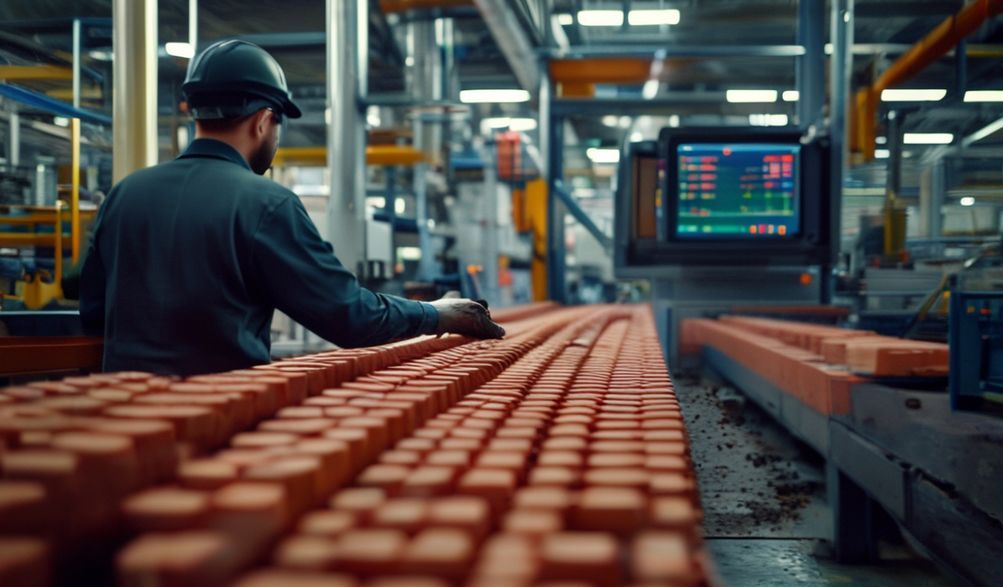
The Ultimate Guide to Choosing a Machine to Make Block Bricks: Insights from FUDA Brick Making Factory
ການແນະນຳ
The global construction industry is booming, driven by urbanization, infrastructure development, and the ever-present need for durable, affordable housing. At the heart of this growth lies a fundamental component: the humble block brick. However, meeting modern demands for speed, quality, and cost-efficiency requires more than manual labor—it requires advanced, reliable machinery.
Choosing the right machine to make block bricks is one of the most critical decisions for any construction business or entrepreneurial venture. It’s a significant investment where the wrong choice can lead to production bottlenecks, inconsistent quality, and financial strain.
ນີ້ແມ່ນບ່ອນທີ່ປະສົບການ of a proven manufacturer becomes invaluable. For decades, FUDA Brick Making Factory has stood at the forefront of brick making machinery design and manufacturing. Our hands-on ປະສົບການ in operating and innovating these machines forms the bedrock of our ຄວາມຊ່ຽວຊານ.
This comprehensive guide leverages FUDA’s deep industry knowledge to cut through the market complexity. We will provide you with actionable insights, from core technologies to long-term operational strategies. Our goal is to ensure you make an informed, profitable investment.
You will learn how to select the perfect machine, understand the operational best practices, and discover why partnering with an ມີອຳນາດແລະເຊື່ອຖືໄດ້ factory like FUDA is the cornerstone of long-term success in the block brick manufacturing business.
Understanding Block Brick Making Machines: Core Technologies
Before investing, it’s crucial to understand the engineering behind the equipment. This knowledge empowers you to ask the right questions and evaluate manufacturers based on substance, not just sales pitches.
How Do Brick Making Machines Work? The Core Process
At its core, a brick making machine automates and refines a centuries-old process into a precise, high-output operation. The journey from raw material to finished block follows these key stages:
- ປະສົມ Raw materials (e.g., cement, sand, aggregate, fly ash, or clay) are precisely measured and mixed with water to achieve a homogeneous, consistent consistency.
- ການປູພື້ນຮູບ: The mixed material is fed into a mold box. This is where the brick gets its shape—be it solid, hollow, interlocking, or paving.
- Compacting & Vibration: High-frequency vibration and immense hydraulic pressure work in tandem. This dual action removes air pockets and compacts the material densely into the mold, which is critical for the brick’s final strength and durability.
- Ejection (Demolding): The newly formed, “green” brick is gently ejected from the mold onto a pallet or conveyor belt.
- ການປິ່ນປົວ: The bricks are moved to a curing area. Proper curing, often involving controlled temperature and humidity, allows them to gain their full structural strength over days.
The precision of this process—governed by the machine’s engineering—directly dictates the quality, dimensional accuracy, and structural integrity of every single block produced.
Types of Machines to Make Block Bricks: From Manual to Fully Automatic
The market offers a spectrum of automation to suit different scales and investment levels.
-
Manual / Small Scale Machines:
- ດີທີ່ສຸດສຳລັບ: Start-ups, very low-budget projects, or small-scale, on-site production.
- ຕົວຢ່າງ: Small concrete block makers, manual fly ash brick presses.
- ການດຳເນີນງານ: Heavily reliant on manual labor for mixing, feeding, and demolding. Output is low, and consistency depends on operator skill.
-
ເຄື່ອງຈັກກົງເຄື່ອງກາງ:
- ດີທີ່ສຸດສຳລັບ: Growing small to medium-sized businesses (SMEs).
- ການດຳເນີນງານ: These machines automate the core processes of compaction and vibration. Operators typically handle feeding raw material and removing finished bricks. This offers a excellent balance between increased output, improved consistency, and manageable upfront cost.
-
ເຄື່ອງຈັກອັດຕະໂນມັດເຕັມຮູບແບບ
- ດີທີ່ສຸດສຳລັບ: Large-scale commercial production, industrial plants, and businesses prioritizing maximum efficiency and minimal labor costs.
- ຕົວຢ່າງ: FUDA’s automatic block production lines.
- ການດຳເນີນງານ: These are integrated systems. From material feeding and mixing to molding, compaction, stacking, and pallet return, the entire process is automated via a programmable logic controller (PLC). They deliver unparalleled output, exceptional consistency, and the highest return on investment for high-volume producers.
Key Components of a Reliable Brick Making Machine
The longevity and performance of your machine hinge on the quality of its core components. When evaluating options, pay close attention to these:
- ລະບົບແມ່ພິມ: The heart of the machine. High-grade, precision-engineered steel molds (like those from FUDA) ensure brick accuracy, smooth demolding, and a long service life.
- ລະບົບນ້ຳມັນເຄື່ອງ: Provides the immense pressure for compaction. Look for robust, brand-name pumps and valves for reliability and consistent pressure.
- ລະບົບການສັ່ນສະເທືອນ: High-frequency vibrators are essential for dense, strong bricks. A well-designed system distributes vibration evenly throughout the mold.
- ລະບົບຄວບຄຸມ: From simple buttons to advanced PLC touchscreens, this is the machine’s brain. User-friendly, reliable controls are key for smooth operation and troubleshooting.
- ກອບ & ໂຄງສ້າງ The machine must be built from heavy-duty steel to withstand constant vibration and pressure without warping or fatigue.
Why Your Choice of Brick Making Factory Matters: The FUDA Advantage
Purchasing a brick making machine is not a simple transaction; it’s the beginning of a long-term partnership. The manufacturer’s support defines your operational success for years to come.
FUDA’s Legacy: Decades of Engineering Experience
FUDA Brick Making Factory is not a reseller or an assembler. We are origin manufacturers with a legacy built on the factory floor. For over two decades, our engineers have been designing, welding, assembling, and testing machines. This hands-on ປະສົບການ translates into machines that are built for real-world production challenges, not just catalog specifications. Our continuous R&D investment ensures our technology evolves with industry demands.
Beyond the Machine: FUDA’s Comprehensive Support System
Our commitment begins long before the machine ships and continues throughout its lifespan.
- Technical Consulting: Our experts don’t just sell you a machine; we analyze your specific raw materials (local clay, fly ash composition, etc.) and production goals to recommend the optimal model and configuration. This is the ຄວາມຊ່ຽວຊານ that prevents costly mismatches.
- Installation & Commissioning: We provide detailed layout plans and can dispatch trained engineers for on-site installation and commissioning, ensuring your plant starts up correctly and efficiently.
- ການຝຶກອົບຮົມຜູ້ປະຕິບັດງານແບບຮອບດ້ານ We conduct hands-on training at your plant, transferring the operational knowledge needed to run the machine safely and productively.
- After-Sales Service & Parts Supply: Our ຄວາມເຊື່ອຖືໄດ້ is proven here. We offer clear warranty terms and maintain a vast inventory of genuine spare parts. Our global network and responsive support team ensure you have minimal downtime.
Quality and Certification: Hallmarks of a Trusted Manufacturer
FUDA’s manufacturing processes adhere to stringent international quality standards. Our commitment to quality control at every stage—from material sourcing to final testing—is what builds our ອຳນາດອຳນາດ. Machines are rigorously tested under load before shipment, guaranteeing they perform as promised when they arrive at your facility.
How to Select the Perfect Machine for Your Block Brick Business
Armed with technical knowledge, you can now focus on the selection criteria that directly impact your business plan.
Assessing Your Production Needs: Capacity, Brick Type, and Raw Materials
Start with a clear business foundation:
- ກຳລັງການຜະລິດ: Calculate your required daily output (e.g., blocks per 8-hour shift). Factor in both current orders and projected growth. Don’t just buy for today; plan for tomorrow.
- ປະເພດຂອງອິດ: What will you produce? Solid blocks for foundations? Hollow blocks for walls? Interlocking bricks for paving? Different products may require different machine specifications and mold sets.
- Raw Material Analysis: This is critical. The properties of your local sand, aggregate, cement, or fly ash significantly influence machine settings and mold design. A professional manufacturer like FUDA will request samples to provide tailored advice.
Key Specifications to Evaluate When Comparing Machines
Use this checklist when reviewing machine brochures or quotations:
- ກຳລັງການຜະລິດ: Blocks per hour (under standard conditions).
- ຄວາມຕ້ອງການພະລັງງານ: Total connected load (in kW). This affects your electricity infrastructure and operating costs.
- ຄວາມດັນປະຕິບັດງານ Hydraulic system pressure (in Bar or PSI). Higher pressure often correlates with denser, stronger bricks.
- ລະດັບການອັດຕະໂນມັດ Degree of manual intervention required.
- Overall Dimensions & Weight: Essential for planning your factory layout and foundation.
Investment Analysis: Cost vs. Long-Term ROI
Look beyond the sticker price. A true cost analysis includes:
- Upfront Cost: Machine price, shipping, and installation.
- ຄ່າໃຊ້ຈ່າຍດ້ານການດຳເນີນງານ: Labor, energy consumption, maintenance, and spare parts.
- ROI Factors: A higher-quality, more automated machine from FUDA may have a higher initial cost but delivers a faster ROI through superior uptime, lower labor costs, higher output, and consistent brick quality that commands better market prices.
Operational Excellence: Best Practices from FUDA’s Experts
Your machine is installed. Now, how do you ensure it runs at peak performance for years? Follow these proven practices.
Setting Up Your Brick Making Plant for Success
Efficiency starts with layout. Design a logical flow:
1. Raw Material Bay: Covered storage for cement, aggregates, etc.
2. Mixing Area: Positioned close to the machine hopper.
3. Production Line: Ample space around the machine for operation and maintenance.
4. Curing Area: A dedicated, organized space with proper ventilation or climate control.
5. Finished Product Storage: Easy access for loading and dispatch.
Ensure a strong, level concrete foundation as per the machine manual to absorb vibrations.
Routine Maintenance Checklist for Maximum Uptime
Prevention is cheaper than repair.
- Daily: Clean the machine, check hydraulic oil levels, inspect molds for wear or residue, and lubricate moving parts.
- Weekly: Tighten bolts and fasteners, check vibration motors, inspect electrical connections.
- Monthly: Change hydraulic filters, conduct a thorough inspection of wear parts, and calibrate sensors if needed.
Expert Tip: Always use genuine OEM parts from FUDA. Counterfeit parts may seem cheaper but can cause machine damage and void warranties, costing far more in the long run.
Troubleshooting Common Brick Making Issues
Here are quick solutions to frequent problems, straight from FUDA engineers:
- Cracked Bricks: Often caused by incorrect water-cement ratio, excessive vibration, or improper curing. Check your mix design and curing process.
- Poor Surface Finish: Usually indicates worn-out mold liners, insufficient vibration, or a dirty mold. Inspect and clean the mold system.
- Low Brick Density/Strength: Likely due to inadequate compaction pressure, short vibration time, or a suboptimal raw material mix. Review machine settings and mix proportions.
The Future of Brick Making: Sustainability and Innovation
The industry is evolving towards smarter, greener production. Partnering with an innovative factory future-proofs your investment.
Embracing Eco-Friendly Practices: Fly Ash and Waste Utilization
Modern brick making is a solution for industrial waste. Machines like those from FUDA are expertly designed to utilize fly ash (a coal combustion by-product), slag, and even certain construction waste. This produces high-quality, non-fired bricks, reducing environmental impact and raw material costs—a win for your business and the planet.
Technological Advancements: Smart Controls and Industry 4.0
The future is connected and efficient. Trends include:
* IoT-Enabled Monitoring: Remotely monitor production data, machine health, and energy usage from a smartphone or computer.
* Automated Pallet Handling & Stacking: Robotic systems that further reduce labor and increase line speed.
* Energy-Efficient Designs: Variable drive systems and heat recovery in curing chambers to lower the carbon footprint.
FUDA integrates these innovations, ensuring our machines are not just for today’s market, but for tomorrow’s.
Frequently Asked Questions (FAQ)
Q1: What is the average production capacity of a FUDA automatic brick making machine?
A: Our automatic lines offer a wide range to suit various needs. Capacities typically range from 10,000 to over 30,000 standard blocks (e.g., 400x200x200mm) per 8-hour shift. Our consultants will recommend the perfect model based on your specific output targets.
Q2: Can your machines use different raw materials like clay, concrete, or fly ash?
A: Absolutely. Versatility is a key FUDA strength. Whether your primary material is cement/concrete, fly ash, or clay, our machines can be configured for optimal performance. We provide customized recommendations for the mold and mixing system to ensure top-quality bricks from your local materials.
Q3: What kind of after-sales support does FUDA Brick Making Factory provide?
A: We provide a complete support package: detailed installation manuals, optional on-site engineer supervision, comprehensive operator training, a clear warranty, and lifelong access to genuine spare parts through our efficient supply chain. Our technical support team is just a call or email away.
Q4: How do I determine if a semi-automatic or fully automatic machine is right for me?
A: The decision hinges on your budget, labor costs, and scale. A semi-automatic machine is an excellent cost-effective solution for medium-scale production. A fully automatic machine is ideal for large-scale operations where maximizing output, minimizing labor, and achieving the highest consistency are priorities. We help you analyze these factors to make the best choice.
Q5: Are FUDA machines suitable for export and operation in different climates?
A: Yes. We are experienced global exporters. Our machines are built to robust international standards (like CE) and can be manufactured for various voltage and frequency requirements (e.g., 380V/50Hz or 440V/60Hz). We provide guidance for operation in diverse climatic conditions to ensure long-term reliability.
ສະຫຼຸບ
ການເລືອກເອົາທີ່ຖືກຕ້ອງmachine to make block bricks is a multifaceted decision that defines the trajectory of your manufacturing business. It requires careful consideration of technology, your specific business needs, and, most importantly, the manufacturer you choose to partner with.
Throughout this guide, we have demonstrated how FUDA Brick Making Factory embodies the core principles of ປະສົບການ, ຄວາມຊ່ຽວຊານ, ຄວາມເປັນຜູ້ອຳນາດ, ແລະ ຄວາມເຊື່ອຖືໄດ້ (E-E-A-T). From our decades of hands-on engineering to our deep technical knowledge, from our authoritative industry standing to our unwavering commitment to after-sales support, we build more than machines—we build lasting partnerships for success.
Don’t let market complexity delay your progress. Move from research to action with a partner you can trust.
Contact the FUDA expert team today for a personalized project consultation. Let us analyze your raw materials, understand your production goals, and provide you with a detailed quotation for the ideal machine to make block bricks that will drive profitability and growth for your business for years to come. We are committed to your success, from the first inquiry to the thousandth shift of flawless production.
<