
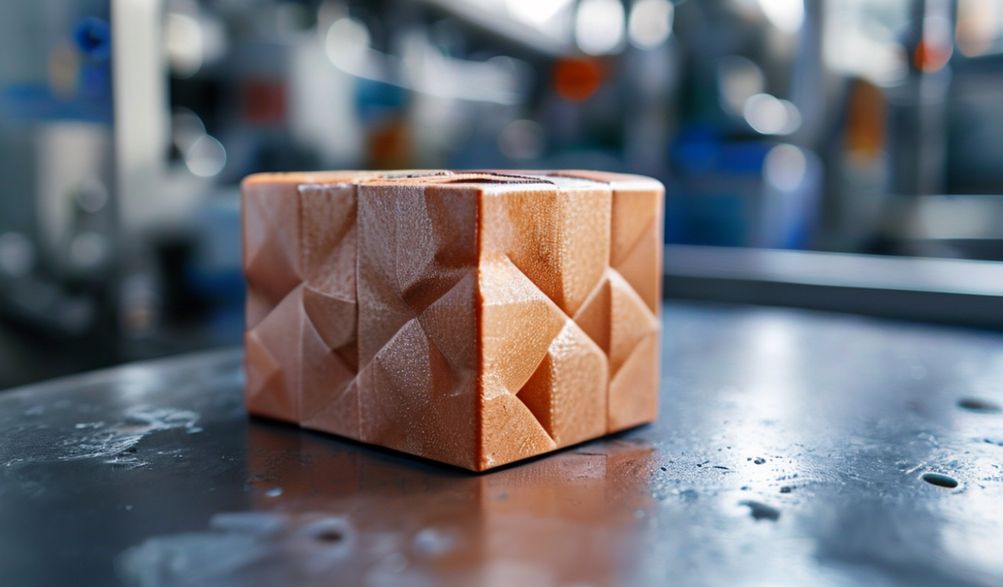
The Ultimate Guide to LEGO House Brick Moulding Machines: From Concept to Creation
ການແນະນຳ
Imagine building a life-sized, structurally sound house with interlocking plastic bricks. This isn’t fantasy; it’s the innovative frontier of construction, powered by specialized brick moulding machines. Around the globe, architects, engineers, and sustainability advocates are turning to modular, dry-stack systems to tackle challenges from housing shortages to plastic waste.
This movement goes far beyond a simple childhood analogy. We are witnessing the rise of serious construction methodologies that prioritize speed, sustainability, and circular economy principles. At the heart of this revolution lies a piece of highly specialized industrial equipment: the LEGO house brick moulding machine.
This guide delves deep into the world of these fascinating machines. We’ll move past the surface-level concept and explore the intricate engineering, operational realities, and market considerations. You’ll learn how they work, their undeniable benefits, the different types available, and what it truly takes to produce construction-grade interlocking bricks from plastic.
Drawing on insights from mechanical engineering, sustainable construction practices, and manufacturing expertise, this guide is designed to be your authoritative resource. We prioritize factual, practical information to help you understand the complexities and opportunities of this transformative technology.
What is a LEGO House Brick Moulding Machine?
At its core, a LEGO house brick moulding machine is an industrial-scale injection moulding press specifically engineered to produce large, durable building components. Understanding its nature is the first step in separating viable construction technology from mere novelty.
Defining the Technology: Beyond Toy Manufacturing
It’s crucial to distinguish these machines from their toy-making cousins. While the fundamental principle of injection moulding is similar, the scale, force, and precision required are of a different magnitude.
* Industrial Scale: These machines are built to handle high volumes of material and exert immense clamping force to produce dense, void-free bricks.
* Construction-Grade Output: The end product is not a toy, but a structural module designed to bear loads, withstand weathering, and interlock with precision for wall integrity.
* ຄວາມຍືດຫຍຸ່ນຂອງວັດສະດຸ They are often designed to process recycled plastic streams, which can be more variable and challenging than virgin plastic resins used in toy manufacturing.
How It Works: The Moulding Process Explained
The transformation from plastic waste to a construction brick is a marvel of precision engineering. Here’s a step-by-step breakdown of the typical cycle:
- ການສະຫນອງວັດສະດຸ: Plastic flakes or pellets (often from recycled sources) are loaded into a hopper.
- Plasticization: The material is fed into a heated barrel. A rotating screw pushes it forward, where friction and heater bands melt it into a viscous liquid.
- Injection: The screw acts as a plunger, injecting the molten plastic at high pressure into a tightly closed, cooled metal mould. This mould is custom-fabricated to the exact shape of the interlocking brick.
- ການເຮັດໃຫ້ເຢັນ ແລະ ການແຂງຕົວ The plastic cools and solidifies inside the mould cavity, taking its precise shape. Cooling time is a critical factor in production speed.
- ການຂັບໄລ່ອອກ The mould opens, and ejector pins push the finished brick out. The machine then closes the mould, and the cycle repeats.
The entire process hinges on achieving the precise pressure, temperature, and cooling time to ensure each brick has consistent dimensions, weight, and—most importantly—clutch power.
ເຄື່ອງຈັກປະກອບດ້ວຍສ່ວນປະກອບຫຼັກຕ່າງໆ
Understanding the major components demystifies the machine’s operation and cost:
* Hopper & Feeding System: The entry point for raw plastic material.
* Heater Barrel and Screw: The heart of the plasticizing unit, responsible for melting and homogenizing the plastic.
* High-Tonnage Clamping Unit: This massive component holds the two halves of the mould shut with immense force (often measured in hundreds of tons) to counteract the injection pressure.
* Precision-Machined Mould (Tool): The single most critical and expensive part. It is typically made from hardened tool steel and defines the brick’s geometry, texture, and interlocking features.
* Hydraulic/Pneumatic System & Control Panel: Provides the power for all movements and houses the computer that controls every parameter of the moulding cycle.
Benefits of Using Interlocking Brick Construction
Why go through the trouble of manufacturing special bricks? The advantages for builders, communities, and the environment are substantial.
Speed and Efficiency of Assembly
This is perhaps the most compelling benefit on the construction site.
* Dry-Stack System: Bricks lock together without mortar. This eliminates mixing, application, and curing times.
* Modular Design: Like LEGO, construction becomes a logical assembly process. Walls can rise rapidly with minimal skilled labor.
* Reduced Complexity: The need for traditional masonry skills is lessened, potentially opening up labor pools and streamlining projects.
Sustainability and Material Use
In an era focused on circular economies, this technology shines.
* Waste Diversion: Machines can utilize 100% recycled plastics, such as HDPE from bottles and containers, diverting waste from landfills and oceans.
* Reusability & Low Waste: Bricks can be disassembled and reused in other projects. There is virtually no on-site construction waste from cutting or mixing.
* Inherent Insulation: Plastic has excellent thermal insulation properties, which can contribute to a building’s energy efficiency.
Durability and Structural Considerations
Naturally, questions about strength and longevity arise. Modern engineering provides answers.
* Engineered Load Distribution: The interlocking design distributes vertical compressive loads efficiently across the wall system.
* Advanced Material Formulations: UV stabilizers prevent degradation from sunlight, and fire-retardant additives can be compounded into the plastic to meet safety standards.
* ຜົນງານທີ່ຖືກພິສູດແລ້ວ When designed and produced correctly, these bricks can achieve compressive strengths suitable for single and multi-story applications, as validated by structural engineers and building codes in various regions.
Types of Machines and Production Scales
Not all brick moulding machines are created equal. The right choice depends entirely on your goals, budget, and intended output.
Small-Scale / Manual Machines
These are entry-level systems, often with significant manual operation.
* Purpose: Ideal for prototyping, product development, educational demonstrations, or producing bricks for very small projects (e.g., garden sheds).
* ຜົນລັບ: Low production volume (a few bricks per hour).
* ການດຳເນີນງານ: Labor-intensive, requiring manual mould clamping, injection, and ejection.
Semi-Automatic Moulding Machines
This category represents the most viable entry point for serious small to medium-scale production.
* Purpose: Starting a commercial brick manufacturing operation or supplying bricks for community-level housing projects.
* ຜົນລັບ: Medium production volume (dozens to hundreds of bricks per shift).
* ການດຳເນີນງານ: The core moulding cycle is automated, but an operator is needed to manage material feeding, remove finished bricks, and monitor quality.
Fully Automatic Production Lines
These are turnkey industrial systems for high-volume manufacturing.
* Purpose: Large-scale commercial production to supply regional construction markets.
* ຜົນລັບ: High volume (hundreds to thousands of bricks per hour).
* ການດຳເນີນງານ: Fully automated with robotic arms for part removal, conveyor systems, and often integrated quality control (e.g., vision systems to check dimensions). They represent a major capital investment.
Critical Considerations Before Investing
Venturing into manufacturing construction bricks is a significant undertaking. Success depends on careful planning in these key areas.
Material Sourcing and Preparation
The machine is just one part of the ecosystem. Your raw material pipeline is equally critical.
* Consistent Supply: Securing a reliable, clean stream of specific recycled plastics (like HDPE) is an ongoing logistical challenge.
* Upstream Processing: Recycled plastic rarely arrives ready-to-mould. You will likely need ancillary equipment: shredders, washers, dryers, and pelletizers to prepare the material, adding cost and complexity.
Mould Design and Customization
The mould is the soul of your product. Compromising here guarantees failure.
* ວິສະວະກຳຄວາມຊັດເຈນ Moulds require sophisticated CAD design and CNC machining to create the precise interlocking features and ensure proper material flow.
* Cost & Lead Time: A single, high-quality mould for a complex brick design can cost tens of thousands of dollars and take months to fabricate. It is a long-term asset.
* ວັດສະດຸ Moulds must be made from hardened tool steel to withstand the abrasive nature of some recycled plastics and the high-pressure cycles.
Operational Costs and ROI Analysis
A clear-eyed financial model is essential. Key cost factors include:
* Capital Expenditure: Machine, mould(s), and material preparation equipment.
* ວັດຖຸດິບ Cost of processed recycled plastic pellets.
* Utilities: Significant energy consumption for heating plastic and running hydraulic systems.
* Labor & Maintenance: Skilled operators and routine maintenance are ongoing costs.
* Production Reality: Calculate your realistic output (bricks/hour), then factor in all costs to determine your cost per brick. Compare this to the market price for similar building materials to gauge viability.
FAQ: Your Questions Answered
Q1: Are houses made from these plastic bricks really strong and safe?
A: Yes, when the system is properly engineered. The bricks are designed for compressive strength, and complete wall systems and structures can be engineered to meet regional building codes. Safety is addressed through material science (fire-retardant additives) and professional structural design. Any construction project must be reviewed and approved by a licensed structural engineer.
Q2: What kind of plastic is best for making construction bricks?
A: High-Density Polyethylene (HDPE) and Polypropylene (PP) are the most common. They offer an excellent balance of durability, impact resistance, and UV stability. Crucially, they are widely available in recycled post-consumer streams (e.g., milk jugs, shampoo bottles, food containers).
Q3: Can I start this business with a small budget?
A: The entry barrier is substantial. This is not a typical small workshop venture. Beyond the moulding machine itself, significant investment is required for moulds, material processing equipment, and a suitable industrial space. Thorough technical and business planning, and often significant capital, are prerequisites for success.
Q4: How do I find a reliable machine supplier?
A: Seek out established manufacturers with proven expertise in industrial injection moulding, particularly those familiar with processing recycled materials. Avoid suppliers who only make toy machines. Always:
* Request and check client references.
* Ask for details about their mould-making process and capabilities.
* Be highly skeptical of suppliers making unrealistic claims about output, material flexibility, or requiring no technical knowledge.
The Future of Modular Construction
The technology behind LEGO-style brick manufacturing is not static; it’s rapidly evolving alongside global needs.
Technological Advancements on the Horizon
- Smarter Machines: Integration of IoT sensors for real-time monitoring of machine health, predictive maintenance, and optimization of cycle times for energy efficiency.
- Advanced Composites: Research into mixing plastics with natural fibers, mineral fillers, or other polymers to create composites with enhanced strength, fire resistance, and reduced thermal expansion.
Addressing Global Housing Challenges
- Rapid Deployment: The potential for quickly assembling durable shelter in disaster relief scenarios or refugee settlements is immense.
- Circular Economy Model: This technology represents a powerful closed-loop solution: taking plastic waste from a community and transforming it into that community’s housing infrastructure, creating jobs and assets from liabilities.
ສະຫຼຸບ
LEGO house brick moulding machines represent a fascinating and potent synthesis of advanced manufacturing and sustainable construction ideology. They offer tangible, compelling benefits: radically faster build times, a powerful solution to plastic pollution, and a path toward more accessible housing.
However, this guide underscores a crucial point: success in this field demands respect for its complexity. It requires serious engineering understanding, a significant upfront investment, and meticulous attention to material science, mould design, and production quality. It is far from a simple “get-rich-quick” scheme.
Embarking on this path demands thorough research and professional guidance. We have provided a foundational, expert overview to inform your next steps—whether that’s deeper technical study into polymer behavior, contacting engineering firms specializing in modular design, or connecting with industry associations focused on innovative and sustainable building.
Call to Action: Continue your research by seeking out academic studies on “polymer composites in construction” and “structural behavior of interlocking dry-stack systems.” If you are serious about moving forward, your first consultation should be with a mechanical engineer who specializes in injection moulding and a structural engineer familiar with alternative building systems.
<