
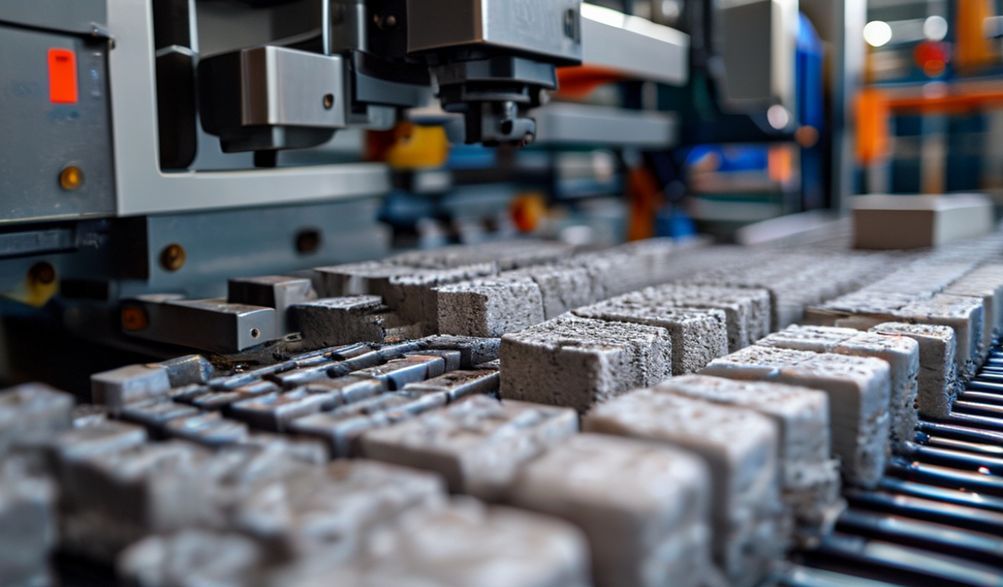
ຄູ່ມືລາຄາເຄື່ອງຜະລິດດິນຈີ່ປີ 2026: ຄ່າໃຊ້ຈ່າຍ, ປະເພດ ແລະ ຄຳແນະນຳການຊື້
ການຊອກຫາເຄື່ອງຈັກກໍ່ສ້າງບລັອກທີ່ເໝາະສົມສາມາດເຮັດໃຫ້ຮູ້ສຶກຫຍຸ້ງຍາກ, ໂດຍສະເພາະເມື່ອລາຄາມີການປ່ຽນແປງຫຼາຍແລະທ່ານບໍ່ແນ່ໃຈວ່າທ່ານຈ່າຍເງິນໄປສຳລັບຫຍັງ. ທ່ານເຫັນລາຄາປະມານຕັ້ງແຕ່ບໍ່ເທົ່າໃດພັນໂດລາໄປຈົນເຖິງຫຼາຍແສນໂດລາ, ແລະມັນຍາກທີ່ຈະຮູ້ວ່າຄວາມແຕກຕ່າງນັ້ນມາຈາກໃສ ຫຼື ມັນຫມາຍຄວາມວ່າແນວໃດຕໍ່ທຸລະກິດຂອງທ່ານ.
ຄູ່ມືທີ່ສົມບູນນີ້ຖືກສ້າງຂຶ້ນຈາກການວິເຄາະອຸດສາຫະກໍາ, ຂໍ້ມູນຈາກຜູ້ຜະລິດ, ແລະຄວາມເຂົ້າໃຈທາງປະຕິບັດເພື່ອຕັດສິນໃຈໃນຄວາມສັບສົນ. ພວກເຮົາຈະເປີດເຜີຍຄວາມລັບຂອງລາຄາເຄື່ອງຈັກກໍ່ອິດບລັອກພື້ນທີ່, ຊ່ວຍໃຫ້ທ່ານຍ້າຍຈາກການປຽບທຽບລາຄາງ່າຍໆ ໄປສູ່ການຕັດສິນໃຈລົງທຶນທີ່ສະຫລາດ. ການເຂົ້າໃຈປັດໃຈເຫຼືອງຫຼັງປ້າຍລາຄາແມ່ນຂັ້ນຕອນທຳອິດໃນການຮັບປະກັນເຄື່ອງຈັກທີ່ສົ່ງຜົນຕອບແທນການລົງທຶນ (ROI) ທີ່ແທ້ຈິງ.
ໃນຄູ່ມືນີ້, ທ່ານຈະໄດ້ຮຽນຮູ້:
* ເຄື່ອງຈັກປະເພດຫຼັກແລະເງື່ອນໄຂລາຄາທີ່ພົບເຫັນທົ່ວໄປຂອງພວກມັນ.
* ປັດໄຈດ້ານເຕັກນິກ ແລະ ການຄ້າທີ່ກໍານົດລາຄາ
* ວິທີຄິດໄລ່ການລົງທຶນທັງໝົດທີ່ແທ້ຈິງຂອງທ່ານ ເທິງເກີນລາຄາສະຕິກເກີ.
* ຍຸດທະສາດທີ່ສາມາດນຳໄປປະຕິບັດໄດ້ເພື່ອໃຫ້ໄດ້ຄຸນຄ່າທີ່ດີທີ່ສຸດສຳລັບງົບປະມານສະເພາະຂອງທ່ານ.
ຂໍໃຫ້ສ້າງພື້ນຖານທີ່ເຂັ້ມແຂງໃຫ້ແກ່ການຕັດສິນໃຈຊື້ຂອງທ່ານ.
ການທຳຄວາມເຂົ້າໃຈກ່ຽວກັບປະເພດເຄື່ອງຈັກອັດດິນເຜົາແລະຜົນກະທົບຕໍ່ລາຄາ
ປັດໄຈດຽວທີ່ມີອິດທິພົນຫຼາຍທີ່ສຸດຕໍ່ລາຄາເຄື່ອງຈັກກໍ່ອິດບລັອກມັນແມ່ນປະເພດ ແລະ ລະດັບການອັດຕະໂນມັດຂອງມັນ. ການເລືອກປະເພດທີ່ເຫມາະສົມສຳລັບການດຳເນີນງານຂອງທ່ານແມ່ນສຳຄັນຫຼາຍ, ເພາະການຊື້ເຄື່ອງຈັກທີ່ຫຼາຍເກີນໄປຈະເຮັດໃຫ້ເສຍທຶນ, ໃນຂະນະທີ່ການຊື້ເຄື່ອງຈັກທີ່ໜ້ອຍເກີນໄປຈະຂັດຂວາງການຂະຫຍາຍຕົວ. ນີ້ແມ່ນການແບ່ງປະເພດຕົ້ນຕໍຂອງເຄື່ອງຈັກ.
ເຄື່ອງຈັກກໍ່ສ້າງບລັອກ/ກ້ອນດິນຈີ່ດ້ວຍມື
ເຫຼົ່ານີ້ແມ່ນຫົວໜ່ວຍພື້ນຖານທີ່ສຸດໃນການຜະລິດບລັອກ. ການດຳເນີນງານແມ່ນອີງໃສ່ແຮງງານມະນຸດຢ່າງຫຼວງຫຼາຍໃນການປະສົມ, ການໃສ່ວັດຖຸດິບ, ການອັດແໜ້ນ (ມັກຈະໂດຍຜ່ານຄານ) ແລະ ການເອົາບລັອກທີ່ຜະລິດແລ້ວອອກ.
- ລາຄາທົ່ວໄປ:$500 – $5,000
- ດີທີ່ສຸດສຳລັບ:ຜູ້ປະກອບການບຸກຄົນ, ສະຖາບັນກໍ່ຕັ້ງທີ່ມີຂະໜາດນ້ອຍຫຼາຍ, ໂຄງການຊຸມຊົນ, ຫຼື ການຜະລິດບໍລິການພິເສດໃນປະລິມານຕ່ຳ. ພວກເຂົາເຈົ້າເປັນຈຸດເລີ່ມຕົ້ນທີ່ມີຄວາມສ່ຽງຕ່ຳ.
- ຂໍ້ຄວນພິຈາລະນາຫຼັກ:ຂະນະທີ່ລາຄາເຄື່ອງຈັກກໍ່ອິດບລັອກຢູ່ທີ່ນີ້ຕ່ຳທີ່ສຸດ, ຄ່າແຮງງານທາງດ້ານຮ່າງກາຍ ແລະ ຜົນຜະລິດຕ່ຳ (ຕົວຢ່າງ, 100-500 ບລັອກຕໍ່ມື້) ມີຜົນກະທົບຢ່າງຫຼວງຫຼາຍຕໍ່ຕົ້ນທຶນຕໍ່ຫົວໜ່ວຍ ແລະ ຄວາມສາມາດໃນການຂະຫຍາຍຂະໜາດ.
ເຄື່ອງຈັກກໍ່ສ້າງບລັອກແບບກົງຈັກກໍາກັບມື
ໝວດໝູ່ນີ້ສະຫຼັບກັນລະຫວ່າງການຊັກຈັກອັດຕະໂນມັດແລະຄ່າໃຊ້ຈ່າຍ. ເຄື່ອງຈັກໄດ້ຮັບພະລັງງານໄຟຟ້າພ້ອມກັບມໍເຕີສັ່ນແລະລະບົບໄຮໂດຼລິກທີ່ຕິດຕັ້ງໃນຕົວເພື່ອອັດສ່ວນປະສົມຄອນກຣີດ. ຍັງຈຳເປັນຕ້ອງມີຜູ້ປະຕິບັດງານເພື່ອໃສ່ວັດສະດຸແລະເອົາບລັອກອອກ, ແຕ່ຂະບວນການສ້າງຮູບແບບຫຼັກແມ່ນເຮັດໂດຍເຄື່ອງຈັກ.
- ລາຄາທົ່ວໄປ:ເງິນ 5,000 – 25,000 ໂດລາ
- ດີທີ່ສຸດສຳລັບ:ທຸລະກິດຂະໜາດນ້ອຍຫາກາງທີ່ມີຈຸດປະສງທີ່ຈະຮັກສາຄຸນນະພາບທີ່ສອດຄ່ອງ ແລະ ຜະລິດຕະພັນໄດ້ຫຼາຍກວ່າເຄື່ອງຈັກທີ່ໃຊ້ແຮງຄົນ (ຕົວຢ່າງ: 1,000 – 3,000 ກ້ອນຕໍ່ມື້).
- ຂໍ້ຄວນພິຈາລະນາຫຼັກ: You pay for reliability and consistency. The ລາຄາເຄື່ອງຈັກກໍ່ອິດບລັອກ increase over manual models buys you reduced labor fatigue and more uniform product quality.
ເຄື່ອງຈັກຜະລິດບລັອກອັດຕະໂນມັດເຕັມຮູບແບບ
These are industrial-grade production lines. They feature computerized (PLC) controls and automate the entire process: batching, mixing, conveying, molding, curing, stacking, and palletizing. They represent the peak of output and efficiency.
- ລາຄາທົ່ວໄປ: $25,000 – $150,000+
- ດີທີ່ສຸດສຳລັບ: Large-scale commercial plants, construction companies supplying major projects, and businesses where high output (10,000+ blocks per day) and minimal direct labor are critical for ROI.
- ຂໍ້ຄວນພິຈາລະນາຫຼັກ:ພຣະອົງລາຄາເຄື່ອງຈັກກໍ່ອິດບລັອກ is a major capital expenditure, justified by massive scale, unparalleled consistency, and the lowest per-unit labor cost. Support and service contracts are vital.
Mobile Block Machines
Built on trailers or skids, these machines are designed for on-site production. They are typically diesel-powered and allow you to manufacture blocks directly at a construction site, eliminating transport costs for finished products.
- ລາຄາທົ່ວໄປ: $10,000 – $50,000
- ດີທີ່ສຸດສຳລັບ: Construction firms working on large, remote, or ongoing projects (like housing developments). The value is in logistics savings, not just the machine’s output.
- ຂໍ້ຄວນພິຈາລະນາຫຼັກ:ພຣະອົງລາຄາເຄື່ອງຈັກກໍ່ອິດບລັອກ includes a premium for portability and self-contained operation. Output is usually in the semi-automatic range, but the value proposition is unique.
Key Factors That Determine Block Brick Machine Price
Within each machine type, prices can still vary significantly. Two semi-automatic machines with the same stated output can have very different price tags. Here’s what drives those differences.
ກຳລັງການຜະລິດ ແລະ ຜົນຜະລິດ
This is the most direct cost driver. Capacity is measured in blocks per hour or per cycle.
* A machine producing 1,000 solid blocks per 8-hour shift will cost substantially less than one producing 5,000.
* Higher output requires a more powerful motor, a larger and more robust frame, stronger vibration systems, and faster hydraulics—all adding to the ລາຄາເຄື່ອງຈັກກໍ່ອິດບລັອກ.
Automation Level & Technology
The sophistication of the control system is a major price factor.
* Basic Relay Controls vs. PLC (Programmable Logic Controller): A PLC allows for precise control over vibration time, pressure, and cycle sequences, improving quality and repeatability. It adds cost.
* ຄຸນນະພາບຂອງລະບົບໄຮໂດຼລິກ: The brand, precision, and durability of pumps, valves, and cylinders impact both price and long-term maintenance costs.
* Vibration Technology: High-frequency, multi-directional vibration systems ensure better compaction and block density but are more complex and expensive.
Machine Build Quality & Durability
This is where hidden value—or future cost—lies.
* Steel Grade & Fabrication: Machines built from high-grade, thick steel plate resist wear and deformation far longer than those from lighter materials. Look at weld quality and structural design.
* Component Brands: Machines using internationally recognized brands for bearings, seals, motors (e.g., Siemens, Schneider, WEG) typically command a higher ລາຄາເຄື່ອງຈັກກໍ່ອິດບລັອກ due to proven reliability and easier part sourcing.
* Craftsmanship: Precision machining of molds and core parts reduces downtime and wear.
Mold Type & Customization
The mold defines the block you produce.
* Standard Molds: For common blocks (e.g., 4″, 6″, 8″ hollow blocks) are usually included.
* Custom Molds: For interlocking pavers, specialty shapes, or unique sizes add significant cost due to design and machining.
* Mold Changing Systems: The ability to quickly switch between molds (manual vs. automated) is a feature that increases the base ລາຄາເຄື່ອງຈັກກໍ່ອິດບລັອກ but adds production flexibility.
Brand Reputation & After-Sales Support
A reputable brand’s price often includes intangible but critical value.
* Warranty: Comprehensive, long-term warranties reduce your risk.
* Technical Support & Training: On-site installation help and operator training ensure you get productive faster.
* Spare Parts Availability: A global parts network means less downtime. This support ecosystem justifies a price premium over a “no-name” supplier.
Beyond the Sticker Price: Calculating Your True Investment
Thinking only about the purchase price is the most common mistake. A savvy buyer evaluates the Total Cost of Ownership (TCO) and the potential Return on Investment (ROI).
Initial Purchase Price Breakdown
The invoice should be transparent. Ensure you understand what the quoted ລາຄາເຄື່ອງຈັກກໍ່ອິດບລັອກ includes:
* Ex-Works (EXW): Price at the factory gate. You handle all shipping, insurance, and import duties.
* FOB (Free On Board): Price includes delivery to the port and loaded onto the ship. You handle sea freight and destination costs.
* CIF (Cost, Insurance, Freight): Price includes delivery to your nearest port. You handle import duties and inland transport.
* Installation & Commissioning: Are these services included or extra?
Operating & Maintenance Costs
These recurring costs directly affect your profit margins.
* ການນຳໃຊ້ພະລັງງານ A more efficient motor may have a higher upfront cost but saves significantly on electricity over 5-10 years.
* ការងារ A fully automatic line may have a high ລາຄາເຄື່ອງຈັກກໍ່ອິດບລັອກ but requires only 1-2 operators. A manual machine is cheap but needs several workers for meaningful output.
* Preventive Maintenance: Regular costs for lubricants, filters, and wear parts.
* Spare Parts: Investigate the cost and lead time for key spare parts before you buy.
Raw Material Considerations & Cost
The machine can affect your material efficiency.
* Some advanced machines can produce high-quality blocks with a lower cement ratio or use a higher percentage of fly ash (a cheaper industrial byproduct), reducing your raw material cost per block.
Analyzing Return on Investment (ROI)
This is your ultimate financial guide. A simplified framework:
ROI = (Estimated Annual Revenue from Block Sales - Total Annual Costs) / Total Initial Investment
- Scenario A: You buy a $8,000 semi-automatic machine. Output is limited, labor cost per block is higher, and maintenance is frequent. Annual profit: $15,000.
- Scenario B: You invest $35,000 in a robust automatic machine. Output is high, labor cost per block is low, and uptime is better. Annual profit: $80,000.
ຂະນະທີ່ລາຄາເຄື່ອງຈັກກໍ່ອິດບລັອກ in Scenario B is much higher, its ROI and payback period are likely far superior. Always run the numbers for your specific market and block prices.
How to Get the Best Value for Your Budget
Armed with knowledge, you can now shop strategically. Follow these steps to avoid overpaying and ensure you get a machine that meets your needs.
Define Your Exact Needs First
Never start by asking for a price. Start with a specification sheet for your business:
* Required Daily/Weekly Output: Be realistic about current and near-future needs.
* Block Types & Sizes: List all products you need to make now and possibly in the next 3-5 years.
* Available Space & Power: What are your factory’s constraints?
* Available Labor & Skill Level: Can you operate and maintain a complex PLC system?
Research & Compare Suppliers Thoroughly
Due diligence is non-negotiable.
* Check Certifications: Look for ISO, CE, or other relevant quality management certifications.
* Seek Customer Reviews & References: Ask for contact information for clients in your region and actually call them. Ask about machine performance and after-sales service.
* Visit the Factory (or Take a Virtual Tour): Seeing the manufacturing facility speaks volumes about their capability and quality control.
Request Detailed Quotations & Scrutinize Them
A professional quote is a detailed document. It should include:
* Complete Technical Specifications: Motor power, cycle time, hydraulic pressure, mold dimensions, etc.
* Clear Commercial Terms: EXW, FOB, or CIF? Payment terms?
* Packaging & Shipping Details.
* Warranty Terms & Scope: What is covered, for how long, and what is excluded?
* List of Included Spare Parts & Tools.
* After-Sales Service Offer: Training, remote support, on-site service costs.
The Importance of Testing & Trials
If possible, this is the best way to verify claims.
* Request a Live Video Demonstration of the exact model you’re considering.
* Ask if you can send your raw materials (cement, aggregate) for a production trial at the factory. The resulting block quality will tell you everything.
* For high-value purchases, plan a factory visit to see the test in person.
Frequently Asked Questions (FAQ) About Block Brick Machine Prices
Q1: What is the cheapest type of block making machine?
A: Manual block making machines have the lowest upfront ລາຄາເຄື່ອງຈັກກໍ່ອິດບລັອກ, often starting under $1,000. However, “cheapest” is misleading. Their high labor requirement and low output make the cost per block potentially higher than more automated options when you factor in wages.
Q2: Can I get a good automatic block machine under $20,000?
A: You can find basic semi-automatic machines with some automated features (like automatic vibration and hydraulic compression) in this range, often from manufacturers in certain regions. Be exceptionally diligent about build quality and after-sales support at this price point. A true, fully automatic production line is almost always above this threshold.
Q3: Are used block brick machines a good way to save money?
A: They can be, but they carry risk. The potential savings on the ລາຄາເຄື່ອງຈັກກໍ່ອິດບລັອກ must be weighed against:
* Hidden wear and tear on critical components like the hydraulic system and mold.
* Outdated technology that may be less efficient or harder to maintain.
* Lack of warranty or manufacturer support.
Always insist on a thorough inspection by a qualified technician before purchase.
Q4: Does a higher price always mean better quality?
A: Generally, yes—you get what you pay for in terms of materials, components, and engineering. However, a higher price doesn’t guarantee better quality. Distinguish between:
* Premium Quality: Justified by superior components, design, and support.
* Brand Markup: Paying for a well-known, trusted name with a proven track record.
* Overpricing: Poor value due to middlemen or inefficient suppliers. Your research is key to telling the difference.
Q5: What hidden costs should I watch out for?
A: The main hidden costs that inflate the true ລາຄາເຄື່ອງຈັກກໍ່ອິດບລັອກ are:
* Proprietary Spare Parts: Parts that are only available from the original supplier at inflated prices.
* High-Energy Motors: An inefficient power system that increases your operating costs daily.
* Complex Installation: Needing a specialist fly-in engineer for setup at a high daily rate.
* Inadequate After-Sales Service: Leading to prolonged downtime that costs you more than the machine itself.
ສະຫຼຸບ
Navigating the ລາຄາເຄື່ອງຈັກກໍ່ອິດບລັອກ spectrum is about understanding that cost is a reflection of capability, durability, and long-term value. The “right” price isn’t the lowest one; it’s the one that aligns with your production goals, offers a strong ROI, and comes from a supplier who will be a partner for years to come.
Remember, this purchase is a strategic business investment, not just an equipment buy. The time you invest in research, defining needs, and vetting suppliers is a critical part of that investment’s success. It protects you from costly mistakes and sets your block-making operation on a path to profitability.
Ready to take the next step? Use the insights and checklists in this guide to prepare a detailed request for quotation (RFQ) and start conversations with reputable suppliers. Your informed approach will be your greatest advantage in securing the best possible value.
<