
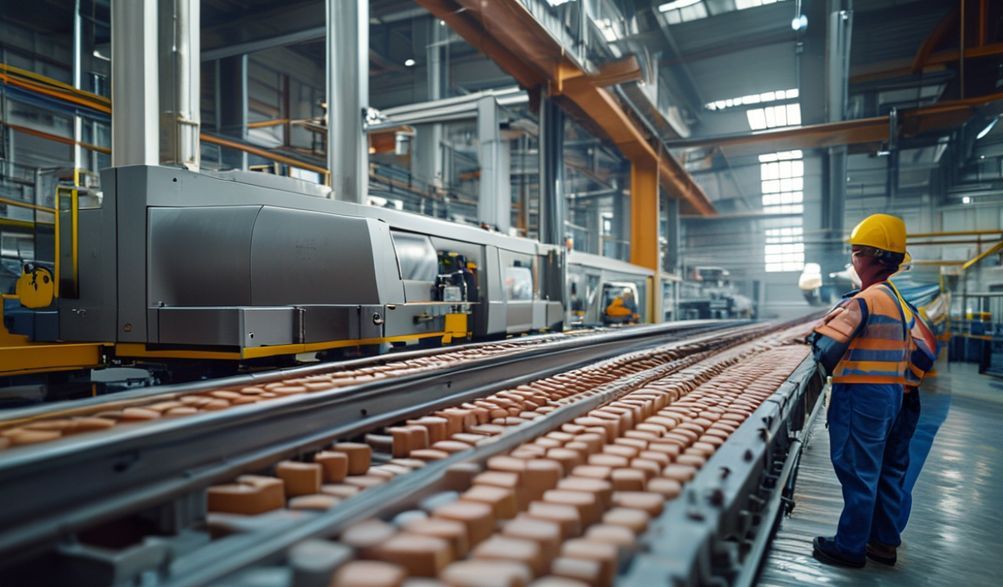
Your Ultimate Guide to Block & Brick Machine Factories: How to Choose a Reliable Partner
The foundation of any durable building, road, or pavement begins with precisely manufactured blocks and bricks. For entrepreneurs, construction companies, and industrial developers, selecting the right block brick machine factory is a critical, high-stakes decision. It impacts everything from daily productivity and product quality to your long-term profitability and brand reputation.
With countless manufacturers worldwide claiming to offer the best solutions, cutting through the noise is challenging. This definitive guide is designed to be your comprehensive resource. We move beyond simple listings to leverage deep industry expertise, walking you through the essential factors, technical considerations, and due diligence required to identify a reliable, authoritative, and trustworthy block brick machine factory for your specific project needs.
Understanding Block and Brick Manufacturing Machinery
Before evaluating factories, you need a foundational understanding of the machinery itself. This knowledge is crucial for asking the right questions and assessing a manufacturer’s technical depth.
Core Types of Machines: From Manual to Fully Automated
Block and brick machines are categorized by their operation style and mobility. The right choice depends entirely on your production goals and budget.
- ເຄື່ອງຈັກກ້ອນບລັອກຄົງທີ່: These are fixed, high-output machines ideal for setting up a permanent plant. They produce large quantities of blocks, pavers, and curbstones on a solid factory floor.
- ເຄື່ອງຈົກຕັນມືຖື Also known as egg-layers or mobile pavers, these machines move on wheels along a casting surface. They are excellent for on-site production or smaller operations, laying blocks directly onto the ground.
- Paving Brick Machines: A specialized subset, these are engineered to produce high-precision, high-strength interlocking concrete pavers with a fine finish. They often feature sophisticated vibration and handling systems.
Furthermore, production scales vary dramatically:
- ຄູ່ມື/ການຄວບຄຸມກົງເຄື່ອງກາງ: Require more labor for feeding materials and removing finished products. Lower initial investment, suitable for small-scale or start-up ventures.
- ຕົ້ນໄມ້ອັດຕະໂນມັດທັງໝົດ: These are complete systems with automated material batching, mixing, conveying, block molding, curing, and palletizing. They maximize output with minimal labor and represent a significant, high-efficiency investment.
Key Machine Components and Their Impact on Quality
The durability and performance of a block machine hinge on its core components. A factory that uses superior parts builds a more reliable and productive machine.
- ລະບົບການສັ່ນສະເທືອນ: The heart of compaction. A powerful, well-engineered vibration system (often using multiple synchronized vibrators) ensures optimal density and strength, reducing voids and defects in the final block.
- ລະບົບນ້ຳມັນເຄື່ອງ: Responsible for the pressing force and mold movements. Robust, brand-name hydraulic pumps, valves, and cylinders provide consistent pressure, smooth operation, and longevity, preventing leaks and downtime.
- ລະບົບຄວບຄຸມ: The brain of the operation. A modern, programmable logic controller (PLC) with a user-friendly interface allows for precise control over vibration time, pressure, and cycle times, ensuring consistent product quality.
- Mold Quality: The mold defines the block’s shape and surface finish. High-hardness, precision-machined steel molds (like Cr12 or similar) resist wear, produce blocks with sharp edges, and have a much longer service life.
Essential Criteria for Evaluating a Factory’s Expertise
A factory’s claims are only as good as its proven capabilities. Here’s how to assess their genuine expertise and experience.
Manufacturing History and Industry Experience
Longevity in the industry is a strong, initial trust signal. It suggests resilience, accumulated knowledge, and a proven ability to adapt to market changes.
- Why It Matters: A factory with 20+ years of experience has likely navigated various material trends, technical challenges, and economic cycles. This depth translates into more reliable machine design and practical problem-solving ability.
- How to Research: Scrutinize their “About Us” section. Look for a clear company history. Request a portfolio of past projects, paying attention to the scale and location of installations. A factory that has successfully executed projects in demanding environments is a positive indicator.
In-House R&D and Engineering Capabilities
The best factories don’t just assemble parts; they innovate and improve. In-house research and development (R&D) is a hallmark of a leader.
- The Importance of Innovation: Technology evolves. A dedicated R&D team works on improving vibration efficiency, reducing energy consumption, integrating smarter controls, and developing new product capabilities.
- Signs of Investment: Look for evidence of custom engineering. Can they modify a standard machine to suit your unique raw materials or product specifications? Do they hold patents for specific technologies? Factories that publish technical papers or have active engineering collaborations demonstrate authoritative expertise.
Quality Control Processes and Certifications
Formal quality management systems are non-negotiable for a serious manufacturer. They provide a framework for consistency.
- Certifications:ໜຶ່ງISO 9001 certification is a fundamental benchmark. It indicates the factory has documented processes for design, production, installation, and service. Other relevant certifications might include CE (for the European market) or specific safety standards.
- Factory Audits: Inquire about their QC protocol. Do they perform incoming inspections on raw materials (e.g., steel plate, hydraulic components)? What are the testing procedures at each assembly stage? A factory that welcomes questions about its QC process is typically confident in its systems.
Assessing Authoritativeness and Market Reputation
Expertise must be validated by the market. A factory’s reputation is built on the success of its clients and its standing among peers.
Client Testimonials, Case Studies, and Global Reach
Third-party validation is powerful. Move beyond generic testimonials to seek substantive proof.
- Analyzing Case Studies: A strong case study should detail the client’s challenge, the solution provided (specific machine model), and the quantifiable results (e.g., “increased production to 10,000 blocks per shift”). Look for projects similar in scale and complexity to yours.
- Global Reach: A diverse, international client base suggests adaptability and reliability. A factory with machines operating successfully across different continents has proven its equipment can handle varied climates, material qualities, and operational practices.
Industry Recognition and Partnerships
Recognition from industry bodies and alliances with leading technology providers are strong authoritativeness signals.
- Awards and Trade Shows: Has the factory received awards from construction or manufacturing associations? Regular participation and exhibition at major international trade shows (like bauma Munich, BAUMA CONEXPO AFRICA, or INTERMAT) demonstrate market engagement and confidence.
- Strategic Partnerships: Check if the factory uses and publicly partners with renowned component suppliers. For instance, advertising “Siemens PLCs” or “Bosch Rexroth hydraulics” shows a commitment to quality sourcing and often provides access to global service networks for those components.
Building Trust: Transparency and After-Sales Support
This is where many factories are separated from true partners. Trust is built on transparency and a long-term commitment to your success.
Comprehensive After-Sales Service: Beyond the Sale
The service package is as important as the machine itself. It must be detailed and guaranteed.
- The Must-Haves:
- Installation Supervision: Sending engineers to your site for assembly and commissioning.
- Operator & Maintenance Training: Hands-on training for your team on operation, daily maintenance, and basic troubleshooting.
- Clear Warranty: A written warranty (typically 12-18 months) covering defects in materials and workmanship, with explicit terms for part replacement.
- Spare Parts Availability: A commitment to stocking critical spare parts and a clear process for ordering them. Ask about their recommended spare parts list for the first year.
Factory Visit and Machine Testing: The Ultimate Verification
If the investment is significant, this step is invaluable. Seeing is believing.
- The Factory Visit: Observe the workshop organization. Is it clean and orderly? Are assembly lines logical? Look at the quality of welding and finishing on machines in production. Engage with the engineers.
- The Live Material Test: This is critical. Provide a sample of your local raw materials (sand, aggregate, cement) and have the factory run a test on a machine similar to your intended model. You will see the block quality, cycle time, and machine operation firsthand. A confident factory will encourage this.
Transparent Contracting and Logistics Support
Clear commercial terms prevent costly misunderstandings and build trust from the outset.
- Contract Clarity: The proforma invoice and contract should explicitly state:
- Incoterms (e.g., FOB, CIF) defining cost and risk responsibilities.
- Detailed payment schedule (e.g., 30% deposit, 70% before shipment).
- Firm delivery timeline for production and shipment.
- Logistics Support: A reliable factory will assist with export documentation, professional container loading (with photos/video as proof), and recommendations for sea freight forwarders. They act as a partner in getting the machine to your port.
Making the Final Decision: Aligning Factory with Project Goals
With technical and reputational assessments complete, align your findings with your specific business objectives.
Matching Machine Output with Your Business Plan
Avoid over- or under-investing by carefully matching capacity to your market.
- Capacity Analysis: Don’t just look at “blocks per hour.” Calculate blocks per shiftແລະblocks per month based on your planned operating hours. Will this meet your current and near-future demand?
- ROI Calculation: Factor in all costs: machine price, shipping, installation, energy consumption, labor costs for the automation level, and maintenance. A slightly more expensive, energy-efficient automatic machine may have a faster ROI than a cheaper, labor-intensive manual one.
The Importance of Raw Material Flexibility
Your local materials are unique. The machine must adapt to them, not the other way around.
- Aggregate Handling: A versatile machine can process a range of materials: river sand, crushed stone, fly ash, slag, and even some waste materials. This protects your business from material scarcity or price fluctuations.
- Mix Design Support: An expert factory will not just sell a machine; they will provide guidance on the optimal mix design (cement-to-aggregate ratios, water content) for your specific materials to achieve the required block strength and finish.
Frequently Asked Questions (FAQ)
Q1: What is the average lead time for receiving a block machine from a factory?
A: Lead times vary significantly based on automation level and customization. Standard models may ship in 15-30 days, while large, fully automatic plants can take 2-4 months for production, testing, and shipment. A trustworthy factory will provide a detailed, contract-bound schedule.
Q2: Can a factory help with plant layout and foundation drawings?
A: Reputable factories with genuine expertise always provide detailed foundation drawings and civil engineering guidance as part of their technical support. This is a key indicator of their professionalism and commitment to your project’s success.
Q3: How do I verify the quality claims made by a machine factory?
A: Request certified test reports for key components (e.g., hydraulic pumps). Insist on a video call live from their workshop or, ideally, visit in person to conduct a material test. Ask for contact information for previous clients in a similar region and follow up with them directly.
Q4: What are the most common hidden costs when importing a block machine?
A: Be aware of costs like sea freight insurance, port clearance charges, local agent fees, inland transportation to your site, and import duties. A transparent factory will help you anticipate these costs upfront.
Q5: What warranty is standard, and what does it typically cover?
A: A standard warranty from an authoritative factory is usually 12-18 months for the main machine, excluding wear parts like mold liners. The warranty should clearly cover defects in workmanship and materials, with terms for part replacement or repair.
ສະຫຼຸບ
Selecting the right block brick machine factory is a decision rooted in careful evaluation of Experience, Expertise, Authoritativeness, and Trustworthiness. It requires looking beyond glossy brochures and price tags to assess manufacturing depth, client-proven results, and a genuine commitment to after-sales support.
By prioritizing factories that welcome scrutiny, provide transparent testing, and offer comprehensive service packages, you do more than purchase a machine—you invest in a reliable partnership for your construction business’s future. The right foundation for your venture, quite literally, starts with choosing the right machinery partner. Conduct your due diligence with patience, and your investment will build value for years to come.
<