
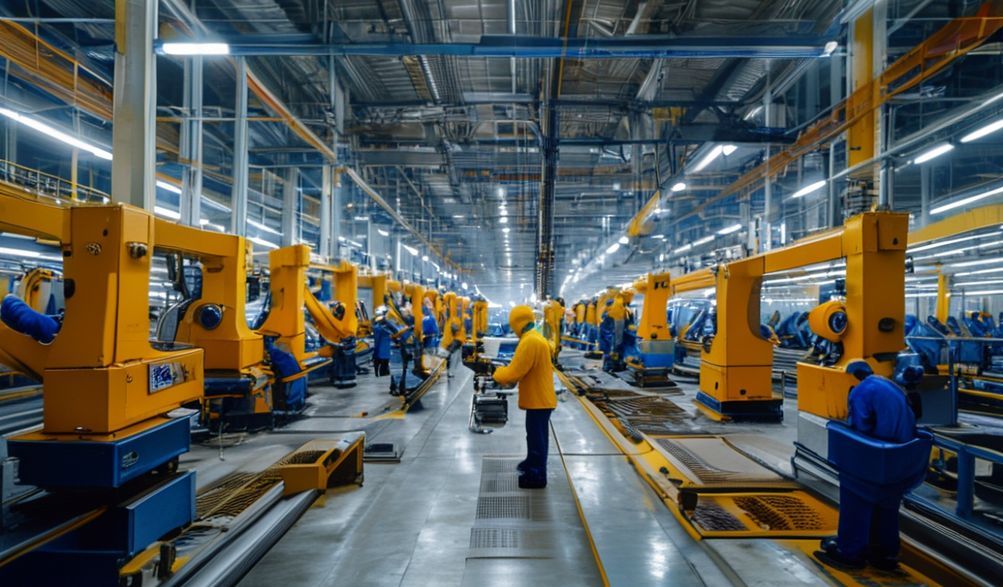
A Buyer’s Guide to China’s Concrete Block Making Machine Factories
ການແນະນຳ
The global construction industry runs on concrete. From affordable housing projects to sprawling urban infrastructure, the demand for reliable, cost-effective building materials is insatiable. At the heart of this supply chain is the humble concrete block—and the machines that make them. For decades, China has solidified its position not just as the world’s factory, but as the undisputed manufacturing hub for construction machinery, including concrete block making machines.
This guide serves as an authoritative, detailed resource for buyers worldwide. Whether you’re a small entrepreneur launching a block yard or a procurement manager for a large construction firm, sourcing from China presents a significant opportunity laden with complexity. Our purpose is to demystify the process. The insights compiled here are based on extensive analysis of industry trends, trade data, manufacturing processes, and the evolving landscape of Chinese industrial exports. We are committed to providing unbiased, factual information to empower your decision-making, helping you navigate toward a successful partnership and away from common, costly pitfalls.
Why Source from China? Understanding the Market Landscape
Choosing a sourcing destination is a strategic decision. China’s dominance in manufacturing concrete block making machines isn’t accidental; it’s the result of systemic advantages that directly benefit international buyers.
Scale and Capacity of Chinese Manufacturing
China’s manufacturing might is concentrated in powerful industrial clusters, each with its own ecosystem of suppliers, skilled labor, and logistical networks.
- Key Industrial Clusters: Major hubs for machinery manufacturing include Fujian (known for a high concentration of block machine manufacturers), ຊານຕຸງ (heavy industry and machinery), and Guangdong (advanced manufacturing and export logistics).
- Unmatched Volume: These clusters contribute to China’s staggering production volume, accounting for a dominant share of global exports. This scale drives competition, innovation, and a vast selection of models and suppliers for buyers to choose from.
Competitive Advantages: Cost-Effectiveness and Technology
The “China price” is often the initial draw, but the value proposition has evolved far beyond just low cost.
- Pricing Structures: Chinese factories typically offer prices 30-50% lower than Western or even some Indian counterparts. This is due to economies of scale, integrated supply chains for components like steel and hydraulics, and competitive domestic labor markets.
- Technological Adoption: Modern Chinese factories are not low-tech workshops. They have rapidly adopted:
- PLC (Programmable Logic Controller) Systems for precise, automated operation.
- Energy-Efficient Designs using variable frequency drives and optimized hydraulic systems.
- Semi and Fully Automatic Production Lines that integrate mixing, conveying, molding, curing, and palletizing.
Product Range and Customization Capabilities
No matter your project scope, a Chinese factory likely builds a machine for it.
- Full Spectrum of Automation: The range extends from simple manual and egg-laying machines to high-output, fully automatic lines producing thousands of blocks per hour.
- Versatility in Block Production: Machines are engineered to produce a wide array of products:
- ບລັອກກົມເປົ່າ
- ບລັອກແຂງ
- Pavers and interlocking bricks
- Curbstones and landscaping products
- Customization: Reputable factories don’t just sell catalog items. They have in-house mold-making workshops and engineering teams to adapt machines for specific block dimensions, designs, or raw material mixes (like high fly-ash content).
How to Identify Reputable Concrete Block Machine Factories in China
With thousands of suppliers online, separating credible manufacturers from middlemen or subpar workshops is the most critical step. This requires diligent verification of credentials and capabilities.
Key Factory Credentials to Verify
Always start with the basics. A legitimate factory will have these documents readily available.
- Business License: Verify the legal business name, registered capital, and scope of business. Tools like China’s National Enterprise Credit Information Publicity System can be used for checks.
- ໃບຢັ້ງຢືນ ISO: ISO 9001 (Quality Management) is a strong indicator of systematic production control. ISO 14001 (Environmental Management) shows a commitment to sustainable operations.
- Years in Operation & Export Experience: A history of 10+ years suggests stability and accumulated know-how. Ask for examples of export destinations similar to your country.
- Patent Holdings & R&D: Patents for machine designs or control systems are a sign of innovation, not just imitation. An active R&D department indicates a forward-looking company.
Evaluating Manufacturing Capability and Quality Control
Credentials on paper are one thing; the reality on the factory floor is another.
- In-House Production vs. Assembly: A true manufacturer controls the core processes: steel cutting/fabrication, machining, welding, assembly, and painting. “Assembly-only” shops are more vulnerable to supply chain and quality inconsistencies.
- Key Components Inquiry: The quality of a machine is defined by its parts. Specifically ask about:
- ລະບົບນ້ຳມັນເຄື່ອງ: Brand and origin of pumps, valves, and cylinders.
- ໝໍ້: Material (e.g., high-chrome steel), heat treatment process, and precision machining.
- ກອບ & ໂຄງສ້າງ Steel grade and welding techniques for durability.
- QC Processes: Inquire about their quality checkpoints. Do they conduct pressure tests on hydraulic systems? Do they have a trial run with materials before shipment? A factory audit report from a previous buyer or a third-party inspector is invaluable.
Assessing After-Sales Service and Support
The relationship begins when the machine ships, not ends. Poor after-sales support can turn a great deal into a nightmare.
- Warranty: Standard warranties are 12-18 months for the machine, with shorter periods for wear parts like molds. Understand exactly what is covered.
- Technical Support: What is provided?
- Detailed electrical and hydraulic diagrams.
- Comprehensive operation and maintenance manuals in English.
- Installation guidance via video call.
- On-site engineer dispatch (costs and visa logistics).
- Spare Parts: Confirm the availability and pricing of critical spare parts. A reliable factory maintains an inventory and can ship parts quickly via air or sea.
A Step-by-Step Guide to the Sourcing Process
A structured approach minimizes risk and maximizes your chances of a successful purchase. Follow these steps methodically.
Step 1: Defining Your Requirements
Clarity here prevents misunderstandings later. Create a detailed specification sheet.
- Capacity: Target output in blocks per hour or per 8-hour shift.
- Block Specifications: Dimensions, type (hollow/solid), and required compressive strength.
- ລະດັບການອັດຕະໂນມັດ Manual, semi-automatic, or fully automatic with palletizing.
- ວັດຖຸດິບ Specify the types of cement, aggregate, and potential additives (fly ash, slag) you will use.
Step 2: Research and Shortlisting
- B2B Platforms: Use Alibaba, Made-in-China, or Global Sources as starting points, but be critical. Look for “Gold Suppliers” or “Assessed Suppliers” with transaction history.
- Factory vs. Trading Company: Aim to contact the factory directly. Trading companies can be useful for logistics but add a layer of cost and can obscure the true manufacturer. Check if the company name on the website matches its factory address.
- Online Analysis: Scrutinize their website for technical details, photos, and videos of the workshop (not just stock images). Look for client testimonials and case studies, especially from your region.
Step 3: Communication and Quotation Analysis
- Essential Questions: Ask about:
- Lead time from order to shipment.
- Details of the warranty and after-sales service.
- Provision of foundation drawings and layout diagrams.
- List of included and excluded items in the price.
- Decoding the Quotation: Understand the terms.
- FOB (Free On Board): You pay for the machine loaded on the ship; you handle shipping and insurance.
- CIF (Cost, Insurance, Freight): They arrange shipping and insurance to your port.
- Payment Terms: Standard is 30% deposit by T/T (Telegraphic Transfer), 70% balance against copy of shipping documents. Be wary of 100% upfront payments.
- Red Flags: Anomalously low prices, vague specifications, reluctance to provide a video call or specific documents, and pressure for immediate payment.
Step 4: Due Diligence and Order Placement
- Virtual Verification: Insist on a live video call to tour the workshop. Ask to see the production floor, assembly lines, and their testing area. Request a video of a machine similar to your order running.
- Third-Party Inspection: For orders over $20,000, hiring an inspection firm like SGS, Bureau Veritas, or Intertek is highly recommended. They can conduct a Pre-Shipment Inspection (PSI) to verify quality, quantity, and function before payment is finalized.
- Contract & PI: Ensure the Proforma Invoice (PI) and final sales contract clearly list all agreed specifications, prices, Incoterms, payment schedule, and warranty terms. Read everything before signing.
Navigating Challenges and Mitigating Risks
Acknowledging potential hurdles allows you to plan around them.
Common Sourcing Risks and How to Avoid Them
- Quality Inconsistency / “Bait-and-Switch”: A sample or demo machine is high-quality, but the shipped product uses inferior components. Mitigation: Detailed contracts, third-party inspection, and video evidence of your specific machine being tested.
- Communication Barriers: Technical details can get lost in translation. Mitigation: Use clear, simple English in written communication. Request technical drawings. Use video calls with screen sharing to point at parts and diagrams.
- Logistics & Customs Delays: Mitigation: Work with a experienced freight forwarder recommended by your supplier or found independently. Understand the import duties and certification requirements (like CE marking) for your country beforehand.
The Importance of Visiting Trade Fairs
If your budget allows, there is no substitute for a factory visit. The next best thing is meeting suppliers at major trade fairs.
- Key Expos: Bauma China (Shanghai) is the premier event for construction machinery. The Canton Fair (Guangzhou) has a dedicated industrial machinery section.
- ຜົນປະໂຫຍດ: You can see, touch, and often see machines running. You can evaluate build quality firsthand and have direct, nuanced technical conversations with factory engineers and managers, building rapport that is hard to achieve online.
FAQ Section
Q1: What is the average price range for a concrete block making machine from China?
A: Prices vary dramatically based on automation and output. A small manual/semi-automatic machine can start from $5,000 – $15,000. A standard stationary semi-automatic machine may range from $25,000 – $50,000. Large, fully automatic production lines with palletizers and handling systems can range from $80,000 to over $200,000. Remember, the cheapest initial price often leads to higher long-term costs through downtime and repairs.
Q2: Can Chinese factories customize machines for specific block designs?
A: Absolutely. Most reputable factories have dedicated mold workshops. You can provide drawings or samples of your desired block (e.g., special interlocking shapes, textures). They will engineer and manufacture the custom mold, though this incurs additional cost and adds 2-4 weeks to the lead time.
Q3: What are the typical payment terms when ordering from China?
A: The most common and balanced term is 30% deposit via T/T (bank transfer) upon signing the contract, with the remaining 70% paid before shipment after you approve pre-shipment photos/videos or an inspection report. For very large orders, terms like LC (Letter of Credit) are sometimes used. Avoid suppliers demanding 100% payment upfront.
Q4: How do I handle machine installation and maintenance?
A: You have several options:
1. Factory-Sent Engineers: The supplier can send technicians to install and commission the machine, typically at an additional cost covering their flights, accommodation, and daily fee.
2. Remote Guidance: With comprehensive manuals and video calls, many buyers successfully install machines with their own local technicians.
3. Local Hire: You can hire a local mechanic or engineer, and the factory can provide remote support to them.
Q5: Are there reliable third-party inspectors you recommend?
A: Yes. Global inspection companies provide standardized, impartial services. The most recognized are:
* SGS (Société Générale de Surveillance)
* Bureau Veritas
* Intertek
Their services include checking material quality, workmanship, assembly, safety, and performing a running test to ensure the machine meets the agreed specifications before it leaves the factory.
ສະຫຼຸບ
Sourcing a concrete block making machine from China is a significant investment that, when done correctly, can provide a formidable competitive advantage through reliable equipment at an excellent value. Success hinges on thorough research, meticulous verification of factory credentials and capabilities, and crystal-clear communication at every stage.
The ultimate goal is not merely a transaction, but to build a long-term partnership with a factory you can trust. Prioritize suppliers who demonstrate reliability, transparency, and a commitment to after-sales support over those offering only the lowest initial price. As China’s manufacturing sector continues to evolve, trends like smart factory integration and a focus on sustainable, green production equipment are becoming more prominent, offering even greater value for forward-thinking buyers.
Use this guide as your checklist. Conduct your due diligence, seek multiple quotes for comparison, and move forward with the confidence that comes from being an informed buyer.
<