
தமிழ்நாட்டில் இடைப்பூட்டு தொகுதி தயாரிக்கும் இயந்திரங்களுக்கான இறுதி வழிகாட்டி (2026)
ການແນະນຳ
டமிழ்நாட்டின் வான்கோடு தொடர்ச்சியான வளர்ச்சிக்கு சான்றாக உள்ளது. சென்னையின் ஐ.டி. கோரிடார்கள் முதல் கோயம்புத்தூரின் தொழில்துறை மையங்கள் மற்றும் விரிவடைந்து வரும் மதுரை மற்றும் திருச்சிராப்பள்ளி நகரங்கள் வரை, கட்டுமானத் துறை வளர்ந்து வருகிறது. இருப்பினும், இந்த வளர்ச்சிக்கு தொடர்ச்சியான சவால்கள் நிழலாக உள்ளன: உயரும் தொழிலாளர் செலவுகள், பாரம்பரிய பொருட்களின் ஏற்ற இறக்க விலைகள், குறிப்பிடத்தக்க கட்டுமானக் கழிவுகள் மற்றும் நிலையான நடைமுறைகளின் அவசரத் தேவை. இப்போது, தமிழ்நாடு எவ்வாறு கட்டுகிறது என்பதை அமைதியாக புரட்சி செய்யும் ஒரு தொழில்நுட்பம் உள்ளது:ເຄື່ອງຈັກຜະລິດບລັອກອິນເຕີລັອກ.
ຄູ່ມືນີ້ຕັດຜ່ານສິ່ງລົບກວນຕ່າງໆ. ລວບລວມຈາກຂໍ້ມູນເລິກເຊິ່ງທາງອຸດສາຫະກຳ, ການວິເຄາະເຕັກນິກກ່ຽວກັບດິນແດງ ແລະ ສະພາບອາກາດທີ່ເປັນເອກະລັກຂອງທາມິນນາດູ, ແລະ ຄວາມເຂົ້າໃຈເລິກເຊິ່ງກ່ຽວກັບມາດຕະຖານການກໍ່ສ້າງທ້ອງຖິ່ນ, ນີ້ແມ່ນແຫຼ່ງອ້າງອີງທີ່ສຳຄັນສຳລັບທ່ານ. ພວກເຮົາຈະສຳຫຼວດວ່າເຕັກໂນໂລຊີນີ້ເຮັດວຽກແນວໃດ, ເປັນຫຍັງມັນຈຶ່ງເໝາະສົມກັບລັດນີ້, ແລະ ຈະໃຫ້ແຜນເສັ້ນທາງທີ່ຊັດເຈນ ແລະ ປະຕິບັດໄດ້ຈິງ ສຳລັບການເລືອກເຄື່ອງຈັກທີ່ຖືກຕ້ອງ ຫຼື ການເລີ່ມທຸລະກິດຜະລິດກ້ອນດິນທີ່ປະສົບຜົນສຳເລັດ ຢູ່ທີ່ນີ້ໃນທາມິນນາດູ.
ເຄື່ອງຈັກກໍ່ສ້າງບລັອກປະສານກັນແມ່ນຫຍັງ?
ຈັກຜະລິດບລັອກຕິດຕໍ່ກັນແມ່ນອຸປະກອນພິເສດທີ່ຖືກອອກແບບມາເພື່ອຜະລິດບລັອກກໍ່ສ້າງທີ່ມີລັກສະນະການອອກແບບແບບກະດູກຕໍ່ກັນທີ່ເປັນເອກະລັກຢູ່ເທິງໜ້າແລະດ້ານລຸ່ມຂອງມັນ. ບລັອກເຫຼົ່ານີ້ຈະຕິດຕໍ່ກັນໄດ້ຢ່າງພ້ອມເປັນຊິ້ນດຽວ, ສ້າງເປັນຝາແຂງແຮງໂດຍບໍ່ຈຳເປັນຕ້ອງໃຊ້ປູນປະກອບ.
ເທັກໂນໂລຊີຫຼັກທີ່ອະທິບາຍ: ການອັດແໜ້ນ ແລະ ການອອກແບບການລໍກັນ
ເຄື່ອງວິເສດຢູ່ໃນຫຼັກການສອງຢ່າງ:ການບີບອັດສູງແລະການອອກແບບທີ່ສະຫຼາດ.
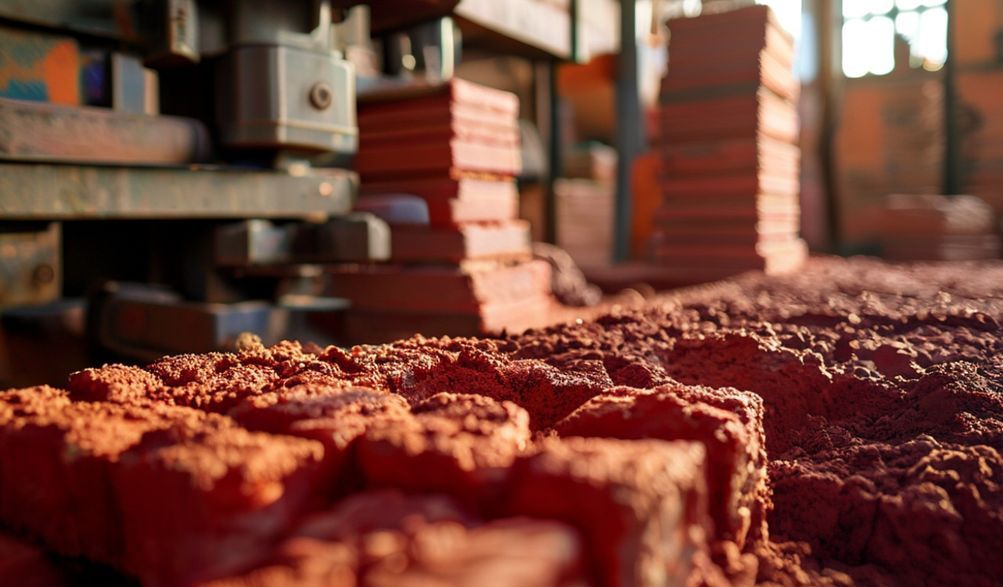
- ການບີບອັດ:ເຄື່ອງຈັກໃຊ້ຄັນຫມີກົນຈັກ ຫຼື ຄວາມກົດດັນໄຮໂດຼລິກ (ປົກກະຕິແມ່ນຕັ້ງແຕ່ 20 ຫາ 150 ໂຕນ) ເພື່ອອັດວັດສະດຸດິບ—ດິນ, ຊາຍ, ຊີມັງ, ແລະ ນໍ້າ—ໃຫ້ກາຍເປັນກ້ອນທີ່ແຫນ້ນແລະແຂງແຮງທີ່ສຸດ. ຂະບວນການນີ້ມີປະສິດທິພາບຫຼາຍກວ່າການເຜາສໍາລັບອິດທີ່ໃຊ້ຕາມປະເພນີ.
- ການອອກແບບລັອກປະສານແຕ່ລະກ້ອນມີ "ປຸ່ມ" ທີ່ນຸ່ມອອກມາ ແລະ "ຮ່ອງ" ທີ່ສອດຄ້ອງກັນ. ເມື່ອວາງຊ້ອນກັນ, ພວກມັນຈະຕິດກັນ, ຮຽງກ້ອນໃຫ້ເຂົ້າກັນພໍດີ ແລະ ກະຈາຍນ້ຳໜັກຢ່າງສະເໝີພາບໄປທົ່ວກຳແພງ. ການເຊື່ອມຕໍ່ທາງກົນຈັກນີ້ລົບລ້າງຄວາມຕ້ອງການໃຊ້ປູນປຽກໃນຂໍ້ຕໍ່ແນວຕັ້ງ, ເຖິງແມ່ນວ່າບາງຄັ້ງກໍໃຊ້ປູນບາງໆ ສຳລັບການປັບລະດັບເບື້ອງຕົ້ນ ແລະ ເພີ່ມຄວາມຕ້ານທານແຜ່ນດິນໄຫວ.
தமிழ்நாடு சந்தையில் கிடைக்கும் இயந்திர வகைகள்
ຕະຫຼາດຮອງຮັບທຸກລະດັບຄວາມທະເຍີທະຍານ.
- ຈັກກົນມື: Ideal for entrepreneurs, self-help groups, or rural housing projects. Operated by hand levers, they are low-cost, portable, and perfect for producing 100-500 blocks per day. Brands like Aakruti and local fabricators in districts like Tiruppur and Erode offer robust options.
- ເຄື່ອງຈັກກົງເຄື່ອງກາງ: The most popular choice for small and medium enterprises (SMEs) and contractors. These electrically powered machines use a hydraulic system for compression with manual feeding and block ejection. They offer an excellent balance, producing 500 to 3,000 blocks per day with consistent quality.
- ເຄື່ອງຈັກອັດຕະໂນມັດເຕັມຮູບແບບ For large-scale production plants supplying major housing projects or commercial ventures. These are complete systems with automatic material feeding, mixing, compression, and block stacking on pallets. Output can exceed 5,000 blocks per shift, requiring a significant investment but minimal manual labor.
Raw Materials Used: Leveraging Tamil Nadu’s Local Resources
One of the greatest advantages is the use of locally abundant, low-cost materials. The typical mix includes:
- ດິນ Laterite soil (the prevalent red soil) is excellent, provided it is sieved to remove organic matter and large particles.
- Stabilizers: Cement (OPC 43/53 grade) or Lime is used in small percentages (5-10%) to stabilize the soil and provide strength.
- ວັດສະດຸກໍ່ສ້າງທີ່ເປັນກ້ອນ Quarry dust or Manufactured Sand (M-Sand), widely available from Tamil Nadu’s granite quarries, improves compaction and block density.
- Sustainable Option: In regions near thermal power plants (like Thoothukudi or Neyveli), ຝຸ່ນຂີ້ເຖົ່າ can be incorporated, turning an industrial by-product into a valuable building material.
Key Benefits of Using Interlocking Blocks in Tamil Nadu Construction
Significant Cost Reduction
The financial savings are compelling and multi-layered:
- Material Cost: Drastically reduced cement consumption (only 5-10% in blocks vs. mortar-rich brick walls).
- Labor Cost: Construction is up to 3-5 times faster, requiring fewer, less-skilled laborers. A small team can erect walls rapidly.
- Foundation Cost: Interlocking blocks are often lighter than conventional bricks, allowing for slightly lighter and less expensive foundations.
- Overall Project Cost: Industry reports from projects in the Kanchipuram and Tiruvallur districts suggest total wall cost savings of 25-35%.
Unmatched Construction Speed
The dry-stacking method is a game-changer for project timelines. Walls rise swiftly, as there is no waiting for mortar to cure. This is particularly beneficial for:
* Meeting tight deadlines for government housing schemes (PMAY).
* Rapid construction of compound walls, farm structures, and warehouse sheds.
* Accelerating large-scale housing projects.
Superior Strength and Durability for the Local Climate
These blocks are engineered for performance:
* ຄວາມແຮງອັດສູງ: Properly made blocks can achieve strengths comparable to or exceeding traditional burnt bricks (often 3-7 MPa or more).
* Seismic Resistance: The interlocking design and flexibility of the structure can offer better performance during earth tremors, a consideration for several zones in Tamil Nadu.
* Thermal Insulation: The dense composition provides excellent thermal mass, keeping interiors cooler—a highly desirable trait in Tamil Nadu’s hot climate.
Eco-Friendly and Sustainable Building Solution
Aligning with global and national green goals, this technology is inherently sustainable:
* Low Carbon Footprint: Eliminates the need for brick kilns, reducing CO2 emissions significantly.
* Water Conservation: Almost no water is used during construction (unlike constant watering for mortar curing).
* Minimal Waste: On-site production reduces transport emissions and packaging waste. Leftover material can be recycled into new blocks.
* Use of Industrial Waste: Fly ash utilization supports cleaner production cycles.
How to Choose the Right Machine for Your Needs in Tamil Nadu
Selecting a machine is a critical investment decision. Follow this framework.
Assessing Your Production Capacity Requirements
- Small-Scale / Entrepreneurial (100-500 blocks/day): For individual homes, small shops, or pilot projects. A ເຄື່ອງມືໃຊ້ງານດ້ວຍມື is sufficient. Investment is low, and operational skill requirement is minimal.
- SME / Contractor Business (500-3,000 blocks/day): To supply local builders, take on contracts, or run a dedicated production yard. A semi-automatic machine is the recommended workhorse. It offers the best balance of output, automation, and cost.
- Large-Scale Industrial Production (3,000+ blocks/day): To become a major supplier to developers or government tenders. A fully automatic plant is necessary. This requires substantial land, power connection, and capital.
Key Technical Specifications to Scrutinize
Don’t just look at the price tag. Examine these specs:
* ຄວາມດັນ (ຕັນນາຈ໌): Determines block density and strength. For soil-cement blocks, 20-50 tons is common.
* Motor Power: Typically 2 HP to 10 HP for semi-automatic models. Ensures consistent operation.
* ເວລາຮອບວຽນ: Time to produce one batch of blocks. Faster cycles mean higher output.
* Blocks per Cycle: How many blocks (e.g., 2, 3, or 4) are produced in one press.
* Block Size & Design: Ensure the machine produces the block size (e.g., 230x230x150 mm) and interlock pattern you intend to market.
New vs. Used Machines: A Practical Consideration
- New Machine: Pros include full warranty, latest technology, and reliable after-sales service. It’s the safest choice for beginners.
- Used Machine: Can offer significant upfront savings. Crucial advice: Only purchase from a reputable dealer or known manufacturer who refurbishes and offers a short warranty. Insist on a thorough test run to check for hydraulic leaks, frame cracks, and wear on molds.
Importance of After-Sales Service and Local Support
This is the single most important factor for your long-term success. A machine is a mechanical asset that will need maintenance.
* Choose a supplier with a physical service center or dedicated technician network within Tamil Nadu.
* Verify the availability of spare parts (hydraulic seals, pressure gauges, mold sets).
* Ensure they provide comprehensive on-site training for your operators—a non-negotiable requirement. Suppliers based in or near major industrial centers like Coimbatore, Chennai, or Salem often have the strongest service networks.
Leading Manufacturers and Suppliers of Interlocking Block Machines in Tamil Nadu
Overview of the Market Landscape
The market is a mix of:
1. Local Tamil Nadu Manufacturers: Several engineering units in Coimbatore (“The Pump City”) and Chennai specialize in fabricating robust, cost-effective machines tailored to local conditions.
2. National Brands with State Dealers: Major Indian brands like Everon Impex, Global ImpexແລະApollo have authorized dealers or direct offices in key Tamil Nadu cities.
3. International Companies: Some Chinese and European brands are available through importers, but local service support can be a challenge.
Criteria for Evaluating a Reliable Supplier
Use this checklist:
* Proven Track Record: Ask for at least 5-7 years of experience in the field.
* Physical Presence: Do they have a workshop/showroom you can visit?
* Client References: Demand a list of previous customers, preferably with projects in your district or a neighboring one. Call them.
* Transparent Warranty: What is covered (parts, labor)? For how long?
* Training Offer: Do they provide hands-on training?
The Value of Visiting a Demonstration Unit
Never buy a machine without seeing it run. A demonstration allows you to:
* Assess build quality, noise levels, and ease of operation.
* Verify the quality of the blocks produced (check for smooth edges, consistent shape, and strength).
* Speak directly to the machine operator about their experience.
* Reputable suppliers will either have a demo unit at their facility or can direct you to a nearby customer’s site.
Starting an Interlocking Block Manufacturing Business in Tamil Nadu
Initial Investment and Projected ROI
Here’s a simplified financial snapshot for a semi-automatic unit:
| Component | Estimated Cost (INR) |
| :— | :— |
| Semi-Automatic Machine | 2,00,000 – 4,50,000 |
| Shed / Workspace Setup | 1,00,000 – 2,00,000 |
| Raw Material (Initial Stock) | 50,000 – 1,00,000 |
| Working Capital | 1,00,000 – 2,00,000 |
| Total Approx. Investment | 4,50,000 – 9,50,000 |
ROI Potential: With a production capacity of 1,000 blocks/day and a conservative net profit of ₹5-₹10 per block, the business can break even within 12-18 months, depending on sales volume and operational efficiency. The key is consistent marketing and quality production.
Sourcing Raw Materials Locally
- Soil Testing: Get your local soil tested at a civil engineering lab or use simple field tests (sedimentation test) to check its suitability and determine the correct cement ratio.
- Build Relationships: Connect directly with M-Sand suppliers, quarry owners for dust, and cement dealers for bulk purchase discounts.
- Consistency is Key: Maintain a consistent raw material mix to ensure every batch of blocks has uniform strength and color.
Marketing Your Blocks: Finding Customers
- ກຸ່ມເປົ້າໝາຍ: Individual homeowners, local masons and contractors, real estate developers, government housing agencies (PMAY implementers), and NGOs working on rural development.
- Marketing Strategies:
- Build a sample wall at your unit or a prominent local location.
- Network with local civil engineers and architects.
- Use WhatsApp Business and local Facebook groups to share photos and testimonials.
- Participate in local mandi or construction material exhibitions.
Navigating Regulations and BIS Standards
This is a critical step for credibility and scaling your business.
* BIS Standards: While not always mandatory for small-scale, aiming for IS 1725 (Soil-Based Blocks) or relevant standards for cement-based products adds tremendous trust. It is essential for supplying to government or large private projects.
* Local Municipal Approvals: For setting up the manufacturing unit, check with your local panchayat or municipal corporation regarding zoning and any required trade licenses.
* Professional Advice: Consult with a local practicing civil engineer. They can guide you on technical mix designs, testing protocols, and navigating project approval processes with local authorities. Joining an industry association can also provide valuable guidance.
Frequently Asked Questions (FAQ)
Q1: What is the approximate price range for an interlocking block machine in Tamil Nadu?
A: Prices vary widely. Manual machines start from ₹50,000, semi-automatic machines range from ₹2-5 lakhs, and fully automatic plants can cost ₹15 lakhs and above, depending on capacity and automation level.
Q2: Can I use the existing soil on my site to make these blocks?
A: In most cases, yes. The red laterite soil common in Tamil Nadu is often suitable. However, it must be tested and sieved. Soil with high clay or organic content may need blending with sand.
Q3: Are interlocking block walls as strong as traditional brick walls?
A: Yes, when produced with the correct material mix and compaction, they can match or exceed the compressive strength of traditional brick masonry. Their structural behavior is different but proven effective.
Q4: Do I need any special permission or license to start a small block-making unit?
A: A basic trade license from your local municipality is typically required. If you are producing for the open market (not just for your own use), registering as a small-scale industry (SSI/MSME) is advisable for benefits.
Q5: How do I maintain and service the machine to ensure long life?
A: Regular maintenance includes checking hydraulic oil levels, cleaning the machine after use, greasing moving parts, and ensuring electrical connections are tight. Follow the manufacturer’s maintenance schedule strictly.
Q6: What is the lifespan of a wall built with interlocking blocks?
A: A properly constructed interlocking block wall, with a good cap or plaster for weather protection, can have a lifespan comparable to conventional masonry—easily 50+ years.
Q7: Are there any successful projects in Tamil Nadu built with this technology?
A: Absolutely. The technology has been successfully used in numerous rural housing projects under various schemes, low-cost community toilets, farm compound walls across the Cauvery delta region, and even in several institutional buildings and eco-resorts, demonstrating its versatility and acceptance.
ສະຫຼຸບ
The interlocking block making machine represents more than just a piece of equipment; it embodies a smarter, faster, and more sustainable future for Tamil Nadu’s construction industry. It empowers entrepreneurs, benefits builders, and contributes to environmentally conscious development.
As adoption grows, we can expect further innovations in block designs and machine efficiency. Your journey begins with informed research. Use this guide as your foundation, but take the critical next steps: visit suppliers, witness live demonstrations, and speak to current machine owners. The potential for growth and contribution to Tamil Nadu’s infrastructure is substantial.
Disclaimer: The information provided in this guide is for educational and informational purposes only. Prices, technical specifications, and local regulations are subject to change. Readers are strongly advised to verify all details, conduct their own due diligence, and consult with certified civil engineers, financial advisors, and legal professionals before making any investment or business decisions. The author and publisher assume no liability for actions taken based on this content.
<