
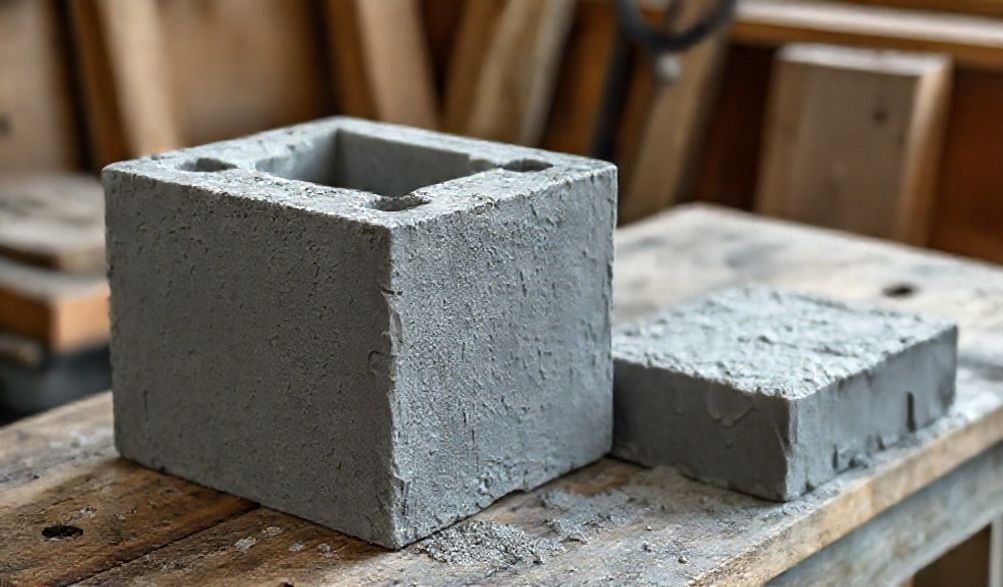
Your Ultimate Guide to Buying Concrete Block Molds for Sale in 2024
ການແນະນຳ
Picture this: you’re sketching out plans for a beautiful backyard patio, or perhaps you’re a contractor sourcing materials for a sizable commercial build. The vision is clear, but the success of that vision rests on a seemingly simple, yet profoundly critical, foundation—the concrete block mold. Choosing the wrong mold can lead to frustrating demolding failures, inconsistent blocks, and a project that falls short of its potential. The right mold, however, becomes a reliable partner, turning your concrete mix into precise, professional-grade building components.
This guide is built on more than just research. It’s crafted from hands-on industry experience with a wide array of mold types, from weekend DIY projects to large-scale production. Our goal is to provide you with trustworthy, actionable knowledge to make a confident and informed purchase. You’re here because you’re searching for concrete block molds for sale, and you need to cut through the noise to find a quality product.
By the end of this comprehensive guide, you will have a clear understanding of the different types of molds available, a practical checklist for selection, vetted sources for purchase, and professional tips for use and maintenance. You’ll know exactly how to find the perfect concrete block mold that aligns with your project’s demands and your budget.
Understanding Concrete Block Molds: Types and Applications
Before you start shopping, it’s essential to understand the landscape. Concrete block molds are not one-size-fits-all; they are specialized tools designed for specific outcomes. Knowing the categories will help you immediately narrow your search and focus on the right product class for your needs.
By Material: Durability and Use-Case
The material of the mold dictates its longevity, ease of use, and ideal application.
-
Plastic Molds:
- ດີທີ່ສຸດສຳລັບ: DIY enthusiasts, hobbyists, and small-scale projects like garden edging or a single walkway.
- ຂໍ້ດີ: Lightweight, very affordable, and often available in fun, decorative shapes. They are easy to handle and store.
- ຂໍ້ເສຍ Typically have the shortest lifespan. Basic plastic can become brittle with UV exposure and may warp under stress or improper use.
-
Polypropylene Molds:
- ດີທີ່ສຸດສຳລັບ: Serious DIYers and small businesses producing blocks for landscaping walls or patios with moderate frequency.
- ຂໍ້ດີ: A premium plastic option known for excellent flexibility, superior UV resistance, and fantastic release properties. This flexibility makes demolding intricate shapes much easier. They offer a great balance of durability and cost.
- ຂໍ້ເສຍ More expensive than standard plastic, and while durable, they are not indestructible under industrial conditions.
-
ABS Molds:
- ດີທີ່ສຸດສຳລັບ: Professional use, workshops, or anyone planning frequent, high-volume production.
- ຂໍ້ດີ: Extremely rigid and durable due to their hard plastic construction. They resist deformation, hold precise dimensions over hundreds of pours, and often feature reinforced walls and ribs.
- ຂໍ້ເສຍ Higher upfront cost and less flexibility can sometimes make demolding certain textures slightly more challenging without a proper release agent.
-
Steel Molds:
- ດີທີ່ສຸດສຳລັບ: Industrial manufacturing, commercial block plants, and municipal projects requiring thousands of identical blocks.
- ຂໍ້ດີ: The ultimate in durability and precision. Steel molds can last for decades and produce blocks with exceptionally consistent dimensions and sharp edges. Often used with hydraulic or vibrating table systems.
- ຂໍ້ເສຍ Very high initial investment, extremely heavy, and require significant maintenance (oiling, rust prevention) and proper storage.
By Block Type and Design
Molds are also categorized by the final product they create. Aligning the design with your project’s purpose is key.
- Standard Construction Blocks: These are the workhorses for structural projects.
- ຕົວຢ່າງ: Stretcher blocks (standard), corner blocks, pillar or pier blocks, and jamb blocks.
- Landscaping & Retaining Wall Blocks: Designed for aesthetics and function, often featuring interlocking systems.
- ຕົວຢ່າງ: Interlocking split-face blocks, rock-face or natural stone texture blocks, and modular wall systems.
- Decorative and Paver Molds: Focused on enhancing outdoor living spaces with pattern and style.
- ຕົວຢ່າງ: Cobblestone pavers, herringbone pattern molds, hexagonal tiles, and custom geometric designs.
- Specialty Molds: Serve very specific functional purposes in construction.
- ຕົວຢ່າງ: Vent blocks for airflow, cap blocks to finish the top of a wall, and screen blocks for decorative privacy walls.
How to Choose the Right Concrete Block Mold: An Expert Buyer’s Checklist
Armed with knowledge of the types, you can now make a strategic decision. Use this checklist to evaluate your options and avoid costly mismatches.
Assess Your Project Requirements
Start by looking inward at your specific needs.
- Scale & Frequency: Be brutally honest. Is this a one-time patio project, or will you be making blocks every weekend for a year to build a perimeter wall? A plastic mold may suffice for the former, while the latter demands the durability of ABS or polypropylene.
- Block Specifications: Define the exact block you need.
- Dimensions (length, width, height).
- Shape complexity (simple rectangle vs. intricate rock face).
- Desired surface finish (smooth for painting, textured for a natural look).
- Concrete Mix Compatibility: Consider your mix. Will you use a standard mix, a fiber-reinforced mix for added strength, or incorporate color pigments? Some mold materials release better with certain additives.
Evaluate Mold Features and Quality
Now, scrutinize the mold itself. These features separate a good buy from a great investment.
- Material & Wall Thickness: Don’t just note “plastic.” Identify the type. A thicker wall (e.g., 4-6mm on a polypropylene mold) significantly increases rigidity and lifespan compared to a flimsy 2mm wall.
- Reinforcement: Look for structural ribs, especially on the sides and bottom. These prevent the mold from bowing outward under the pressure of wet concrete, which is critical for maintaining dimensional accuracy.
- Release Mechanism: This is crucial for a smooth workflow. A properly tapered design (wider at the top than the bottom) is fundamental. Many quality molds also have a slightly textured or coated interior to further aid release.
- Interlocking Systems: If you’re building a retaining wall, ensure the mold is designed to create the specific lip or groove system required by your wall design. Not all interlocking systems are compatible.
Budget and Cost-Per-Use Analysis
Think beyond the price tag.
- Calculate Cost-Per-Use: A $50 plastic mold that cracks after 20 blocks costs you $2.50 per block. A $200 high-quality ABS mold that produces 500 blocks costs $0.40 per block. For ongoing projects, the “cheaper” mold is far more expensive in the long run.
- Value Over Price: Invest in features that save you time and frustration. Easy release, durability, and consistent results have immense value, especially for larger projects.
Where to Find Reliable Concrete Block Molds for Sale
Knowing what to buy is half the battle; knowing where to buy it is the other. Here are the primary sources, vetted for reliability.
Online Marketplaces and Specialty Retailers
These platforms offer convenience and variety.
- General Marketplaces (Amazon, eBay): Excellent for browsing a vast selection, reading reviewsແລະcomparing prices quickly. You can find everything from budget DIY kits to professional-grade molds.
- Trust Tip: Prioritize sellers with high ratings and detailed feedback. Scrutinize product photos from reviewers, not just the listing. Always check the return policy before purchasing.
Direct from Manufacturers and Industrial Suppliers
For quality, customization, and bulk needs, go straight to the source.
- Benefits: You get higher quality assurance, access to technical specifications and support, potential for ຂາຍສົ່ງ or bulk discounts, and sometimes the option for custom molds. This is the best route for businesses and serious makers.
- How to Find Them: Search industry-specific directories, look for companies that supply to the construction trade, or explore distributors who specialize in concrete forming equipment.
Local Hardware Stores and Construction Supply Outlets
Don’t underestimate the value of a local touch.
- ຂໍ້ດີ: The ability to see and feel the product’s build quality in person. You can get immediate, face-to-face advice and have local support if an issue arises. Great for sourcing last-minute items or for beginners who want hands-on guidance.
Pro Tips: Using and Maintaining Your Molds for Best Results
Your new mold is an investment. Proper use and care will maximize its life and the quality of your blocks.
Preparation and Casting Techniques
- Release Agent: Use one. Even with “non-stick” molds, a light spray of a commercial release agent or a diluted vegetable oil mix ensures a clean release every time and protects the mold surface.
- Concrete Consistency: Aim for a “plastic” mix—not too dry, not too soupy. It should hold its shape when molded (a low slump). Too wet, and blocks will deform; too dry, and you’ll get honeycombing (surface voids).
- ການອັດແໜ້ນ: Eliminate air bubbles for a strong, dense block. Use a vibrating table for best results, or vigorously tap the sides of the mold with a rubber mallet and rod the concrete with a stick.
- Curing Time: Do not demold too early. Follow the concrete mix instructions, but typically, wait 24-48 hours before carefully removing the mold. The block will still be “green” and must cure further for full strength.
Cleaning and Storage Best Practices
- Cleaning: Clean molds immediately after demolding with water and a soft brush. Never use metal scrapers or wire brushes on plastic molds, as they will scratch and damage the surface, causing future sticking.
- Drying: Allow molds to air-dry completely before storage to prevent mildew, staining, or material degradation.
- Storage: Store molds flat on a level surface, out of direct sunlight (UV rays degrade plastic over time), and in a dry place. Stacking them while warped can cause permanent deformation.
Frequently Asked Questions (FAQ) About Concrete Block Molds
Q1: How many blocks can I make from a single plastic mold?
A: It varies dramatically with quality and care. A low-cost, thin plastic mold might last 20-30 pours. A good quality, thick-walled polypropylene or ABS mold can often produce 100 to 500+ blocks if properly maintained, cleaned, and stored.
Q2: Do I need to use a release agent every time?
A: For consistent, frustration-free results and to maximize your mold’s lifespan, yes, it is highly recommended. A light application forms a protective barrier, reduces wear on the mold surface, and guarantees a clean release.
Q3: Can I create custom-designed concrete blocks?
A: Absolutely. There are two main paths:
1. Modular Decorative Molds: Many suppliers offer molds for unique shapes like leaves, fossils, or custom logos that can be used alongside standard blocks.
2. Full Custom Molds: For a unique block design, you can work directly with a manufacturer. This involves creating a master pattern (often from wood or high-density foam) from which a custom mold is made. This is a more involved and expensive process.
Q4: What’s the difference between a “paver mold” and a “block mold”?
A: The distinction is primarily based on application and structural needs:
* Paver Molds: Are designed for walking or driving surfaces. The resulting pavers are typically thinner (1.5″-2.5″) and may not require internal reinforcement for their intended use.
* Block Molds: Are for structural or retaining walls. The blocks are thicker (often 3.5″+) and the molds are engineered to produce a block that can be reinforced with rebar if needed for load-bearing purposes.
Q5: Are used concrete block molds a good buy?
A: Proceed with caution. A used mold can be a fantastic bargain if it’s from a trusted source and in good condition. Before buying, inspect meticulously for warping, deep scratches, cracks (especially at the corners), and worn-down texture. Only consider it if the discount is significant enough to offset the reduced lifespan.
ສະຫຼຸບ
Choosing the right concrete block molds for sale is a decisive step in the success of your project. The journey involves matching the mold material—be it versatile polypropylene or industrial steel—to your project’s scale, prioritizing quality features like reinforcement and taper, and sourcing from reputable suppliers who stand behind their products. Remember, the knowledge you now possess is your greatest tool. Pair that expertise with a reliable mold, and you have a foundation built on trust.
Your concrete project, from a simple garden path to a substantial retaining wall, is now set up for success. The perfect block is within reach.
Ready to start shopping? Use the expert checklist in this guide to confidently compare your top choices and make the best investment for your needs.
<