
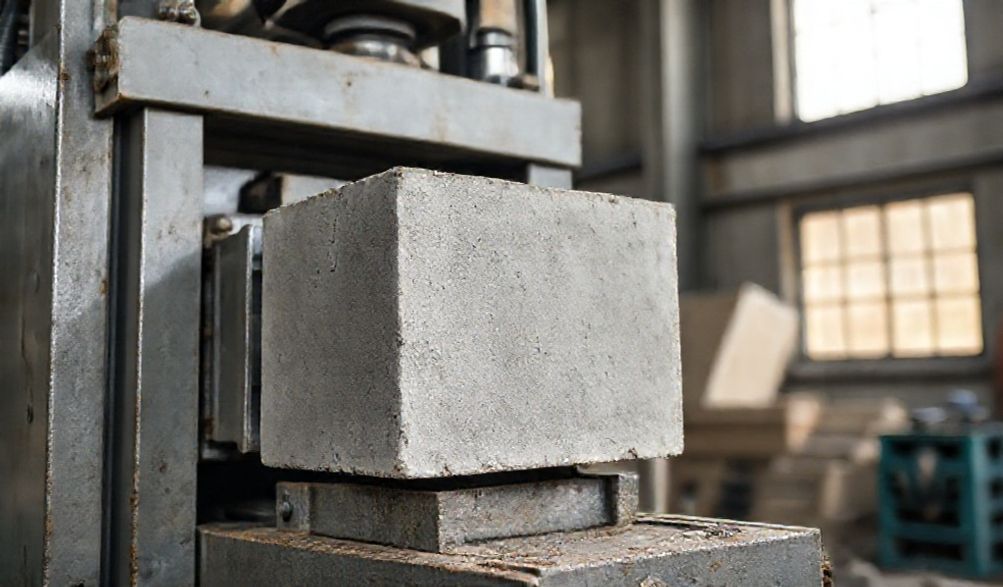
The Ultimate Guide to Finding a Reliable & Cheap Block Making Machine in 2026
ການແນະນຳ
Are you looking to start a block manufacturing business or expand your construction capabilities without breaking the bank? The search for a “cheap block making machine” can be overwhelming, filled with concerns about hidden costs, poor quality, and unreliable suppliers.
This guide is crafted from years of industry experience to cut through the noise. We’ll help you understand what “cheap” truly means in this context—focusing on long-term value, not just the initial price tag. You’ll learn how to identify a machine that is both budget-friendly and built to last, ensuring your investment pays off for years to come. Let’s build a solid foundation for your success.
Understanding “Cheap” in the Block Machine Industry
In the world of block making equipment, the term “cheap” is a double-edged sword. A low sticker price can be alluring, but it often tells only a fraction of the story. True affordability is measured over the lifespan of the machine, not just at the point of purchase. Let’s redefine “cheap” to mean “greatest long-term value for your investment.”
Initial Price vs. Total Cost of Ownership (TCO)
The most critical concept for any savvy buyer is Total Cost of Ownership (TCO). TCO is the sum of all expenses associated with a machine throughout its useful life.
- Purchase Price: The initial invoice cost.
- Installation & Commissioning: Costs for foundation, electrical work, and setup.
- Energy Consumption: The power required to run motors, hydraulics, and vibrators daily.
- Maintenance: Routine servicing, lubrication, and adjustments.
- Part Replacement: The cost and frequency of replacing wear parts like molds, liners, and hydraulic seals.
- Downtime Costs: Lost production revenue when the machine is non-operational.
How a higher initial investment can lead to a lower TCO: Imagine two machines. Machine A costs $10,000 but is inefficient, breaks down often, and has expensive, hard-to-find parts. Machine B costs $15,000, is energy-efficient, robust, and supported by a local dealer with affordable spares. Over five years, Machine B will almost always be the “cheaper” option due to higher productivity and lower running costs.
Key Factors That Influence a Machine’s Price
Understanding what drives cost helps you compare apples to apples.
- ກຳລັງການຜະລິດ: A machine producing 1,000 blocks per hour will cost significantly less than one producing 10,000. Know your required output.
- Machine Type: Specialized machines (e.g., for interlocking pavers or clay bricks) may command a premium over standard concrete block makers.
- Level of Automation: Manual < Semi-Automatic < Fully Automatic. Each step up in automation increases price but reduces labor costs and improves consistency.
- Build Quality: Thicker steel frames, branded hydraulic components (like Bosch Rexroth), and quality electrical panels (like Siemens) increase durability and price.
- Brand & Origin: Established brands with proven track records cost more. Machines from certain manufacturing hubs may offer competitive pricing, but always vet the specific factory’s quality control.
Types of Affordable Block Making Machines
The market offers a tiered approach to machinery, allowing you to find an affordable entry point that matches your scale.
Manual and Semi-Automatic Block Machines
These are the gateway to block production, offering the lowest capital requirement.
- ດີທີ່ສຸດສຳລັບ: Entrepreneurs, small builders, community projects, and low-volume specialty block production.
- ຂໍ້ດີ:
- Very low initial investment.
- Simple operation with minimal technical knowledge.
- Easy to maintain and repair.
- Low energy consumption.
- ຂໍ້ເສຍ
- High labor intensity (multiple workers needed).
- Lower and inconsistent output.
- Physically demanding operation.
- Common Models: Include egg-laying type machines (which deposit blocks on the ground) and stationary table vibrators where molds are filled and compacted manually.
Economical Fully-Automatic Machines
This segment offers the best balance for a growing business ready to scale.
- ດີທີ່ສຸດສຳລັບ: Small to medium-sized block yards, construction companies with steady demand.
- ຂໍ້ດີ:
- Significantly higher output with consistent quality.
- Dramatically reduced labor costs (often 1-2 operators).
- Better block density and strength due to controlled vibration and pressure.
- Often include pallet feeders and stackers, streamlining the entire process.
- ຂໍ້ເສຍ
- Higher upfront cost and installation complexity.
- Requires reliable three-phase power.
- Needs basic technical understanding for troubleshooting.
- Key Features to Look For: Seek models with a robust vibration system, user-friendly PLC control panel, and the ability to accept multi-cavity molds for different block types.
Mobile Block Making Machines
A niche but highly cost-effective solution for specific scenarios.
- Explanation: These are compact, often trailer-mounted machines that can be towed directly to a construction site.
- Cost-Saving Advantage: They eliminate the entire logistics chain of transporting heavy blocks from a factory to the site, saving massive fuel and handling costs.
- ກໍລະນີການນຳໃຊ້ທີ່ເໝາະສົມ: Large remote projects (e.g., rural housing, mining camps), road construction, or military applications where on-site production is a strategic advantage.
How to Source a Quality Machine on a Budget
Finding the right supplier is as important as finding the right machine. Here’s your roadmap.
Where to Look for Suppliers
- Direct from Manufacturers:
- ຂໍ້ດີ: Best potential price, possibility for customization, direct technical communication.
- ຂໍ້ເສຍ May have high Minimum Order Quantities (MOQs), complex international logistics, and you handle all import formalities.
- Local Dealers/Distributors:
- ຂໍ້ດີ: Local spare parts inventory, hands-on installation support, familiar with local regulations and power standards. They handle logistics.
- ຂໍ້ເສຍ Price includes their markup for these valuable services.
- Online B2B Marketplaces (Alibaba, Made-in-China):
- Critical Tips: Use “Trade Assurance” or escrow services. Look for “Gold Suppliers” with 3+ years of activity. Request live video calls to see the factory floor. Always ask for real, recent installation videos from their customers, not just catalog photos.
The Essential Pre-Purchase Checklist
Don’t buy based on a PDF alone. Diligence is key.
- Request Full Technical Specifications: Get detailed docs on motor power, hydraulic pressure, vibration frequency, and overall dimensions.
- Demand Verifiable References: Ask for contact information for 2-3 previous customers in a region similar to yours. A reputable supplier will provide this.
- Scrutinize Warranty & Support: A 1-year warranty on the machine and core parts is standard. Clarify what “after-sales service” includes—is it just an email, or does it include video calls, on-site visits, or operator training?
- Get & Compare Multiple Quotes: Ensure each quote is for the same specifications and includes Incoterms (e.g., FOB, CIF) so you understand who pays for shipping and insurance.
The Importance of After-Sales Support
This is where “cheap” machines become catastrophically expensive. A machine that sits idle for weeks waiting for a $50 part is a money pit.
- Ask: “How quickly can you ship common spare parts?”
- Confirm: “Do you provide installation drawings and video guides?”
- Clarify: “Is operator training included or available?”
Critical Features to Prioritize (and What to Avoid)
Navigate the market with a clear list of must-haves and deal-breakers.
Non-Negotiable Features for Durability
- Heavy-Duty Frame: The chassis must be made of thick, reinforced steel to withstand constant vibration without cracking.
- Quality Vibration System: Look for durable vibration motors mounted on a sturdy vibration table. This is the heart of block density.
- Standardized Components: Hydraulic cylinders, pumps, and electrical sensors should be common, off-the-shelf brands, not proprietary. This makes repairs easy and affordable.
Cost-Saving Features That Add Value
- Energy-Efficient Motors: IE3 or higher-rated electric motors reduce your monthly power bill significantly.
- Multi-Purpose Mold Capability: A machine that can easily swap molds to produce hollow blocks, solid blocks, and pavers maximizes your market flexibility.
- Easy-Access Design: Panels that open easily for maintenance save hours of labor during servicing.
Red Flags and Common Pitfalls
- The “Too-Good-To-Be-True” Price: If a price is 40% lower than all others for the same specs, it’s a major warning sign.
- The Evasive Supplier: They won’t provide a factory address, a direct phone number, or customer references.
- Lack of Documentation: No detailed manual, parts catalog, or electrical schematics provided.
- Pressure for Upfront Payment: A demand for 100% payment before production or shipment, especially via wire transfer to a personal account. Use secure, traceable methods.
Maximizing Your Investment: Operation & Maintenance Tips
Your responsibility begins once the machine arrives. Proper care is the final ingredient for a cheap, profitable operation.
Proper Installation and Calibration
- Foundation is Key: Pour a perfectly level, reinforced concrete foundation as per the manufacturer’s drawings. This prevents misalignment and excessive wear.
- Power Connection: Ensure your electrical supply matches the machine’s requirements (voltage, phase, amperage) to prevent damage.
- Calibration: Take time to correctly set vibration duration, hydraulic pressure, and feed depth. A well-calibrated machine produces perfect blocks and reduces waste.
Routine Maintenance Schedule for Longevity
A simple, consistent routine prevents 90% of major breakdowns.
- Daily: Check hydraulic oil levels, clean the machine of concrete buildup, inspect for loose bolts.
- Weekly: Grease all lubrication points, check belt tensions, inspect mold liners for wear.
- Monthly: Change hydraulic oil filters, thoroughly inspect electrical connections, test safety switches.
Sourcing Affordable Raw Materials
The machine is only half the cost equation.
- Build Relationships: Source cement and aggregates directly from local quarries or bulk distributors, not retail outlets.
- Optimize Your Mix: Experiment (under guidance) with local sand and aggregate blends to find the strongest, most cost-effective recipe. Using clean, well-graded aggregates improves block quality and reduces wear on your machine.
Frequently Asked Questions (FAQ)
Q1: What is the cheapest type of block making machine available?
A: Manual block presses or small table vibrators have the absolute lowest initial cost. They are ideal for testing the market or producing for personal use. However, factor in the high physical labor required when calculating true operational cost.
Q2: Can I really get a good quality automatic machine at a low price?
A: Yes, but manage expectations. You can find excellent ມູນຄ່າ in entry-level automatic or robust semi-automatic machines from focused manufacturers. “Good quality” here means reliable performance for its capacity, not luxury features. Prioritize core build quality and supplier reputation.
Q3: Are machines from certain countries more affordable?
A: Manufacturing centers in Asia often offer competitive pricing due to economies of scale. However, the country is less important than the specific manufacturer’s expertise, quality control processes, and commitment to support. Always vet the company, not just the country of origin.
Q4: What hidden costs should I watch out for?
A: The big ones are: international shipping fees and import duties (if buying overseas), cost of foundation and installation, price and shipping time for spare parts and new molds, and higher-than-anticipated energy or maintenance costs due to poor efficiency.
Q5: How do I know if a supplier is trustworthy?
A: Trust is built on evidence. Look for a professional website with real contact details, verifiable business licenses, genuine customer testimonials (with photos/videos), clear and responsive communication, and a willingness to use secure, buyer-protected payment terms for large orders.
ສະຫຼຸບ
Finding a truly cost-effective block making machine is less about hunting for the lowest number and more about making a smart, informed investment. By prioritizing Total Cost of Ownership, thoroughly vetting suppliersແລະunderstanding the trade-offs between different machine types, you can secure equipment that fuels your business growth without compromising on reliability.
Remember, the cheapest machine is the one that runs efficiently, produces saleable blocks consistently, and is backed by a supplier you can trust for years. Use this guide as your roadmap. Take your time, do your due diligence, and invest in a partnership with a machine—and a supplier—that will help you build your future, block by solid block.
Ready to take the next step? Start by defining your precise production needs and budget, then use the checklists in this guide to evaluate your options. Your perfect, value-driven machine is out there.
<