
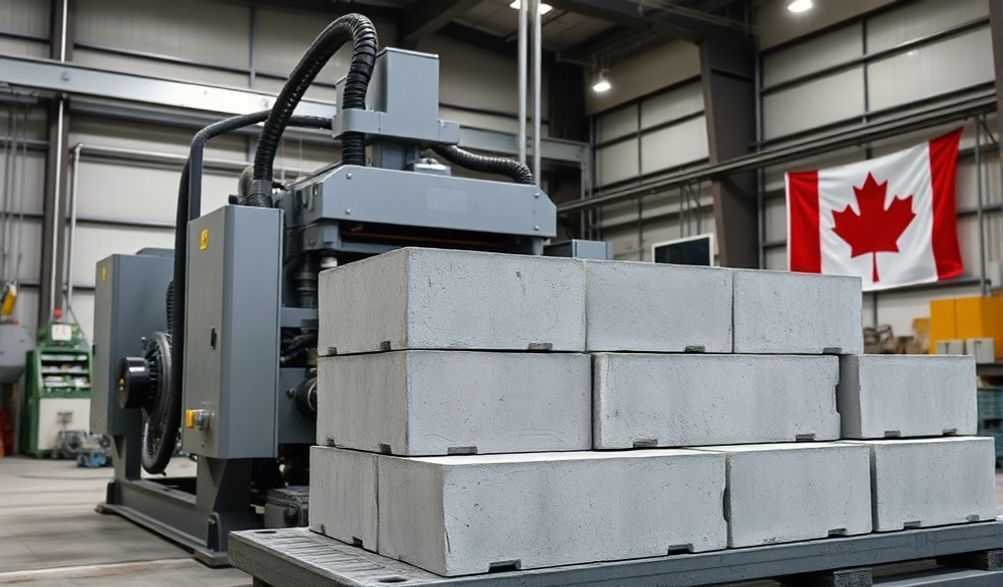
Your Ultimate Guide to Finding the Right Block Machine for Sale in Canada
ການແນະນຳ
In the foundation of Canada’s construction and landscaping industries lies a critical, yet often overlooked, component: the reliable production of concrete blocks. From the high-rises shaping our urban skylines to the interlocking pavers defining our residential landscapes, quality blocks are the literal building blocks of progress. For business owners and entrepreneurs, the decision to purchase a block machine represents a pivotal investment in that progress—a commitment to productivity, quality, and future growth.
However, navigating the market for a block machine in Canada can be a complex undertaking. This isn’t a simple tool purchase; it’s a significant capital expenditure where the right choice can propel your business forward, while the wrong one can lead to costly downtime, inferior products, and stifled potential. The array of options—from manual to fully automatic, stationary to mobile—coupled with the unique considerations of the Canadian market, demands clear, expert guidance.
This comprehensive guide is designed to be that resource. Our purpose is to provide a trustworthy, expert-led roadmap to inform your purchase decision. We’ll distill industry knowledge, practical considerations for operating in Canada, and the critical questions you need to ask. By the end of this article, you will be equipped with the insights to confidently evaluate machines, understand total costs, and select a supplier that ensures your investment pays dividends for years to come.
We’ll explore the different types of block machines and their applications, break down the key features that matter most, provide a clear view of the Canadian supplier landscape, and walk you through a step-by-step purchase process. Let’s build a solid foundation for your decision.
ການເຂົ້າໃຈເຄື່ອງບລ໊ອກ: ປະເພດ ແລະ ການນຳໃຊ້
Before comparing models and quotes, it’s essential to understand the fundamental categories of block-making equipment. The right type for your operation depends entirely on your production goals, scale, and workflow.
Stationary Block Machines
- ຄຳອະທິບາຍ ແລະ ຜົນງານ These are heavy-duty, high-output machines fixed in a permanent location, typically within a production facility or yard. They are engineered for volume, often producing thousands of blocks per shift.
- ກໍລະນີການນຳໃຊ້ທີ່ເໝາະສົມ: Stationary machines are the powerhouse choice for established block yards, concrete product manufacturers, and large-scale construction companies supplying multiple projects. They require a dedicated, prepared space with a robust concrete foundation and access to consistent, high-capacity power.
Mobile Block Machines
- Description & Benefits: Also known as “egg-layers” or mobile block makers, these units are designed for portability. They produce blocks directly on the ground or a prepared slab, moving along as they work.
- ກໍລະນີການນຳໃຊ້ທີ່ເໝາະສົມ: Their primary advantage is on-site production, eliminating the costs and logistics of transporting blocks from a remote yard. This makes them perfect for large, remote projects (like mining or infrastructure sites), or for entrepreneurs starting with lower capital, as they often have a lower initial cost and simpler setup than large stationary plants.
Automatic vs. Semi-Automatic vs. Manual Machines
The level of automation is a key driver of cost, labor requirement, and output consistency.
- ຈັກກົນມື: Require significant physical labor for mixing, feeding, and block removal. Lowest capital cost but highest labor cost and lowest output. Suitable for very small-scale or niche start-ups.
- ເຄື່ອງຈັກກົງເຄື່ອງກາງ: Strike a balance. They mechanize the critical compression and vibration processes but may require manual feeding of raw material or removal of pallets. They offer a strong middle ground for small to medium businesses looking to scale without the full investment in automation.
- ເຄື່ອງຈັກອັດຕະໂນມັດເຕັມຮູບແບບ These are complete systems with automated material handling, mixing, molding, curing, and pallet stacking. Controlled by PLCs, they maximize output (blocks per hour) with minimal labor. Given Canada’s relatively high labor costs, the ROI on automation can be compelling for businesses with steady, high-volume demand.
Common Block Types Produced
A significant advantage of investing in a block machine is product versatility. The same machine, with different molds, can produce a range of high-demand products:
* Hollow & Solid Concrete Blocks: For structural walls and foundations.
* Interlocking Paving Stones: For driveways, patios, and walkways.
* Retaining Wall Blocks: For landscaping and structural earth retention.
* Curbstones & Edgers: For roadways and landscape definition.
* Specialty Shapes: From architectural facades to garden landscaping blocks.
Your business plan should dictate the required mold versatility, as changing molds takes time and impacts overall production efficiency.
Key Features to Evaluate When Buying in Canada
Once you’ve identified the machine type, drilling down into specific features is crucial. These factors directly impact your daily operations, product quality, and long-term profitability in the Canadian context.
ກຳລັງການຜະລິດ (ບລັອກຕໍ່ຊົ່ວໂມງ)
Don’t just look at the peak “cycles per hour” rating. You need to evaluate sustainable output.
* Match to Demand: Analyze your current and forecasted orders. Buying a machine with excess capacity ties up capital; buying one that’s undersized limits growth.
* Consider the Full Cycle: Account for time for mold changes, maintenance, and curing. A machine rated for 1,000 blocks per hour in ideal conditions might sustainably produce 700-800 when factoring in real-world operational pauses.
Machine Durability and Build Quality
This is non-negotiable, especially given Canada’s demanding operational environment.
* Steel Frame & Components: Look for heavy-duty, reinforced steel construction. The machine must withstand the constant, powerful vibrations of the compaction process.
* ລະບົບການສັ່ນສະເທືອນ: The heart of a good block machine. A robust, well-engineered vibration system ensures proper compaction and consistent block density, which translates to strength and frost resistance—critical for Canadian winters.
* Climate Considerations: If operating in an unheated space, inquire about the machine’s tolerance for colder temperatures, particularly regarding its hydraulic system.
Mold Versatility and Changeover Time
Flexibility can be a major competitive advantage.
* Quick-Change Systems: Some manufacturers offer systems that allow molds to be swapped in minutes rather than hours. This minimizes downtime when switching product lines.
* Mold Availability & Cost: Check the supplier’s catalog of available molds and their pricing. Are custom molds an option for future specialty products?
Energy Efficiency and Operating Costs
The purchase price is just the beginning. Understand the ongoing costs to run the machine.
* Hydraulic vs. Electric Systems: Hydraulic systems are powerful but can be less energy-efficient and generate heat. Modern electric servo systems can offer precision and lower long-term energy consumption.
* Canadian Utility Rates: Factor in your local electricity costs when comparing machines. An energy-efficient model may have a higher upfront cost but significantly lower operating expenses over its 10-15+ year lifespan.
Automation and Control Systems
Automation is about more than just saving labor; it’s about consistency and control.
* PLC (Programmable Logic Controller): The “brain” of an automatic machine. A user-friendly PLC allows for precise control over vibration time, pressure, and cycle sequences, ensuring every block is identical.
* Reduced Waste: Consistent production means fewer rejected blocks, saving on raw material costs.
* ងាយស្រួលប្រើប្រាស់។ A well-designed control system simplifies training and allows operators to focus on monitoring quality rather than manual tasks.
Navigating the Canadian Market: Suppliers and Considerations
Purchasing in Canada comes with specific advantages and challenges. Choosing the right supplier is as important as choosing the right machine.
Overview of Reputable Suppliers and Distributors
The Canadian market is served by a mix of international brands and dedicated distributors.
* Major International Brands: Companies like Zenith, HessແລະPrensoland have a global reputation. The key is finding their authorized Canadian distributor who provides local support.
* Leading National & Regional Distributors: Several established Canadian equipment companies specialize in concrete production machinery. Look for distributors with a long history, physical showrooms or offices in provinces like Ontario, Alberta, or British Columbia, and a list of reference clients.
* Value of Local Presence: A supplier with a warehouse and office in Canada can facilitate easier logistics, demos, and, most importantly, faster service.
New vs. Used Block Machines: A Canadian Perspective
This is a fundamental cost-versus-risk decision.
* New Machines:
* ຂໍ້ດີ: Full warranty, latest technology, energy efficiency, and compliance with current standards. Includes training and support from the ground up.
* ຂໍ້ເສຍ Higher initial capital outlay.
* Used Machines:
* ຂໍ້ດີ: Lower upfront purchase price.
* ຂໍ້ເສຍ Requires extreme due diligence. Potential for hidden wear, outdated technology, and higher maintenance costs. The critical question is: Are parts still available in Canada? Can the local supplier service it? Always insist on an in-person inspection by a qualified technician and review full service records.
Understanding Total Cost of Ownership (TCO)
Look beyond the sticker price of the machine itself. The true cost includes:
* Shipping, Freight, and Customs: If importing directly, duties, brokerage fees, and international shipping can add 15-25% or more. A Canadian distributor typically includes this in a delivered price.
* Installation & Foundation: You may need to hire a civil contractor to prepare the reinforced concrete pad.
* Training: Operator and maintenance training should be included.
* Maintenance Contracts & Parts: Inquire about the cost and coverage of annual service contracts. Check the availability and pricing of common wear parts (molds, vibration motors, hydraulic seals).
* Power & Utility Upgrades: Does your facility require a new electrical service to run the machine?
Compliance and Safety Standards
Ensure your investment is safe and insurable.
* Electrical Standards: The machine’s electrical components should be certified to CSA (Canadian Standards Association) standards or equivalent. This is crucial for safety, insurance, and passing any local electrical inspections.
* Machine Guarding: Verify that all moving parts are properly guarded according to Canadian occupational health and safety regulations.
The Purchase Process: Steps to Ensure a Smart Investment
Follow this structured approach to navigate your purchase with confidence.
Step 1: Conduct a Thorough Needs Assessment
Answer these questions before talking to any salesperson:
* What is my target daily and weekly block output?
* Which specific block types and sizes do I need to produce now? In 5 years?
* What is my available factory/yard space (including curing area)?
* What electrical power (voltage, phase) is available on site?
* What is my realistic budget, including all ancillary costs (TCO)?
Step 2: Research and Shortlist Suppliers
- Vet potential suppliers by:
- Checking their years in business and reputation in the Canadian industry.
- Asking for Canadian client references—and actually calling them.
- Verifying the availability and location of service technicians.
- Reading online reviews and industry forum comments.
Step 3: Request Detailed Quotes and Specifications
A professional quote should be more than a price. It must include:
* Complete machine specifications and model number.
* Detailed warranty terms (parts, labor, duration).
* Delivery terms (Ex-works, FOB, or delivered to your site).
* Scope of training provided (number of days, number of trainees).
* List of included and optional accessories.
Step 4: Arrange a Demo or Site Visit (If Possible)
- Seeing is believing. A demonstration, whether at a showroom or, better yet, at a similar client’s facility, allows you to:
- Observe the machine’s noise level, ease of operation, and finished product quality.
- Speak directly with an owner/operator about their experience.
Step 5: Finalize Financing, Warranty, and Service Agreements
- Financing: Many Canadian distributors offer financing partnerships or can guide you to equipment financing lenders familiar with the industry.
- Warranty: Ensure you understand what is covered, who performs the labor, and the process for making a claim.
- Service Agreement: A preventive maintenance agreement with your local supplier is often worth its weight in gold to prevent unexpected downtime.
Frequently Asked Questions (FAQ) About Block Machines in Canada
Q1: What is the average price range for a block machine in Canada?
A: Prices vary dramatically. A small, manual or semi-automatic mobile machine can start in the $20,000 – $50,000 range. Mid-range stationary semi-automatic systems often fall between $80,000 – $150,000. Large, fully automatic production lines can range from $200,000 to over $1 million. A detailed quote based on your specifications is the only way to get an accurate price.
Q2: Are there Canadian manufacturers of block machines, or are they all imported?
A: The core machinery technology is primarily from global manufacturers. However, many leading suppliers have Canadian offices, assembly facilities, or dedicated distributors who provide critical local support, parts inventory, and technical expertise. This local presence is what you should prioritize.
Q3: How important is local service and technical support?
A: It is absolutely critical. When your machine is down, production stops and revenue is lost. A supplier with Canadian-based technicians who can be on-site within 24-48 hours and who stocks common parts locally is a vital partner for your business continuity.
Q4: What kind of space and foundation are required for a block machine?
A: Requirements vary by machine size. Generally, you need:
* ເອlevel, reinforced concrete foundation (specs provided by the manufacturer).
* Adequate ceiling height for the machine and any overhead conveyors.
* Ample space for raw material storage (sand, gravel, cement).
* A large, covered area for block curing.
* Space for finished product storage and palletizing.
Q5: Can I get training for my operators?
A: Yes, comprehensive training should be a standard inclusion with any new machine purchase from a reputable supplier. It should cover safe operation, daily maintenance routines, basic troubleshooting, and mold changeover procedures.
ສະຫຼຸບ
Selecting the right block machine for sale in Canada is a multifaceted decision that blends technical understanding with strategic business planning. It requires careful analysis of your production needs, a critical evaluation of machine features and durability, and, most importantly, a partnership with a reputable, locally-supported supplier.
Throughout this guide, we’ve emphasized the unique Canadian context: the necessity of robust equipment for our climate, the critical importance of accessible service and parts, and the need to understand the full total cost of ownership—including potential logistical hurdles. By prioritizing these factors, you safeguard your investment against unforeseen costs and downtime.
As a final piece of expert advice, we encourage you to view this purchase not as a simple transaction, but as a long-term investment in your business’s capacity and quality. Move deliberately, use the steps and questions in this guide as your due diligence checklist, and never compromise on reliability and support for a marginally lower price.
Your next step is clear: Begin contacting a shortlist of established Canadian distributors. Approach them with your completed needs assessment and use this guide to ask the right questions. With thorough preparation, you’ll be ready to make a confident investment that will build the foundation of your success for years to come.
<