
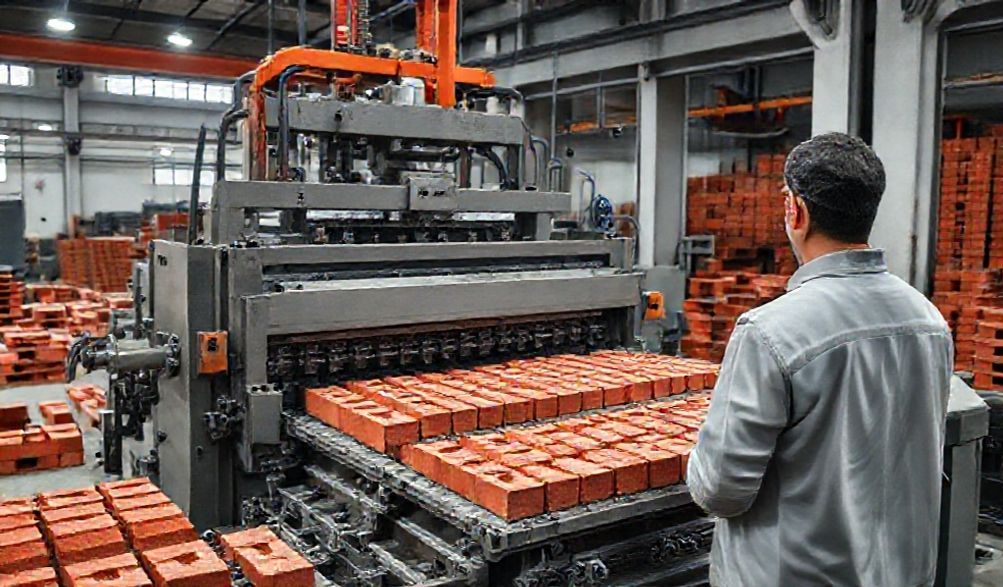
The Ultimate Guide to China’s Brick King Machine: Efficiency, Cost & How to Choose
ການແນະນຳ
The global construction industry runs on a simple, foundational element: the brick. From affordable housing projects to commercial developments, the demand for high-volume, cost-effective brick production is relentless. In meeting this global need, one manufacturing hub stands unrivaled—China. For entrepreneurs and construction companies worldwide, the quest for efficiency often leads to a single, powerful class of equipment: the China Brick King Machine.
But what exactly is a “Brick King” machine? In industry parlance, this term has come to signify a specific category of high-output, robust, and typically semi- or fully-automatic brick making machines manufactured in China. It represents the sweet spot—a machine that delivers king-like productivity without the royal price tag of Western or Japanese counterparts. It’s the workhorse designed to empower businesses, not bankrupt them.
This guide serves as your definitive resource. Our purpose is to cut through the marketing noise and provide an expert, unbiased analysis based on deep industry knowledge. We will equip you with the information needed to make a confident, informed purchase decision, helping you navigate the vast market, identify credible partners, and avoid costly pitfalls. We’ll delve into the efficiency, cost, and critical selection criteria for sourcing your own China Brick King machine.
What is a “Brick King” Machine? Unpacking the Terminology
The name “Brick King” isn’t a formal brand, but a descriptive title earned through performance. It’s a term used by manufacturers and buyers alike to denote a machine that rules in its segment—balancing substantial output with automation and affordability.
Core Features and Capabilities
A true Brick King machine is defined by a set of core characteristics that separate it from smaller setups and mega-industrial plants.
- High Output: These are production powerhouses. Typical output can range from 8,000 to 20,000 standard bricks per 8-hour shift, depending on the model and configuration. This makes them ideal for medium to large-scale projects or commercial brick-selling businesses.
- Significant Automation: While not always fully robotic, a Brick King minimizes heavy manual labor. Key processes like mixing, conveying, pressing, and stacking are mechanized. Most are controlled via a user-friendly ເຄື່ອງຄວບຄຸມເຫດຜົນທີ່ສາມາດຕັ້ງໂປຣແກຣມໄດ້ (PLC) system, ensuring consistent quality and easier operation.
- Versatile Production: A key advantage is mold interchangeability. A single Brick King machine can typically produce a wide array of products:
- Solid and Hollow Blocks
- Pavers and Interlocking Bricks
- ຂອບທາງ
- Fly Ash Bricks
- Cement-based blocks of various dimensions
It sits distinctly between low-output, manual machines (requiring intensive labor) and custom-built, ultra-high-volume factory lines (requiring massive capital).
Why “King”? The Value Proposition
The “King” moniker is justified by a compelling value proposition that resonates globally.
- Productivity Monarch: It delivers a level of output that can transform a business, enabling owners to meet large contracts and scale operations.
- Reliability Reigns: Modern Chinese engineering, using quality components like Siemens PLCs and Taiwanese hydraulic systems, ensures these machines are built for durability in demanding conditions.
- The Price-Performance Throne: This is the cornerstone. A Brick King machine offers 70-90% of the productivity of a European machine at often 30-50% of the cost. This unbeatable ratio is what crowns it the king for cost-conscious, growth-focused buyers worldwide.
Key Advantages of Sourcing from China
Choosing to source your brick-making machinery from China is a strategic decision with tangible benefits beyond just the initial price point.
Unbeatable Cost-Effectiveness
The cost advantage is systemic, rooted in China’s manufacturing ecosystem.
- ຜົນປະໂຫຍດຈາກການຂະຫຍາຍຂະໜາດການຜະລິດ Concentrated supply chains for steel, electronics, and hydraulic parts drive down component costs.
- Competitive Market: A high number of manufacturers fosters competition, benefiting the buyer with better prices and more options.
- Direct-to-Buyer Models: Many factories sell directly online or through trade platforms, eliminating multiple layers of intermediaries and their markups.
Technological Maturity and Innovation
The outdated stereotype of Chinese manufacturing producing only “cheap copies” is just that—outdated. The brick machinery sector showcases significant innovation.
- Advanced Control Systems: Modern machines feature sophisticated PLC and touch-screen interfaces for precise control over pressure, vibration frequency, and curing time.
- ປະສິດທິພາບດ້ານພະລັງງານ Newer models incorporate efficient hydraulic systems and motors, reducing long-term operational costs.
- Material Adaptability: R&D focuses on machines that can efficiently use local, often low-cost raw materials like fly ash, slag, crushed stone, and varying soil types.
Variety and Customization Options
No two projects are identical, and Chinese suppliers excel at providing tailored solutions.
- Model Diversity: You can choose from stationary plants, mobile block machines (ideal for on-site production), hydraulic press types, and vibration-press models.
- Mold Customization: This is a major strength. Reputable manufacturers will design and fabricate custom molds to your exact brick specifications—be it a unique shape, size, or surface texture—often for a reasonable fee.
- Modular Design: Many machines are designed to be upgraded or have their production lines expanded with additional automation (like automatic pallet feeders or brick stackers) as your business grows.
Critical Factors When Choosing Your Supplier
Your supplier choice is more critical than the machine model itself. A reliable partner ensures a smooth process and long-term success.
Verifying Manufacturer Credentials (Trust & Authority)
Due diligence is non-negotiable. Start by verifying the supplier’s legitimacy.
- Business Licenses: Request their official business license. On platforms like Alibaba, look for “Verified Supplier” status and “On-site Check” reports, which indicate a third-party has visited the factory.
- ການຕິດຕາມບັນທຶກ Prefer suppliers with a history. A company operating for 10+ years has likely navigated technical and export challenges successfully.
- Certifications & Patents: Look for relevant quality management certifications (ISO 9001 is a good sign) and any patents on machine design, which indicate investment in R&D.
Assessing Real Expertise and Experience
Credentials on paper must be backed by practical know-how.
- Ask for Evidence: Request a detailed client list and project case studies with photos/videos, especially from customers in regions similar to yours (e.g., similar climate, raw materials).
- Technical Dialogue: Engage their engineers. Ask specific questions about material adaptation, troubleshooting common faults, or recommended maintenance schedules. Their response will reveal their depth of knowledge.
- Video Testimonials: Pre-recorded video testimonials from international clients are more credible than stock photos.
Beyond the Price Tag: Understanding the Quote
A surprisingly low quote is often the most expensive option in the long run. Scrutinize what is included.
- A Comprehensive Quote Should Cover:
- Machine base price
- Cost of standard and/or custom molds
- Spare parts kit (essential wear parts like seals, gaskets)
- Professional, illustrated English operation & maintenance manuals
- Warranty terms (duration and parts covered)
- Technical support package
- Shipping Terms: Understand FOB (Free On Board) vs. CIF (Cost, Insurance, and Freight). FOB means you arrange and pay for shipping from the Chinese port; CIF includes shipping to your nearest port.
- The Hidden Cost Trap: Extremely low prices may indicate inferior materials (e.g., low-grade steel, counterfeit PLCs), lack of proper testing, or no after-sales support, leading to high downtime and repair costs.
The Procurement and After-Sales Process
A transparent process is a hallmark of a reliable supplier. Knowing what to expect reduces anxiety and risk.
Step-by-Step: From Inquiry to Installation
A standard professional procurement flow looks like this:
1. Inquiry & Negotiation: You specify requirements; they provide a formal proforma invoice.
2. Contract & Payment: Sign a sales contract. Use secure payment methods (e.g., T/T with 30% deposit, 70% before shipment, or Letter of Credit).
3. Production & Inspection: The machine is manufactured. This is when you should schedule a pre-shipment inspection.
4. Shipping & Delivery: The supplier arranges export customs; you or your agent handles import customs at destination.
5. Installation & Commissioning: The supplier provides remote guidance via video call. On-site installation is usually a paid extra service.
Ensuring Quality: The Importance of Pre-Shipment Inspection
Never skip this step. It is your primary quality control.
- Options: Hire a reputable third-party inspection company (e.g., SGS, BV) or, ideally, plan a factory visit yourself.
- Inspection Checklist:
- Build Quality: Welding seams, thickness of steel frames, paint finish.
- Components: Verify brands of major parts (motor, PLC, hydraulic pump).
- Test Run: Witness a full production cycle using raw materials similar to yours. Measure brick dimensions and test compressive strength if possible.
- Packing: Check if the machine is properly disassembled, protected, and crated for ocean freight.
After-Sales Support: The True Test of a Supplier
Support after payment separates the best from the rest.
- Comprehensive Documentation: Insist on clear, English-language manuals with diagrams and part numbers.
- Responsive Troubleshooting: The supplier should offer timely remote support via WhatsApp, Skype, or email to diagnose issues.
- Warranty Execution: Understand the process for claiming warranty parts. How quickly are they shipped?
- Long-Term Partnership: A good supplier will provide technical drawings and assist you in sourcing wear parts locally in the future, ensuring your machine’s lifespan extends for years.
Maximizing Your Investment: Operation and Maintenance
Your machine is a capital asset. Proper operation and care protect your investment and ensure profitability.
Best Practices for Optimal Performance
- ການກະກຽມວັດຖຸດິບ This is 50% of success. Ensure your raw materials (soil, sand, cement, fly ash) are properly screened to remove debris. The moisture content is critical—too wet or too dry will affect brick quality and machine performance. Share material samples with your supplier for optimal mix ratio advice.
- Systematic Operation: Follow the startup and shutdown sequences in the manual. Do not overload the mixer or force the machine if it jams. Monitor the brick density and adjust the pressure/vibration settings gradually.
Routine Maintenance Schedule
Preventive maintenance is far cheaper than major repairs.
- Daily: Clean the machine thoroughly, especially the mold cavity and mixer. Check for loose bolts and nuts. Lubricate all guide rails and moving parts as per the manual.
- Weekly: Inspect hydraulic hoses for leaks. Check electrical connections for tightness. Clean or replace air filters.
- Monthly: Perform a more thorough inspection of wear parts like mold liners, mixer blades, and conveyor belts. Check hydraulic oil level and quality.
Sourcing Spare Parts Efficiently
- Identify Critical Wear Parts: Early on, identify parts most prone to wear (seals, O-rings, specific bearings, mold liners).
- Initial Stock: Purchase a recommended spare parts kit from the manufacturer with your machine.
- Long-Term Strategy: With the technical drawings, you can often source generic parts (bearings, seals) locally. For proprietary parts, maintain a good relationship with your original supplier for reliable, genuine replacements.
FAQ Section
Q1: What is the average price range for a Brick King machine from China?
A: Prices vary widely based on automation level and output. A solid semi-automatic model can start around $15,000 – $25,000. A fully automatic, high-output production line can range from $40,000 to over $80,000. The final price depends on configuration, mold costs, and chosen components.
Q2: Can the machine be adapted for local raw materials in my country?
A: Absolutely. Reputable manufacturers expect this. The key is to provide detailed samples of your local raw materials (soil, sand, fly ash) for their engineers to analyze. They can then recommend the optimal mix ratio and may adjust machine settings or suggest specific mold designs for your materials.
Q3: How long is the typical warranty, and what does it cover?
A: A standard warranty is 12 months for core mechanical and hydraulic parts, excluding wear parts like molds and seals. Some offer extended warranties. Crucially, get the exact warranty terms in writing in your contract, detailing what is covered, the claim process, and who bears shipping costs for replacement parts.
Q4: What are the shipping costs and logistics like?
A: Shipping is a major variable. It depends on machine volume, weight, and your destination port. Suppliers quote either FOB (you handle main shipping) or CIF (they handle to your port). For CIF, costs can be $3,000 – $8,000+. Always work with a trusted freight forwarder who can handle customs clearance in your country.
Q5: Do suppliers offer installation and training services?
A: Most provide detailed remote installation guidance and training via video call (e.g., Zoom, WhatsApp) as part of the package. Dispatching an engineer for on-site installation is typically an additional service, costing $150-$300 per day plus flights and accommodation. For first-time buyers, this on-site service can be a valuable investment.
ສະຫຼຸບ
Sourcing a China Brick King machine represents a significant opportunity to acquire industrial-grade productivity at a transformative price point. As we’ve explored, the advantages in cost, technology, and customization are substantial. However, the path to a successful investment is paved with diligent research and strategic partnership.
The key takeaway is this: Your success hinges less on finding the absolute cheapest machine and more on identifying the most credible, experienced, and supportive supplier. A reliable partner acts as an extension of your team, ensuring quality, providing unwavering support, and ultimately safeguarding your ROI.
Use this guide as your checklist. Verify credentials, demand transparency, prioritize after-sales, and never compromise on a pre-shipment inspection. With this expert approach, you can confidently crown your brick production business with a true “King” of efficiency and value.
<