
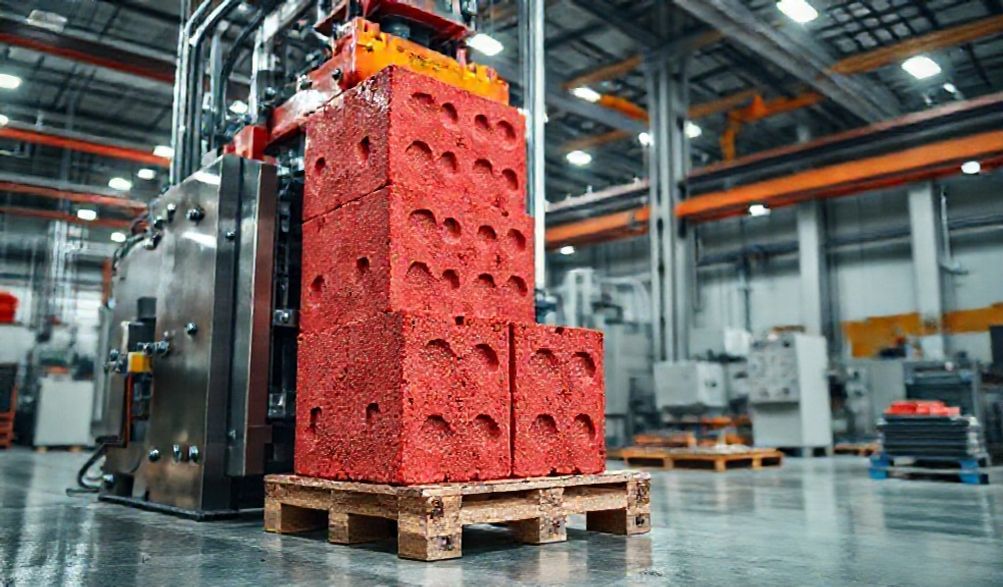
The Ultimate Guide to Bricks Made Machines: Inside the FUDA Block Making Factory
ການແນະນຳ
In the world of construction, the humble brick and concrete block remain the fundamental building blocks of modern civilization. Yet, the process of creating them has undergone a revolution. Gone are the days of purely manual, inconsistent labor. Today, the backbone of efficient, cost-effective, and large-scale construction is the automated brick and block making machine.
This comprehensive guide is written from years of direct industry experience in construction machinery and factory operations. We will provide an authoritative, in-depth look at modern brick-making machines, with a special focus on the renowned ບໍລິສັດຜະລິດບລັອກ FUDA. For contractors, builders, and entrepreneurs, understanding the machinery that produces these essential materials is crucial for efficiency, cost management, and project success. This post will demystify the technology, processes, and distinct advantages of partnering with a leading manufacturer like FUDA.
ການເຂົ້າໃຈກ່ຽວກັບເຄື່ອງຈັກການຜະລິດດິນຈີ່ ແລະ ບລັອກສະໄໝໃໝ່
The term “bricks made machine” encompasses a sophisticated range of equipment designed to transform raw materials—cement, aggregates, sand, and water—into precise, high-strength building components. Let’s break down how this technology works.
From Manual Molding to Full Automation: A Brief Evolution
The journey of block production is a story of increasing precision and diminishing physical strain.
- The Manual Era: For centuries, bricks and blocks were formed by hand-packing moist material into wooden molds. This process was incredibly labor-intensive, slow, and yielded products of variable size and strength.
- The Mechanization Shift: The introduction of simple mechanical presses in the early 20th century increased output. However, these machines still required significant manual intervention for feeding and handling.
- The Automation Revolution: The advent of hydraulic systems, programmable logic controllers (PLCs), and automated material handling birthed the modern block making machine. Today’s systems can operate with minimal human oversight, producing thousands of perfectly identical blocks per day.
Core Components of a “Bricks Made Machine”
A modern block machine is an integrated system. Its efficiency stems from the seamless operation of several key components:
- ມິກເຊີ: The starting point. This ensures a homogenous, properly proportioned blend of raw materials, which is critical for final block strength.
- ລະບົບສາຍພານ: Transports the mixed concrete from the mixer to the machine’s feed hopper, enabling continuous production.
- Feed Hopper & Feeder: Precisely distributes the concrete mix into the mold cavity.
- Mold (or Mold Box): The heart of the machine. This high-strength steel component defines the block’s shape, size, and design (e.g., hollow, solid, interlocking).
- ລະບົບການສັ່ນສະເທືອນ: High-frequency, powerful vibrations compact the concrete within the mold, removing air pockets and creating a dense, strong block.
- ລະບົບນ້ຳມັນເຄື່ອງ: Provides the immense pressure needed to compress the vibrated concrete and then eject the freshly formed block onto a pallet or conveyor.
- ແຜງຄວບຄຸມ The brain of the operation. Modern panels feature touchscreen interfaces and PLCs, allowing operators to set parameters, monitor production, and diagnose issues.
Types of Blocks Produced by Modern Machines
Versatility is a hallmark of contemporary machinery. By simply changing the mold, a single machine can produce a wide array of products:
- ດິນຈີ່ກົມກ່ອງ: The most common, used for load-bearing and partition walls. Their hollow cores improve insulation and reduce weight.
- ບລັອກແຂງ: Used where maximum strength and density are required, such as in foundations or heavy-duty paving.
- ກ້ອນຫີນປູທາງ ແລະ ອິດຕໍ່ກັນ For driveways, walkways, and patios. Interlocking designs create stable surfaces without mortar.
- Curb Stones & Grass Pavers: For landscaping, road edging, and permeable paving solutions.
- Specialty Shapes: Machines can be fitted with custom molds for unique architectural blocks, vent blocks, or chimney blocks.
Spotlight on FUDA Block Making Factory: A Model of Expertise
When investing in heavy machinery, the manufacturer’s reputation is as important as the machine’s specifications. The FUDA block making factory has established itself as a benchmark for quality and reliability in the global construction equipment sector.
Who is FUDA? A Legacy in Construction Machinery
FUDA is not just a manufacturer; it’s a specialized engineering enterprise focused on concrete product machinery. With a history rooted in deep technical expertise, the company has grown from a regional player to an international exporter. Its mission consistently revolves around innovating to make block production more accessible, efficient, and profitable for businesses of all sizes. This commitment to research and development ensures their machines incorporate the latest advancements in hydraulic efficiency and control systems.
Inside the FUDA Factory: Precision Engineering and Quality Control
A tour of the FUDA factory reveals why their machines stand out. It is a model of disciplined manufacturing.
- ການຜະລິດແບບຊັດເຈນ: Components are fabricated using CNC machinery, ensuring tolerances are exact. This precision is vital for the smooth, long-term operation of the block machine.
- Stringent Quality Assurance: Every machine undergoes a rigorous multi-stage inspection process. This includes testing of individual components, subsystem checks (hydraulics, vibration), and a full production run test before shipment.
- ວັດສະດຸຊັ້ນສູງ: FUDA machines are built to last. They utilize high-tensile steel for frames and molds, renowned hydraulic brands like Yuken or Rexroth for reliable power, and industrial-grade PLCs and electrical components. This focus on quality materials minimizes downtime and extends the machine’s operational life.
The FUDA Machine Portfolio: From Semi-Auto to Fully Automatic Lines
FUDA offers a scalable solution for every need, from small-scale entrepreneurs to large industrial block yards.
- ເຄື່ອງຈັກກົງເຄື່ອງກາງ: Ideal for starting a business or medium-scale projects. These machines automate the core forming process (vibration, pressing, ejection) but require manual handling of blocks and pallets. Outputs can range from 1,000 to 5,000 blocks per 8-hour shift.
- ເຄື່ອງຈັກຢູ່ກັບທີ່ແບບອັດຕະໂນມັດເຕັມຮູບແບບ: These are the workhorses of high-volume production. Integrated pallet circulators, stackers, and conveyors create a continuous production line. They may only require 2-3 personnel for monitoring and feeding. Capacities can soar to 10,000 – 30,000 blocks per day.
- ເຄື່ອງຈົກຕັນມືຖື A versatile solution for producing blocks directly on a construction site, eliminating transport costs for the finished product.
- Complete Automatic Production Lines: These are turnkey factories-in-a-box. They include automatic batching plants, mixers, block machines, curing systems, and stackers. They represent the pinnacle of efficiency for dedicated block manufacturing plants.
Key Advantages of Using a FUDA Block Making Machine
Choosing a FUDA machine translates into tangible, bottom-line benefits for your construction or manufacturing business.
Unmatched Efficiency and High Output Capacity
Automation is the ultimate productivity multiplier. A FUDA automatic line can produce in one hour what might take a manual team days to accomplish. This drastic reduction in production time directly lowers labor costs per block and enables you to meet tight project deadlines or take on more work.
Superior Block Quality and Consistency
Machine precision equals product precision. The combination of calibrated hydraulic pressure and optimized vibration frequency ensures every block from a FUDA machine has:
* High Density and Compressive Strength: Essential for structural safety.
* Dimensional Uniformity: Blocks are identical in size, making laying faster, reducing mortar use, and creating cleaner wall lines.
* ພື້ນຜິວທີ່ສົມບູນດີເລີດ Requires less plaster or finishing work.
This consistency drastically reduces waste and callbacks on construction sites.
Remarkable Cost-Effectiveness and ROI
While the initial investment is significant, the return on investment is compelling.
* Lower Material Cost: Producing blocks on-site or in your own yard cuts out the middleman and transport margins.
* Labor Savings: One automated line replaces dozens of manual laborers.
* Durability & Low Maintenance: The robust design and quality components mean fewer breakdowns and lower lifetime maintenance costs, protecting your investment for years.
Versatility and Customization Options
A FUDA machine is not a one-trick pony. The ability to swap molds allows you to produce a product mix that matches market demand. Furthermore, FUDA’s engineering team can work with clients to develop custom molds for unique block designs, enabling you to cater to specific architectural trends or regional building standards.
Critical Factors When Choosing Your Block Making Machine
Making an informed purchase decision requires careful analysis of your own needs and a critical eye on machine specifications.
Assessing Your Production Needs: Scale and Block Type
Before looking at brochures, ask yourself:
* What is my required daily or monthly output in blocks?
* What types of blocks (hollow, solid, paving) are in highest demand in my market?
* What is my available factory or yard space?
* What power supply (3-phase industrial power) is available?
* What is my raw material source (local sand, aggregate, potential for fly ash)?
Machine Specifications You Must Scrutinize
Do not overlook these technical details:
* Pressure Capacity: Measured in tons or kN. Higher pressure generally produces denser, stronger blocks.
* Vibration Motor Power & Frequency: Determines how well the mix is compacted.
* ເວລາຮອບວຽນ: How many seconds for one complete mold cycle? This directly dictates maximum output.
* ລະດັບການອັດຕະໂນມັດ Semi-auto, fully auto, or a complete line? Match this to your labor and output goals.
* ຂະໜາດຂອງກະຕ່າ Standardizes your block handling and curing process.
The Importance of After-Sales Support and Training
The best machine is only as good as the support behind it. This is a non-negotiable factor.
* Warranty: What is covered and for how long?
* ສ່ວນປະກອບທີ່ມີຢູ່: Are wear-and-tear parts (molds, hydraulic seals) readily available locally or via fast shipping?
* Technical Support: Does the factory offer remote (phone, video) and potentially on-site troubleshooting?
* Installation & Training: Will engineers assist with setup and comprehensively train your operators?
Reputable manufacturers like FUDA typically provide a robust support structure, including detailed manuals, video guides, installation supervision, and a dedicated technical support hotline. This ensures your machine becomes a productive asset from day one.
FAQ: Your Questions About Bricks Made Machines and FUDA Answered
Q1: What is the average starting investment for a FUDA semi-automatic machine?
A: Pricing varies significantly based on model, configuration, and optional features. A basic semi-automatic machine can start in the range of $15,000 – $30,000, while high-capacity fully automatic lines can range from $50,000 to $200,000+. The most accurate way to determine cost is to consult directly with FUDA’s sales team with your specific requirements.
Q2: Can FUDA machines use local raw materials like fly ash or crushed aggregate?
A: Absolutely. Modern block machines are designed to be adaptable. FUDA machines can work with a wide range of raw materials, including Portland cement, fly ash (a excellent and eco-friendly additive), slag, crushed sand, and various local aggregates. The key is developing a consistent and correct mix design for your specific materials to ensure optimal block strength.
Q3: How many operators are needed to run a fully automatic FUDA block making line?
A: One of the major benefits of automation is labor efficiency. A typical fully automatic line from FUDA can be efficiently monitored and run by 2 to 3 operators. Their roles would involve overseeing the control panel, ensuring the raw material feed hopper is stocked, and managing the output of stacked blocks.
Q4: What is the lead time for delivery and installation from the FUDA factory?
A: Lead times depend on the complexity of the machine ordered and the destination. Generally, after order confirmation and payment, you can expect production and shipping to take approximately 30 to 60 days. For complete lines or custom orders, this may be longer. FUDA will provide a projected timeline upon order placement.
Q5: Does FUDA provide guidance on setting up a complete block yard, not just the machine?
A: Yes, a reputable factory like FUDA acts as a partner. They often provide layout planning assistance for your entire production area, including recommendations for ancillary equipment like concrete mixers, pallet conveyors, forklifts, and curing racks. This holistic approach helps you establish an efficient and profitable operation from the ground up.
ສະຫຼຸບ
Investing in a brick and block making machine is a significant step toward construction autonomy, supply chain control, and long-term profitability. In this crucial decision, the choice of manufacturer is paramount, impacting everything from your daily output and product quality to the long-term viability and growth of your operation.
ພຣະອົງບໍລິສັດຜະລິດບລັອກ FUDA represents a synthesis of practical experience, precision engineering expertise, and a trustworthy commitment to client success. This is evidenced not just in their robust, reliable machinery, but in their comprehensive support framework designed to ensure you succeed. By prioritizing quality, efficiency, and a reliable partnership—as exemplified by industry leaders like FUDA—you do more than buy a machine; you lay the strongest possible foundation for your future building projects, literally and figuratively.
Ready to explore how a FUDA bricks made machine can transform your operation? The next logical step is to consult directly with their engineering team to analyze your specific needs and develop a tailored, cost-effective solution.
<