
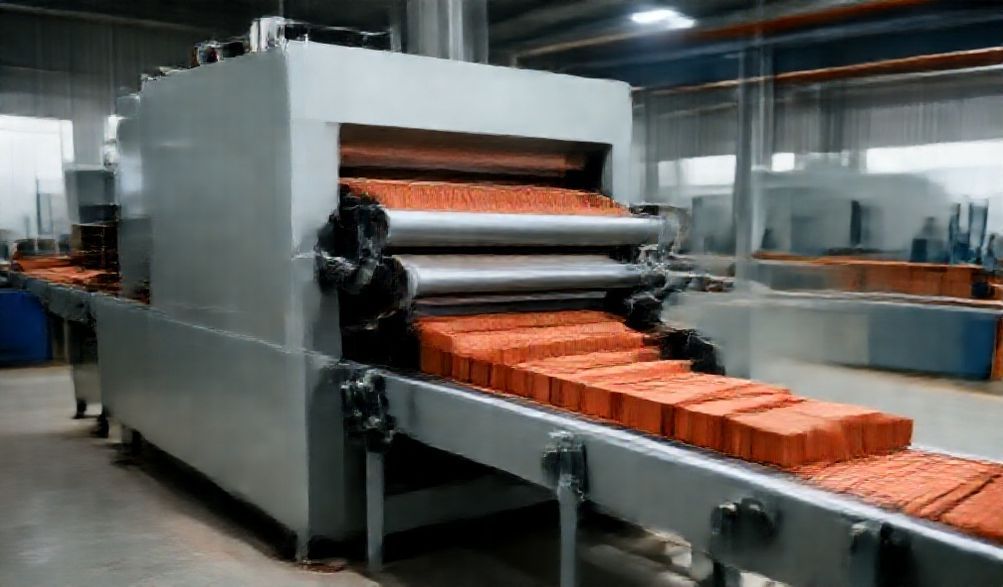
Clay Brick Making Machine Price in Chennai: 2026 Guide & Factory Insights from FUDA
ການແນະນຳ
If you’re searching for “clay brick making machine price in chennai-FUDA block making factory,” you’re at a critical decision point. You’re likely a business owner, a construction professional, or an entrepreneur in Tamil Nadu looking to invest in machinery that will define your production capability and profitability for years to come.
We understand that you need more than just a number. You need context, clarity, and a roadmap. This guide is designed to be that comprehensive resource. We’ll dissect the factors that influence cost, provide transparent price range analyses for the Chennai market, and offer a strategic look at evaluating manufacturers like FUDA.
A crucial note upfront: While we will provide detailed market frameworks and insights, a specific, final quote will always require direct consultation with manufacturers. Our goal is to arm you with the knowledge to have those conversations confidently, ensuring you get the best value for your investment in Chennai’s vibrant construction ecosystem.
ການທຳຄວາມເຂົ້າໃຈກ່ຽວກັບເຄື່ອງຈັກຜະລິດດິນຈີ່: ປະເພດແລະການນຳໃຊ້
Before diving into price tags, it’s essential to understand the tool you’re investing in. The right machine is not just an expense; it’s the engine of your business.
ເຄື່ອງຈັກຜະລິດດິນຈີ່ດິນເຜົາແມ່ນຫຍັງ?
A clay brick making machine automates the process of forming raw clay—often mixed with additives like fly ash—into solid, uniform bricks or blocks. It replaces labor-intensive manual molding with a mechanized system that compresses the material under high pressure within a mold. The core benefits are:
* Scalability: Dramatically increases output compared to manual methods.
* ສອດຄ່ອງ Produces bricks of identical size, shape, and density.
* ປະສິດທິພາບ Reduces dependency on skilled labor and accelerates project timelines.
Common Types of Machines Used in Chennai
The Chennai market caters to businesses of all scales. The machine you choose directly dictates your initial investment and operational model.
-
ຄູ່ມື / ເຄື່ອງຈັກຜະລິດດິນຈີ່ຝຸ່ນຖ່ານບົດ:
- Best for: Startups, very small-scale operations, or ancillary production.
- ການດຳເນີນງານ: Requires significant manual intervention for feeding and ejection.
- ຜົນລັບ: Lower, often suitable for niche or local demand.
-
Semi-Automatic Clay Brick Machines:
- Best for: Growing small to medium enterprises (SMEs).
- ການດຳເນີນງານ: Automates the pressing and molding process but may require manual handling for raw material feeding or brick removal.
- ຜົນລັບ: Offers a strong balance between cost, control, and productivity.
-
ເຄື່ອງຈັກຜະລິດບລັອກແບບອັດຕະໂນມັດທັງໝົດ:
- Best for: High-volume commercial production. This is likely the specialty of established factories like FUDA.
- ການດຳເນີນງານ: Integrated system with automated feeding, compression, molding, stacking, and sometimes palletizing. Often features a programmable logic controller (PLC).
- ຜົນລັບ: Designed for maximum bricks per hour (BPH) with minimal manual labor.
-
Mobile Brick Machines:
- Best for: On-site production for large infrastructure projects.
- ການດຳເນີນງານ: Mounted on a trailer for mobility, reducing brick transportation costs.
- ຜົນລັບ: Variable, but prized for logistical efficiency on remote sites.
Key Applications in Chennai’s Construction Landscape
The demand for machine-made bricks in Chennai is driven by relentless growth across sectors:
* Residential Building Projects: From individual homes to large apartment complexes.
* Commercial and Industrial Construction: Factories, warehouses, office spaces, and malls.
* ການພັດທະນາພື້ນຖານໂຄງລ່າງ: Government projects, road construction, and public works.
Key Factors Influencing Clay Brick Machine Prices in Chennai
The price variation isn’t arbitrary. It’s a direct reflection of the machine’s capabilities, durability, and the support behind it. Here are the primary levers that affect cost.
ປະເພດເຄື່ອງຈັກ ແລະ ລະດັບການອັດຕະໂນມັດ
This is the most significant price determinant. The jump from manual to semi-automatic represents a major investment in productivity, while the leap to fully-automatic is an investment in industrial-scale output and consistency. Expect the price to increase substantially with each level of automation.
ກຳລັງຜະລິດ (ຜົນຜະລິດຕໍ່ຊົ່ວໂມງ)
Capacity, measured in Bricks Per Hour (BPH), is a key metric. A machine rated for 2,000 BPH will cost less than one rated for 10,000 BPH, even within the same automation category. However, the cost-per-brick produced over the machine’s lifespan is often lower for higher-capacity models.
Brand, Manufacturer Reputation, and Origin
- Indian Manufacturers (like FUDA): Typically offer competitive pricing, better spare parts availability, and service networks attuned to local conditions. They are a strong value proposition for the Chennai market.
- Imported Machines: May carry a premium due to brand reputation, perceived technology edge, or import duties. Crucially, evaluate the local service and parts support for imported brands.
Key Components and Build Quality
A lower price can sometimes mean compromises here, leading to higher long-term costs.
* ລະບົບນ້ຳມັນເຄື່ອງ: The heart of the machine. Robust, reliable hydraulics are non-negotiable for consistent pressure and longevity.
* Mold Quality: High-grade steel molds resist wear and ensure dimensional accuracy over thousands of cycles.
* Frame and Structure: Heavy-duty steel construction minimizes vibration and withstands constant high-pressure operation.
* ລະບົບຄວບຄຸມ: From simple relays to advanced PLC panels, the control system affects ease of use, precision, and diagnostic capabilities.
After-Sales Service and Warranty
This is where the true cost of ownership is defined. A machine priced 10% lower but backed by poor service can become a stranded asset. A reputable supplier in Tamil Nadu should offer:
* A clear, comprehensive warranty.
* Availability of critical spare parts.
* On-site installation and operator training.
* A responsive service team for troubleshooting.
Detailed Price Range Analysis for Chennai Buyers
Disclaimer: The following price ranges are ການຄາດຄະເນຕົວຊີ້ບອກ for the Chennai market as of 2026 and can vary based on the specific factors discussed above, raw material costs, and market dynamics. Always request a formal, itemized quotation.
Entry-Level (Manual/Small Semi-Automatic) Machines
- Price Bracket: ₹ 2 Lakhs – ₹ 8 Lakhs
- ເໝາະສົມສຳລັບ: Entrepreneurs testing the market, very small-scale production, or specific custom brick needs.
- ຂໍ້ຄຳນຶງ Labor costs will be a higher portion of your operational expense.
Mid-Range (Semi-Automatic) Machines
- Price Bracket: ₹ 8 Lakhs – ₹ 20 Lakhs
- ເໝາະສົມສຳລັບ: Established small to medium businesses looking to scale reliably. This is a highly competitive segment in Chennai.
- ຂໍ້ຄຳນຶງ Offers the best blend of control and productivity for many growing operations.
High-Capacity (Fully Automatic) Machines
- Price Bracket: ₹ 20 Lakhs – ₹ 50 Lakhs+
- ເໝາະສົມສຳລັບ: Large-scale brick manufacturers, suppliers to major construction firms, and high-growth businesses.
- ຂໍ້ຄຳນຶງ Requires significant space, stable three-phase power, and a more technical operational approach. The ROI is in volume and efficiency.
Beyond the Sticker Price: Hidden and Recurring Costs
The machine’s invoice is just the beginning. Factor in:
* Installation & Commissioning: Professional setup is crucial.
* Operator Training: Ensures optimal and safe use.
* Raw Material Handling Equipment: Conveyors, mixers, and feeders.
* Mold Customization: For special brick sizes or designs.
* Preventive Maintenance: Regular servicing costs and spare parts inventory.
* ການບໍລິໂພກພະລັງງານ Fully automatic machines have higher horsepower requirements.
Spotlight on FUDA Block Making Factory and Chennai Market
Who is FUDA? An Overview
FUDA is recognized as a manufacturer of block and brick making machinery, with a presence in the southern Indian market, including Tamil Nadu. They are known for catering to a range of production needs, potentially from semi-automatic to fully automatic lines. As with any manufacturer, due diligence is key—prospective buyers should verify current product lines, manufacturing location, and service capabilities directly.
Evaluating a Factory Like FUDA: What to Look For
Whether you visit FUDA or any other supplier, this checklist is vital:
1. Factory Tour: See the manufacturing process. Are they using quality materials and precision engineering?
2. Live Machine Demo: Don’t just see a static model. Request a demo with raw materials similar to what you’ll use.
3. Client Portfolio & References: Ask for contacts of existing customers, preferably in and around Chennai, and speak to them.
4. Service Center Verification: Where are their nearest service engineers and spare parts warehouses located?
5. Technical Support: Assess their willingness to provide detailed technical specifications and post-sales support plans.
The Chennai Supplier Landscape
Chennai is a hub for industrial machinery. While FUDA is one player, the market includes other domestic manufacturers, regional dealers, and representatives of national brands. This competition is beneficial for you. Always obtain and compare multiple detailed quotations. This not only helps with pricing but also reveals differences in warranty terms and service proposals.
How to Get the Best Value for Your Investment
Clearly Define Your Production Needs
Go beyond “I need a brick machine.” Create a simple business plan:
* Projected Daily Output: How many bricks do you need to sell?
* Brick Types & Sizes: Solid, hollow, paver? Standard size or custom?
* Available Space & Power: Do you have space for a production line and a 3-phase connection?
* Raw Material Source: What is the quality and consistency of your clay/fly ash supply?
The Importance of Factory Visits and Machine Demos
There is no substitute for seeing and hearing the machine run. Observe:
* The noise and vibration levels.
* The ease of operation and mold changeover.
* The finished brick quality right off the line.
Negotiating the Deal: Service Contracts and Warranty Clarity
Your negotiation should focus on the ຄ່າໃຊ້ຈ່າຍທັງໝົດໃນການຄອບຄອງ.
* Prioritize Service: A slightly higher price with a 2-year comprehensive warranty and guaranteed 48-hour service response is often a better deal.
* Get Everything in Writing: Ensure the warranty covers parts, labor, and what constitutes misuse.
* Ask for Training: Negotiate for thorough training for at least 2-3 of your operators.
Financing and Government Schemes
Explore financial avenues to ease the capital outlay:
* MSME Loans: Various banks offer attractive loan schemes for manufacturing equipment.
* Tamil Nadu State Subsidies: Investigate current state government industrial promotion policies or capital investment subsidies that may apply to brick manufacturing units.
* Manufacturer Financing: Some larger manufacturers may have tie-ups with financial institutions.
Frequently Asked Questions (FAQ)
Q1: What is the starting price for a basic clay brick making machine in Chennai?
A: For a manual or small semi-automatic machine, prices can start from approximately ₹ 2-3 Lakhs, depending on specifications and brand. It’s essential to request detailed quotations from suppliers.
Q2: Why is there such a wide range in prices for these machines?
A: The price variation is due to differences in automation (manual vs. automatic), production capacity, build quality, brand reputation, and the inclusion of after-sales support. A high-BPH automatic machine will cost significantly more than a manual one.
Q3: Is FUDA the only manufacturer, or should I consider others?
A: Chennai has several machinery manufacturers and suppliers. While FUDA is a known name, we recommend researching and comparing multiple reputable companies based on your specific needs, budget, and their service network in your area.
Q4: What are the most important after-sales services to look for?
A: Prioritize suppliers who offer comprehensive warranty, readily available spare parts, on-site installation & training, and prompt troubleshooting support within Tamil Nadu.
Q5: Can the machine produce different types and sizes of bricks?
A: Yes, most machines allow for mold changes. However, confirm this with the manufacturer. Custom molds may involve additional costs and lead time.
Q6: What is the typical payback period for this investment?
A: The payback period depends on your machine’s cost, production output, operational efficiency, and local market demand for bricks. A well-run operation with a suitable machine can often see a return on investment within 1.5 to 3 years.
ສະຫຼຸບ
The “clay brick making machine price in Chennai” is not a single number, but a spectrum that reflects your business ambition. It’s a calculation that balances upfront cost with long-term productivity, reliability, and support.
Your journey should move from understanding your own needs, to analyzing the market’s offerings, to finally engaging with manufacturers like FUDA and others from a position of knowledge. Remember, the cheapest machine can become the most expensive if it leads to downtime and lost contracts. Invest in transparency, robust engineering, and a service partnership that ensures your machine remains a profit center for years to come.
Use this guide as your foundation. Do your due diligence, ask the hard questions, and make an investment that builds not just bricks, but a sustainable and prosperous business in Tamil Nadu’s thriving construction industry.
<