
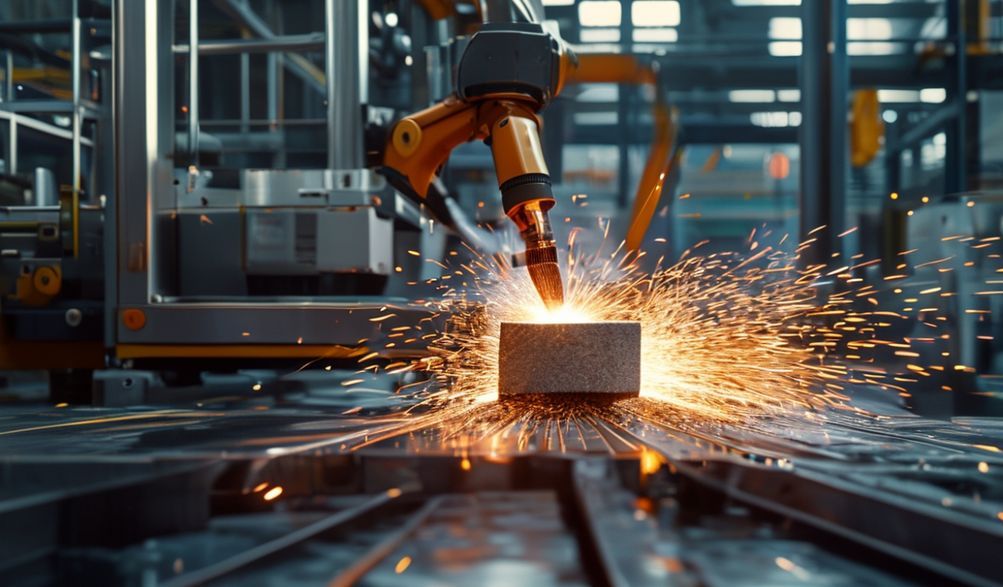
2026 ປີ ຄູ່ມືສູງສຸດສຳລັບເຄື່ອງຈັກຜະລິດບລັອກປະເພດຕ່າງໆ
ການແນະນຳ
ໃນໂລກການກໍ່ສ້າງ ແລະ ການຜະລິດ, ເຄື່ອງຈັກຜະລິດບລັອກເປັນວີລະບຸດຸຍທີ່ບໍ່ໄດ້ຮັບການຍ້ອງຍໍ. ພວກມັນສ້າງຮູບຊົງພື້ນຖານຂອງໂຄງລ່າງພື້ນຖານຂອງພວກເຮົາ, ຕາມຕົວຈິງແລ້ວ. ຕັ້ງແຕ່ດິນຈີ່ທຳມະດາໃນເຮືອນຄອບຄົວ ເຖິງກ້ອນຫີນປູທາງທີ່ສັບຊ້ອນໃນຈະຕຸລະສານເມືອງ, ເຄື່ອງຈັກທີ່ມີພະລັງເຫຼົ່ານີ້ປ່ຽນວັດຖຸດິບເຊັ່ນ: ຄອນກຣີດ, ດິນເຜົາ, ແລະ ຝຸ່ນຖ່ານເປັນຊິ້ນສ່ວນທີ່ມີຄວາມແມ່ນຍຳ ແລະ ທົນທານ.
Choosing the right machine is a critical decision. It directly impacts your productivity, operational costs, and the final quality of your projects. With so many options on the market, the selection process can feel overwhelming.
This comprehensive guide is designed to be your definitive resource. We’ll demystify the various types of block making machines available as we head into 2026. You’ll gain a clear understanding of their core mechanisms, ideal applications, and the key criteria for selection.
Our goal is to empower you to make an informed investment that perfectly aligns with your production goals, whether you’re a small-scale entrepreneur or the manager of a large industrial operation.
1. Understanding Block Making Machines: Core Concepts and Mechanisms
Before diving into the different types, it’s essential to grasp the fundamental principles that all block making machines share.
1.1. What is a Block Making Machine?
- Definition and Basic Function: At its core, a block making machine is a device designed to compress raw material into a mold cavity. This process produces uniform masonry units like blocks, bricks, and pavers.
- The Core Principle: The production follows a consistent sequence: mixing raw materials, feeding them into the machine, compacting them into a specific shape, and then curing the “green” block to achieve its final strength.
1.2. Key Components of a Typical Machine
Every machine, from the simplest to the most complex, is built around several key components:
- Hopper & Feeder System: This is the entry point. The hopper stores the dry or wet mix, and the feeder system (a conveyor, agitator, or feed drawer) delivers a measured amount into the mold.
- Mold or Die: This is the cavity that defines the block’s shape, size, and texture. A major feature of modern machines is interchangeable molds, allowing one machine to produce multiple products.
- Compaction System: The heart of the machine. This system provides the force—through vibration, hydraulic pressure, or a combination—to compress the material, remove air pockets, and create a dense, strong block.
- ລະບົບຄວບຄຸມ: This ranges from simple manual levers and buttons to sophisticated, programmable logic controller (PLC) panels that automate the entire cycle.
- Pallet or Conveyor System: This mechanism moves the freshly formed, uncured “green” blocks from the machine to the curing area, either on individual pallets or via a belt conveyor.
2. Classification by Operation & Automation Level
One of the most fundamental ways to categorize these machines is by how much human intervention they require.
2.1. Manual Block Making Machines
- ພວກມັນເຮັດວຽກແນວໃດ: These are entirely human-powered. Operators manually fill the mold, engage a lever or screw mechanism to apply compaction force, and then release the block onto the ground.
- ຂໍ້ດີ:
- Extremely low initial investment.
- Simple design means easy maintenance.
- No electricity or fuel required.
- ຂໍ້ເສຍ
- Very low output (200-500 blocks per day).
- Highly labor-intensive and physically demanding.
- Inconsistent product density and strength.
- ດີທີ່ສຸດສຳລັບ: Micro-enterprises, community-led building projects, and very low-budget startups in areas with unreliable power.
2.2. Semi-Automatic Block Making Machines
- ພວກມັນເຮັດວຽກແນວໃດ: These machines mechanize the core functions of compaction and block ejection, often using a hydraulic system. However, operators still manually feed material into the hopper and handle the pallets or blocks as they come out.
- ຂໍ້ດີ:
- Excellent balance of cost and output.
- Improved consistency and quality over manual machines.
- Lower physical skill requirement for operators.
- ຂໍ້ເສຍ
- Still requires significant labor for feeding and handling.
- Output is limited by the speed of manual processes.
- ດີທີ່ສຸດສຳລັບ: Small to medium-sized businesses (SMEs) that produce a variety of block types in batches. Ideal for those not yet ready for the capital outlay of a full automatic system.
2.3. Fully Automatic Block Making Machines
- ພວກມັນເຮັດວຽກແນວໃດ: These are computer-controlled production lines. They integrate automatic material batching, conveyor feeding, precision compaction, block ejection, stacking, and pallet return into one seamless operation.
- ຂໍ້ດີ:
- Very high, consistent output (10,000-30,000+ blocks per shift).
- Exceptional product uniformity and quality control.
- Minimal labor required (mainly for supervision and maintenance).
- High overall efficiency and lower per-unit cost at scale.
- ຂໍ້ເສຍ
- Very high capital investment.
- Requires a stable, high-capacity power supply.
- Complex maintenance requiring specialized knowledge.
- ດີທີ່ສຸດສຳລັບ: Large-scale production plants, manufacturers with high-volume contracts, and operations in regions with high labor costs.
3. Classification by Block Production Method & Mobility
This classification focuses on how the machine interfaces with the production site and curing process.
3.1. Static Block Making Machines (Stationary Plants)
- ລາຍລະອຽດ: These are fixed-installation machines. Blocks are produced at one station and then transported (via forklift or conveyor) to a separate curing area like a racking system or yard.
- Types:
- Egg-Laying Machines: Mobile in nature but often used in a static context. They produce blocks directly on the ground or a concrete slab and then “lay” them in rows as they move slightly.
- Static Press Machines: The industry standard for high output. They produce blocks on individual pallets, which are then collected and moved to curing racks.
- ຂໍ້ດີ: Generally higher production capacity, more robust construction for continuous operation, and easier integration with auxiliary equipment (mixers, cubers).
- ຂໍ້ເສຍປຽບ: Requires significant fixed infrastructure, more factory floor space, and a system for handling pallets.
3.2. Mobile Block Making Machines
- ລາຍລະອຽດ: These are self-contained factories on wheels or tracks. The machine moves to the location where the blocks will cure.
- ພວກມັນເຮັດວຽກແນວໃດ: The machine is positioned over a prepared, level surface (often a concrete slab or compacted sand). It produces a batch of blocks directly on that surface, then moves forward or backward to the next position to repeat the process.
- ຂໍ້ດີ: Eliminates the need for pallets and secondary block transportation. Ideal for on-site production for large projects, reducing logistics costs.
- ຂໍ້ເສຍປຽບ: Output is typically lower than high-end stationary plants. Highly dependent on perfect ground preparation. Curing conditions are less controlled.
4. Classification by Compaction Technology
The method used to compact the material is a key differentiator in block quality and machine application.
4.1. Vibration-Based Machines
- Mechanism: Use powerful electric or hydraulic vibrators attached to the mold table. High-frequency vibration consolidates the concrete mix, allowing finer particles to fill voids.
- ຜົນລັບ: Excellent for standard hollow blocks, solid blocks, and lighter-weight paving stones.
- Energy Use: Typically requires less intense hydraulic pressure, focusing energy on vibration.
- Product Finish: Produces blocks with a good surface finish and high dimensional accuracy.
4.2. Hydraulic Press Machines
- Mechanism: Use high-pressure hydraulic rams to apply immense, focused pressure (measured in tons) directly onto the material in the mold.
- ຜົນລັບ: Ideal for producing very high-density products like interlocking concrete blocks (ICBs) for retaining walls, kerbstones, and solid blocks where maximum compressive strength is critical.
- Energy Use: Higher peak power consumption during the intense press cycle.
- Product Finish: Creates blocks with very low porosity, high density, and excellent early strength, often with a smooth, “press-fired” look.
4.3. Combination (Vibro-Compression) Machines
- Mechanism: Integrates the best of both worlds. First, vibration distributes the material evenly in the mold and begins consolidation. Then, a hydraulic press applies final, high-pressure compaction.
- ຜົນລັບ: Considered the industry standard for high-quality, consistent blocks of all types, especially complex shapes like multi-hole hollow blocks.
- Advantage: Achieves optimal density, strength, and surface finish while maintaining good production speed. It ensures the mix is fully compacted even in intricate mold geometries.
5. Choosing the Right Machine: A Decision Framework
Selecting a machine is not about finding the “best” one, but the right one for you. Use this framework to guide your decision.
5.1. Assessing Your Production Needs
Start by asking the fundamental questions:
* What is your desired daily or annual output in number of blocks?
* What types of blocks will you produce? (Solid, hollow, paver, interlocking, specialty?)
* What is your total available budget, including capital expenditure (CAPEX) and operating costs (OPEX)?
5.2. Evaluating Raw Materials
The machine must work with what you have.
* Local Availability: Is the machine compatible with the quality and gradation of local sand, aggregate, and cement?
* Mix Design: Can it effectively handle the specific mix you plan to use, such as high fly-ash content, slag, or lightweight aggregates?
5.3. Analyzing Site & Infrastructure
Be brutally honest about your constraints.
* Space: Do you have enough space not just for the machine, but for raw material storage, a curing yard, and finished goods?
* Power & Water: Is there reliable electricity of the correct voltage and phase? Is there an adequate water supply for mixing and curing?
* ការងារ What is the skill level and cost of your available workforce? Can you train or hire technicians for complex machines?
5.4. Total Cost of Ownership (TCO) Considerations
Look beyond the sticker price.
* Factor in costs for installation, foundation work, and commissioning.
* Consider long-term maintenance costs, spare parts availability, and energy consumption.
* Evaluate the manufacturer’s reputation for after-sales support, training, and expected machine lifespan.
6. Industry Applications and Product Versatility
Modern block making machines are incredibly versatile, producing a wide array of products for diverse construction segments.
6.1. Concrete Block Production
This is the most common application.
* Hollow & Solid Blocks: The backbone of construction for load-bearing and non-load-bearing walls, partitions, and foundations.
* Paving Stones & Slabs: Used in hard landscaping for driveways, walkways, patios, and public plazas. Machines can produce a vast range of colors, shapes, and textures.
* ບລັອກຕິດຕໍ່ກັນ: Designed to lock together without mortar, used for retaining walls, sound barriers, and erosion control.
* Specialty Shapes: Includes kerbstones (curbs), grass pavers for permeable surfaces, chimney blocks, and architectural accents.
6.2. Alternative Material Block Production
A growing sector focused on sustainability and niche materials.
* Fly Ash Brick Machines: Specifically designed to utilize fly ash, a waste product from coal power plants, creating strong, eco-friendly bricks.
* CLC Block Machines: Produces Cellular Lightweight Concrete blocks by introducing a foaming agent into the mix. Results are lightweight, insulating blocks ideal for non-load-bearing applications.
* Compressed Earth Block (CEB) Machines: Use stabilized soil (often with a small amount of cement) to create durable, sustainable building blocks with excellent thermal mass, popular in green building projects.
FAQ: Your Block Making Machine Questions Answered
Q1: What is the average production capacity I can expect from a block making machine?
* A: Capacity varies dramatically. Manual machines may produce 200-500 blocks per day, semi-automatic 1,000-4,000, and fully automatic plants 10,000 to over 30,000 blocks per 8-hour shift. The specific model, block type, and cycle time are the determining factors.
Q2: How much space do I need to set up a block manufacturing unit?
* A: A small semi-automatic operation might need 5,000-10,000 sq. ft. for the machine, raw material storage, curing area, and finished goods yard. Large automatic plants require 1-2 acres or more for an efficient, linear workflow.
Q3: What is the typical lead time and process for installing an automatic plant?
* A: After order placement, manufacturing and shipping can take 30-90 days. Installation, foundation work, and commissioning by trained engineers require an additional 2-4 weeks, depending on plant complexity and local site readiness.
Q4: Can one machine produce multiple types of blocks?
* A: Yes, this is a key feature. Most machines are designed with interchangeable mold boxes. Switching from, for example, hollow blocks to pavers involves changing the mold and may require minor adjustments to vibration frequency or hydraulic pressure settings.
Q5: What are the most critical maintenance routines for ensuring machine longevity?
* A: Daily cleaning of the mold and platform, weekly greasing of all bearings and moving parts, and regular checking of hydraulic oil levels, filters, and hose integrity are essential. Following the manufacturer’s scheduled maintenance plan is non-negotiable for peak performance.
ສະຫຼຸບ
Navigating the diverse landscape of block making machines is a complex but crucial task for any manufacturer or entrepreneur. The right choice is not universal; it hinges on a clear and honest understanding of your own production targets, material constraints, and operational capabilities.
From the admirable simplicity of a manual machine serving a localized need to the relentless, precision efficiency of a fully automated vibro-hydraulic plant feeding a city’s growth, each type of machine serves a distinct and vital purpose in the global construction ecosystem.
Remember, this investment is foundational. It forms the basis of your product quality and business profitability for years to come. Prioritize partnering with reputable manufacturers who offer robust after-sales support, comprehensive training, and readily available spare parts.
By carefully weighing the factors outlined in this guide—automation level, production method, compaction technology, and the true total cost of ownership—you can confidently select a machine that not only meets your current needs but also possesses the durability and flexibility to scale alongside your business growth. Ultimately, the most productive machine is the one that reliably, efficiently, and profitably transforms your raw materials into the quality building blocks your market demands.
<