
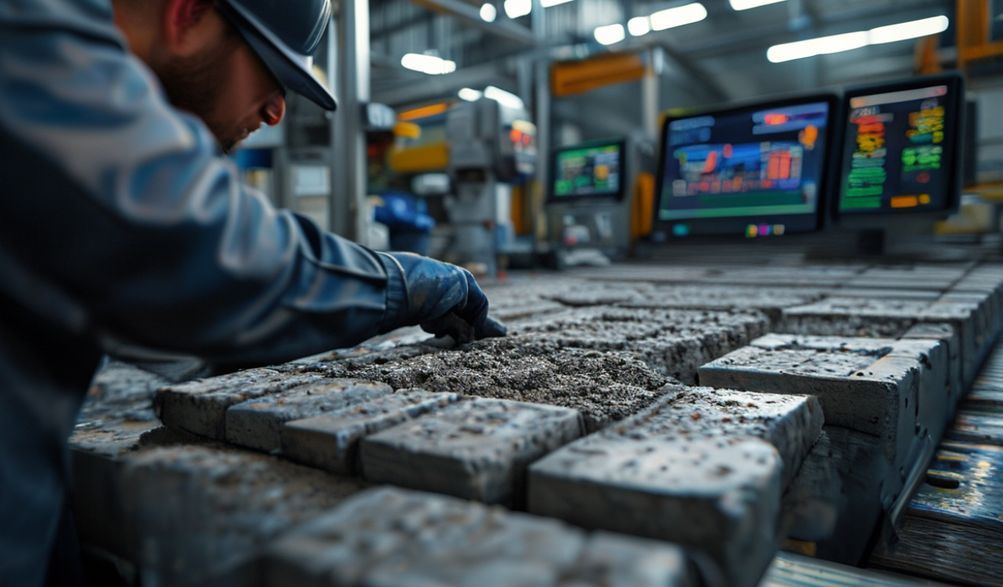
ຄູ່ມືອັນສຸດທ້າຍຂອງທ່ານ ສໍາລັບຜູ້ຜະລິດ ແລະ ຜູ້ສະຫນອງເຄື່ອງຈັກຜະລິດບລັອກປົກຫຸ້ມ
ການແນະນຳ
ໃນໂລກຂອງການກໍ່ສ້າງ, ຈຸດທີ່ອ່ອນແອທີ່ເຊື່ອງຊ້ອນຢູ່ສາມາດທຳລາຍໂຄງສ້າງທັງໝົດໄດ້. ໜຶ່ງໃນຂໍ້ຜິດພາດທີ່ພົບເລື້ອຍ ແຕ່ສຳຄັນທີ່ສຸດແມ່ນການປົກຄຸມຄອນກີດທີ່ບໍ່ພຽງພໍສຳລັບເສັ້ນເຫຼັກເສີມ (rebar). ການປົກຄຸມທີ່ບໍ່ພຽງພໍນຳໄປສູ່ການເສື່ອມສະພາບ, ການລອກລອນ, ແລະການສູນເສຍຄວາມເຂັ້ມແຂງຂອງໂຄງສ້າງຢ່າງຮ້າຍແຮງ, ທັງໝົດນີ້ລະເມີດລະບຽບການກໍ່ສ້າງທີ່ເຄັ່ງຄັດ. ວິທີແກ້? ແຜ່ນປົກຄຸມຄອນກີດທີ່ມີຄຸນນະພາບສູງ ແລະ ສະໝ່ຳສະເໝີ. ແຕ່ການຜະລິດສ່ວນປະກອບທີ່ສຳຄັນເຫຼົ່ານີ້ຢ່າງໜ້າເຊື່ອຖື ແລະ ໃນລະດັບໃຫຍ່ ຂຶ້ນກັບການຕັດສິນໃຈທີ່ສຳຄັນອັນໜຶ່ງ: ການເລືອກເຄື່ອງຜະລິດແຜ່ນປົກຄຸມທີ່ຖືກຕ້ອງ.
ຄູ່ມືນີ້ເກີດມາຈາກປະສົບການໃນສະໜາມອຸດສາຫະກຳຢ່າງເລິກເຊິ່ງ. ພວກເຮົາໄດ້ເຫັນຜົນກະທົບຈາກບລັອກທີ່ມີຄຸນນະພາບຕ່ຳ ແລະ ປະສິດທິພາບທີ່ປ່ຽນແປງໄດ້ຂອງອຸປະກອນທີ່ຖືກຕ້ອງ. ເປົ້າໝາຍຂອງພວກເຮົາແມ່ນເພື່ອໃຫ້ທ່ານມີຄວາມຮູ້ທີ່ຈະນຳທາງຕະຫຼາດທີ່ສັບສົນຂອງຜູ້ຜະລິດເຄື່ອງປົກບລັອກພວກເຮົາຈະວິເຄາະຄຸນສົມບັດທີ່ສຳຄັນ, ສະໜອງລາຍການກວດສອບສຳລັບຜູ້ຊື້ຢ່າງເຂັ້ມງວດ, ແລະ ສະເໜີກອບການປະເມີນຜົນທີ່ໂປ່ງໃສ.
ເພື່ອໃຫ້ການສົນທະນານີ້ຕິດພັນກັບຄວາມເປັນຈິງ, ພວກເຮົາຈະໃຊ້ບໍລິສັດຜະລິດບລັອກ FUDAເປັນກໍລະນີສຶກສາຢ່າງລະອຽດ. ເມື່ອຈົບຄູ່ມືນີ້, ທ່ານຈະເຂົ້າໃຈບໍ່ພຽງແຕ່ວ່າຄວນອ່ານຂໍ້ກຳນົດໃດແດ່, ແຕ່ຍັງຮູ້ວິທີປະເມີນຄວາມສາມາດຕົວຈິງຂອງຜູ້ຜະລິດ, ຮັບປະກັນວ່າການລົງທຶນຂອງທ່ານຈະໃຫ້ຄວາມທົນທານ, ການປະຕິບັດຕາມມາດຕະຖານ, ແລະ ກຳໄລ ໃນຫຼາຍປີຕໍ່ໜ້າ.
ເຄື່ອງຜະລິດບລັອກຄອນກຣີດ (Cover Block Making Machine) ແມ່ນຫຍັງ? ການເຂົ້າໃຈເຕັກໂນໂລຊີຫຼັກ
Before evaluating manufacturers, you must understand the product. A cover block making machine automates the production of the spacers that position rebar within concrete forms, ensuring a precise, code-mandated layer of concrete protects the steel.
The Role of Cover Blocks in Modern Construction
Cover blocks are not mere spacers; they are guardians of structural longevity. Their primary functions are:
* ການປ້ອງກັນການກັດກ່ອນ: They create a physical barrier, preventing moisture, chlorides, and chemicals from reaching the rebar.
* ຄວາມຕ້ານທານໄຟ: Adequate concrete cover provides essential fireproofing to the steel, maintaining structural strength during a fire event.
* ຄວາມໝັ້ນຄົງຂອງໂຄງສ້າງ They ensure rebar is correctly positioned to bear designed tensile stresses, as per codes like ACI 318 (USA) or Eurocode 2 (EU).
Using inconsistent, hand-made blocks jeopardizes all these functions, inviting risk and liability.
How an Automated Machine Transforms Production
Contrast manual production with automation:
* ຄູ່ມື: Labor-intensive, inconsistent dimensions, low output, high variable cost.
* Automated: Precise, high-speed, uniform quality, scalable output, lower long-term cost.
The basic automated process typically involves:
1. ປະສົມ ແລະ ການໃຫ້ອາຫານ: Raw material (plastic granules or dry-mix concrete) is automatically fed into the system.
2. ການປູພື້ນຮູບ: Material is transferred into a precision mold under controlled pressure (injection for plastic) or vibration/compaction (for concrete).
3. Curing/Ejection: For plastic, the part cools and is ejected. For concrete, blocks may be cured before ejection.
4. Stacking & Packaging: Advanced machines include automatic stacking systems for direct packaging.
Key Features to Demand from Your Cover Block Machine Manufacturer
This is where experience matters. Here are the non-negotiable features to scrutinize.
Production Capacity & Output Specifications
Don’t just look at “cycles per hour.” Understand the complete output picture.
* Cycles Per Hour: The machine’s speed.
* Blocks Per Cycle: How many blocks each mold produces (e.g., 4, 8, 12).
* Total Daily Output: Calculate (Cycles x Blocks/Cycle x Operational Hours). Match this to your project pipeline or market demand. A machine too small creates bottlenecks; one too large wastes capital.
Machine Durability & Construction Quality
The machine must withstand 24/7 operation. Inspect:
* ກອບ & ໂຄງສ້າງ Heavy-duty steel welding, not bolted light-gauge frames.
* ລະບົບນ້ຳມັນເຄື່ອງ: Brand-name, reliable cylinders and pumps. Ask about pressure ratings and seals.
* Mold Precision & Material: Molds should be CNC-machined from hardened steel or chromium-plated for wear resistance and perfect block dimensions.
* Electrical Components: Are PLCs, sensors, and motors from reputable brands (e.g., Siemens, Schneider, Omron)?
Versatility in Block Design & Material Compatibility
Your needs may evolve. Demand flexibility:
* ຊະນິດຂອງບລັອກ Can it produce circular, wheel, chair, and slab blocks? Ask about interchangeable mold systems.
* Sizes: Standard sizes (15mm, 20mm, 25mm, 40mm, 50mm) should be easily switchable.
* Material Adaptability: Is the machine designed for plastic (PP, HDPE) via injection molding or concrete/mortar via vibration? Some manufacturers specialize in one type. Know your target product.
Automation Level & Ease of Operation
Automation reduces labor and error.
* ລະບົບຄວບຄຸມ: A user-friendly PLC touchscreen is superior to manual relay controls. It allows for parameter storage for different products.
* Auto-Feeding: Integrated hoppers and screw feeders for consistent material supply.
* Auto-Stacking & Counting: This dramatically reduces post-production handling.
* Safety: Emergency stops, safety gates, and two-hand operation controls are mandatory.
After-Sales Support: The True Test of a Manufacturer
The machine’s price is just the entry ticket. Long-term value is defined by support.
* Installation & Commissioning: Will they send an engineer?
* Comprehensive Training: For operators and maintenance staff.
* Warranty: Scope and duration (e.g., 12 months on parts, excluding wear items).
* Spare Parts Availability: Is there a dedicated parts department? What is the typical lead time? This is often the biggest pain point with weaker suppliers.
Evaluating Cover Block Making Machine Manufacturers: A Buyer’s Checklist
Use this framework to objectively compare potential partners.
Assessing Technical Expertise & Industry Experience
- History: How long have they been designing and building this specific type of machinery? A 20-year-old company that just started making block machines last year lacks depth.
- Engineering Team: Do they have in-house R&D and design capabilities? Can they provide custom solutions for unique block designs?
- Focus: Are they a true manufacturer or a trading company? Manufacturers have greater control over quality and cost.
Verifying Manufacturing Standards & Quality Control
- Factory Audit: If possible, visit. Look for organized production lines, quality inspection stations, and testing of finished machines.
- Certifications: While not a guarantee, ISO 9001 certification indicates a documented quality management system.
- ການທົດສອບ: Ask for videos of the machine you’re interested in running under load. Request test reports on output and block dimensional accuracy.
Analyzing Customer Reviews & Global Project Portfolio
- Go Beyond Website Testimonials: Ask the manufacturer for 2-3 customer references in a region similar to yours. Contact them directly.
- Project Portfolio: A diverse client base across different countries suggests adaptability and reliability. Look for projects with similar scale to yours.
- Check Third-Party Platforms: Industry-specific B2B sites may have buyer reviews.
Understanding Pricing, Value, and Total Cost of Ownership
- Beware the Low-Price Trap: Extremely low quotes often mean compromised components, thin steel, and no support.
- Calculate TCO: Include energy consumption, expected maintenance costs, and the lifespan of wear parts (molds, seals). A slightly more expensive, robust machine often has a lower TCO over 5 years.
- Clarity in Quotation: The quote should be itemized, including FOB/CIF costs, machine specs, spare parts list, and warranty terms.
Case Study: FUDA Block Making Factory – An In-Depth Analysis
Let’s apply our framework to a specific player in the market: ບໍລິສັດຜະລິດບລັອກ FUDA. This analysis is based on publicly available information and serves as a model for how to assess any manufacturer.
Company Overview & Market Position
FUDA Block Making Factory positions itself as a specialized manufacturer of concrete block machinery, including cover block machines. Based in China, they leverage the regional manufacturing ecosystem to produce a range of equipment for the global construction materials market. Their stated focus is on providing cost-effective automation solutions for block production.
FUDA’s Cover Block Machine Product Line Review
Public information indicates FUDA offers machines for both plastic (injection molding)ແລະconcrete/vibrated cover block production. Their typical models range from semi-automatic to fully automatic systems.
* Key Features Often Highlighted: PLC control systems, hydraulic drive, interchangeable molds for different block sizes, and options for auto-stacking.
* Analysis Against Our Checklist:
* Capacity: They offer models with varying outputs, allowing buyers to select based on scale.
* ຄວາມສາມາດຫຼາກຫຼາຍ Emphasis on mold interchangeability is a positive sign for producing multiple product types.
* ອັດຕະໂນມັດ: PLC control is standard in their automatic models, aligning with industry expectations.
Strengths and Considerations
Strengths:
* Direct Manufacturing: As a factory, they potentially have better control over production costs and lead times.
* Product Specialization: Focusing on block making machinery can indicate deeper product-specific expertise.
* Integrated Service: They likely offer a full suite from machine design to after-sales support.
Considerations for International Buyers:
* Service Network: For buyers outside their primary regions, verifying the responsiveness and proximity of technical support or agents is crucial.
* Communication: Ensuring clear, technical communication channels during the inquiry and installation phases is key.
* Documentation: Requesting comprehensive manuals in your required language is a necessary step.
How to Engage with FUDA or Similar Manufacturers
- Prepare a Detailed Inquiry: Specify your required block type, size, material, and target daily output.
- Request Evidence: Ask for a video of the specific machine model in operation, producing blocks.
- Ask for References: Request contact information for 1-2 international clients who have purchased a similar machine in the last 18 months.
- Discuss Logistics & Support: Clarify Incoterms, shipping, installation support, and spare parts logistics. Get a formal warranty document.
- Compare Objectively: Use the exact same checklist and questions with all shortlisted ຜູ້ຜະລິດເຄື່ອງປົກບລັອກ.
Frequently Asked Questions (FAQ)
Q1: What is the approximate price range for a semi-automatic vs. fully automatic cover block machine?
A: Prices vary widely by capacity and region. As a rough guide, semi-automatic machines can range from \$15,000 to \$40,000, while fully automatic lines with stacking can range from \$50,000 to \$150,000+. Always get detailed, itemized quotes based on your specific requirements.
Q2: Can one machine produce different sizes and types of cover blocks?
A: Yes, if it is equipped with an interchangeable mold system. Reputable manufacturers design their machines to allow molds to be changed within minutes to produce different block profiles and sizes, maximizing your machine’s utility.
Q3: What are the main differences between plastic and concrete cover block machines?
A: The core technology differs. Plastic block machines are essentially injection molders: they melt plastic granules and inject them under high pressure into a mold. Concrete block machines use a dry-mix concrete or mortar, compacting it via vibration and pressure into a mold. The choice depends on your market demand for the final product type.
Q4: How important is local after-sales service, and how can I verify it?
A: It is critical. A machine breakdown without local support can halt production for weeks. Verify it by: 1) Asking the manufacturer for their service partner in your country/region, 2) Contacting that partner directly, and 3) Asking reference clients about their actual service experience.
Q5: What are the key maintenance routines for these machines?
A: Daily: Clean molds and machine surfaces. Weekly: Check and lubricate all moving parts, inspect hydraulic hoses for leaks. Monthly: Check hydraulic oil level and condition, tighten bolts and fittings, inspect electrical connections. Always follow the manufacturer’s specific maintenance schedule.
ສະຫຼຸບ
ການເລືອກເອົາຜູ້ຜະລິດເຄື່ອງຈັກຜະລິດບລັອກ is a strategic decision that impacts your product quality, operational efficiency, and bottom line for a decade or more. It transcends a simple price comparison, demanding focus on engineering quality, manufacturing integrity, and—above all—reliable, long-term partnership.
Remember the core principles: scrutinize production capacity and machine durability, demand versatility and automation, and vet after-sales support with the rigor of a forensic accountant. Use the buyer’s checklist provided here as your non-negotiable framework.
We encourage you to take this guide into your discussions with ບໍລິສັດຜະລິດບລັອກ FUDA and other shortlisted suppliers. Ask the hard questions, demand verifiable proof, and make your investment with confidence. For a detailed specification comparison spreadsheet to streamline your vendor evaluation process, download our free buyer’s toolkit.
<