
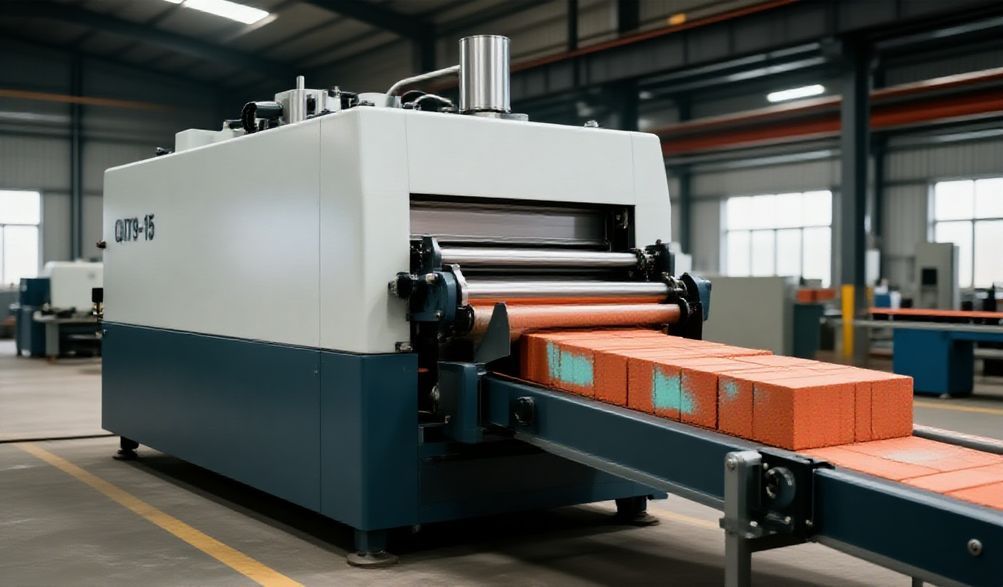
The Ultimate Guide to the QT9-15 Brick Making Machine: Wholesale Insights from FUDA Factory
ການແນະນຳ
In the global construction industry, the pressure to deliver projects on time and on budget is relentless. A critical bottleneck often lies at the very foundation: the consistent, high-volume production of quality bricks and blocks. Sourcing the right machinery shouldn’t be a gamble that jeopardizes your timeline or profitability.
With over 15 years of experience in the concrete product machinery sector—spanning technical evaluation, international procurement, and plant optimization—we’ve witnessed the transformative impact of choosing the right equipment partner. This guide is born from that hands-on experience, specifically in navigating the landscape of Chinese manufacturing.
Our goal is to provide a comprehensive, unbiased analysis of a cornerstone model for medium to large-scale operations: the QT9-15 brick making machine. We’ll place a particular lens on sourcing it through wholesale channels, with a transparent evaluation of a known producer, the ບໍລິສັດຜະລິດບລັອກ FUDA.
This guide is designed to be your strategic resource. You will gain a deep technical understanding of the QT9-15, genuine insights into the wholesale procurement process from China, a framework to assess manufacturers like FUDA critically, and the key factors that separate a successful investment from a costly mistake. Let’s build that knowledge, starting with the machine itself.
Understanding the QT9-15 Brick Making Machine: A Technical Deep Dive
The QT9-15 is not just a machine; it’s a production system. Classified as a fully automatic, stationary block machine, it represents a significant step up from smaller, manual or semi-automatic models, offering a balance of high output, automation, and relative affordability.
ຂໍ້ກໍານົດຫຼັກ ແລະ ຄວາມສາມາດໃນການຜະລິດ
The model number “QT9-15” itself is informative in the Chinese machinery lexicon. “QT” often denotes the series, while the numbers relate to output. A standard interpretation is that it can produce 9 standard hollow blocks (400x200x200mm) per cycle, with a cycle time of about 15 seconds.
Here are the critical specifications that define its capacity:
- ເວລາຮອບວຽນ: 10-15 seconds (depending on block type and mix design).
- Molds per Cycle: 9 pieces of standard hollow blocks (400x200x200mm).
- Theoretical Daily Output:
- 8-hour shift: ~4,300 – 6,480 blocks.
- 24-hour operation: ~13,000 – 19,440 blocks.
- ຂະໜາດຂອງກະຕ່າ Typically 1100mm x 540mm, a standard for high-output lines.
- ຄວາມຕ້ອງການພະລັງງານ: A significant industrial connection, usually around 55-60 kW for the entire system (including host and feeder).
What This Means for Your Business: These numbers translate directly to your project planning and ROI calculations. With an output potential of over 13,000 blocks per day, this machine can supply large housing projects, commercial developments, or municipal infrastructure work. It moves your operation from a “job-site” supplier to a regional wholesale block plant.
Key Components and Their Function
The reliability of the QT9-15 hinges on the quality of its core systems:
- ລະບົບນ້ຳມັນເຄື່ອງ: The heart of the machine. It provides the immense pressure (measured in tons) to compact the concrete mix. A robust, well-designed system with quality pumps and valves ensures consistent block density, smooth operation, and long-term durability with minimal leaks.
- ລະບົບການສັ່ນສະເທືອນ: This is the soul of block strength. High-frequency, synchronized vibrations (usually from multiple motors) consolidate the concrete mix, removing air pockets and ensuring a uniform, high-compressive-strength product. The isolation of this vibration from the machine frame is a mark of good engineering.
- ລະບົບຄວບຄຸມ: The brain. A modern QT9-15 should operate via a Programmable Logic Controller (PLC) with a user-friendly touchscreen interface. This allows for precise control over vibration time, pressure, and cycle sequences, ensuring repeatability and simplifying operation and troubleshooting.
- ການປະກອບພິມພານ The defining tool. The mold is what gives the block its shape. High-wear parts like the mold liners and cores must be made from hardened, high-chromium steel to withstand abrasion and maintain precise block dimensions over millions of cycles.
- ລະບົບການລ້ຽງ: An often-underestimated component. A consistent, measured feed of raw material into the mold is crucial for uniform block weight and quality. Look for a well-designed, adjustable feeder that minimizes spillage and segregation of the mix.
Types of Blocks and Bricks It Can Produce
The true value of the QT9-15 lies in its versatility, achieved through interchangeable molds. Beyond the standard hollow block, it can produce:
- Solid blocks of various dimensions.
- Hollow blocks in different thicknesses and void patterns.
- Paving stones (interlocking and standard).
- Curb stones and garden edging.
- Interlocking bricks for retaining walls.
- Special-shaped blocks for landscaping.
This flexibility allows a single plant to cater to multiple market segments—from structural masonry to hardscaping—maximizing the utility of your capital investment.
Why Source from China? The Wholesale Advantage for Block Machinery
China has become the world’s workshop for industrial machinery for compelling reasons that go far beyond just initial price.
Cost-Benefit Analysis: Initial Investment vs. Long-Term ROI
Let’s address the primary driver: cost. A QT9-15 from a reputable Chinese wholesaler may be priced at 40-60% less than a comparable machine from a European or North American brand. This dramatic difference in initial capital outlay (CAPEX) can be the deciding factor in making a project viable.
However, the analysis must be total cost of ownership (TCO). This includes:
* Initial Machine Cost (Lower from China).
* Shipping and Import Duties (An added cost for international buyers).
* Installation and Training (Similar costs globally).
* Spare Parts Cost Over 10 Years (Often lower from China, but logistics matter).
* Energy Consumption (Comparable on similar models).
* Resale Value (Western brands may retain value better).
For many businesses, the significantly lower entry point from China accelerates the break-even point and improves the long-term ROI, provided the machine’s quality and support are sound.
The Ecosystem of Chinese Manufacturing: Scale and Specialization
Regions like Fujian, Shandong, and Guangdong host dense clusters of machinery manufacturers, foundries, hydraulic component suppliers, and electrical panel shops. This ecosystem creates immense advantages:
- ຂະໜາດ Mass production of common components drives down costs.
- Specialization: Factories often focus on specific machine types (like block makers), honing their expertise.
- Supply Chain Resilience: Easy access to spare parts and technical sub-contractors.
- Innovation & Customization: The competitive environment fosters rapid iteration and a willingness to customize machines for specific client needs, which can be more costly and slow elsewhere.
Evaluating the FUDA Block Making Factory: A Buyer’s Perspective
A Critical Note on E-E-A-T: We are not affiliated with, sponsored by, or partnered with the FUDA block making factory. The following is an evaluation framework based on industry-standard due diligence practices. You should apply this framework to any potential supplier.
Factory Credentials and Industry Standing
Before discussing technical details, verify the business fundamentals. A legitimate manufacturer should transparently provide:
- Business License: A valid Chinese business registration.
- Years in Operation: Longevity often correlates with stability and accumulated experience. Look for a history of at least 8-10 years.
- Export History: Evidence of successfully shipping machines to your region or similar markets. Ask for references or case studies.
- Certifications: While not a guarantee of quality, certifications indicate a commitment to standards. Look for:
- ເຄື່ອງໝາຍ CE: Essential for exporting to Europe, indicating compliance with EU safety, health, and environmental standards.
- ISO 9001: A quality management system certification.
Assessing Manufacturing Quality and Processes
Credentials on paper are one thing; the workshop floor tells the real story. If a virtual or physical visit is possible, look for:
- Workshop Organization: A clean, organized factory generally reflects good management and quality control.
- Raw Material Grade: Inquire about the steel specifications used for the frame (e.g., Q235B) and molds (high-chromium alloy steel). Subpar steel leads to rapid wear and frame fatigue.
- Welding and Machining: Welds should be even, clean, and free of splatter. Critical surfaces should be machined with precision for proper alignment.
- Testing Procedures: Do they run a full production test with concrete before shipping? Is there a final quality inspection checklist?
Questions to Ask: “Can you share your quality control process for the hydraulic system assembly?” “What is your standard procedure for a pre-shipment test?”
After-Sales Support: Warranty, Spare Parts, and Technical Service
This is the most critical differentiator between a cheap supplier and a reliable partner. A robust support package is non-negotiable.
- Warranty: Standard is 12 months for the main machine, excluding wear parts like mold liners. Clarify what is covered and the process for claims.
- Spare Parts: Ensure they commit to supplying spare parts for a minimum of 10 years. Ask for a catalog and standard pricing.
- Technical Service: What is available?
- Remote Support: Video calls, manuals, and PLC software support are essential.
- On-Site Support: Is an engineer dispatch an option? What are the costs (travel, accommodation, daily rate)? This should be clarified in the contract.
The Wholesale Procurement Process: A Step-by-Step Guide
Navigating an international machinery purchase requires a methodical approach to mitigate risk.
From Inquiry to Shipping: Navigating the Order Pipeline
- Request for Quotation (RFQ): Send a detailed inquiry specifying your required block types, desired automation level (just machine, or with mixer/stacker?), voltage, and any special certifications.
- Negotiation & Contract: Review the proforma invoice (PI) carefully. Negotiate price, payment terms, delivery time, and warranty details. Ensure a formal, detailed sales contract is signed.
- Payment Terms: Common terms are:
- T/T (Telegraphic Transfer): 30% deposit, 70% before shipment. Use secure bank channels.
- L/C (Letter of Credit): More secure for the buyer, but involves bank fees. Suitable for large orders.
- Production Monitoring: Request regular updates, photos, or videos of the production progress.
- Pre-Shipment Inspection (PSI): Highly Recommended. Hire an independent third-party inspection company to check the machine at the factory before it’s crated. This verifies quality, specifications, and function.
- Shipping & Logistics: The supplier typically handles delivery to the port (FOB – Free On Board). You or your freight forwarder handle sea/air freight, insurance, and customs clearance in your country (CIF – Cost, Insurance, and Freight means they arrange shipping to your port).
Red Flags and Best Practices for International Buyers
Red Flags:
* A price suspiciously lower than all other quotes.
* Reluctance to provide a detailed contract or company credentials.
* Poor, slow, or evasive communication.
* Pressure to pay 100% upfront.
* No clear after-sales policy.
Best Practices:
* Get at least 3-5 detailed quotes for comparison.
* Use secure payment methods. Never use Western Union or direct cash transfers.
* Invest in a third-party inspection. The $500-$1000 cost can save tens of thousands.
* If the order value is high, a factory visit is invaluable.
* Start communication with a clear, professional email to gauge their responsiveness.
Maximizing Your QT9-15 Machine’s Performance
Your machine’s output and lifespan depend heavily on how you operate and maintain it.
Optimal Raw Material Mix Design for Different Blocks
A consistent, well-graded mix is paramount. Here are basic guidelines (ratios by volume):
- Standard Hollow Block (C-Class): 1 part cement : 6 parts aggregate (sand/stone chips, 0-5mm).
- Paving Stone (High Strength): 1 part cement : 3.5 parts sharp sand/aggregate.
- Solid Block: 1 part cement : 5 parts aggregate.
Key Tip: The moisture content is critical. The mix should be just wet enough to hold its shape when squeezed in your hand (a “balling” test). Too dry causes weak blocks; too wet causes sticking and deformation.
Routine Maintenance Checklist for Longevity
- Daily: Check hydraulic oil level and for leaks. Grease all lubrication points. Clean the machine, especially the mold area.
- Weekly: Check electrical connections for tightness. Inspect vibration motors and mounts. Check belt tension on the feeder.
- Monthly: Change hydraulic oil and filters as per manual (typically after the first 200 hours, then every 1000-2000 hours). Thoroughly inspect mold components for wear.
Troubleshooting Common Operational Issues
- Blocks Cracking: Usually caused by too much water in the mix, insufficient vibration time, or improper curing (drying too fast).
- Slow Cycling: Check hydraulic pressure and pump performance. Could be caused by low oil, clogged filters, or a failing pump.
- Dimensional Inaccuracy: Worn mold components are the most common cause. Check liner and core dimensions against specifications.
Frequently Asked Questions (FAQ)
Q: What is the approximate price range for a wholesale QT9-15 machine from China?
A: As of 2023, prices typically range from $45,000 to $75,000 USD FOB China, depending on configuration (e.g., with or without a color feeder, automatic stacker), payment terms, and the supplier’s positioning. Always get itemized quotes and remember: the cheapest option often carries hidden costs in support and durability.
Q: Can the QT9-15 be customized for specific block designs or automation?
A: Absolutely. Reputable factories like FUDA commonly offer custom mold design and manufacturing. The machine can also be integrated into a fully automatic production line with automatic pallet feeders, concrete mixers, block stackers, and curing systems. Customization will increase both cost and production lead time.
Q: How do I ensure the machine meets my country’s safety and electrical standards?
A: You must specify your local voltage (e.g., 415V/50Hz) and any required safety standards during the quotation stage. While CE certification is a good baseline for safety, you are responsible for ensuring the machine, once imported, complies with your national workplace safety and electrical codes. This may require local modifications by a certified electrician.
Q: What is the typical lead time from order to delivery?
A: For a standard configuration, expect 30-45 days for production and testing. Sea freight shipping can then take 30-45 days to most major global ports, plus time for customs clearance. Always factor in a buffer. Customized machines or complex lines will have longer lead times.
Q: Does FUDA factory provide installation and training?
A: Standard practice is to provide basic operational and maintenance training at the factory before shipment (often included in the price). On-site installation and commissioning by a factory engineer are almost always an additional, quoted service covering their travel, accommodation, and daily rate. This should be explicitly negotiated in your contract.
ສະຫຼຸບ
The QT9-15 brick making machine stands as a powerful engine for growth, capable of elevating a block production business to new levels of output and versatility. Sourcing it through Chinese wholesale channels presents a compelling value proposition, but it demands a disciplined, informed approach.
This guide has armed you with a technical understanding of the machine, a clear-eyed framework for evaluating manufacturers like the FUDA block making factory, and a step-by-step map of the procurement journey. The recurring theme is the paramount importance of due diligence—shifting the focus from just the initial price to the total value, with after-sales support being the cornerstone of a long-term partnership.
Your investment in machinery is an investment in your business’s future. Use the insights here as a checklist. Conduct thorough research, ask the hard questions, verify claims, and prioritize partnerships that offer transparency and robust support. By doing so, you transform the complex process of international machinery procurement from a risk into a strategic advantage.
<